Non Woven Fusible Interlining & Non Woven Interlining Fabric - Wholesale Supplier India

Non woven fusible interlining for collars, cuffs, plackets and garment small parts. 30–80 GSM · White & Black · 90m rolls · PES single-dot coating · OEKO-TEX® certified.

The lighter, more economical alternative to woven interlining, right for the job when structure matters but full body fusing is not needed.

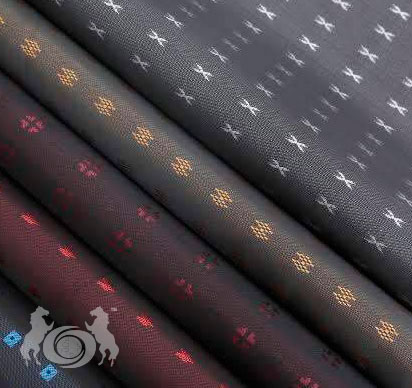
Jacquard top seller — preferred by premium suit & sherwani brands

10+ years supplying lining fabric to India’s garment trade

Consistent colour shade batch to batch — no dye lot surprises

Ready stock — dispatched from Bhiwandi, Maharashtra

with logo
Why choose Double Ghoda Non Woven Fusible Interlining ?
30-80

GSM Range

90m

Per roll

100 cm

Fabric width (40 inch)

PES

Single-dot coating

OEKO-TEX

Certified

What is Non Woven Fusible Interlining - and How is it Made?

Non woven fusible interlining is an interlining fabric made by bonding polyester fibres together using heat, pressure or chemical processes — rather than weaving them. One side is coated with a thermoplastic adhesive (PES — polyester-based), which melts and bonds permanently to the fashion fabric when pressed with heat and pressure.

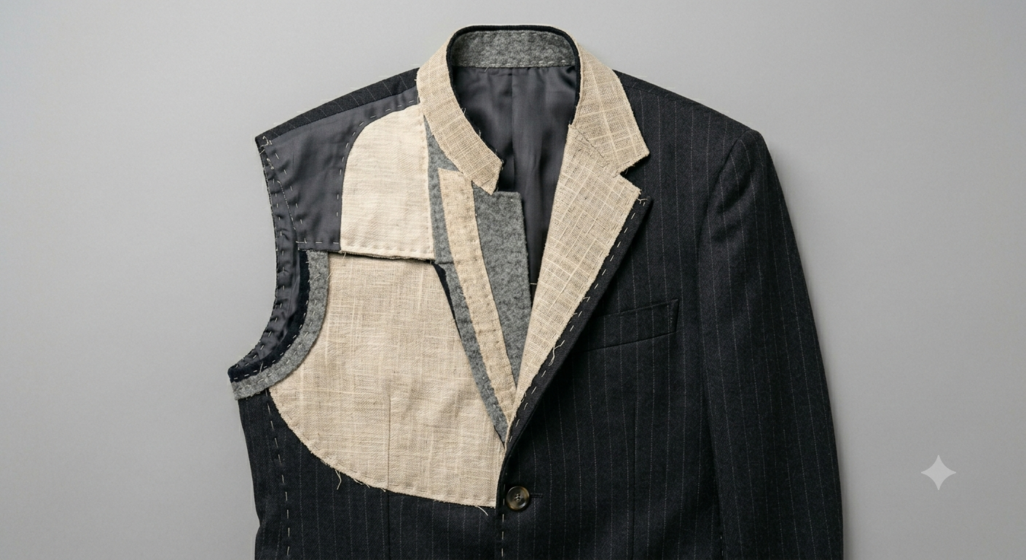
The result is a lightweight, flexible reinforcement layer that adds stiffness and stability to specific garment parts without the weight and bulk that woven interlining would add. It is the right choice for collars, cuffs, plackets, waistbands, pocket areas and the smaller construction parts of any garment — where precision stiffening is needed rather than full-body structural support.

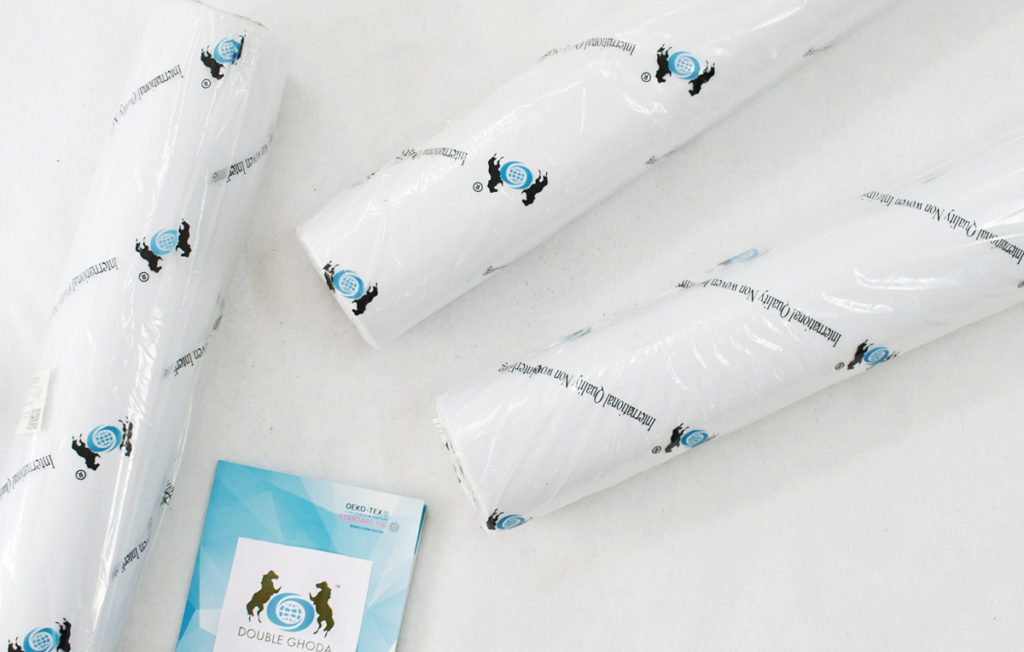
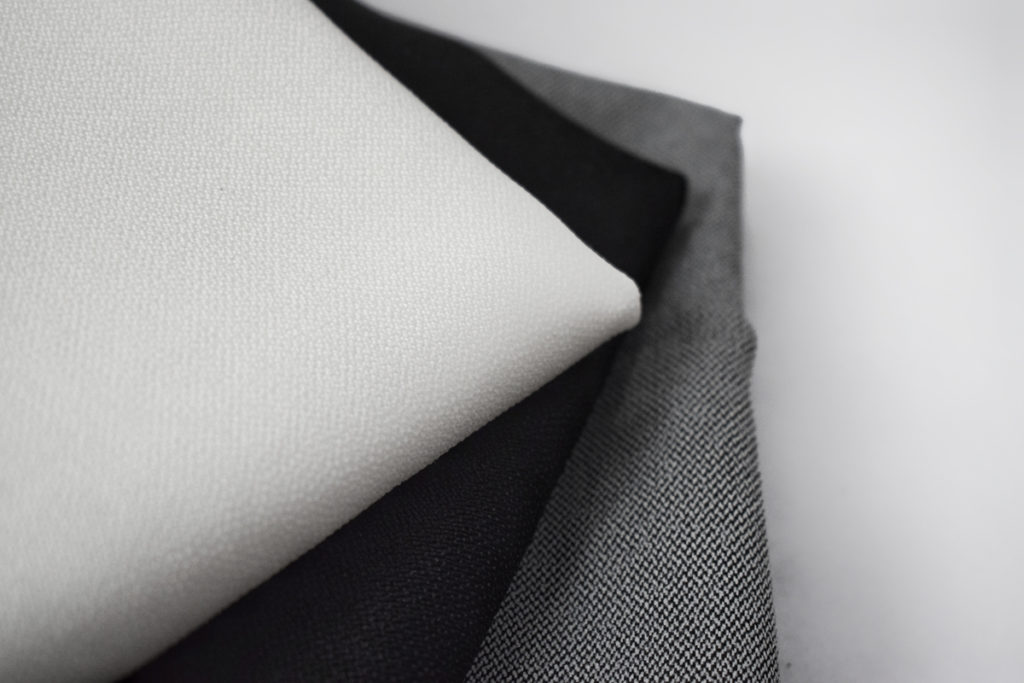
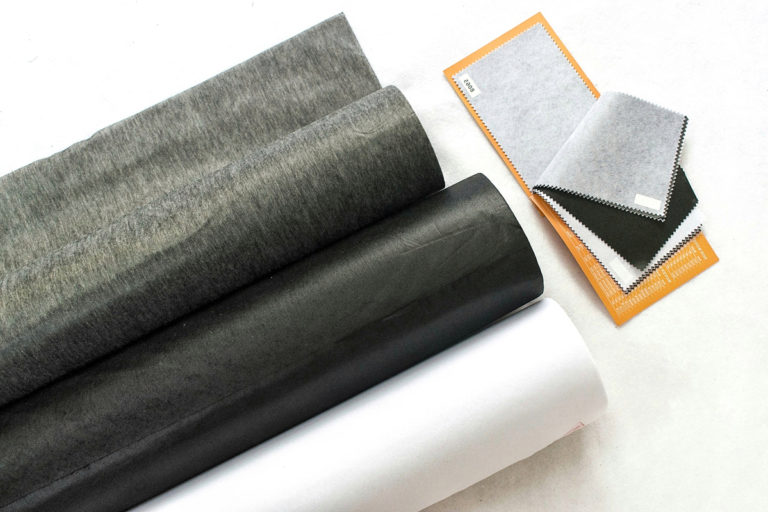
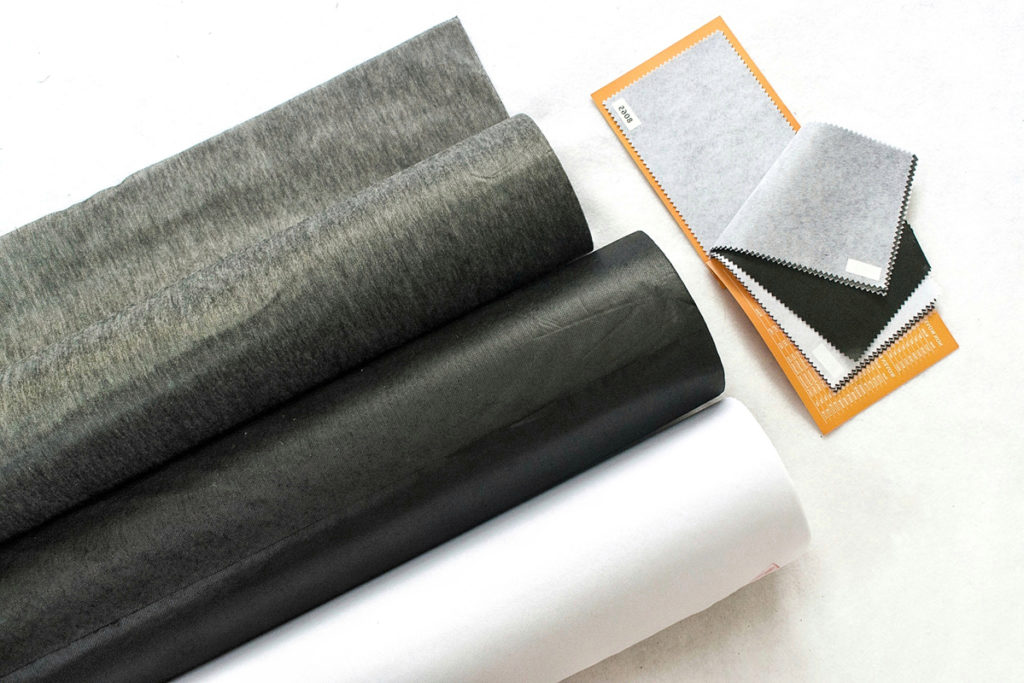
Double Ghoda supplies non woven interlining fabric wholesale in white and black, from 30 to 82 GSM, in 90m rolls. Our base fabric uses super quality polyester — pure and blended — with PES single-dot adhesive for consistent bond strength across the full GSM range.

Important note for garment manufacturers: Non woven fusible interlining is not the same as woven fusible interlining. For the full-front body fusing of suits, blazers and sherwanis, you need woven interlining (80–150 GSM). Non woven is for collars, cuffs, pockets and lighter garment applications. Using the wrong type is the most common interlining mistake in garment production.

  • Made from super quality polyester base — pure and blended fibre construction

  • PES single-dot adhesive coating — better bond distribution than single-dot grades

  • Good elasticity — moves with the garment part without cracking or delaminating

  • Dimensional stability after washing — does not shrink or distort at 40°C

  • Eco-friendly — OEKO-TEX® Standard 100 certified, tested for harmful substances

  • Available in large wholesale quantities — MOQ 1,000 metres, 90m rolls

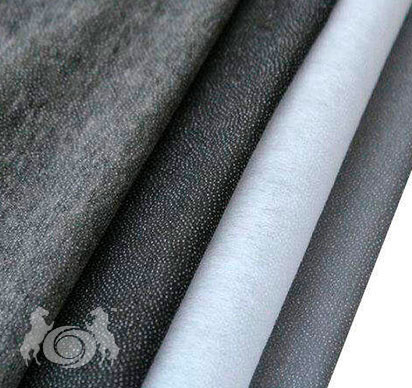
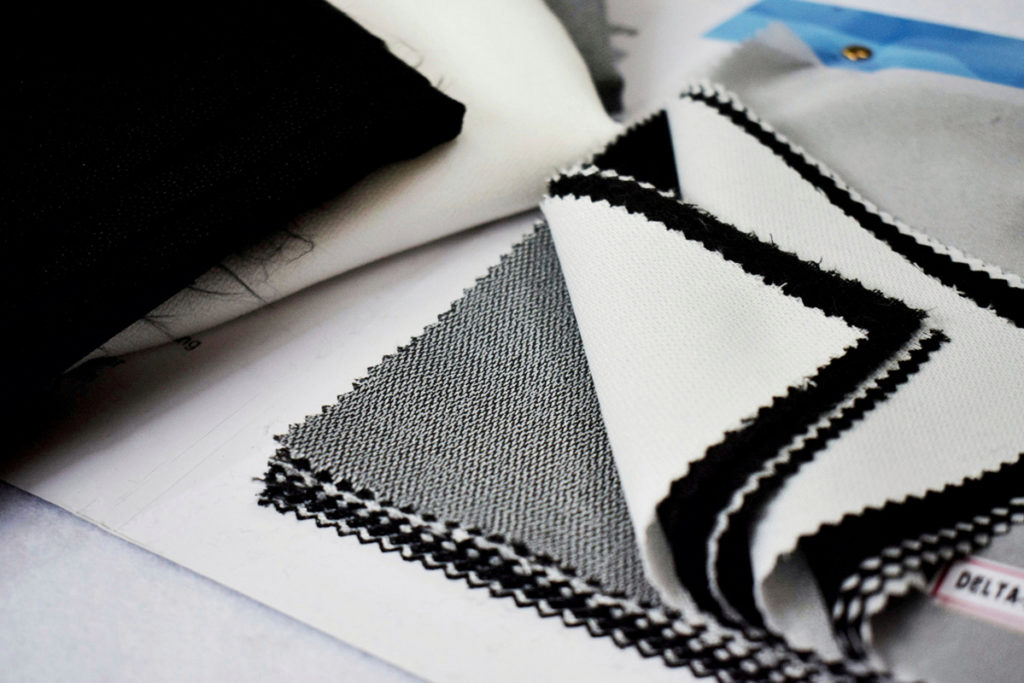
Non-Woven Fusible Interlinings Samples

GSM Range Guide - Which Non Woven Interlining Fabric to Choose

The GSM you need depends entirely on the garment part and how much stiffness is required. Here is how our 30–82 GSM range breaks down for practical garment production use.

30-40

Ultralight
Sheer fabrics, delicate women’s wear, lightweight fashion garments. Minimal stiffness, mostly for fabric stability.

40-60

Standard
Shirt collars, cuffs, plackets (patti). The most common range for everyday garment production. Good stiffness without bulk.

60-75

Medium-Heavy
Structured collars, waistbands, pocket openings on formal garments. More body than standard collar interlining.

75-82

Heavy (for non-woven)
Maximum stiffness available in non-woven. For formal shirt collars, jacket pocket areas, structured trouser waistbands.

Note: If you need interlining for suits, blazers or sherwanis (full-front body fusing), you need woven fusible interlining (100–150 GSM) — not non-woven. Non-woven does not provide sufficient structural support for heavy formal wear construction.

Technical Specifications — Non Woven Interlining India Supply

All non woven interlining supplied by Double Ghoda across India meets the following specifications. Verified through batch QC inspection before stock is accepted.

Product type

Non Woven Fusible Interlining Fabric

Also called

Non woven interlining · Non fusible interlining

Structure

Non-Woven (bonded polyester fibres)

Material

100% Polyester (pure and blended)

Coating method

PES Single-Dot (polyester thermoplastic adhesive)

Feature

Thermo Bond · Fusible · Adhesive

GSM range

30 GSM to 80 GSM

Width

100 cm (40 inches)

Colours

White · Black

Fusing temperature

Up to 120°C

Fusing machine

Flatbed pressing machine

Care

Machine wash 40°C · Dry clean safe

Roll length

90 metres per roll

Certification

OEKO-TEX® Standard 100

Min. order qty

1,000 meters (wholesale B2B only)

Garment Applications — Where Non Woven Interlining is Used

Non woven fusible interlining is used for precision stiffening of specific garment parts — not whole-garment structural support. Here are the most common applications in Indian garment production.

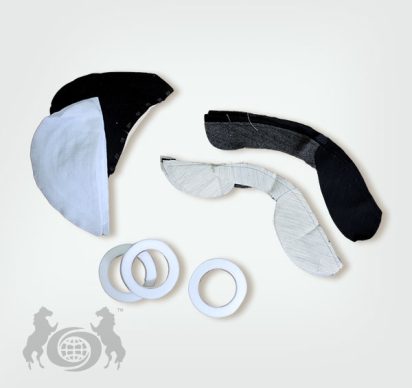
Shirt Collars & Cuffs

40–60 GSM — most common

The classic application for non woven interlining. Gives shirt collars their structure and keeps cuffs crisp. Lighter grades for soft collars, heavier for stand collars and structured cuffs.

Plackets (Shirt Patti)

40–55 GSM

Front button placket of shirts and kurtas. Non woven interlining reinforces the placket area, stabilises buttonhole stitching and prevents fabric distortion around buttons.

Garment Applications - Where Non Woven Interlining is Used

Non woven fusible interlining is used for precision stiffening of specific garment parts – not whole-garment structural support. Here are the most common applications in Indian garment production.

Jacket Small Parts

50–70 GSM

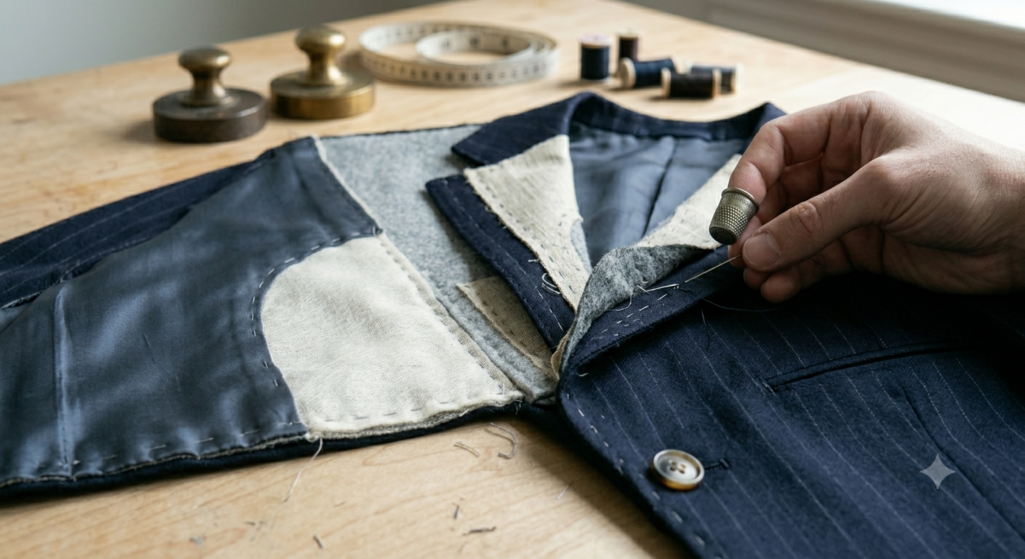
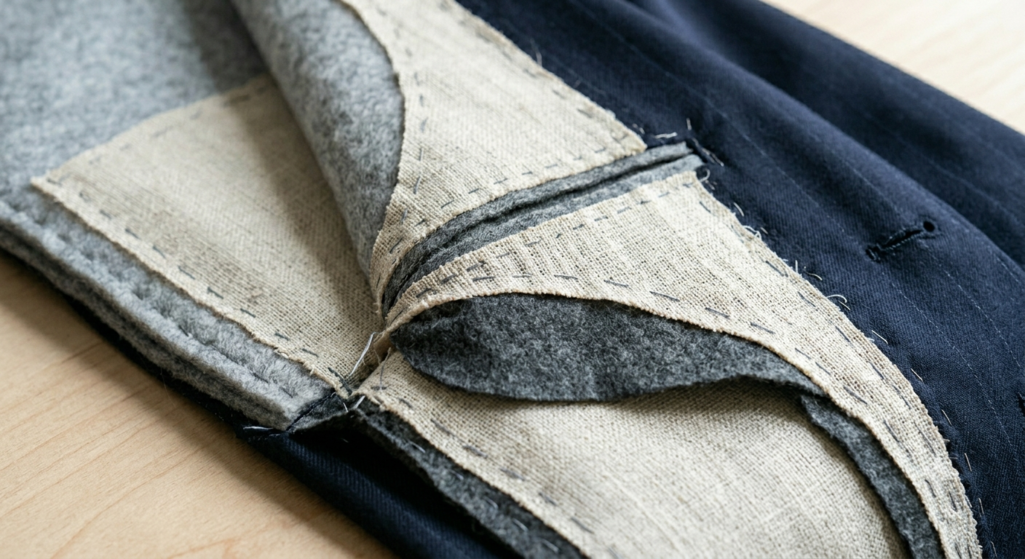
Pockets, pocket flaps, lapel stay and other small parts on suits and blazers where non-woven is preferred over woven for its lighter weight and easier cutting.

Women's Formal Wear

30–55 GSM

Lightweight non woven used in women’s blouses, kurtas and formal wear. Adds stability without stiffness — keeps the garment shape without affecting the drape of lighter fabrics.

Plackets (Shirt Patti)

40–55 GSM

Front button placket of shirts and kurtas. Non woven interlining reinforces the placket area, stabilises buttonhole stitching and prevents fabric distortion around buttons.

1109
Shirt Collars & Cuffs

40–60 GSM — most common

The classic application for non woven interlining. Gives shirt collars their structure and keeps cuffs crisp. Lighter grades for soft collars, heavier for stand collars and structured cuffs.

How to Apply Non Woven Fusible Interlining in Production

Non woven fusible interlining is applied on a flatbed pressing machine — the same equipment used for woven interlining, but at slightly lower temperature settings due to the PES coating. Here is the standard application process.

01

Cut to shape

Cut the non woven interlining to match your collar, cuff or garment part shape exactly

02

Align coated side

Place the coated (slightly rougher) side against the wrong side of the fashion fabric

03

Quotation

Price per meter, roll count and freight terms confirmed in writing

04

Dispatch

Verified rolls dispatched from Bhiwandi warehouse with accurate meter count

Woven vs Non Woven Fusible Interlining - Choosing the Right One

One of the most common sourcing questions from garment manufacturers is whether to use woven or non woven interlining for a specific application. The answer depends on the garment part and the level of structural support required.

Property

Woven Fusible Interlining

Non Woven Fusible Interlining

Structure

Woven yarns — stronger

Bonded fibres — lighter

GSM range

30–150 GSM

30–82 GSM

Primary use

Suits, blazers, sherwanis — full front

Collars, cuffs, plackets, pockets

Bond strength

Higher — PA double-dot

Good — PES single-dot

Structural support

Excellent — holds garment body shape

Good — for small parts only

Roll length

50 metres

90 metres

Fusing temp

125–145°C

Up to 120°C (lower energy)

Cost per metre

Higher

More economical

Dry clean safe

Yes

Yes

Certification

OEKO-TEX S100

OEKO-TEX S100

Colours

White · Black · Grey

White · Black

India availability

50m rolls — ready stock

90m rolls — ready stock

Both types are stocked by Double Ghoda and can be ordered together. Most garment factories order both — woven for the garment body, non-woven for collar and cuff construction.

What is "Non Fusible Interlining" - and Is It the Same Thing?

The term non fusible interlining appears in search queries and can cause confusion. It refers to interlining that does not have a heat-activated adhesive coating — it must be sewn in rather than fused. This is the older method of interlining application, still used in some premium tailoring contexts.

What most buyers searching for non fusible interlining in India are actually looking for is non woven fusible interlining — the non-woven type of fusible (heat-bonding) interlining, as opposed to woven fusible interlining. The word “non” refers to the construction method (non-woven vs woven), not to whether the interlining is fusible or not.

Double Ghoda supplies non woven fusible interlining — this is the product most buyers need. It has PES adhesive coating, bonds with heat, and is used for collars, cuffs and garment small parts. If you are looking for sew-in (non-fusible) interlining, please contact us and we will advise the right product for your application.

Why Manufacturers Choose Double Ghoda for Non Woven Interlining Wholesale

Double Ghoda is a wholesale interlining supplier with over 10 years of experience supplying garment factories across India. We supply non woven fusible interlining from ready stock in our Bhiwandi, Maharashtra warehouse — accurate roll lengths, consistent quality and reliable dispatch to Surat, Delhi, Mumbai, Ludhiana and North India.

Our non woven interlining is produced from super quality polyester base fabric with PES single-dot coating — the same quality standard we apply to our full interlining range. OEKO-TEX Standard 100 certification ensures every product is tested and safe throughout the garment supply chain.

10+

Years in interlining trade

500+

Manufacturers supplied

30–82

GSM grades in stock

What Garment Factories Say About Our Non Woven Interlining

Feedback from shirt manufacturers, garment factories and formal wear producers who order non woven interlining wholesale from Double Ghoda.

Vikram K.
Shirt Manufacturer · Surat, Gujarat
Read More
"We use the 50 GSM non woven for shirt collar and cuff production across our full range. Consistent stiffness, good bond — collars hold their shape after multiple washes. Reliable supply every time."
Neha P.
Women's Wear Factory · Delhi NCR
Read More
"Good elasticity — the non woven interlining we get from Double Ghoda doesn't crack at cuff corners like cheaper grades. The 60 GSM works well for our formal shirt line. Accurate roll lengths every batch."
Rahul S.
Formal Wear Factory · Ludhiana, Punjab
Read More
"We order both woven and non-woven from Double Ghoda — woven for the suit body, non-woven for small parts. Having one supplier for both with consistent quality across both products makes our production easier."
Previous
Next

Products Commonly Ordered with Non Woven Interlining

Most factories order non woven alongside woven interlining — one for the garment body, one for the construction details.

Woven Fusible Interlining

30–150 GSM · PA double-dot · 50m rolls. The body fusing for suits, blazers and sherwanis. Ordered together with non-woven by most formal wear manufacturers — woven for the body, non-woven for small parts.

Collar Interlining

Specialist collar interlining for structured shirt and jacket collars. A step up from standard non woven — stiffer, more defined collar shape for formal garments.

Polyester lining
Polyester Lining Fabric

Jacquard, Satin, Taffeta · 55–85 GSM · 45m rolls. The interior finishing layer for suits, blazers and sherwanis. Hides the interlining and tailoring work, adds a clean finish.

We specialise in Non-woven fusible interlining for suit, sherwani and other ethnic wear. Our core strength lies in high-tech finishing technology.
Frequently asked questions - non woven fusible interlining

Common questions from garment factories, shirt manufacturers and formal wear producers about non woven interlining fabric, applications and wholesale supply in India.

Non woven fusible interlining is an interlining fabric made by bonding polyester fibres (rather than weaving them) and coating one side with thermoplastic adhesive. When pressed with heat and pressure, it bonds permanently to the fashion fabric, adding stiffness and stability. It is primarily used for smaller garment parts — shirt collars, cuffs, plackets, waistbands, pockets and bag construction — where a lighter, more economical interlining is appropriate. For heavy structured garments like suits and sherwanis, woven fusible interlining should be used instead.

Woven fusible interlining has a proper woven fabric structure — stronger, more durable, used for the full-front body of suits, blazers and sherwanis (80–150 GSM). Non woven fusible interlining is made by bonding fibres — lighter (30–82 GSM), more economical, and suited for collars, cuffs and small garment parts. Both use heat-activated adhesive but with different coatings — PA (polyamide) for woven, PES (polyester) for non-woven. Most factories use both: woven for the garment body, non-woven for construction details.

These are different things. Non fusible interlining strictly means interlining without adhesive — it must be sewn in by hand or machine, not heat-bonded. It is used in high-end tailoring where a softer, more natural construction is preferred. Non woven fusible interlining does have adhesive — it is fusible, and the word “non woven” refers only to how the base fabric is made (bonded fibres rather than woven yarns). Most buyers searching for “non fusible interlining” in India are actually looking for non woven fusible interlining. If you are unsure which you need, contact us and we will advise.

PES stands for polyester-based thermoplastic adhesive — the coating used on non woven fusible interlining. It activates under heat (up to 120°C) and bonds to the fashion fabric on cooling. Double Ghoda’s non woven interlining uses double-dot PES coating — a pattern that distributes adhesive more evenly across the fabric, resulting in better bond consistency and resistance to edge lifting compared to single-dot grades. PES coating also provides good dimensional stability through repeated washing at 40°C.

Double Ghoda’s minimum order for non woven interlining India wholesale is 1,000 meters. We supply B2B only — garment factories, shirt manufacturers, women’s wear producers and formal wear factories. Non woven interlining is supplied in 90m rolls (white and black). Contact us for per-metre pricing, freight terms and lead time to your city.

Non woven interlining is not the right choice for the full-front body fusing of suits and sherwanis. The bonded fibre structure does not provide the structural rigidity and shape retention that heavy ethnic formal wear requires. For suits, blazers and sherwanis, you should use woven fusible interlining at 80–150 GSM. Non woven can be used for the small parts of these garments — pockets, pocket flaps, collar stays — but not for the main body construction.

Yes. Double Ghoda supplies non woven interlining across India from our Bhiwandi, Maharashtra warehouse. We actively serve garment factories in Surat, Delhi, Mumbai, Ludhiana, Chandigarh, Amritsar, Kolkata and Chhattisgarh. Contact us for freight terms and lead times to your city.
Looking for Non Woven Interlining Wholesale?

Contact us today to find the best solution for your garments.

apublegodha-loog-white

More Products

non woven intelinings product - double ghoda
Non Woven Fusible Interlinings
woven fusible interlining in india
Woven Fusible Interlinings
polyestery-lining-fabric
Polyester Linings
accessories-1
Garment Accessories
ENQUIRE NOW