
If you make suits, sherwanis, or blazers, you already know interlining fabric matters more than most people think. It’s hidden inside every garment, but it’s the reason a jacket holds its shape and a sherwani doesn’t go limp after one dry clean.
This material is changing. Not in a flashy way, there’s no new miracle fibre. But the way garment factories buy it, test it, and expect it to perform has shifted a lot in the last few years. Buyers ask sharper questions than they used to, certification requirements have tightened, and the gap between a good roll and a bad one shows up faster on a busy production line than it ever did before. This guide walks you through what’s changing and what to look for next time you place an order.
Table of Contents
- What Is Interlining Fabric?
- What’s Changing in Fusible Interlining Technology & Fusing Cloth
- Sustainability in Interlining: What’s Real Right Now
- Woven vs Non-Woven Interlining: Which One Do You Need
- Why Garment Factories Choose Double Ghoda
- How to Pick the Right Interlining for Your Garment
What Is Interlining Fabric?
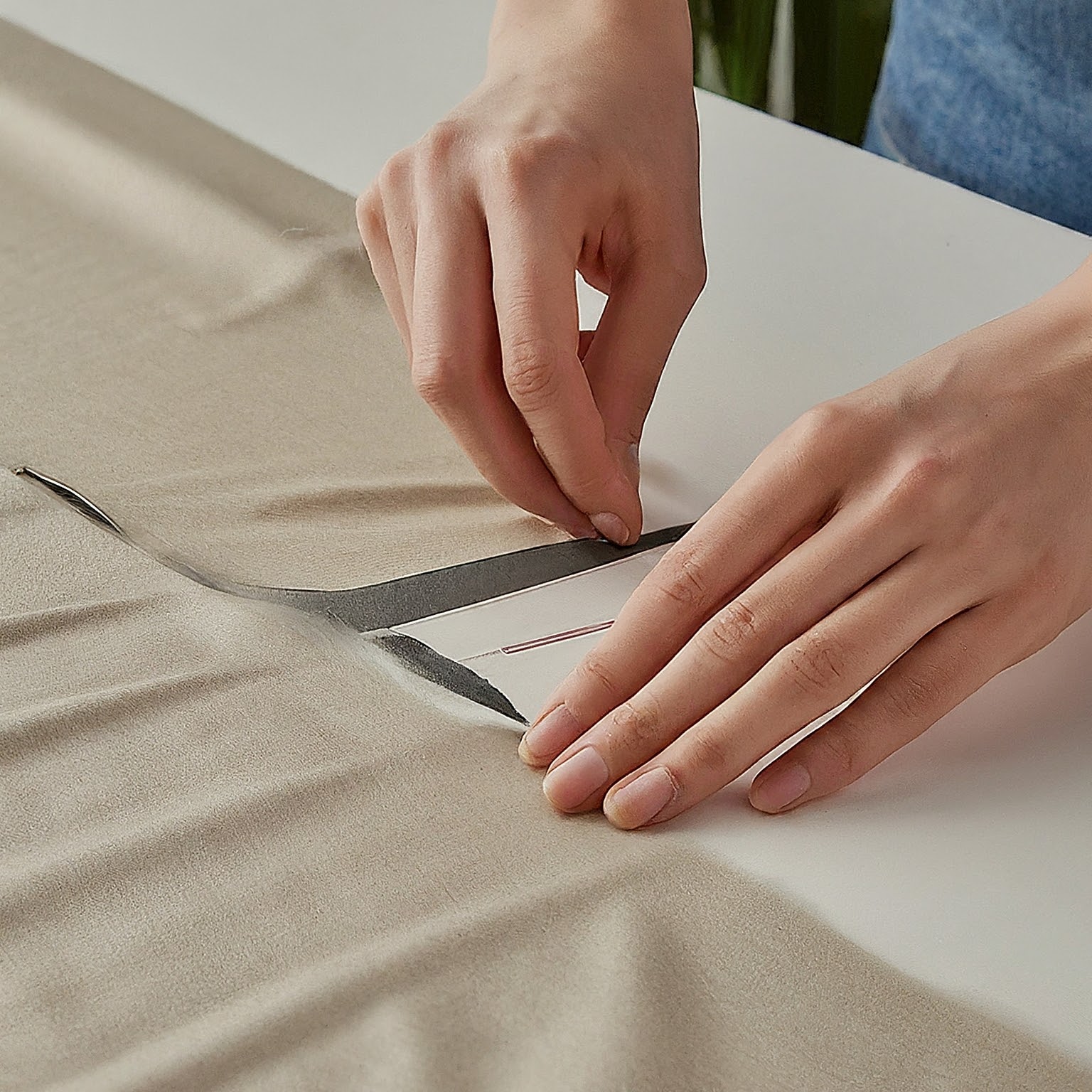
Interlining is a layer of fabric placed between the outer fabric and the lining of a garment. It’s coated with a heat-activated adhesive on one side. When you press it against fabric with heat, it bonds and gives the garment structure.
Every garment factory has run into a batch that didn’t perform the way it should, panels that bubbled after pressing, or a sherwani that lost its shape after the first dry clean. Most of the time, the root cause traces back to this one layer. Getting it right matters more than its size and price suggest.
You’ll hear it called different things depending on where you’re buying:
- Fusing cloth — common term in Surat and Gujarat
- Body fusing — the heavy, full-front grade used in suits and sherwanis
- Fusible interlining — the more formal, technical name
- Suit fusing — another name for the same product
They all mean the same thing. It’s just trade language that varies by region.
Here’s what interlining actually does for a garment:
- Gives the garment shape and structure
- Keeps it from stretching or sagging out of shape
- Speeds up production, fusing is faster than sewing interlining by hand
- Holds up through repeated dry cleaning
Without it, a suit jacket would collapse around the shoulders after a few wears, and a sherwani front would go soft and shapeless. It’s not a visible part of the finished garment, but it’s doing most of the structural work.
What’s Changing in Fusible Interlining Technology & Fusing Cloth
The biggest shift is in how the adhesive is applied. Older, cheaper interlining uses a single row of adhesive dots. Newer, better interlining uses a double-dot pattern, which simply means more adhesive coverage on the fabric.
Here’s why that matters on the factory floor:
| Single-Dot Coating | Double-Dot Coating | |
| Adhesive coverage | Lower, uneven | Higher, more even |
| Bonding speed | Slower | Faster |
| Bond strength | Fine for light use | Stronger, holds up to dry cleaning |
| Best for | Light garments | Suits, sherwanis, blazers |
Buyers today ask for double-dot coating by default, not as a premium extra. That’s a real change from a few years ago, when most factories didn’t ask about coating type at all, they just ordered by GSM. Good fusible interlining today means both the right GSM and the right coating, not one or the other.
The second shift is in how specific buyers get with GSM. Instead of asking for “medium” or “heavy” fusing, most experienced buyers now name the exact grade they want, 100 GSM, 130 GSM, 140 GSM, because they know exactly what result each one gives.
This shows up clearly in how sherwani manufacturers order. A few years ago, a buyer might have asked for “heavy fusing for sherwani.” Today, they ask for 140 GSM body fusing by name, because they’ve already tested it and know it gives them the result they want. That level of specificity makes it easier for suppliers to hold consistent stock and easier for factories to plan production without surprises.
Press equipment has also improved, which changes what buyers expect from the fabric itself. Factories running modern flatbed presses expect interlining to bond fully within a tighter time and temperature window, usually 18 to 25 seconds at 125–145°C for woven grades. Fabric that needs longer press times or higher heat to bond properly slows down the whole line and increases the risk of scorching the outer fabric.
Sustainability in Interlining: What’s Real Right Now
There isn’t a big “eco-friendly” revolution happening in interlining yet, no organic or recycled fibre option at trade scale. What’s actually changing is certification and consistency.
Here’s what buyers are asking for more often:
- OEKO-TEX® Standard 100 certification — this confirms the fabric has been tested for harmful substances. It’s becoming a standard requirement, especially for factories supplying bigger brands or export markets.
- Accurate roll length — short metres force factories to over-order, which wastes material and money.
- Consistent quality batch to batch — if the interlining fabric performs differently every delivery, factories end up with more rejected panels and more waste.
In short: right now, “sustainable” mostly means fewer rejects, honest metres, and proper certification, not a new type of fibre.
There’s also a quieter cost angle here that factories care about just as much as certification. Every rejected panel means wasted outer fabric too, not just wasted interlining, and outer fabric usually costs far more per metre than the interlining itself. A supplier with consistent quality isn’t just reducing their own waste; they’re protecting the more expensive material downstream in your production line. That’s a bigger deal for your margins than most buyers give it credit for.

Woven vs Non-Woven Interlining: Which One Do You Need
This is the most common question buyers ask, and it’s worth getting right before you place a bulk order.
| Woven Interlining | Non-Woven Interlining | |
| Made from | Interlaced yarns, a real woven fabric | Bonded fibres |
| GSM range | 30–150 GSM | 30–82 GSM |
| Roll length | 50m | 90m |
| Strength | High, holds shape well | Moderate, fine for small parts |
| Best for | Suits, blazers, sherwanis (full front) | Collars, cuffs, plackets |
| India preference | 100+ GSM for ethnic formal wear | 30–60 GSM for lighter parts |
Simple rule: use woven for the main body of a suit or sherwani, and non-woven for smaller parts like collars and cuffs. Most factories order both from the same supplier to keep quality consistent across the whole garment.
A mistake newer buyers sometimes make is using non-woven on the front body to save cost. It’s cheaper per metre, but it doesn’t have the strength to hold a jacket or sherwani’s shape over time, and the savings get lost to rework and rejects later. The opposite mistake also happens: using heavy woven grades on collars and cuffs, which just adds unnecessary stiffness and cost where it isn’t needed. Matching the right construction to the right garment part is what keeps quality consistent and costs predictable.
Why Garment Factories Choose Double Ghoda
Double Ghoda supplies fusing cloth, lining, buttons, and garment accessories to garment manufacturers across India, with Surat and North India as our main markets. We’re a family-run import and wholesale trading business, and we’ve been supplying India’s garment manufacturing trade for over 10 years. We’re not a marketplace or a middleman, we hold ready stock and work directly with factories.
Here’s what factories get when they order from us:
- Accurate meters, every roll. No short metres, which is a real problem in this trade and causes production delays.
- Double-dot coating as standard, not an upgrade, our woven interlining fabric uses this on every grade, from 30 GSM to 150 GSM.
- 111 quality (140 GSM), our top-selling grade for sherwanis, recognised by name across Surat’s trade.
- Consistent quality, order after order. Same GSM, same hand-feel, same performance every time you reorder.
- One supplier for the full order, woven and non-woven interlining, polyester lining, buttons, and accessories like shoulder pads and hem tape, all in one place.
Our minimum order is 1,000 meters, and we work with garment manufacturers, wholesalers, and factories, not individual tailors or retail buyers.
How to Pick the Right Interlining for Your Garment
Use this as a quick reference before you order:
- Sherwani: 130–150 GSM woven. Our 111 quality (140 GSM) is the standard choice.
- Structured suit: 100–130 GSM woven.
- Blazer: 80–120 GSM woven, depending on how structured you want it.
- Collars, cuffs, plackets: 30–80 GSM non-woven.
- Light ethnic wear or waistbands: 30–60 GSM, woven or non-woven depending on how much durability you need.
A few things worth checking before you commit to a full order:
- Confirm the exact GSM, not just “light” or “heavy”
- Ask if the coating is double-dot
- Ask for OEKO-TEX certification if you supply bigger brands or export
- Test a small sample batch at your own press settings first
Getting these details right upfront saves you rework, rejected panels, and delays later, especially during busy wedding and festive season order cycles.
It also helps to ask your supplier how they hold quality steady across large orders. GSM and hand-feel can drift between production lots if a supplier isn’t checking every batch. A short conversation about this before you place a large order tells you a lot about how reliable that supplier will be once you’re a few hundred rolls into a relationship, not just on the first sample.
None of this needs to be complicated. Most quality problems in interlining come down to a handful of basics: the right GSM for the garment, a proper double-dot bond, honest metres on every roll, and a supplier who gives you the same product every time you reorder. Get those four things right, and the rest of your garment construction has a solid foundation to build on.
If you’re placing your next bulk order, reach out to Double Ghoda for a quote on interlining, lining, buttons, or accessories.
Frequently Asked Questions
What is fusible interlining used for?
It’s used to give structure to suits, blazers, sherwanis, and other formal wear. It’s placed between the outer fabric and the lining, and bonds with heat to keep the garment from losing its shape.
What is the difference between fusing cloth, body fusing, and fusible interlining?
They’re the same product, just called different things depending on the region. Fusing cloth is common in Surat and Gujarat. Body fusing usually refers to the heavy grade used on the front body of a suit or sherwani. Fusible interlining is the more formal, technical name.
What GSM interlining is best for a sherwani?
Most sherwani manufacturers use 130–150 GSM woven interlining. The 140 GSM grade, known in the trade as 111 quality, is the most common choice because it gives heavy ethnic wear the structure it needs to hold shape through construction and wear.
What is the minimum order quantity for interlining from Double Ghoda?
1,000 meters. We supply garment manufacturers and wholesalers, not individual tailors or retail buyers.
Link of related Articles
- Lightweight Interlining vs. Heavyweight Interlining
- A Beginner’s Guide to Interlining
- Choosing the Right Interlining