The right support layer for formalwear depends on the garment’s construction, the outer fabric, the area being reinforced, the silhouette you want and the level of structure required. A suit front, a lapel, a collar, a cuff and a waistband each need different support. That is why no single fusing cloth suits every formal garment.
This guide shows you how to match the support layer to the application. It covers fabric weight, woven and non-woven options, common selection mistakes and what to test before bulk production.
What Is Fusing Cloth for Formalwear?
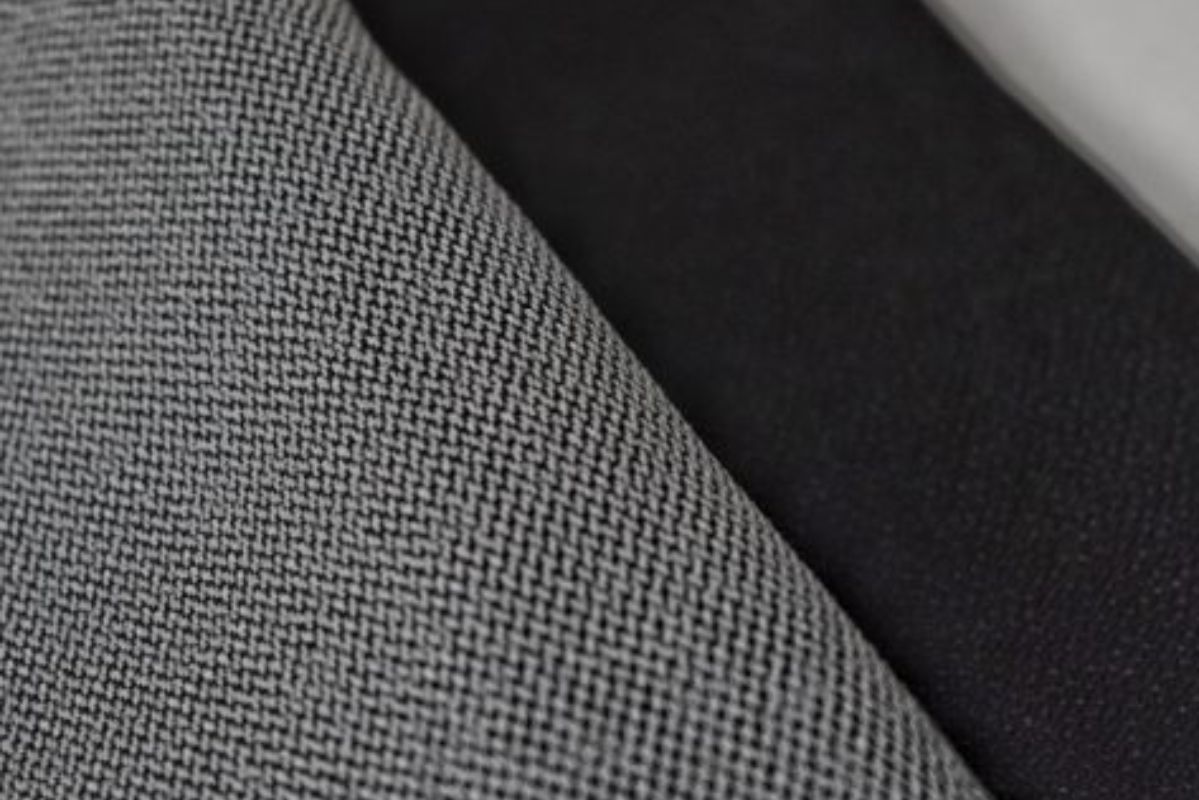
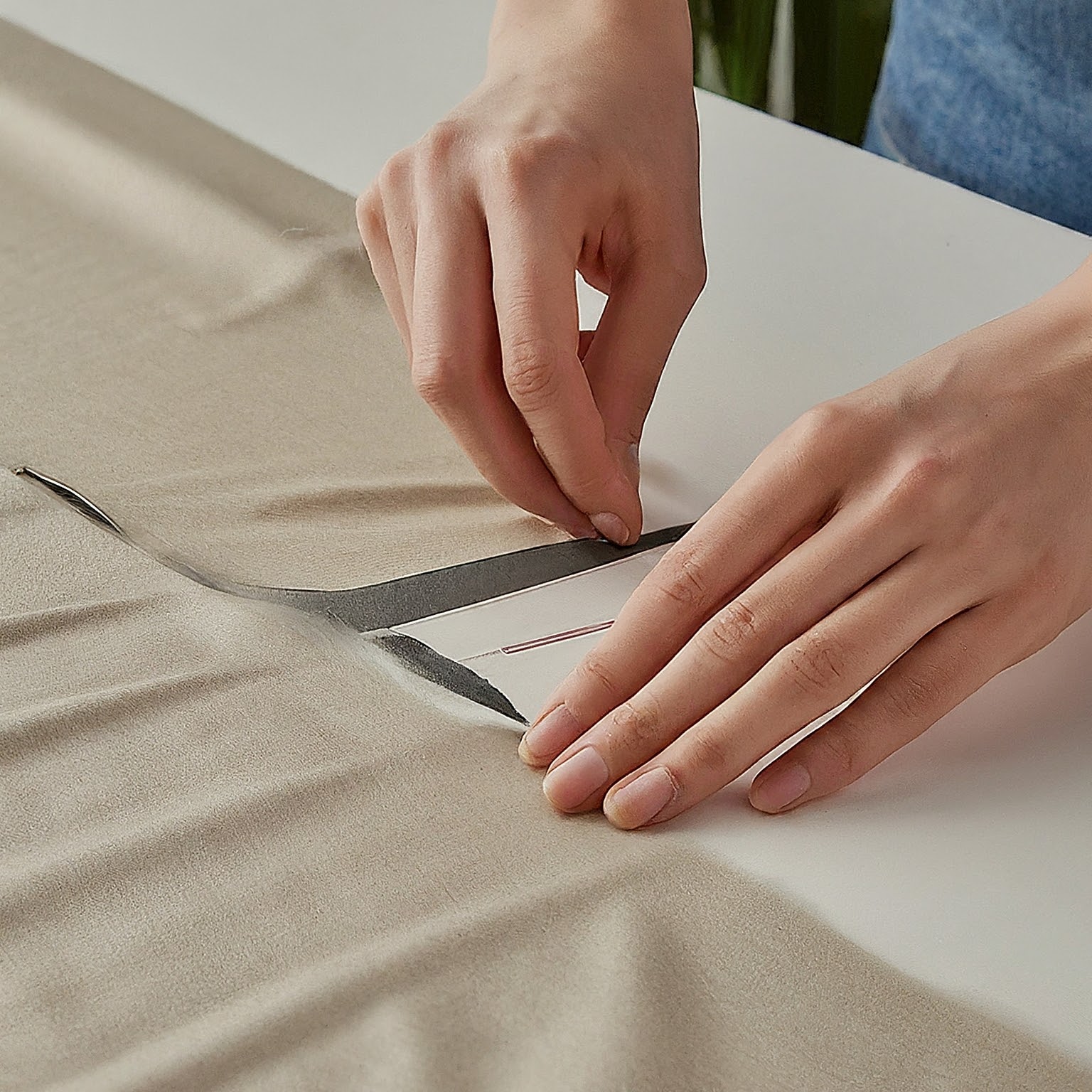
Fusing material is a base fabric coated with a heat-activated adhesive on one side. You press it onto the wrong side of the outer fabric. The adhesive bonds the two layers and gives that garment part shape, stability and body.
How does it support garment components?
Outer fabrics can be soft, loose or prone to stretching. Once bonded, the reinforcing layer helps the fabric hold its intended form. It also helps the fabric resist distortion during stitching, pressing and wear.
Where is it used in formalwear?
You will find reinforcing layers in several parts of a formal garment:
- Suit and blazer fronts
- Lapels and collars
- Cuffs and plackets
- Waistbands
- Pocket areas and other small parts
Each part has a different job. A suit front needs a stable chest and shape. A cuff mainly needs a crisp, flat edge.
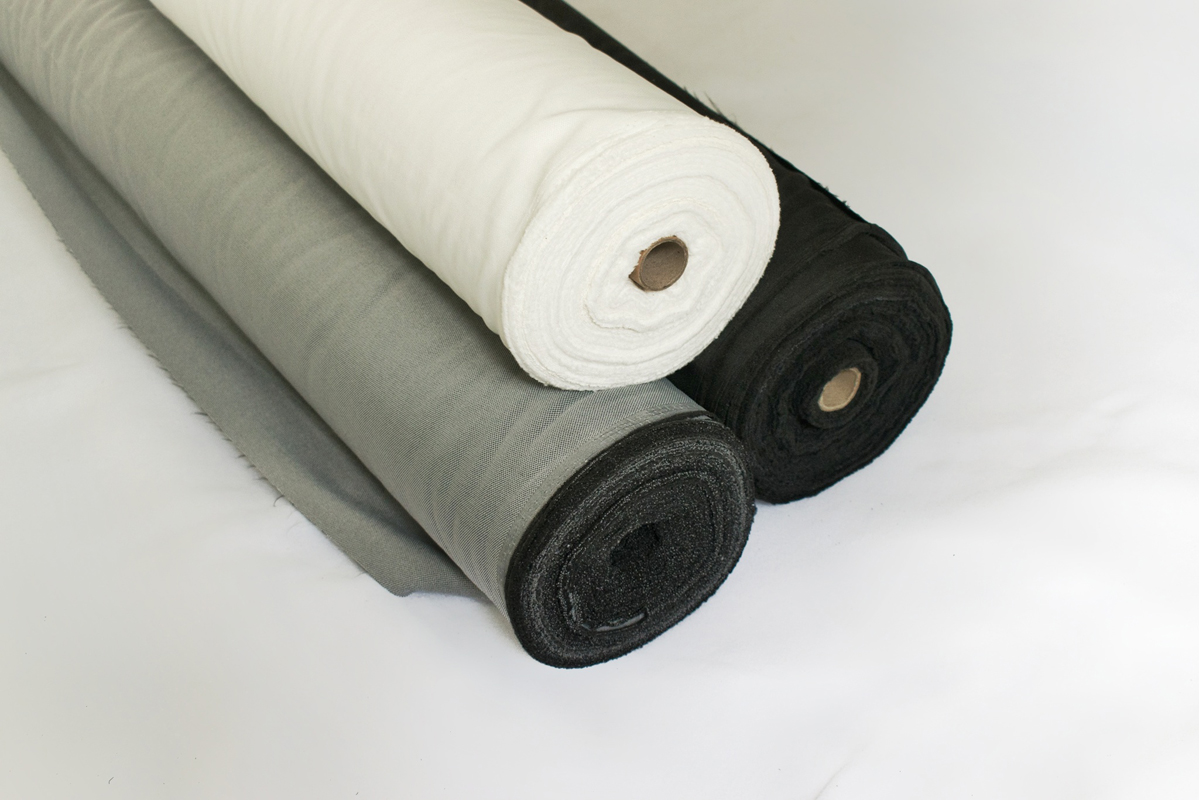
Why one specification does not fit every application
Garment design and outer fabric both shape the choice. A fine wool, a textured blend and a heavily embroidered fabric all behave differently under heat and pressure. In the trade, the heavier support used across the full front of a jacket is often called body fusing. Smaller parts usually need something lighter. Treat the specification as a decision you make for each component.
Why the Right Support Layer Matters in Formalwear
The support layer sits inside the garment, but it affects how the garment looks from the outside. Material selection influences shape, finish and how the garment feels on the body.
- Shape retention and silhouette
A formal garment is judged on its lines. Sharp lapels, a clean chest and a stable collar all depend on what sits behind the outer fabric. The right support helps the garment keep its intended silhouette through production and wear.
- Structure, flexibility and drape
Every support layer balances three things: structure, flexibility and drape. More structure gives a firmer hand. Less structure keeps the fabric softer and more fluid. A tailored suit jacket and a lightweight formal garment sit at different points on that scale. Choose the balance that suits the design, not the heaviest option available.
- Compatibility with the outer fabric
The outer fabric and the reinforcing layer must work together. If they do not, the bond can fail or the surface can change. A good match comes from testing the actual fabric with the actual material. Checking the specification sheet alone is not enough. Mismatched fabric weight and interlining fabric structure are common starting points for finishing trouble.
What can go wrong
Unsuitable selection may contribute to visible defects. These include:
- Bubbling or rippling on the surface
- Wrinkling around seams
- Poor adhesion at edges
- A stiff or board-like hand
- Changes in the look of the outer fabric
These issues are general risks, not guaranteed outcomes. Careful selection and testing help you avoid them.
How to Choose Fusing Cloth Based on Fabric Weight and Structure
Start with the outer fabric. Then decide what each garment component needs to do. Work through the questions below in order.
Look at the outer fabric first
Weight, texture and construction all matter. A lightweight, fluid fabric can look stiff or heavy with too much support. A dense, structured fabric may need more support to hold its shape. Textured or loosely woven fabrics may also behave differently under heat, so test them early.
Define the support each component needs
Ask what the component must achieve:
- Should the suit front hold a firm chest line, or follow the body softly?
- Should a collar stand crisp or roll gently?
- Does a waistband need stability without bulk?
Different answers lead to different materials, even within a single garment. This is also where body fusing decisions are made for the front panels.
- Treat GSM as one factor
GSM measures fabric weight in grams per square metre. It is a useful starting point, but it is not a complete measure of suitability. Two materials with the same GSM can differ in construction, hand-feel and adhesive. They may also bond differently to the same outer fabric.
- Does higher GSM always give better support?
No. A higher GSM does not automatically mean better support. The right weight depends on the outer fabric, the garment construction and the result you want. Too much weight can make a garment stiff or over-built. Too little can leave it under-supported. We do not suggest one GSM range for every garment, because no such range exists.
- Balance flexibility, stiffness and finish
Decide what the finished garment should feel like. Think about how the fabric moves, how crisp the edge should look and how the surface should sit. Write these targets down before you compare materials. They give your team a shared standard to judge samples against.
- Test samples before bulk production
Bonding compatibility is the main reason to test. Fuse a sample of your actual outer fabric with the candidate material. Then check the result for adhesion, surface changes and hand-feel. Follow the supplier’s instructions for the bonding process, and confirm the result on your own equipment.
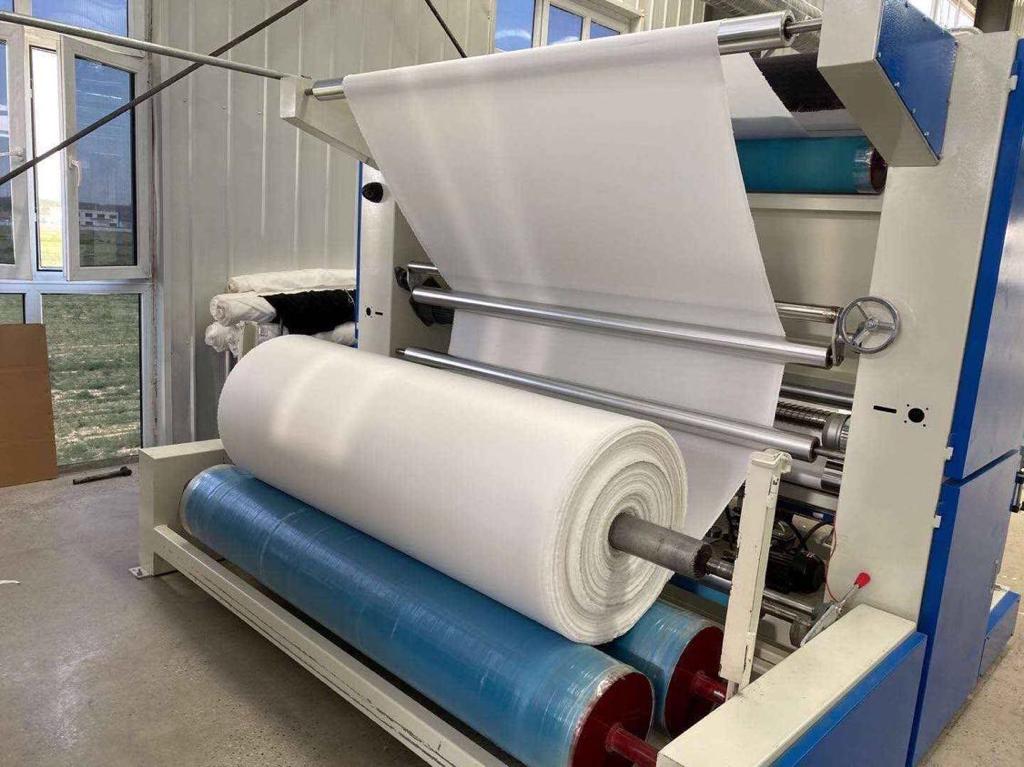
Woven vs Non-Woven Fusing Cloth for Formal Garments
Both categories have a place in formalwear. Neither is better in every situation. Suitability depends on the specific material, the garment design and the outer fabric.
How the two categories compare
| Factor | Woven | Non-Woven |
| General construction | Yarns interlaced in a woven structure | Fibres bonded together into a web |
| Typical application considerations | Often considered for larger, structured components | Often considered for smaller or lighter components |
| Fabric compatibility | Depends on outer fabric and specific material | Depends on outer fabric and specific material |
| Support and finish | Can offer firmer, more stable support | Can offer lighter, softer support |
| Bonding and testing | Follow supplier instructions; test samples | Follow supplier instructions; test samples |
This table gives general guidance only. Individual materials within each category vary, so the specific product matters more than the category label.
Choosing by application
For structured parts like jacket fronts, many manufacturers look at woven options first. For lighter parts or lighter garments, non-woven options are often considered. Many factories use both categories in the same garment, matched to each component. Your own testing should make the final call.
Bonding in general terms
Bonding uses heat, pressure and time to activate the adhesive. The right settings depend on the material and the outer fabric. We do not give universal temperature, pressure or time settings, because they vary by product and fabric. Follow your material supplier’s instructions, then test samples for:
- Bubbling
- Wrinkling
- Poor adhesion or edge lifting
- Changes in the appearance of the outer fabric
If a sample shows any of these, change the material or the process before moving ahead.
Common Fusing Cloth Selection Mistakes to Avoid
Most selection problems are avoidable. These are the ones we see most often.
1. Choosing by GSM alone
GSM is one factor. Weight tells you little about hand-feel, adhesive or compatibility. Use it to shortlist, not to decide.
2. Ignoring outer-fabric compatibility
A material that works on one outer fabric may fail on another. Always test on the fabric you will actually use.
3. Using one specification for every component
A suit front, a collar and a waistband have different needs. Matching each part to its own material usually gives a better result than applying one choice everywhere.
4. Skipping sample testing
Testing is quick compared with the cost of a failed production run. Fuse, cool and inspect samples before you commit to bulk.
5. Overlooking bonding conditions and finish
The bond and the finished look both depend on correct processing. Record your settings and the appearance you want, so results are repeatable.
6. Not checking batch consistency
A good first sample does not guarantee the same result in later lots. Check incoming batches against your approved sample.
7. Ordering in bulk before confirming the specification
Confirm the specification with samples first. Then plan your bulk quantity.
A simple evaluation process
Sourcing teams, manufacturers and exporters can follow a short checklist:
- Define the garment, component and desired finish.
- Shortlist materials based on the outer fabric.
- Test samples and record the results.
- Approve one specification per component.
- Check each batch against the approved sample.
A written process like this reduces avoidable rework. It also makes reordering simpler. When your team sources fusing cloth, this checklist helps keep every purchase consistent.
Choosing Fusing Cloth from Double Ghoda
Most formalwear problems start at the front panel, so begin there. Settle the front, then work outwards to the collar, cuffs and smaller parts.
That order matches how we organise our range at Double Ghoda. Our fusible interlining category separates woven grades, used for the main body of suits, blazers and sherwanis, from non-woven grades, used for collars, cuffs and plackets. Many factories buy from both sides for a single garment.
We work as a wholesale supplier and stockist under the B.C. Impex name. We do not manufacture what we supply, so our advice stays tied to your garment and not to a production line of our own.
Bring four details when you talk to us: the garment, the component, the outer fabric and the finish you want. With those, we can point you towards the right interlining fabric and weight. Not every grade suits every garment, and your outer fabric has the final say.
FAQs
What is fusing cloth used for in formalwear?
It adds shape, stability and structure to garment components such as suit fronts, lapels, collars, cuffs and waistbands. It is bonded to the outer fabric with heat and pressure. The right choice depends on the garment design and the outer fabric.
How do you choose the right GSM for formal garments?
Choose GSM based on the outer fabric, the garment component and the finish you want. Higher GSM does not always mean better support. Test samples on your actual fabric before bulk production.
What is the difference between woven and non-woven fusing cloth?
Woven material has interlaced yarns and is often considered for larger, structured parts. Non-woven material is made of bonded fibres and is often considered for lighter or smaller parts. Neither is better in every case. Suitability depends on the garment and the outer fabric.
Link of related Articles
- Lightweight Interlining vs. Heavyweight Interlining
- A Beginner’s Guide to Interlining
- Choosing the Right Interlining