Categories
Non Woven Interlining

What Is Non-Woven Fusible Interlining?

If you are in garment manufacturing, you have heard the term. You have probably used non woven fusible interlining. But if someone asked you to explain exactly what makes it different from woven interlining — or why it works for collars but not for the front body of a sherwani — could you answer confidently?

If you have been using non woven fusible interlining without fully understanding it — or avoiding it without knowing where it actually helps — this blog clears it up.

Table of Contents

  • What Non-Woven Fusible Interlining Actually Is
  • How It Is Made and Why That Matters
  • Where It Works — and Where It Does Not
  • Verified Specs — What You Are Actually Buying
  • Is It Right for Your Production?
Non-Woven Fusible Interlining

What Non-Woven Fusible Interlining Actually Is 

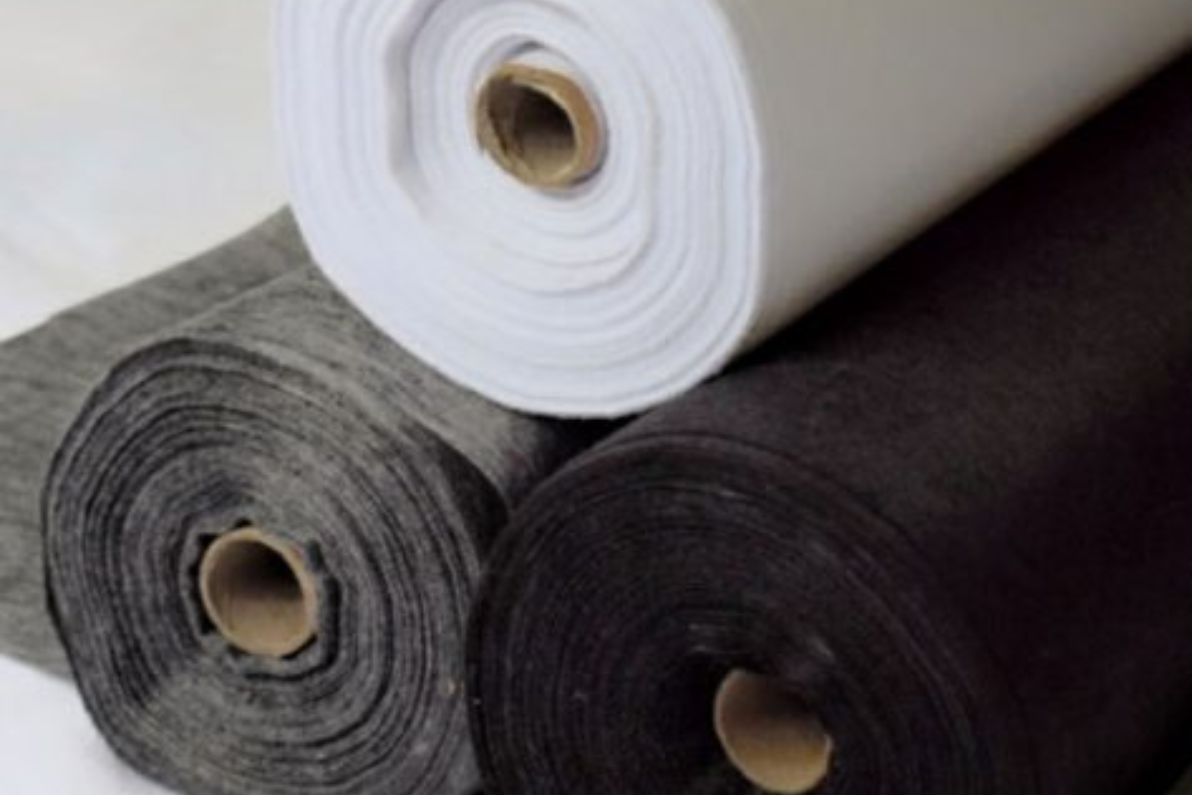
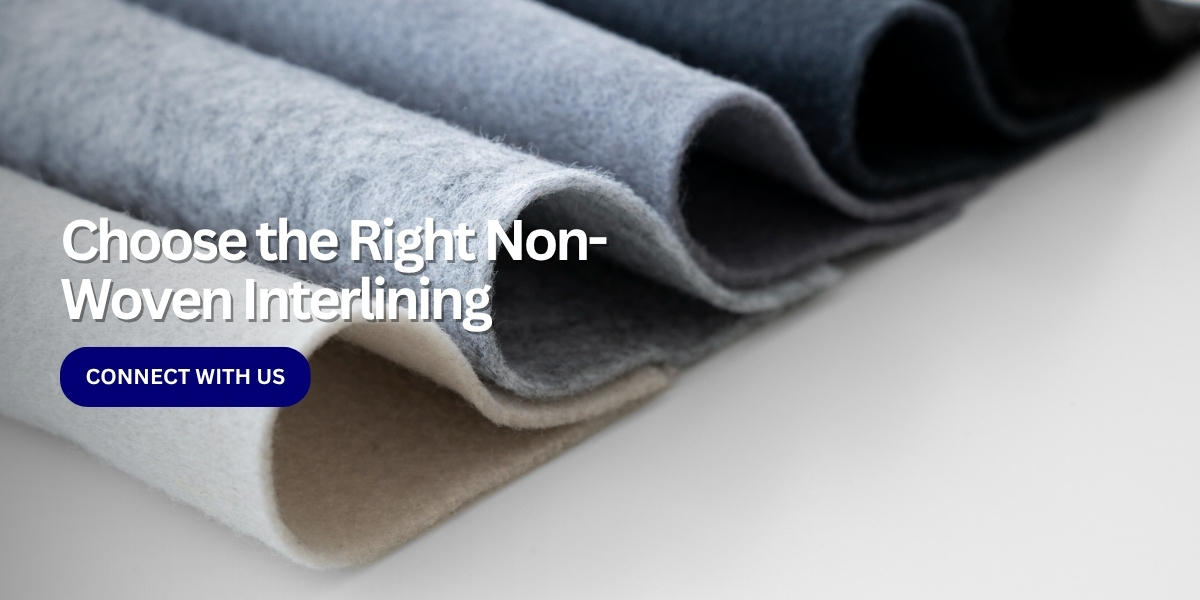
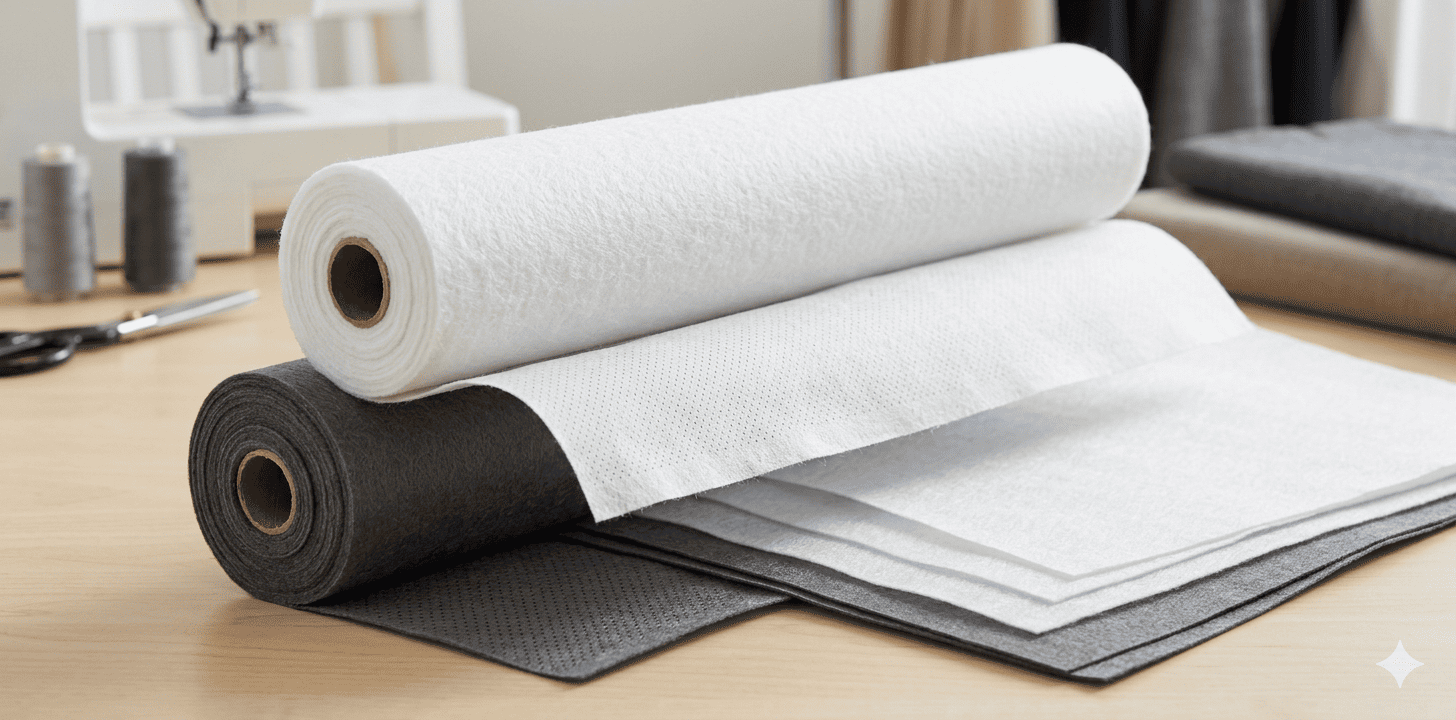
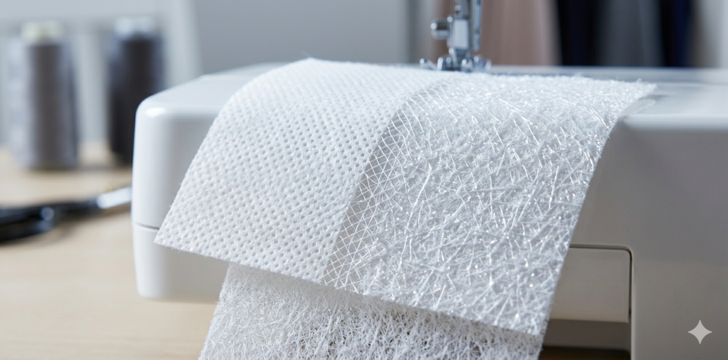
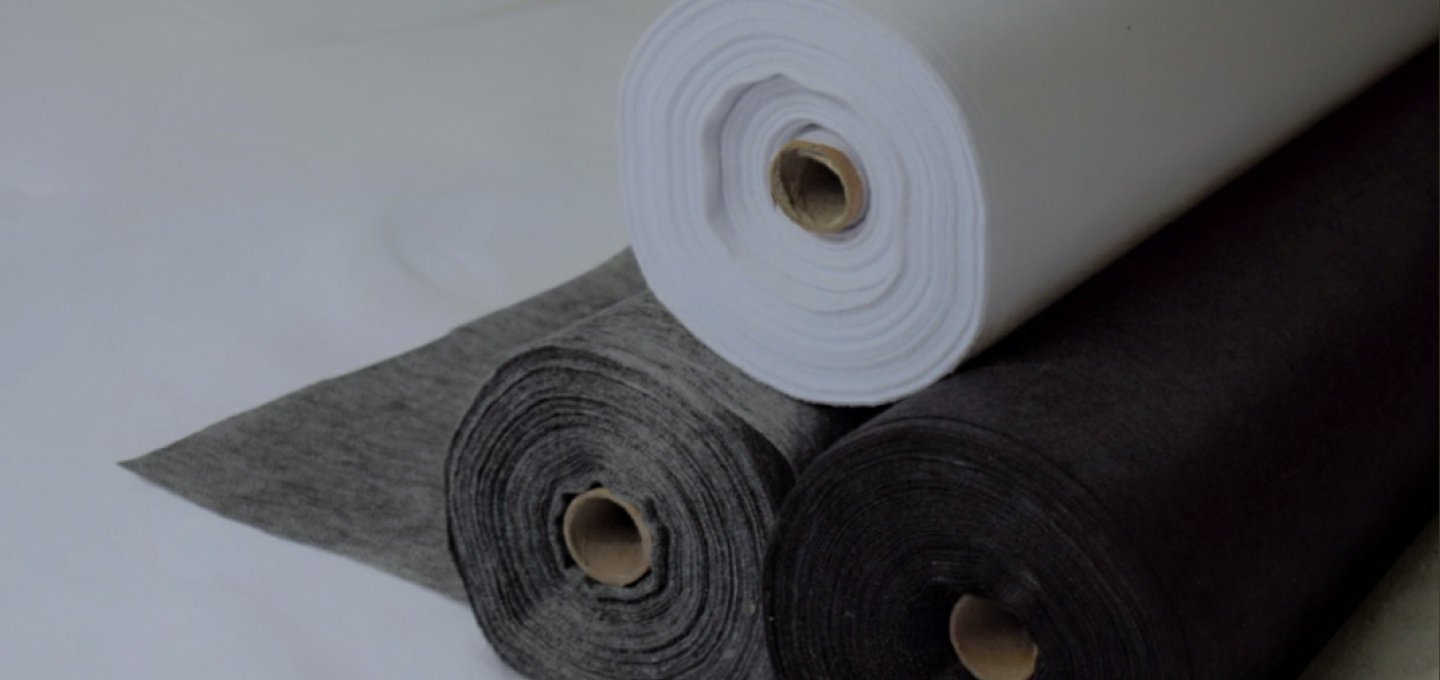
Non woven fusible interlining is a fabric used inside garments to reinforce specific areas — collars, cuffs, shirt plackets, waistbands, and other small structural parts. It bonds to the outer fabric using heat and pressure, which is what makes it fusible.

The word “non-woven” is where most buyers gloss over without fully understanding what it means — and it is the most important word in the name.

A woven fabric has threads running in two directions — warp and weft — interlocked in a pattern. A non-woven fabric has no such structure. Instead, fibres are bonded together through heat, pressure, or chemical treatment, without any weaving involved. The result is a fabric that is softer, more uniform in all directions, and more flexible than its woven counterpart.

That flexibility and softness is exactly what makes it the right choice for collars, cuffs, and lighter garment applications — and the wrong choice for the front body of a structured suit or sherwani.

What makes it fusible:

One side of the fabric carries a heat-activated adhesive coating. When you place it adhesive-side down on the wrong side of your outer fabric and apply heat and pressure — through an iron or a fusing press — it bonds permanently. No stitching required. The result is a reinforced panel that holds its shape, supports the outer fabric, and makes tailoring work significantly easier.

In simple trade terms:

If you are building structure into a collar, reinforcing a shirt placket, or adding light body to a cuff — this is the interlining you reach for. It is the workhorse of lighter garment construction across every category from formal shirts to women’s wear to light jackets.

How It Is Made and Why That Matters 

Understanding how non woven interlining is made helps you understand why it behaves the way it does — and why it is suited to some applications and not others.

The base fabric

The base fabric is made from 100% polyester fibres — either pure or blended. These fibres are laid out in a random or directional pattern and then bonded together using one of the following methods:

  • Thermal bonding — heat is applied to melt and fuse the fibres together at their contact points
  • Chemical bonding — a binding agent is applied to hold the fibres together
  • Mechanical bonding — the fibres are physically entangled using needles or water jets

The result is a fabric with no grain direction — no warp, no weft, no defined thread path. This is what gives it its soft, flexible character and its good elasticity.

The adhesive coating

Once the base fabric is made, one side is coated with a heat-activated adhesive. Double Ghoda’s non-woven interlining uses PES (Polyester) adhesive applied through paste dot and double dot coating methods. This is different from the PA (Polyamide) coating used on woven interlining — PES coating is well suited to lighter fabric applications and bonds effectively at the fusing parameters designed for non-woven.

Why the construction affects performance

Because there is no grain, non woven interlining fabric does not have the directional strength of woven interlining. It is more flexible and stretches slightly in all directions. For a collar or cuff, this is an advantage — it conforms to the shape of the garment part without resisting it. For a structured suit front or sherwani body, this becomes a disadvantage — it cannot provide the dimensional stability that woven construction delivers.

This is not a quality issue. It is a design characteristic. Non-woven interlining is engineered to do a different job than woven — and it does that job very well.

Elasticity and wash stability

One of the notable properties of good non-woven interlining is its elasticity. It has more give than woven interlining, which makes it comfortable in garment parts that need to move with the body — waistbands, cuffs, and soft structured fronts on women’s garments. It also has good dimension stability after washing — it does not shrink or distort significantly through the washing cycles your garments go through.

Where It Works — and Where It Does Not 

This is the most practically useful section for any garment manufacturer. Knowing where to use non woven interlining and where not to is the difference between a garment that holds its shape and one that does not.

Where non-woven fusible interlining works well:

  • Shirt collars and collar stands The collar of a dress shirt or formal shirt needs to feel crisp and structured — but also comfortable against the neck. Non-woven interlining in the 30–60 GSM range delivers that crispness without making the collar feel stiff or uncomfortable. It bonds cleanly, gives the collar its shape, and holds through repeated washing.
  • Shirt cuffs Cuffs need structure to support buttonholes and maintain their shape through wear, but they also need to feel soft on the wrist. Non-woven handles this balance better than woven — it adds the necessary reinforcement without the firmness that heavier woven interlining would bring.
  • Shirt plackets (patti) The button placket of a formal shirt needs light reinforcement to hold the fabric flat and support the buttonholes. Non-woven interlining in a light GSM is the standard choice here across shirt manufacturing in India.
  • Women’s wear and light structured garments Non-woven has good elasticity and a soft handle after fusing — making it well suited to women’s garments where flexibility and drape are as important as structure. It works for the front fuse on lighter jackets, structured blouses, and formal tops.
  • Waistbands on lighter trousers and skirts For waistbands that need reinforcement without stiffness, non-woven in the mid-GSM range gives the right balance of support and flexibility.

Small structural parts across all garment types Pockets, facings, waistbands, small structural details on any garment — non-woven is the practical choice for light reinforcement without adding bulk.

Where non-woven does NOT work:

  • Sherwani and suit front body The front panel of a sherwani, bandhgala, or structured blazer needs woven interlining — specifically heavy GSM woven — to hold its shape through long wear. Non-woven cannot provide the dimensional stability and resistance to stretching that these garments require. Using non-woven here is one of the most common mistakes in production — the garment loses its front fall quickly and does not hold its structure through a full day of wear.
  • Lapels on formal blazers and suit jackets Lapels need to lie flat and hold their shape without curling or folding. This requires the grain and dimensional stability of woven interlining. Non-woven will not hold a lapel reliably under regular wear conditions.
  • Heavy ethnic formal wear — brocade, heavy silk, jacquard outer fabrics When your outer fabric is dense and heavy, your interlining needs to match that weight and density. Non-woven tops out at 82 GSM in our range — it is simply not made for heavy structured applications that require 100 GSM and above.

The simple rule to follow : If the garment part needs to hold a defined shape through extended wear under a heavy outer fabric — use woven. If it needs light reinforcement with a soft, flexible finish — non-woven is the right choice.

Verified Specs — What You Are Actually Buying 

These are the confirmed specifications for our non woven interlining fabric — verified directly from the product:

SpecificationDetails
Material100% Polyester
GSM Range30 – 82 GSM
Width100 cm (40 inch)
ColoursWhite, Black, Charcoal
Coating MethodPaste Dot & Double Dot
AdhesivePES
Fusing — Flat-bed press130°C – 150°C, 0.8–2.0 kg/cm², 12–16 seconds
Fusing — Continual press125°C – 140°C, 1.0–2.0 kg/cm², 12–18 seconds
Care after fusingMachine wash at 40°C / Dry clean
Packing100 yards per roll, 6 rolls per bale
CertificationOEKO-TEX Standard 100

A few things worth noting:

Width is 100 cm, not 150 cm This is narrower than our woven interlining which comes at 150 cm. For cutting collars, cuffs, and plackets — where parts are relatively small — 100 cm width is sufficient and efficient. You are not cutting large front panels, so the narrower width is not a constraint.

GSM range is 30–82 GSM This covers the full range of light-to-medium reinforcement applications. For reference:

  • 30–45 GSM — very light reinforcement, shirt plackets, facings
  • 45–65 GSM — collars, cuffs, light structured garments
  • 65–82 GSM — heavier non-woven applications, light jacket fronts, women’s structured garments

Two fusing conditions — flat-bed and continual press The fusing parameters differ depending on which type of machine you use. Confirm which machine your production unit runs and use the correct settings. Running at the wrong temperature or pressure causes poor bonding or fabric distortion — both of which result in rejects.

OEKO-TEX Standard 100 certified This is relevant if you supply garments to brands or export markets that require certified inputs. It confirms the product has been tested for harmful substances and meets international safety standards.

Packing: 100 yards per roll Non-woven comes in 100-yard rolls — longer than the 50-metre woven rolls. This works in your favour for high-volume cutting of small parts like collars and cuffs, where you go through yardage quickly. Plan your order quantities and cutting schedules around this roll length.

dg-banner

Is It Right for Your Production?

If you are producing any of the following, you almost certainly need non woven interlining fabric in your inputs:

  • Formal shirts — collars, cuffs, plackets
  • Women’s structured garments — blouses, light jackets, formal tops
  • Light Indo-Western garments where flexibility is needed
  • Any garment with reinforced waistbands, pockets, or facings
  • Mixed production units making both formal shirts and structured ethnic wear

The key question is not whether you need it — most garment manufacturers do. The question is which GSM you need for each application, and whether you are currently using the right type for each part of your garment.

  • If you are using non-woven for a sherwani front body — switch to woven. Your garment will hold its shape significantly better.
  • If you are using woven interlining for shirt collars — the collar will feel stiffer than it needs to. Non-woven in the right GSM gives a cleaner, more comfortable result.

Sourcing non-woven interlining in bulk

Our non woven fusible interlining is available in 100-yard rolls, 6 rolls per bale, MOQ 1,000 metres. We supply wholesale to garment manufacturers and production units across India — in white, black, and charcoal, across the full 30–82 GSM range.

If you are running mixed production — shirts alongside structured ethnic formal wear — we supply both non-woven and woven interlining, so you can consolidate your full interlining sourcing with one supplier. Consistent quality, consistent lead times, one point of contact.

If you are unsure which GSM works for a specific garment part in your current production, reach out with your fabric details and garment type — we will help you identify the right specification before you place a bulk order.

Whether you are a shirt manufacturer sourcing non woven fusible interlining for collars and cuffs, or a mixed production unit buying both woven and non woven interlining for different garment categories — getting the specification right matters more than most buyers realise.

Getting the interlining choice right at the component level — collar vs body, non-woven vs woven, light GSM vs heavy — is what separates a garment that looks good on the rack from one that holds its quality through the full life of the piece. Start with the right specification for each part, test before you order in bulk, and build that consistency into every production run.

Link of related Articles

shweta-textile-designer
 
Shweta, a textile designer with a keen eye and deep knowledge of fabrics, translates her passion into unique designs. She loves to share her expertise and ignite a love for textiles in others. Dive into the world of fabrics with Shweta!

Categories
Non Woven Interlining

Difference Between Woven and Non-Woven Interlining

You are placing an interlining order and the supplier asks — woven or non-woven?

If your answer depends on habit rather than a clear understanding of what each one does, you are not alone. Most garment manufacturers learn the difference between woven interlining and non woven interlining through production mistakes — a sherwani front that loses its shape, a collar that feels too stiff, a blazer lapel that curls within a week.

Most manufacturers figure this out the hard way — through a production batch that does not hold its shape, or a collar that comes back stiff from the tailor. This blog skips that part and gives you the clear answer upfront, helping you choose the right woven interlining or non woven interlining for every garment application.

Table of Contents

  • How Each One Is Made — The Fundamental Difference
  • How They Perform — Strength, Drape, and Stability
  • Full Spec Comparison — Verified From the Product
  • Which Garment Parts Need Which Type
  • Making the Final Call for Your Production
Non-Woven Interlining

How Each One Is Made — The Fundamental Difference 

The difference between woven and non woven interlining starts at the manufacturing stage — before any adhesive is applied, before any fusing happens. It starts with how the base fabric itself is constructed.

How woven interlining is made

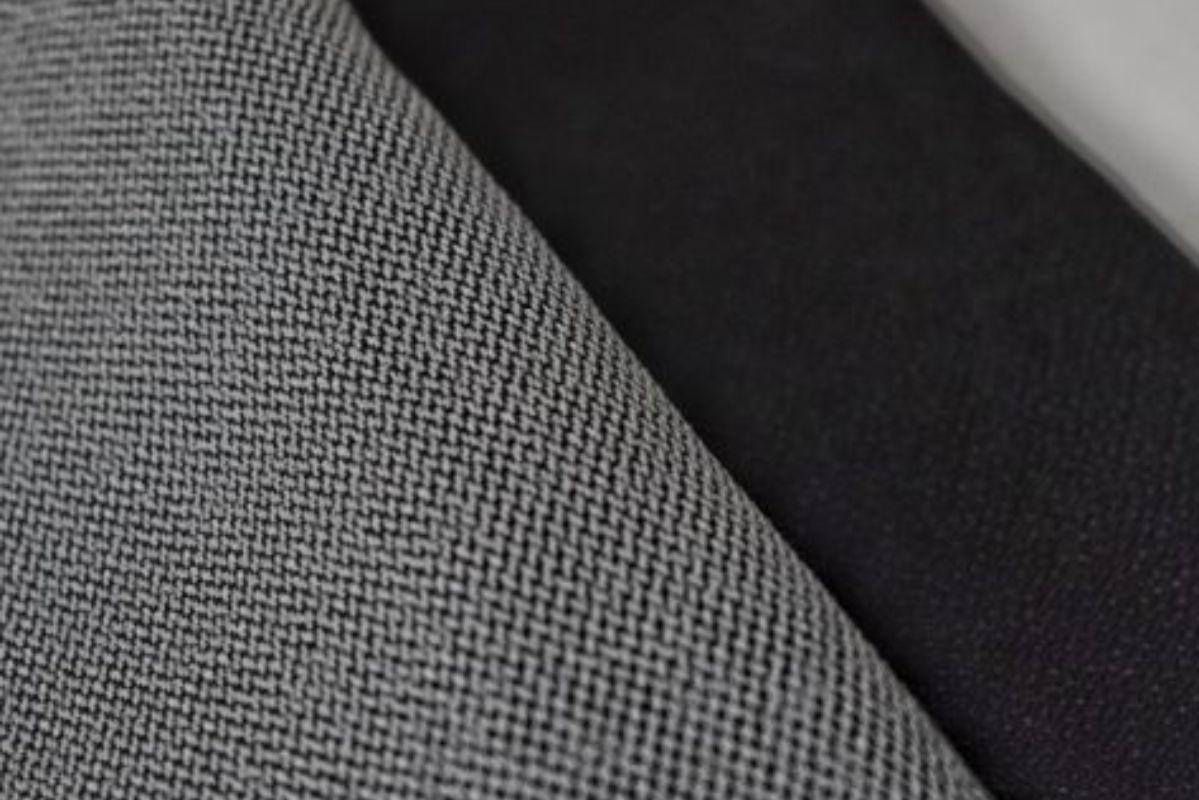
Woven interlining is made exactly like any other woven fabric. Threads run in two directions — warp (lengthwise) and weft (crosswise) — interlocked in a precise pattern on a loom. That interlocking structure is what gives woven interlining its defining properties: a grain direction, dimensional stability, and tensile strength that comes from the thread construction itself.

The material is 100% polyester. The result is a fabric that behaves like a textile — it has a face and a back, it has a grain that you can feel when you pull it, and it responds to stress the way a woven fabric should. It resists stretching along the grain and holds its position after fusing, through tailoring, through wear, and through repeated dry cleaning.

How non-woven interlining is made

Non woven fusible interlining is made without weaving. Instead, polyester fibres — pure or blended — are laid out and bonded together through thermal bonding, chemical bonding, or mechanical bonding. There are no threads. There is no interlocking structure. The fibres are simply held together in a flat sheet.

The result is a fabric with no grain direction. Pull it in any direction and it responds the same way — soft, slightly flexible, uniform. This is what makes it feel different from woven in your hands, and what makes it behave so differently inside a garment.

The adhesive coating — how both become fusible

Both types carry a heat-activated adhesive on one side — this is what makes them fusible. When you place either type of adhesive-side down on the wrong side of your outer fabric and apply heat and pressure, the adhesive melts and bonds the interlining permanently to the fabric.

The coating type differs:

  • Woven interlining uses PA (Polyamide) double-dot coating — faster fusing, stronger bond, suited to heavy production
  • Non woven interlining fabric uses PES (Polyester) paste dot and double dot coating — effective for lighter applications, softer bond

Both are OEKO-TEX Standard 100 certified. Both bond with heat under a fusing press. But the base fabric construction underneath determines everything about how they perform once fused.

How They Perform — Strength, Drape, and Stability 

This is where the real difference shows up — not on the roll, but inside the finished garment.

Dimensional stability

Woven interlining maintains its shape after fusing because its interlocked threads resist stretching and distortion. Non-woven interlining is more flexible and stretches slightly in all directions, making it suitable for smaller garment parts but less effective for structured panels.

Strength and tear resistance

Woven interlining offers superior tear resistance, as its woven structure distributes stress evenly. Non-woven interlining is less resistant to concentrated stress, which is acceptable for collars and cuffs but not ideal for large structural areas.

Drape and hand feel after fusing

Woven interlining creates a firmer, more structured feel that helps garments hold their shape. Non-woven interlining produces a softer, more flexible drape that moves naturally with the body.

Elasticity

Non-woven interlining provides greater stretch and flexibility, making it comfortable for garment parts that require movement. Woven interlining has minimal elasticity, helping tailored garments maintain their intended structure.

Wash and dry clean stability

Both interlinings perform well during washing and dry cleaning. Woven interlining retains its structure through repeated cleaning cycles, while non-woven interlining remains dimensionally stable and reliable for regularly washed garments such as shirts.

Performance summary:

PropertyWoven InterliningNon-Woven Interlining
Dimensional stabilityHigh — resists stretchingLower — flexible in all directions
Tear resistanceHigh — interlocked threadsLower — bonded fibres
Drape after fusingStructured, firm, definedSoft, flexible, draped
ElasticityLow — holds its positionGood — moves with the body
Wash stabilityExcellentGood
Grain directionYes — warp and weftNo grain direction
Best applicationHeavy structured garmentsLight reinforcement, small parts

Full Spec Comparison — Verified From the Product 

Here are the confirmed specifications for both Double Ghoda products — so you know exactly what you are ordering and what to expect on the production floor.

Woven Fusible Interlining:

SpecificationDetails
Material100% Polyester
GSM Range22 – 150 GSM
Width150 cm
ColoursWhite, Black, Grey
CoatingPA Double-Dot
Fusing temperature125°C – 145°C
Fusing pressure1.5 – 2.5 kg/cm²
Fusing time18 – 25 seconds
CareWash at 40°C / Dry clean
Packing50 metres per roll, 6 rolls per bale
CertificationOEKO-TEX Standard 100

Non-Woven Fusible Interlining:

SpecificationDetails
Material100% Polyester
GSM Range30 – 82 GSM
Width100 cm (40 inch)
ColoursWhite, Black, Charcoal
CoatingPaste Dot & Double Dot
AdhesivePES
Fusing — Flat-bed press130°C – 150°C, 0.8–2.0 kg/cm², 12–16 sec
Fusing — Continual press125°C – 140°C, 1.0–2.0 kg/cm², 12–18 sec
CareWash at 40°C / Dry clean
Packing100 yards per roll, 6 rolls per bale
CertificationOEKO-TEX Standard 100

Four spec differences that matter most for production:

GSM ceiling is very different Woven goes from 22 GSM to 150 GSM — the full range from light collar interlining to heavy sherwani body fusing. Non-woven tops out at 82 GSM. If your garment needs 100 GSM or above — and most Indian ethnic formal wear does — non-woven is simply not an option.

Width affects your cutting efficiency Woven at 150 cm gives you significantly more usable width per metre when cutting large panels — suit fronts, sherwani bodies, full front fuse for blazers. Non woven interlining at 100 cm is well matched to the smaller parts it is designed for — collars, cuffs, plackets — where a narrower width is not a constraint.

Fusing parameters are different — confirm before you run production The temperature, pressure, and dwell time for each type are different. Running non-woven at woven parameters — or vice versa — causes poor bonding, fabric distortion, or surface damage. Always confirm which product you are fusing and use the correct parameters for that specific type. Roll length differs Woven comes in 50-metre rolls. Non-woven comes in 100-yard (approximately 91-metre) rolls. Plan your cutting schedules and order quantities around these roll lengths — they affect how you plan your cutting room and how often you change rolls on the production line.

Which Garment Parts Need Which Type

This is the decision that production quality actually depends on. Here is the clear breakdown by garment part:

Use Woven Interlining For:

  • Safari suits and structured Indo-Western jackets (80–100 GSM): Delivers the right balance of support and drape for tailored silhouettes.
  • Sherwani and achkan fronts (120–150 GSM): Provides the strength and stability needed to support heavy fabrics and maintain shape throughout wear.
  • Bandhgala and Nehru jacket chest panels and lapels (100–140 GSM): Ensures a clean front fall and helps lapels retain their structure.
  • Formal blazers and suit jackets (80–130 GSM): Ideal for chest pieces, front panels, and lapels where shape retention is essential.

Use Non-Woven Interlining For:

  • Pockets, facings, and waistbands: A cost-effective solution for reinforcing smaller garment components.
  • Shirt collars and collar stands (45–65 GSM): Adds crispness while remaining comfortable and flexible.
  • Shirt cuffs (45–60 GSM): Provides shape and buttonhole support without restricting movement.
  • Shirt plackets (30–45 GSM): Offers light reinforcement to keep the button line neat and flat.
  • Women’s wear and lightweight structured garments: Maintains softness, drape, and comfort while adding gentle support.

The rule that covers most decisions:

If the garment part needs to hold a defined shape through extended wear against a heavy outer fabric — woven. If it needs light reinforcement with softness and flexibility — non-woven.

button coat

Making the Final Call for Your Production

By now you have the information to make the right call for each part of every garment in your production. But here are a few practical points that experienced buyers factor in before placing an order:

Most production units need both types of interlining

If you are making structured garments such as sherwanis, bandhgalas, and blazers typically require woven interlining, while collars, cuffs, plackets, and smaller garment components perform best with non-woven interlining. The two are complementary, not interchangeable.

Test before ordering in bulk — for both types

Fusing results can vary depending on the fabric, machine settings, and production environment. Test a sample first to evaluate bond strength, appearance, and drape before approving a full production run.

GSM matching is as important as type selection

Choosing the correct GSM is critical. Lighter GSMs are ideal for soft reinforcement, while heavier GSMs provide greater structure and support. An incorrect GSM can affect garment comfort, appearance, and durability, regardless of whether you choose woven or non-woven.

Sourcing both from one supplier simplifies everything

Procuring both woven and non-woven interlining fabric from a single supplier helps maintain consistency, simplifies inventory management, and reduces quality variations across production batches.

Our non woven interlining fabric starts from 30 GSM for the lightest applications and goes up to 82 GSM for medium structured garments. Our woven fusible interlining covers 22–150 GSM for the full range of Indian garment manufacturing requirements.

We supply both woven and non-woven fusible interlining in bulk across India — woven from 22–150 GSM, non-woven from 30–82 GSM, both OEKO-TEX Standard 100 certified, MOQ 1,000 metres per SKU.

If you are still unsure which type or GSM fits a specific garment in your current production, reach out with your outer fabric details and garment type — we will give you a clear recommendation before you place your order.

Link of related Articles

shweta-textile-designer
 
Shweta, a textile designer with a keen eye and deep knowledge of fabrics, translates her passion into unique designs. She loves to share her expertise and ignite a love for textiles in others. Dive into the world of fabrics with Shweta!