Categories
Fusible Interlining Interlining

How Fusible Interlining Enhances Garment Durability and Shape

If you manufacture suits, blazers or sherwanis, you already know the finished garment is only as good as what’s inside it. The outer fabric gets the attention, but the layer underneath, the fusible interlining, is what decides whether your garment holds its shape after the first wear or after the fiftieth.

At Double Ghoda, we supply fusing cloth and fusible interlining to garment factories across Surat and North India every day. In this article, we’ll walk you through exactly how interlining fabric improves durability and structure, and how to choose the right one for your production line, whether you’re fusing sherwani panels, blazer chests or shirt collars.

Table of Contents

  1. What Fusible Interlining Actually Does to a Garment
  2. How Fusible Interlining Improves Garment Durability
  3. Fusing Cloth, Body Fusing, Interlining Fabric — Are They the Same?
  4. Choosing the Right GSM for Shape and Structure
  5. Why PA Double-Dot Coating Matters for Bonding Strength
  6. How to Choose a Fusible Interlining Supplier You Can Rely On

What Fusible Interlining Actually Does to a Garment

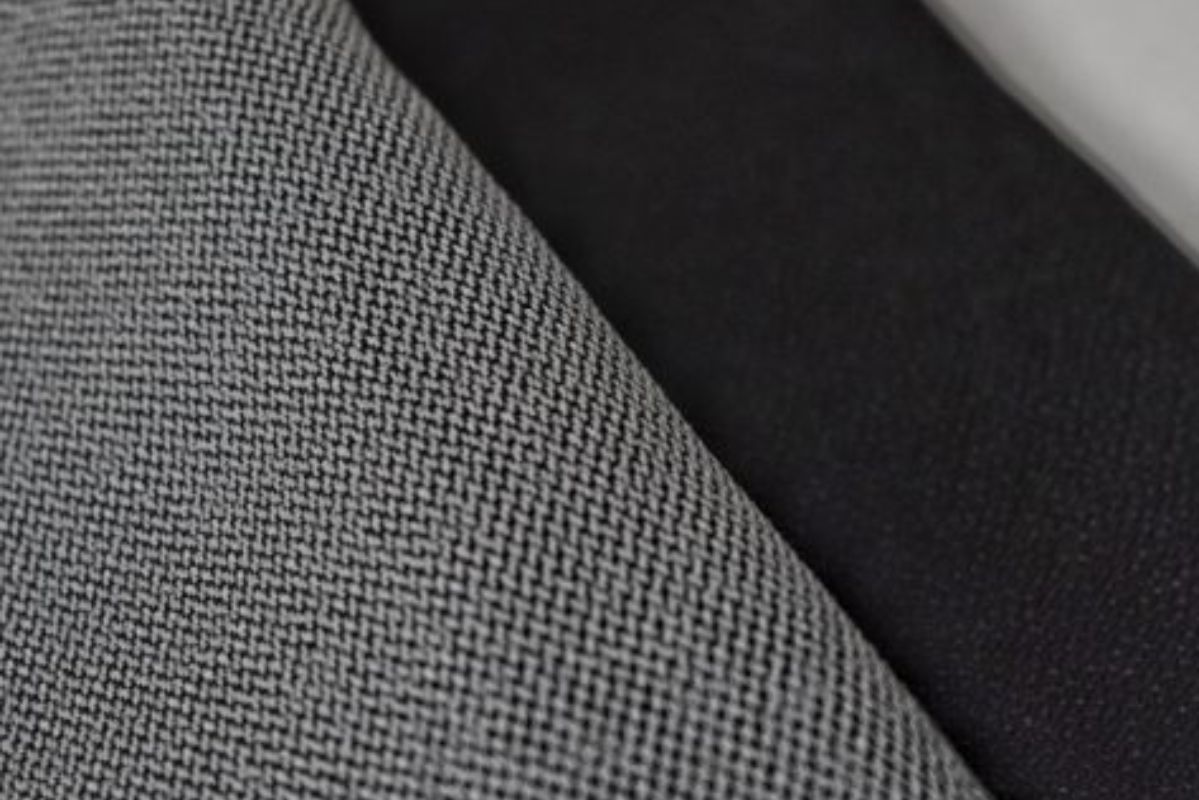
Fusible interlining is a base fabric, woven or non-woven, coated on one side with a thermoplastic adhesive. When you press it against your fashion fabric with heat and pressure, that adhesive melts and bonds the two layers together permanently.

You won’t see this layer in the finished garment. But you’ll feel its absence immediately if it’s missing or poorly matched. Without proper interlining fabric, a suit front collapses, a sherwani collar loses its crispness, and a blazer lapel folds instead of rolling cleanly.

Here’s what interlining does for you on the production floor:

  • Gives structure to suit fronts, sherwani panels, blazer chests and collars
  • Prevents the outer fabric from stretching, sagging or losing shape over time
  • Adds a firmness that tailors and buyers can feel, the difference between a garment that looks “off the rack” and one that looks tailored
  • Improves how the fashion fabric drapes and moves once it’s on the body

For anyone sourcing at scale, this isn’t a minor add-on. It’s a structural decision that affects every unit you produce.

Think about what happens on your cutting table when the wrong support fabric goes in. A collar without proper interlining folds unevenly under the presser foot. A blazer front without body fusing looks limp on the hanger, no matter how good the outer fabric is. Your tailors end up compensating with extra stitching or extra pressing time, and that eats into your production schedule. Getting the interlining right at the sourcing stage saves you that rework further down the line.

It’s also worth remembering that this layer works alongside your lining fabric and your accessories, shoulder pads, chest pieces, sleeve heads, to build the complete internal structure of a formal garment. Interlining gives the shape; the rest of the internal components hold that shape in place. When all of these are matched correctly, the finished suit or sherwani looks and feels the way a buyer expects it to.

How Fusible Interlining Improves Garment Durability

Shape is only half the story. The other half is how long that shape lasts, through wear, through movement, and through dry cleaning cycles that heavy ethnic formal wear routinely goes through.

Here’s how the right fusible interlining directly improves durability:

  • Resists distortion through repeated wear. A well-bonded interlining keeps the outer fabric from stretching out of shape at stress points, shoulders, chest, collar edges.
  • Withstands dry cleaning. Sherwanis, blazers and suits are dry-cleaned repeatedly. A weak bond means the interlining separates or bubbles after a few cleans. A strong fuse holds through the garment’s full lifespan.
  • Prevents delamination. When adhesive coverage is inconsistent, you get peeling or bubbling at the seams over time. This is one of the most common complaints factories have with low-quality fusing cloth.
  • Reduces production rejects. Consistent GSM and bonding strength mean fewer garments failing quality checks after fusing, which saves both fabric and labour cost.
  • Maintains a consistent hand-feel batch after batch. If your interlining fabric varies from roll to roll, your finished garments will vary too, and that inconsistency shows up in customer returns.

This is exactly why we build every roll of Double Ghoda woven interlining with PA double-dot coating and controlled GSM, because durability isn’t something you can fix after the garment is stitched. It has to be built in at the fusing stage.

There’s also a cost angle here that’s easy to overlook. A garment that comes back with a bubbled collar or a sagging front panel after a customer’s first dry clean isn’t just a reputation problem, it’s a direct cost in returns, replacements and damaged trust with your buyer. Factories that standardise on a reliable fusing cloth see far fewer of these complaints, which is why experienced buyers treat interlining quality as seriously as they treat the outer fabric itself.

Fusing

Fusing Cloth, Body Fusing, Interlining Fabric — Are They the Same?

If you’re sourcing across Surat, Ludhiana or Delhi, you’ve probably heard your supplier, your tailor and your factory floor use three or four different names for the same product. This confuses a lot of first-time buyers, so let’s clear it up.

  • Fusing cloth — the term most commonly used on the ground in Surat and Gujarat’s garment trade.
  • Body fusing — refers specifically to the heavier woven grades (100 GSM and above) applied across the full front body of a suit or sherwani.
  • Fusible interlining — the technical, trade-standard term used across India and international markets.
  • Suit fusing / interlining fabric — variations of the same product, used interchangeably depending on region and buyer.

Whatever your team calls it, the product is the same: a woven or non-woven base coated with adhesive, designed to bond permanently to your fashion fabric. At Double Ghoda, we stock the full range regardless of which name you use to order, 111 quality, suit fusing, body fusing or fusible interlining, we know exactly what you mean.

This naming overlap causes real confusion when factories are sourcing from multiple suppliers or onboarding a new procurement team. A buyer in Ludhiana might ask for “suit fusing” while their counterpart in Surat asks for the same product by its GSM and calls it “111 quality.” Neither is wrong, it’s simply how the trade language has evolved regionally. A supplier who understands all these names, and who can match them to the correct GSM and coating spec without back-and-forth, saves you time on every order.

Choosing the Right GSM for Shape and Structure

GSM (grams per square metre) is the single most important spec when you’re sourcing fusing cloth. Get it wrong, and your garment ends up either under-structured or stiff as cardboard, neither is acceptable for a finished product headed to a wholesaler or a brand.

Here’s a quick reference for Indian ethnic and formal wear:

GSM RangeBest For
30–60 GSMCollars, cuffs, plackets, shirts, light ethnic wear
80–100 GSMStandard blazers, structured suits
100–130 GSMPremium suits, bandgala jackets, heavier formal wear
140 GSM (111 quality)Full-front sherwani fusing, India’s top-selling grade
150 GSMHeavily embroidered sherwanis, maximum structure

International markets generally use lighter weight fusing. Indian buyers, especially in Surat, consistently prefer 100+ GSM because ethnic formal wear demands more rigidity and a fuller silhouette. If you’re manufacturing sherwanis, our 140 GSM 111 quality is the grade the trade already recognises by name, no need to explain the spec twice to your tailoring team.

It helps to think of GSM selection as a balance rather than a fixed rule. Too light, and your sherwani front won’t hold its silhouette through a full day of wear. Too heavy, and the garment feels stiff and uncomfortable, which shows up in customer feedback just as fast as under-structuring does. That’s why factories producing across multiple garment types, suits, blazers and heavier ethnic wear, usually keep two or three GSM grades in stock rather than standardising on just one. It gives your production team the flexibility to match the interlining to the fashion fabric and the garment style, rather than forcing every panel through the same spec.

fusible

Why PA Double-Dot Coating Matters for Bonding Strength

Once you’ve picked the right GSM, the coating is what actually determines how well your interlining performs on the fusing table.

PA stands for polyamide, the adhesive used on woven fusible interlining. Double-dot means the adhesive is applied in two staggered rows instead of one, which increases the surface area of contact between the interlining and your fashion fabric.

What this means for you in production:

  • Faster fusing — the adhesive activates more completely at the same press time
  • Stronger bonds — more contact area means a more even fuse across the panel
  • Better resistance to delamination — critical for garments that go through repeated dry cleaning

Single-dot or paste-dot alternatives can look similar on the roll, but they don’t hold up the same way after a few wears and cleans. This is one of the details experienced buyers check for before they commit to a supplier, and it’s exactly why PA double-dot is our standard on every woven roll, not an upgrade you pay extra for.

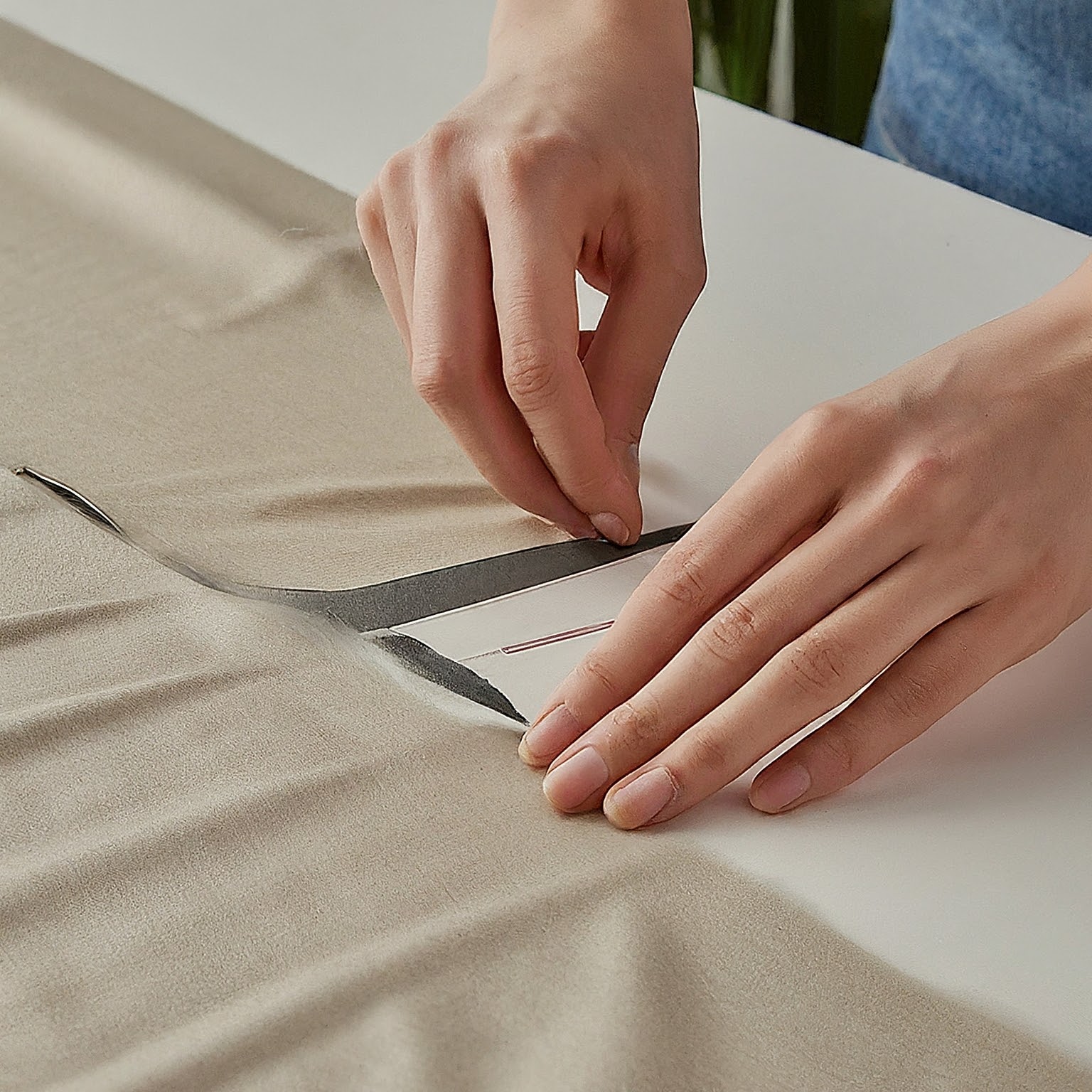
If you want to check coating quality on the factory floor, run a simple fuse test before committing to a bulk order: press a sample panel at spec, 125–145°C for woven interlining, 18–25 seconds, moderate pressure, then let it cool fully and try to peel a corner by hand. A properly coated fusing cloth won’t lift cleanly; the bond should feel permanent, not tacky. This one check tells you more about long-term durability than looking at the roll alone ever will.

How to Choose a Fusible Interlining Supplier You Can Rely On

Your interlining supplier affects far more than your per-metre cost. It affects your rejects, your reorders, and how consistent your garments look season after season. Here’s what to check before you commit to a bulk order:

  • Accurate metres on every roll. Short metres are a common, and costly, problem in this trade. Ask for verified roll lengths before dispatch.
  • Batch-to-batch consistency. Your reorders should match your first order in GSM, hand-feel and shrinkage. If they don’t, your production line pays for it.
  • The right GSM range for ethnic wear. Many generic suppliers don’t stock 100–150 GSM consistently. If you’re in Surat producing sherwanis and blazers, this range should be your supplier’s core stock, not a special request.
  • PA double-dot coating as standard, not an optional upgrade.
  • Fast dispatch to your city. Surat, Ludhiana, Delhi, Chandigarh and Kolkata all have different lead times depending on where your supplier holds stock.

At Double Ghoda, we’ve supplied woven and non-woven fusible interlining, polyester lining and garment accessories to factories across Gujarat and North India for over a decade. We hold ready stock of our flagship 111 quality and our full GSM range at our Bhiwandi warehouse, so your orders move fast, accurate meters, consistent quality, every single roll.

If your production line needs fusing cloth that holds its shape and its bond, get in touch with us on WhatsApp or through our enquiry form. Tell us your GSM, colour and quantity, and we’ll quote you within the hour.

Link of related Articles

shweta-textile-designer
 
Shweta, a textile designer with a keen eye and deep knowledge of fabrics, translates her passion into unique designs. She loves to share her expertise and ignite a love for textiles in others. Dive into the world of fabrics with Shweta!

Categories
Fusible Interlining Interlining

What Is the Difference Between Fusing Cloth and Interlining Fabric?

If you’ve been sourcing for a while, you’ve probably heard your supplier, your tailor, and your factory floor use different words for what looks like the same roll of material. One calls it fusing cloth. Another calls it interlining fabric. Someone else says body fusing. Are you buying three different products, or one product with three names?

We get this question from suit manufacturers, sherwani factories, and formal wear wholesalers often. So let’s clear it up, what each term actually means, where the real technical differences lie, and how you can pick the right one for your production.

Table of Contents

  1. Understanding Fusing Cloth vs Interlining Fabric
  2. How Fusible Interlining Supports Garment Structure
  3. Body Fusing: The Specific Term You’ll Hear in Surat
  4. Fusing Cloth vs Interlining Fabric: Which Term Should You Use When Ordering?
  5. Which GSM Should You Choose for Your Product?
  6. Why Manufacturers Choose Double Ghoda for This Material

1. Understanding Fusing Cloth vs Interlining Fabric

Short answer: yes, mostly. Fusing cloth and interlining fabric refer to the same category of product, a base material that gets bonded to your outer fabric to give it shape. The difference between the two names comes down to regional trade language, not chemistry.

Here’s how you’ll hear it used on the ground:

  • The word “fusing” is the term you’ll hear most often in Surat and across Gujarat’s garment trade
  • “Interlining” is the broader, more formal word used in trade documents, technical specs, and international sourcing conversations
  • Suit fusing is a variant used specifically when talking about suit body construction
  • Body fusing is a term we’ll unpack in detail below

So when your supplier asks which one you need, you’re not choosing between two different products. You’re working across two versions of the same trade vocabulary. At Double Ghoda, we stock the same product range regardless of which name you use to ask for it. Tell us what you’re making, and we’ll tell you what to call it and what GSM you need.

This distinction matters more than it sounds. If you’re comparing quotes from different suppliers and one uses one name while another uses the other, don’t assume they’re quoting different products. Always confirm GSM, construction (woven or non-woven), and coating type before you compare price.

2. How Fusible Interlining Supports Garment Structure

Before you decide what to buy, it helps to understand what this material is actually for.

Fusible interlining is a base fabric, woven or non-woven, coated on one side with a thermoplastic adhesive. When you press it against your fashion fabric with heat and pressure, that adhesive melts and bonds the two layers together permanently. You never see it in the finished garment. It sits invisibly between your outer fabric and your lining, doing one job: giving the garment structure.

Here’s what it delivers when you use the right grade:

  • Shape retention — your suit front, collar, or cuff holds its silhouette through wear, not just off the hanger
  • Faster construction — fusing takes 18–25 seconds under a press, compared to hand-stitching sew-in interlining
  • Dry-clean durability — the bond has to survive repeated cleaning cycles without bubbling or lifting
  • Consistency — every panel across a production run needs to feel and behave the same way

This is also where sourcing mistakes happen. Use too light a GSM, and your sherwani front collapses after the first wash. Use too heavy a GSM, and a lightweight kurta ends up stiff and board-like. Getting this right is most of what your interlining material decision comes down to.

The coating matters just as much as the base fabric. We use PA double-dot coating across our woven range, which fuses faster and holds a stronger bond than single-dot alternatives, useful when your press timing is fixed and you can’t afford a weak bond on a heavy panel.

Fusing

3. Body Fusing: The Specific Term You’ll Hear in Surat

Now let’s talk about the term that causes the most confusion, since it’s not just a casual synonym, it has a precise meaning in the trade.

Body fusing refers to the heavier woven grades, typically 100–150 GSM, applied across the full front body of a suit, sherwani, or blazer. It’s not the light interlining you’d use on a collar or placket. It’s the structural layer that shapes the entire chest and front panel of a heavy formal garment.

If you’re manufacturing sherwanis at scale, this term comes up constantly, because full-front construction is where most of your fabric cost and structure decisions live. Our flagship 140 GSM woven grade, known across the trade simply as 111 quality, is the most recognised heavy fusing grade for sherwani manufacturers in Surat and North India. Buyers ask for it by name, and we know exactly what that means.

A quick way to remember the distinction:

  • Heavy full-front fusing means the 100–150 GSM range used for suit, blazer, and sherwani bodies
  • Collar interlining and cuff support means a lighter grade for smaller parts, usually 30–80 GSM and often non-woven

4. Fusing Cloth vs Interlining Fabric: Which Term Should You Use When Ordering?

This is the practical question behind everything above. When you’re placing an order, does it matter which name you use? Mostly, no, but a few small habits will make your sourcing conversations faster and reduce back-and-forth with your supplier.

Use “fusing cloth” or “fusing” when:

  • You’re speaking with a Surat-based supplier, tailor, or trade contact
  • You’re referring to a specific quality by trade name, such as 111 quality
  • You want a quick, informal quote over a call or WhatsApp message

Use “interlining fabric” or “interlining” when:

  • You’re documenting a purchase order, spec sheet, or export paperwork
  • You’re speaking with a buyer or brand outside Gujarat who may not use local trade terms
  • You’re comparing technical specs like GSM, coating type, and construction across suppliers

What actually matters more than the name you use:

  • GSM — this decides how much structure the garment gets
  • Construction type — woven for structural body panels, non-woven for lighter parts like collars and cuffs
  • Coating — PA double-dot bonds faster and holds stronger than basic single-dot coatings
  • Roll length and MOQ — confirm this upfront so your production planning isn’t disrupted mid-run

If you tell us the garment, the fabric weight, and the quantity, we’ll tell you the right grade and the correct name for your paperwork. You don’t need to get the terminology exactly right before you call us. That part is our job.

Fusing

5. Which GSM Should You Choose for Your Product?

GSM (grams per square metre) is the single most important spec when you’re sourcing this kind of interlining material. Get this wrong, and no coating or construction detail will save the finished garment. Here’s a quick reference:

  • 30–60 GSM — light woven or non-woven, for collars, cuffs, and lightweight garments
  • 80 GSM — standard blazer body fusing
  • 100–120 GSM — structured suits and premium blazers
  • 130–150 GSM — heavy ethnic formal wear, bandgala, achkan, and sherwani full-front construction
  • 140 GSM (111 quality) — the industry-standard grade specifically for sherwani

A related choice is woven versus non-woven. Woven interlining is a true woven fabric, made from yarns interlaced in both directions, with higher tensile and tear strength. It’s what you want for structural areas, suit fronts, blazer bodies, sherwani panels, anywhere the garment needs to hold its shape under regular wear. Non-woven interlining is made from bonded fibres rather than woven yarns. It costs less, comes in a lighter GSM range (usually 30–80 GSM), and works well for collars, cuffs, plackets, and pockets, where you need light support rather than structure.

Most factories we work with order both in the same production cycle: woven for the body, non-woven for the smaller construction points, including coat interlining details on heavier jackets. Some buyers also use the older term “fusible interfacing” for the same category of product, again, same idea, different corner of the trade.

If you’re not sure which grade fits your product, tell us what you’re constructing and we’ll match you to the right GSM. This is one of the most common conversations we have with new factories, especially those still working with a fixed idea of what “types of fusing” their old supplier offered.

6. Why Manufacturers Choose Double Ghoda for This Material

We’re a family-run import and wholesale business supplying India’s garment manufacturing trade for over 10 years, with a focus on formal wear and ethnic wear factories. We don’t sell to retail buyers, and we don’t handle single-meter orders. Our business is built around consistent, bulk supply to people who make garments for a living.

Here’s what you get when you order from us:

  • Accurate metres on every roll, measured and verified before dispatch, so you’re not losing production time to short rolls
  • PA double-dot coating as standard, not an upgrade, on every woven grade we supply
  • Batch-to-batch consistency, so the GSM, hand-feel, and shrinkage stay the same every time you reorder
  • A full 30–150 GSM range, including the 100+ GSM grades many suppliers don’t stock reliably
  • OEKO-TEX® Standard 100 certification, relevant if you’re exporting or working with export-focused brands
  • Ready stock in our Bhiwandi warehouse, with dispatch to Surat, Delhi, Ludhiana, Kolkata, Chandigarh, Amritsar, and Chhattisgarh

Beyond fusible interlining, we also supply polyester lining in satin, satin dobby, jacquard, and taffeta, plastic buttons in 24 and 32 ligne across 50-plus colours, and garment accessories including shoulder pads, chest piece, sleeve head, reversible hem tape, undercollar felt, and foam lappa. Most of our repeat buyers order more than one of these together, since a single sherwani or blazer run typically needs fusing, lining, and buttons at the same time.

Whatever your factory calls it, fusing cloth, body fusing, or interlining fabric, the product you need is the same, and we stock the complete range under one roof. Our minimum order is 1,000 metres, and we work exclusively with garment factories, wholesalers, and brands.

If you’d like a quote or want help picking the right grade for your next production run, WhatsApp us with your quantity, colour, and city, and we’ll get back to you within the hour.

Link of related Articles

shweta-textile-designer
 
Shweta, a textile designer with a keen eye and deep knowledge of fabrics, translates her passion into unique designs. She loves to share her expertise and ignite a love for textiles in others. Dive into the world of fabrics with Shweta!

Categories
Woven Interlinings

What Is 111 Quality?

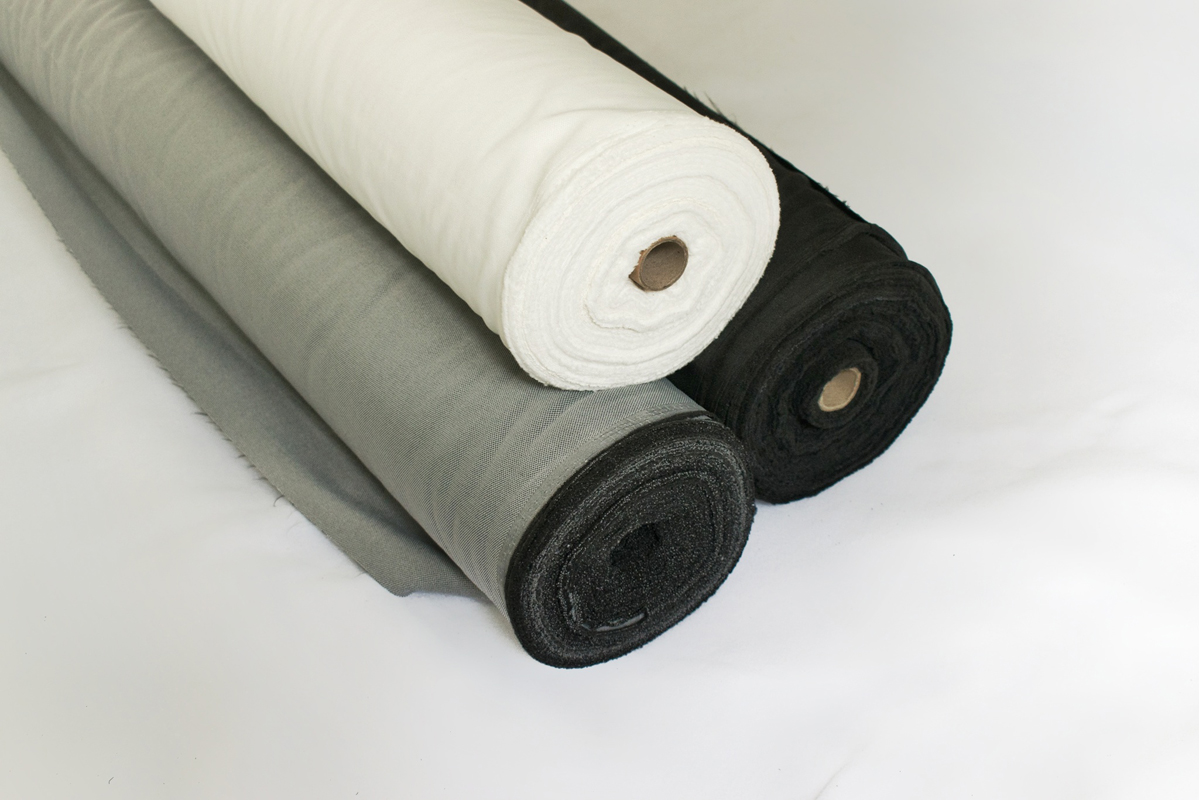
If you have been sourcing interlining for sherwani or suit production in India, you have heard the number. “Give me 111 quality.” No GSM mentioned. No specification sheet needed. Just that number, and both sides of the transaction know exactly what is being discussed, 140 GSM woven fusible interlining, PA double-dot coated, 50-metre rolls. 

At Double Ghoda, 111 quality is our most-ordered product. Buyers across Surat, Ludhiana, Delhi and Kolkata reach for it by name. But if you are newer to the market, or switching suppliers, or trying to understand whether it is the right specification for your production, this blog gives you the complete answer.

Table of Contents

  • What 111 Quality Actually Means
  • Why 140 GSM Became the Standard for Ethnic Formal Wear
  • Where 111 Quality Is Used, Garment by Garment
  • Full GSM Reference, Which Weight for Which Garment
  • How to Verify Quality Before You Order in Bulk
  • Ordering 111 Quality From Us
Woven Fusible Interlining

What 111 Quality Actually Means 

111 quality is a trade name, not a brand, not a certification, not a global standard. It is market shorthand that has developed over decades in India’s ethnic formal wear manufacturing cluster, particularly in Surat. When garment manufacturers and interlining suppliers use the term, they are referring to one specific specification:

  • 140 GSM — the fabric weight
  • Woven base construction — threads interlocked in two directions, not bonded fibres
  • PA double-dot coating — polyamide adhesive applied in a raised dot pattern
  • 50-metre rolls — standard packing for this product
  • 100% polyester — the base material
  • Available in white, black and grey — the standard colour options
  • 150 cm width — the standard width for cutting large front panels

That is the complete specification. When your production unit orders 111 quality from us, we supply exactly this, every time, with consistent quality across batches.

The name has survived because precision in trade communication has practical value. In a high-volume market where buyers and suppliers transact fast, a two-syllable reference that encodes an entire specification saves time and eliminates ambiguity. It also functions as a quality benchmark. Experienced manufacturers know what a properly fused 111 quality panel should feel like, structured, clean, consistent. If a roll does not perform to that standard, it is immediately recognisable.

Our woven fusible interlining carries OEKO-TEX Standard 100 certification, relevant if your production supplies garment brands or export markets that require certified inputs at every stage.

Why 140 GSM Became the Standard for Ethnic Formal Wear

To understand why 111 quality settled at 140 GSM, you need to understand what the outer fabrics in Indian ethnic formal wear demand from their interlining layer.

Sherwanis, bandhgalas, achkans and heavy occasion wear use outer fabrics that are significantly heavier than what Western formalwear uses. Brocade, raw silk, heavy polyester jacquard, embroidered surfaces, these carry weight. A light fusing cloth in the 40–80 GSM range, designed for shirts and lightweight jackets, simply disappears under that density. When you switch to the right weight, 111 quality fusing cloth at 140 GSM, the difference in your finished garment is immediate. It adds no meaningful structure. Your garment loses its front fall, its chest definition collapses, and the button stand goes soft.

140 GSM at woven construction holds because it matches the weight class of the outer fabric. It has enough density to resist the pull of heavy material without being overpowered by it.

Here is what 140 GSM delivers that lighter weights cannot:

  • Holds the front body panel flat against heavy outer fabric, maintaining chest definition across the full length of a sherwani
  • Keeps the button stand clean and consistent throughout the day
  • Prevents drape collapse at the shoulder-to-hem transition, a common failure point on lighter-fused ethnic wear
  • Maintains structure through professional dry-cleaning cycles, where lighter interlinings often delaminate or soften
  • Supports embroidered and embellished surfaces without buckling under the additional surface weight

Below 140 GSM, say 120 GSM, your sherwani holds its shape initially but softens after the first dry-clean. The heavy outer fabric slowly overpowers a lighter interlining layer over time. Above 140 GSM, towards 150 GSM, the garment gains rigidity but loses the natural fall that makes woven construction the right choice over a sew-in canvas. 140 GSM is the balance point, where structure and wearability hold together.

PA double-dot coating: why it matters for your production

The coating on our body fusing is PA (Polyamide) double-dot, adhesive applied in tiny raised dots across the interlining surface rather than as a continuous film. For your production floor, this means:

  • Faster fusing time under your press — more pieces per hour
  • Cleaner finish on the face fabric — no adhesive bleed-through to the visible surface
  • More uniform bond across the full front panel — reducing bubbling and lifting at stress points
  • Bond integrity through dry-cleaning — PA holds through solvent cleaning, critical for sherwanis and bandhgalas cleaned professionally

Verified fusing parameters for our 111 quality woven interlining:

ParameterSpecification
Temperature125°C – 145°C
Pressure1.5 – 2.5 kg/cm²
Time18 – 25 seconds
Care after fusingMachine wash at 40°C / Dry clean

Always run a sample fuse with your specific outer fabric at these settings before starting a full production run. Different outer fabrics, especially embroidered or coated surfaces, respond slightly differently under the press.

Woven Fusible Interlining

Where 111 Quality Is Used, Garment by Garment 

Our buyers use 111 quality across a consistent set of garment applications. Here is where it works, and why:

  • Sherwanis and achkans

The front body of a sherwani carries the silhouette of the entire garment. Getting the body fusing specification right here determines everything, front fall, chest definition, shape retention. It needs maximum body, dimensional stability, and resistance to the weight of heavy outer fabrics. 140 GSM woven construction holds that front fall through a full wedding day, standing, sitting, bending, without the panel shifting or softening. This is the single largest application for 111 quality in your production.

  • Bandhgalas and Nehru jackets

A bandhgala’s defining feature is its clean, structured front, a precise vertical line from the chest down. Your lapels need to lie flat, your button band needs to hold without curling, and your chest definition needs to stay consistent from the first fitting to the hundredth wear. 111 quality at 140 GSM delivers that. The button-band of a bandhgala in particular benefits from the rigidity that woven construction provides at this GSM.

  • Formal blazers and suit jackets

For any suit manufacturer application, whether Western cut, Indo-Western, or safari suit, the chest piece, front panel and lapels need woven construction. The 80–130 GSM range covers most blazer applications, but if your outer fabric is heavy, thick suiting fabric, heavy poly-wool blends, 140 GSM gives you the additional body that prevents the front panel from softening over time. Many interlining suit manufacturer buyers producing premium branded suits specify 111 quality as a standard input across their full jacket range.

  • Heavy ethnic occasion wear

For wedding sherwanis, ceremonial achkans, and heavy brocade occasion pieces, where the outer fabric is at its heaviest and the wearing occasion is at its longest, 111 quality is the correct and only practical specification. No lighter weight holds through a full wedding day under a heavy brocade outer fabric.

What 111 quality is not used for:

Lighter Indo-Western jackets and casual formal wear — 80–100 GSM woven covers these applications without over-specifying

Shirt collars and cuffs — these need non-woven in the 30–60 GSM range, which is softer and more flexible

Shirt plackets — lighter non-woven handles this application correctly

Full GSM Reference, Which Weight for Which Garment 

Our woven interlining range covers 22 GSM to 150 GSM — and the interlining fabric you choose from this range should directly match your outer fabric weight. Here is the practical reference our buyers use to match GSM to garment type:

GSM RangeRecommended Application
22–60 GSMCollar interlinings, cuffs, kurta fronts, lightweight applications
70–90 GSMLight blazers, summer suits, structured kurtas, medium-weight formal jackets
100–120 GSMMen’s suits, structured blazers, lighter sherwanis, polyester outer fabrics
130–140 GSM, 111 qualityHeavy sherwanis, bandhgalas, achkans, brocade outer garments, ceremonial ethnic formal wear
150 GSMMaximum structure, very heavy ceremonial wear

If your production runs primarily sherwanis and heavy ethnic formal wear, 111 quality at 140 GSM covers the majority of your interlining requirement. For lighter garments in the same production, collars, cuffs, lighter jacket fronts, you need non-woven in the 30–60 GSM range. We supply both, which means you can consolidate your full interlining sourcing with us.

A practical note on GSM selection:

Your interlining GSM should relate to the weight of your outer fabric. A general starting point: your interlining should be at least 60–70% of your outer fabric GSM as a baseline, then adjusted up or down based on the structure level you want. For heavy brocade sherwani fabric, this calculation will consistently land you at 130–140 GSM.

If you are currently using 100–120 GSM for your sherwani production and your garments are losing their front fall after the first dry-clean, the fix is straightforward, move to 111 quality. That single specification change will resolve the issue.

Woven Fusible Interlining

How to Verify Quality Before You Order in Bulk 

111 quality is a specification. Two rolls from different suppliers stating the same GSM can perform differently depending on base fabric consistency, coating quality, and roll-to-roll uniformity. Before you commit to a bulk order, whether with us or with any supplier, verify these four things:

  • Dot uniformity

Hold the interlining fabric up to a light source. The adhesive dots should be evenly distributed across the full width, consistent density, no bare patches, no clustering. Uneven dots produce an uneven bond, which means soft spots on your fused panel that only become visible when your garment comes back from dry-cleaning.

  • Peel strength

Fuse a test swatch at your standard press settings, 125–145°C, 1.5–2.5 kg/cm², 18–25 seconds. After cooling, attempt to peel the interlining from the outer fabric by hand. A properly bonded 140 GSM panel should resist clean separation. If it peels easily, the coating quality is substandard regardless of the stated GSM.

  • Roll length accuracy

Each roll should measure 50 metres. Short-measure rolls are a known issue in the interlining supply market, a roll 1–2 metres short on a 6-roll-per-bale order compounds into material loss across large orders. Measure the first few rolls of any new shipment from any supplier.

  • Dry-clean stability

Run one dry-clean cycle on a fused test piece before your production starts. Bond failure, delamination, bubbling, or panel softening, will show up here before it shows up on a finished garment returned from your customer. PA-coated 140 GSM should hold cleanly through the first cycle with no visible change.

Ordering 111 Quality From Us 

We supply 111 quality, 140 GSM fusible interlining, in bulk to garment manufacturers, production houses and wholesalers across India. If you are sourcing fusible interlining wholesale India for sherwani, bandhgala, blazer or suit production, here is what your order looks like with us:

  • GSM: 140 GSM (111 quality)
  • Material: 100% Polyester
  • Width: 150 cm
  • Colours: White, Black, Grey
  • Coating: PA Double-Dot
  • Packing: 50 metres per roll, 6 rolls per bale
  • MOQ: 1,000 metres per SKU
  • Certification: OEKO-TEX Standard 100
  • Supply cities: Surat, Ludhiana, Delhi, Kolkata, Chandigarh, Amritsar and across India

We supply wholesale only, no single-metre or retail orders.

If you are switching from a current supplier and want to test our 111 quality before committing to a bulk order, reach out to us directly. We can arrange a sample so you can fuse it against your outer fabric and verify the bond strength, surface finish and drape before you place your first order.

Link of related Articles

shweta-textile-designer
 
Shweta, a textile designer with a keen eye and deep knowledge of fabrics, translates her passion into unique designs. She loves to share her expertise and ignite a love for textiles in others. Dive into the world of fabrics with Shweta!

Categories
Fusible Interlining

Understanding Fusing Cloth: Structure, Performance, and Applications

When you are building garments that need structure, shape retention, and long-term durability, the material sitting between the outer fabric and the garment body often matters as much as the outer fabric itself. Most buyers focus on fabric quality, stitching, trims, and finishing. Yet the hidden layer responsible for maintaining shape after repeated wear is usually the deciding factor in how professional the finished garment looks.

At Double Ghoda, we have spent years supplying garment manufacturers across India, and one thing remains consistent: the right support layer improves not only the appearance of a garment but also its performance throughout its lifecycle. Whether you are producing formalwear, ethnic garments, jackets, uniforms, or structured apparel, understanding the fundamentals behind these materials helps you make better sourcing decisions and avoid costly production issues later.

A well-selected fusing cloth supports the outer fabric, improves shape retention, and contributes to the overall quality of the finished garment.

Table of Contents

  • Why Internal Garment Structure Matters
  • Understanding Construction Types
  • The Role of Coating Technology
  • How Weight Influences Performance
  • Common Production Challenges and Their Causes
  • Choosing the Right Specification for Your Application
fusing cloth

Why Internal Garment Structure Matters

When customers evaluate a garment, they rarely think about what is hidden inside it. Instead, they focus on how it looks, how it fits, and how well it maintains its appearance over time. What many buyers do not realize is that these qualities often depend on the reinforcement layer sitting beneath the outer fabric.

A garment’s visual appeal depends on more than design and tailoring. The way it holds its shape, supports seams, and maintains a clean silhouette throughout its lifespan is heavily influenced by the materials used inside its construction.

Without proper support, garments can begin losing their definition surprisingly quickly. Front panels may soften, collars can collapse, and structured areas may start to distort after regular wear. These issues often become noticeable after only a few cleaning cycles, even when premium outer fabrics are used.

This is where fusing cloth plays an important role. Its purpose is to provide stability while allowing the garment to remain comfortable and wearable. Rather than making a garment stiff, it helps preserve its intended shape and appearance.

The importance of internal structure becomes even more evident in garments such as:

  • Formal suits
  • Blazers
  • Uniforms
  • Bandhgalas
  • Jackets
  • Structured ethnic wear
  • Corporate apparel

In these categories, appearance is often linked directly to quality perception. A garment that maintains its shape communicates professionalism, craftsmanship, and durability.

At Double Ghoda, we often remind manufacturers that internal support is not simply an accessory. It is a critical component of garment engineering that influences performance from the day the garment is produced until the day it reaches the end of its lifecycle.

Understanding Construction Types

One of the first decisions you will face when sourcing support materials is choosing between woven and non-woven constructions. Although these materials may appear similar at first glance, their construction methods create significant differences in performance.

Non-woven materials are produced by bonding fibres together through mechanical, chemical, or thermal processes. They are widely used because they are cost-effective, lightweight, and easy to process. Woven materials, on the other hand, are created by interlacing warp and weft yarns on a loom. This creates a structured grid that provides improved stability and durability.

A woven interlining offers several advantages:

  • Better dimensional stability
  • Improved resistance to stretching
  • Greater durability
  • More natural drape
  • Better shape retention

Because woven constructions follow a grain direction similar to most garment fabrics, they tend to move more naturally with the garment itself.

This becomes especially valuable in garments where maintaining a consistent silhouette is important. Many manufacturers choose woven fusible interlining for applications requiring long-term performance because it provides a balance between structure and flexibility.

Another benefit of woven construction is its ability to withstand repeated cleaning and regular wear without significant distortion. This makes it a preferred option for structured garments that are expected to maintain a premium appearance over time. The choice between woven and non-woven construction should always be based on the garment’s requirements rather than simply its cost.

Understanding how construction influences performance allows manufacturers to make more informed sourcing decisions and achieve more consistent production results.

Woven Interlining

The Role of Coating Technology

Construction is only one part of the equation. The adhesive coating applied to the reinforcement layer plays an equally important role in determining overall performance.

The coating is responsible for creating the bond between the reinforcement material and the outer fabric. Whether you are working with an interlining fabric for shirts, jackets, uniforms, or structured formalwear, the quality of the adhesive system directly influences the final result.  Modern garment manufacturing relies on thermoplastic adhesive systems that activate under controlled heat, pressure, and time. Once activated, the adhesive creates a durable bond that allows the reinforcement layer to function as part of the garment structure.

The effectiveness of this bond influences:

  • Shape retention
  • Cleaning resistance
  • Garment durability
  • Production efficiency
  • Long-term appearance

A high-quality coating provides consistent adhesion across the entire garment panel. Poor coating quality, however, can create a range of production challenges.

Common coating-related issues include:

  • Bubbling
  • Delamination
  • Uneven bonding
  • Surface defects
  • Poor cleaning performance

The distribution of adhesive is particularly important. Uneven coating can create areas with excessive bonding and areas with insufficient bonding, resulting in inconsistent garment performance. At Double Ghoda, we encourage manufacturers to evaluate adhesive quality as carefully as they evaluate fabric construction. Many production issues that appear to be fabric problems are actually coating problems.

A reliable coating system improves not only product quality but also production consistency, helping manufacturers reduce rework and improve efficiency.

How Weight Influences Performance

Weight is one of the most misunderstood specifications in garment reinforcement materials.

A lighter option does not automatically mean greater comfort, just as a heavier option does not automatically mean better support. The correct selection depends entirely on the outer fabric and the garment’s intended use.

Lightweight constructions work well for collars, cuffs, lightweight shirts, and delicate fabrics. Medium-weight options are often selected for blazers, uniforms, and structured garments. Heavier specifications are chosen when the outer fabric itself carries substantial weight or requires significant shape retention.

This is why body fusing specifications vary considerably across different garment categories. A material that performs exceptionally well in a lightweight jacket may be completely unsuitable for a heavily structured garment.

The objective is always to match support levels to the requirements of the outer fabric rather than choosing the heaviest available option.

Fusing Cloth

Common Production Challenges and Their Causes

Many garment defects that appear during production or after sale can be traced back to reinforcement selection.

Some of the most common issues include:

  • Bubbling After Cleaning

Usually caused by insufficient bonding, inconsistent adhesive application, or incorrect fusing parameters.

  • Loss of Shape

Often the result of selecting a specification that lacks sufficient support for the outer material.

  • Visible Reinforcement Lines

Can occur when an excessively rigid material is paired with a lightweight face fabric.

  • Delamination

Typically caused by poor adhesive quality or improper fusing conditions.

  • Distortion and Panel Movement

Often linked to construction types that cannot maintain dimensional stability during wear.

Understanding these causes helps reduce reject rates, minimize returns, and improve overall garment quality.

Choosing the Right Specification for Your Application

There is no universal specification that works for every garment. The ideal choice depends on several factors:

  • Outer fabric weight
  • Garment category
  • Desired level of structure
  • Cleaning requirements
  • Production equipment
  • Customer expectations

When evaluating options, it is important to test samples under actual production conditions. A material that performs well during initial bonding should also be evaluated after wear simulation and cleaning tests.

At Double Ghoda, we encourage buyers to assess the complete performance cycle rather than making decisions based solely on price or weight. A slightly higher investment at the sourcing stage often prevents significantly higher costs associated with rework, quality complaints, and product returns.

The selection process should always begin with understanding the garment’s intended function. A lightweight shirt, a structured blazer, and a formal jacket all require different levels of support and stability. Choosing a specification that complements the outer fabric helps ensure the garment performs as intended throughout its lifespan.

For applications where shape retention, durability, and dimensional stability are priorities, many manufacturers prefer woven fusible interlining because it combines structural support with a natural drape. Its woven construction allows the garment to move more naturally while maintaining a clean silhouette, making it suitable for a wide range of structured apparel.

Before approving any material for bulk production, it is advisable to conduct bonding, cleaning, and wear-performance tests. These evaluations provide valuable insights into how the reinforcement will behave under real-world conditions, helping you make a more informed sourcing decision and reduce the risk of production issues later.

Final Thoughts

The hidden structural layer inside a garment may never be seen by the end customer, but its impact is visible every time the garment is worn. From shape retention and comfort to durability and appearance, selecting the right interlining fabric contributes directly to the quality of the finished product.

As garment expectations continue to rise, manufacturers increasingly rely on technically advanced solutions that combine stability, durability, and ease of processing. Whether you are sourcing materials for formalwear, uniforms, jackets, or ethnic garments, understanding how reinforcement materials function will help you achieve more consistent production results.

At Double Ghoda, we believe better garments begin with better materials. By understanding construction methods, adhesive technology, and application requirements, you can confidently select the right fusible interlining and woven interlining solutions for your production needs, ensuring garments continue to perform long after they leave the factory floor.

Link of related Articles

shweta-textile-designer
 
Shweta, a textile designer with a keen eye and deep knowledge of fabrics, translates her passion into unique designs. She loves to share her expertise and ignite a love for textiles in others. Dive into the world of fabrics with Shweta!

Categories
Woven Interlinings

Why Suit Manufacturers in India Prefer Heavy GSM Woven Interlining

If you have been in garment manufacturing for any length of time, you already know that the outer fabric gets all the attention. The buyer touches it, the tailor works with it, the customer sees it. But the interlining underneath is what actually determines whether the garment holds its shape — or doesn’t.

And in India, experienced suit manufacturers have a very clear preference when it comes to interlining. They go heavy. Every time.

This blog breaks down exactly why that preference exists, what GSM range works for which garment, and what to look for when you are sourcing woven interlining and fusing cloth for bulk production.

Table of Contents

  • What Heavy GSM Woven Interlining Actually Means
  • Why Indian Suit Manufacturing Needs Heavier Fusing Cloth
  • The Right GSM for Every Indian Formal Garment
  • PA Double-Dot Coating — What It Does for Your Production
  • How to Source Woven Fusible Interlining in Bulk in India
Woven Interlining

What Heavy GSM Woven Interlining Actually Means 

GSM stands for grams per square metre. It is the standard measure of how dense and heavy a fabric is — interlining included.

In the garment trade, interlining below 80 GSM is considered lightweight. It works well for collars, cuffs, shirt plackets, and lighter daily-wear garments. Anything from 100 GSM upwards moves into heavy territory — and that is exactly the range that interlining for suit manufacturers in India depends on.

Heavy GSM woven interlining gives your garment four things that lighter interlining simply cannot:

  • Body — the garment holds its silhouette without drooping or sagging at any point during the day
  • Structure — the chest, lapels, and front panel stay flat and sharply defined through wear
  • Stability — the outer fabric does not shift, stretch, or warp, even under the stress of a full day of use
  • Longevity — the garment retains its shape through repeated use, washing at 40°C, and dry cleaning

Now, “woven” is the other important word here. Woven fusible interlining is made from actual woven fabric — threads running in two directions, just like any woven textile. This gives it a grain, dimensional stability, and strength that non-woven interlining cannot match. Non-woven interlining is made by bonding fibres together without weaving. It is softer, more flexible, and works well for collars and cuffs — but it is not what you reach for when building the body of a sherwani or a structured blazer.

For structured Indian ethnic formal wear, the combination of heavy GSM and woven construction is what delivers consistent results across a production run. Our woven fusible interlining is available from 22 GSM to 150 GSM — covering everything from light collar interlining at the lower end, all the way to heavy sherwani body fusing at the top. The material is 100% polyester, 150 cm wide, available in white, black, and grey.

Why Indian Suit Manufacturing Needs Heavier Fusing Cloth 

Walk into any production unit in Surat, Ludhiana, or Delhi and you will notice something quickly — the fusing cloth being used is heavier than what most international buying guides or import catalogues recommend.

Most global interlining ranges are designed around Western suit manufacturing — lightweight wool blends, slim lapels, soft structured jackets. That market works comfortably at 60–80 GSM. Indian ethnic formal wear is an entirely different product category, and it needs interlining that reflects that.

Here is why Indian interlining for suit manufacturer consistently go heavier:

  • The outer fabrics are heavier

Indian ethnic formal wear — sherwanis, achkans, bandhgalas, heavy silk kurtas, brocade jackets — uses outer fabric that is far denser and heavier than the poly-wool used in most Western suits. When you put a light fusing cloth under a thick brocade or a heavy silk, it simply disappears. It adds no real structure. The interlining has to match the weight and density of the outer fabric to actually support it — otherwise you are fusing for the sake of fusing, not for the result.

  • The occasion is longer and more demanding

Western formal wear is typically worn for a few hours at a business event or evening function. Indian formal wear — a sherwani for a wedding, a bandhgala for a reception — is worn through ceremonies that run all day. Sometimes longer. The garment needs to look sharp from the baraat to the vidaai without wilting. Heavy GSM woven interlining gives that sustained structure through twelve or more hours of wear, sitting, standing, and everything in between.

  • The silhouette is very specific and unforgiving

A sherwani or bandhgala has a defined, structured front fall — a clean vertical line from the chest to the hem. If the interlining does not hold that line perfectly, the garment looks wrong immediately. Achieving that front fall consistently across a production run of fifty or five hundred pieces requires an interlining that holds without moving. Light body fusing cannot deliver that reliably at production scale. Experienced manufacturers know this and simply do not take the risk.

  • Woven construction adds dimensional stability

Because woven interlining has a grain — just like any woven textile — it resists stretching and distortion in a way that non-woven simply cannot. When you are producing structured ethnic formal wear, that dimensional stability matters. The interlining needs to stay exactly where it was fused — not shift, not stretch, not bubble — through every stage of tailoring and through every wash and dry clean the garment goes through over its life.

  • The climate factor is real

India’s heat and humidity are genuinely tough on garment construction. Lightweight interlining absorbs moisture and can lose its bond in humid conditions — especially if the fusing was not done at the right temperature or pressure. Woven fusible interlining with PA double-dot coating holds its bond through heat and humidity far better than lighter, non-woven alternatives. This is not a small factor in a country where wedding season often coincides with the most demanding weather.

Woven Interlining

The Right GSM for Every Indian Formal Garment 

One of the most common sourcing questions from suit manufacturers and production units is simple: what GSM should I be using for this garment?

The honest answer is that it depends on your outer fabric weight and the level of structure you want. But there is a practical reference that experienced buyers across Surat, Ludhiana, and Delhi have settled on through years of production:

Garment TypeRecommended GSMNotes
Sherwani / Achkan120 – 150 GSMMaximum body and front fall structure needed
Bandhgala / Nehru jacket100 – 140 GSMClean chest structure, defined lapel
Formal blazer100 – 130 GSMBalance of body and drape
Suit jacket (Western cut)80 – 120 GSMDepends on outer fabric weight
Safari suit80 – 100 GSMLighter structure acceptable
Collar and cuff interlining22 – 60 GSMLightweight non-woven or woven both work here

The most popular weight in the Surat market is 140 GSM — known widely in the trade as 111 quality. If you are sourcing woven fusible interlining specifically for sherwani production, this is the number experienced buyers reach for first. It gives the garment the body it needs without making it feel stiff or heavy on the wearer.

What happens when you use the wrong GSM

This is where production quality breaks down — and it happens more often than it should, especially when buyers switch suppliers or try to cut costs by going lighter.

Too light a GSM:

  • Lapels curl or fold inward instead of lying flat
  • The chest area loses its shape by early afternoon on a long wear day
  • The garment front looks soft and undefined — not sharp and structured
  • In humid conditions, the outer fabric can start to pucker or separate from the fusing over time
  • The front fall of a sherwani loses its clean vertical line

Too heavy a GSM:

  • The garment feels stiff and uncomfortable for the wearer
  • The fusing line risks becoming visible on the outer fabric surface — especially on lighter outer fabrics
  • The garment does not drape naturally — it looks rigid rather than structured
  • Fusing time per piece increases, slowing down the production line

Getting the GSM right is not a finishing detail you can correct later. It is a core production decision that affects how the finished garment looks, how long it holds its shape, and how efficiently your line runs. It is worth the time to test properly before committing to a full batch.

PA Double-Dot Coating — What It Does for Your Production 

Not all fusing cloth is made the same way. The coating method is what separates interlining that performs well at production scale from interlining that causes problems — bubbling, lifting, inconsistent bonding, slower fusing times.

Our woven fusible interlining uses PA (Polyamide) double-dot coating. For high-volume fusing operations, this matters more than most buyers realise until they have experienced the difference firsthand.

What PA coating means

PA stands for Polyamide — the adhesive resin applied to one side of the interlining. PA is the preferred coating for production-grade interlining because it bonds at lower temperatures than older coating types, holds stronger through washing and dry cleaning, and performs consistently across different outer fabrics. It is the industry standard for good reason.

What double-dot means

Instead of applying the adhesive as a continuous film across the interlining surface, double-dot coating applies it in tiny raised dots in a precise pattern. This sounds like a small technical detail but it has real, measurable effects on your production:

  • Faster fusing — the raised dots create more direct contact points between the adhesive and the outer fabric. Bonding happens faster under the press, which means more pieces per hour on your fusing machine
  • Cleaner finish — the gap between the dots allows the base fabric to breathe. The outer fabric does not go stiff or rigid after fusing, which preserves the natural drape and feel of the garment
  • Stronger, more uniform bond — adhesion is distributed evenly across the full surface rather than concentrated in patches. This reduces the risk of bubbling, lifting, or uneven bonding that causes rejects

Verified fusing parameters — confirmed from Double Ghoda product specifications:

ParameterSpecification
Temperature125°C – 145°C
Pressure1.5 – 2.5 kg/cm²
Time18 – 25 seconds
Care after fusingMachine wash at 40°C / Dry clean

These are the actual numbers from the product — not estimates. Always run a sample fuse with your specific outer fabric at these settings before starting a full production run. Every outer fabric responds slightly differently depending on its composition and weave, and a quick test saves a lot of expensive rejects.

OEKO-TEX Standard 100 certifiedOur woven fusible interlining carries OEKO-TEX Standard 100 certification. This is relevant if you supply finished garments to brands or export markets that require certified inputs at every stage of production. It confirms the interlining has been tested for harmful substances and meets international safety standards.

Woven Interlining

How to Source Woven Fusible Interlining in Bulk in India 

If you are placing a bulk order for fusible interlining wholesale India, knowing the product is only half the process. The other half is making sure your sourcing decision is sound — on specs, on quality consistency, and on practical production requirements.

Here is what to check before you commit to any bulk order:

  • Confirm the coating type before anything else

Always ask specifically for PA double-dot coating. Not all fusing cloth available in the Indian wholesale market uses it. Some suppliers stock single-dot or older PES (polyester) coated interlining — it looks similar on the roll but performs differently under the fusing press. Single-dot coating fuses slower and bonds less consistently at production temperatures, which shows up in your reject rate and your fusing machine output per shift.

  • Test with your actual outer fabric before ordering in bulk

A sample test is not optional — it is the most important step in the sourcing process. Take a metre of the interlining and fuse it with the exact outer fabric you are going to use, at the verified parameters: 125–145°C temperature, 1.5–2.5 kg/cm² pressure, 18–25 seconds dwell time. Then check three things — bond strength (try to peel the layers apart), surface finish (look for any strike-through or stiffness on the outer fabric face), and drape (does the fused panel fall the way you expect?). Only proceed to a full order once the sample passes your production standard.

  • Verify roll length and packing before ordering

Our woven fusible interlining comes in 50-metre rolls, packed 6 rolls per bale. Accurate metres per roll matter significantly on the production floor. Short rolls create planning problems, disrupt cutting schedules, and lead to billing disputes with suppliers. Confirm that your supplier guarantees accurate metres — and holds to it consistently across repeat orders, not just the first one.

  • Know your MOQ and plan your order timing

The minimum order quantity is 1,000 metres per SKU. For production units running regular garment orders, this is a standard quantity that fits comfortably into a production cycle. The more important factor is timing. Confirm availability and lead time well in advance of your production schedule — especially in the months leading up to wedding season, when demand for sherwani fusing cloth wholesale across Surat, Ludhiana, Delhi, and Kolkata spikes significantly and lead times can stretch. .

  • Source your full GSM range from one reliable supplier

One of the practical advantages of sourcing from a supplier with a full range — 22 GSM to 150 GSM — is consistency. When you are buying collar interlining, cuff interlining, and sherwani body fusing from the same source, you can expect consistent coating quality, consistent roll accuracy, and consistent performance across your entire production. Splitting your interlining sourcing across multiple suppliers introduces variability that shows up in the finished garment. When evaluating a woven interlining manufacturer in India, consistency across batches matters more than the price on the first order. 

What experienced buyers across India check for in a supplier:

  • Consistent quality batch to batch — same GSM, same bonding performance on every order
  • Accurate metres per roll — no short rolls, no planning surprises
  • PA double-dot coating confirmed, not just claimed
  • Full GSM range available from one source
  • OEKO-TEX certified for buyers supplying brands with compliance requirements

Reliable delivery to your city — not just Mumbai or Delhi. When evaluating fusible interlining suppliers in India, delivery consistency matters as much as product quality.

Heavy GSM woven interlining is not just a preference in Indian suit manufacturing — it is a production requirement. The outer fabrics are heavier, the occasions are longer, the silhouettes are more demanding, and the climate is less forgiving than what most international interlining guides are designed for.

That is why we see experienced manufacturers across Surat, Ludhiana, Delhi, and Kolkata consistently choosing 100 GSM and above — with 111 quality at 140 GSM remaining one of the most trusted choices for sherwani and ethnic formal wear production.

At Double Ghoda, we supply woven fusible interlining in bulk to garment manufacturers and wholesalers across India. With consistent quality, accurate metres, and a full GSM range, we focus on keeping sourcing simple — the right product, the right specifications, delivered reliably.

Link of related Articles

shweta-textile-designer
 
Shweta, a textile designer with a keen eye and deep knowledge of fabrics, translates her passion into unique designs. She loves to share her expertise and ignite a love for textiles in others. Dive into the world of fabrics with Shweta!

Categories
Fusible Interlining

body fusing in Garment Manufacturing

Ask any experienced tailor or production manager in a suit or sherwani unit what holds the garment together — they will not say the outer fabric. They will say the fusing.

Body fusing is the term used in the trade for the interlining applied to the front body of a structured garment. Not the collar. Not the cuffs. The chest, the front panel, the area that carries the entire silhouette of the garment from shoulder to hem. It is the single most important fusible interlining decision in the construction of a suit, blazer, or sherwani — and it is the one that gets the least attention at the sourcing stage.

If you have ever seen a sherwani front that loses its clean fall after a few hours of wear, or a blazer lapel that starts to curl within a week — that is a body fusing problem. Wrong GSM, wrong coating, wrong construction. This blog covers exactly what body fusing is, how it works, and what to get right before your next bulk order.

Table of Contents

  • What Body Fusing Actually Is — and What It Is Not
  • How Body Fusing Works in Garment Construction
  • Why GSM Is the Most Important Decision You Make
  • What Happens When You Get It Wrong
  • What to Look for When Sourcing in Bulk
body fusing interlining

What Body Fusing Actually Is — and What It Is Not 

body fusing refers specifically to the interlining used on the front body of structured outerwear — the large fused panel that runs from the shoulder down the chest and front of a garment. It is what gives the garment its silhouette, its chest definition, its front fall, and its structural memory.

It is not the same as collar interlining. It is not the same as cuff interlining. Those are small-part applications using lighter, more flexible interlining — typically non-woven. Body fusing is a different category entirely, applied to the largest and most structurally demanding part of the garment.

In Indian garment manufacturing, the term is used most commonly for:

  • The front body of a sherwani or achkan
  • The chest and front panel of a formal blazer or suit jacket
  • The front structure of a bandhgala or Nehru jacket
  • The full front fuse on heavy ethnic occasion wear

The fusing cloth used for these applications is almost always woven fusible interlining — not non-woven. The woven construction gives it the grain, dimensional stability, and tear resistance that a large structural panel demands. Non-woven interlining tops out at 82 GSM and lacks the grain structure needed to hold a sherwani front through a full wedding day.

Body fusing for ethnic formal wear typically starts at 100 GSM and goes up to 150 GSM.Body fusing is distinct from the chest piece — a separate structured component (often made from canvas or a hair cloth composite) that is used in high-end tailoring to build additional chest structure above the interlining layer. In production-scale Indian garment manufacturing, woven interlining applied as a full front fuse is the standard method. Chest pieces are used in premium bespoke and semi-bespoke tailoring. For most manufacturers, body fusing with the right GSM woven construction is the practical and effective choice.

How Body Fusing Works in Garment Construction 

Body fusing is applied before the garment is assembled. The interlining is cut to match the front body panel of the outer fabric, placed adhesive-side down on the wrong side of the fabric, and bonded permanently using a fusing press.

The result is a laminated panel — outer fabric and interlining bonded together as one — that is structurally stronger, more stable, and shape-retaining than the outer fabric alone. Every subsequent step of garment construction — attaching the lining, stitching the side seams, setting the lapels, attaching the collar — is built on top of this laminated front panel.

The fusing press parameters matter

Getting the fusing right is not just about choosing the right interlining. The temperature, pressure, and dwell time on the fusing press determine whether the bond is strong, clean, and permanent — or weak, uneven, and prone to bubbling.

For our woven fusible interlining, the verified fusing parameters are:

ParameterSpecification
Temperature125°C – 145°C
Pressure1.5 – 2.5 kg/cm²
Time18 – 25 seconds
Care after fusingMachine wash at 40°C / Dry clean

These are the actual product specifications — not estimates. If your fusing press is running too hot, the adhesive bleeds through the outer fabric. Too cool and the bond does not fully activate. Too much pressure and the outer fabric distorts. Always run a sample fuse with your specific outer fabric before starting a full production run.

PA double-dot coating is why the bond holds

The adhesive on Double Ghoda’s the woven layer uses PA (Polyamide) double-dot coating — adhesive applied in tiny raised dots across the surface rather than as a continuous film. This does three things for body fusing specifically:

  • Faster bond activation under the press — more pieces per hour on your production line
  • Cleaner finish on the outer fabric face — no strike-through, no stiffness
  • More uniform bond across the full front panel — reducing the risk of lifting or bubbling at the edges where stress is highest

For a large front body panel, a uniform bond across the full surface is critical. Any weak point in the adhesion becomes visible as the garment is worn — a small bubble or lifting edge on a sherwani front is immediately apparent and signals poor construction to the buyer.

Why GSM Is the Most Important Decision You Make 

Once you understand what body fusing does, the GSM decision becomes clear. The GSM of your body fusing determines:

  • How much structure the garment holds
  • How long that structure lasts through wear and cleaning
  • How the outer fabric falls and drapes
  • How stiff or comfortable the garment feels on the body

For Indian ethnic formal wear, the GSM requirements are heavier than most international guides suggest — because the outer fabrics are heavier, the occasions are longer, and the expected silhouette is more structured.

Here is the practical reference for body fusing GSM by garment type:

Garment TypeRecommended Body Fusing GSM
Sherwani / Achkan120 – 150 GSM
Bandhgala / Nehru jacket100 – 140 GSM
Formal blazer100 – 130 GSM
Suit jacket (Western cut)80 – 120 GSM
Safari suit80 – 100 GSM
Indo-Western structured jacket100 – 120 GSM

Every experienced interlining for suit manufacturer buyer across Surat and North India knows this number. The most widely used body fusing weight is 140 GSM — known in the trade as 111 quality. It is recognised by this name across garment manufacturing centres in India and is the default choice for sherwani production because it gives the garment the body and front fall it needs without making it feel stiff on the wearer.

Our woven interlining fabric range covers 22 GSM to 150 GSM — the full spectrum from light collar applications at the lower end to heavy sherwani body fusing at the top. Material is 100% polyester, 150 cm wide, available in white, black, and grey. OEKO-TEX Standard 100 certified.

The weight matching principle

Your body fusing GSM should relate to your outer fabric weight. Heavier outer fabric — thick brocade, heavy silk jacquard, embroidered sherwani fabric — needs heavier body fusing to support it without the interlining disappearing under the density of the outer layer. A good starting point is to ensure your interlining GSM is at least 60–70% of your outer fabric GSM, then adjust based on the structure level you want.

What Happens When You Get It Wrong 

Most body fusing problems are not visible at the point of production. They show up later — in wear, in the tailor’s hands, or in a customer complaint after delivery. Understanding what goes wrong helps you identify whether the problem is GSM, coating, or application.

Too light a GSM:

  • The sherwani front loses its clean vertical fall within a few hours of wear
  • Lapels on blazers or bandhgalas start to curl or fold — they do not lie flat under pressure
  • The chest area looks soft and undefined — no sharp, structured front
  • In humid conditions, the outer fabric starts to separate slightly from the fusing at stress points
  • The garment looks sharp on the hanger but collapses on the body

Too heavy a GSM:

  • The garment feels stiff and uncomfortable — the wearer feels the resistance in the chest area
  • The fusing line can become visible on the outer fabric, especially on lighter or thinner outer fabrics
  • The garment does not drape naturally — it looks rigid and constructed rather than structured and elegant
  • Fusing time per piece increases on your press, reducing production output per shift

Wrong coating — poor bonding:

  • Bubbling or lifting at the edges of the front panel — most common at the lapel roll line and hem
  • Uneven bonding visible from the inside — patches where the adhesive did not fully activate
  • Bond failure after washing — the interlining separates from the outer fabric after the first dry clean
  • These problems indicate either the wrong coating type or incorrect fusing parameters

Wrong construction — non-woven used where woven is needed:

  • The front panel stretches slightly during tailoring — the fused panel shifts position as the tailor works on it
  • The garment loses its front fall progressively through the tailoring process
  • The finished garment has a slightly uneven or asymmetric front — one lapel slightly different from the other
  • This is the most common and most avoidable body fusing mistake in production
body fusing

What to Look for When Sourcing in Bulk

When you are placing a bulk order for body fusing, these are the decisions and checks that matter:

  • Confirm woven construction — not non-woven

For any body fusing application on structured outerwear, always confirm you are ordering woven fusible interlining. Ask your supplier explicitly. The roll may look similar but the construction and performance are completely different. For interlining for suit manufacturer use cases — blazers, sherwanis, bandhgalas — woven is the only correct choice.

  • Confirm PA double-dot coating

Not all woven interlining uses PA coating. Some suppliers stock older PES-coated options or single-dot coating — it bonds less consistently and fuses slower at production scale. For body fusing on a high-volume press, PA double-dot is the standard. Confirm before ordering.

  • Always test your specific GSM with your specific outer fabric

Do not assume a GSM that worked on your previous outer fabric will work on your current production fabric. Different outer fabrics respond differently to the same interlining. Cut a sample metre, fuse it at 125–145°C, 1.5–2.5 kg/cm² pressure, for 18–25 seconds. Check bond strength, surface finish, and how the laminated panel drapes before committing to a full batch.

  • Check roll length and metre accuracy

Body fusing is cut in large panels — a small error in metre count per roll has a significant impact on your cutting room planning and your per-garment cost calculation. Double Ghoda’s woven construction comes in 50-metre rolls, 6 rolls per bale. Confirm accurate metres with your supplier before ordering and verify on receipt.

  • Plan your order timing around wedding season

When planning your fusible interlining wholesale India order, timing matters most for heavy GSM. Demand for heavy GSM body fusing — 120 GSM to 150 GSM — spikes significantly in the months before wedding season across Surat, Ludhiana, Delhi, and Kolkata. Lead times stretch during these periods. If you are planning a production run for wedding occasion wear, confirm availability and place your order well in advance.

MOQ and wholesale terms

For fusible interlining wholesale india sourcing, the standard MOQ is 1,000 metres per SKU. This applies to each GSM you order — if you need both 100 GSM and 140 GSM, each is a separate 1,000-metre minimum. Plan your production schedule and cutting requirements accordingly before placing your order.

Body fusing is not a material you choose by habit or by whatever is available at the lowest price. It is the structural foundation of every structured garment you produce. The right GSM, the right coating, the right construction — these decisions show up in every finished piece your production line delivers.

We supply woven layer for body fusing in bulk to garment manufacturers across India — 22 GSM to 150 GSM, PA double-dot coating, OEKO-TEX Standard 100 certified, 50m rolls, MOQ 1,000 metres.

Link of related Articles

shweta-textile-designer
 
Shweta, a textile designer with a keen eye and deep knowledge of fabrics, translates her passion into unique designs. She loves to share her expertise and ignite a love for textiles in others. Dive into the world of fabrics with Shweta!