
Press your fingers into the collar of any well-made formal shirt. When you touch it, it springs back, maintains its edge, and doesn’t crumple. Now try the same thing with a cheap shirt; the collar will fold flat and remain that way. The shirting fabric itself is rarely the cause of that discrepancy. It originates from what is concealed within the placket, cuffs, and collar.
That hidden layer, which is typically non woven interlining for shirt manufacturers, is one of those details that makes the difference between a shirt that looks great right away and one that still looks great after fifty washes. When sourcing and specifying this fabric for shirt production, this guide explains what really counts.
Table of Contents
- Non Woven Interlining: The Basics for Shirt Manufacturing
- Key Properties to Match With Shirt Fabrics
- GSM, Coating and Adhesion Performance
- Breathability, Softness and Garment Comfort
- Quality Checks Before Large-Scale Production
- Our Non Woven Interlining Solutions at Double Ghoda
Non Woven Interlining: The Basics for Shirt Manufacturing
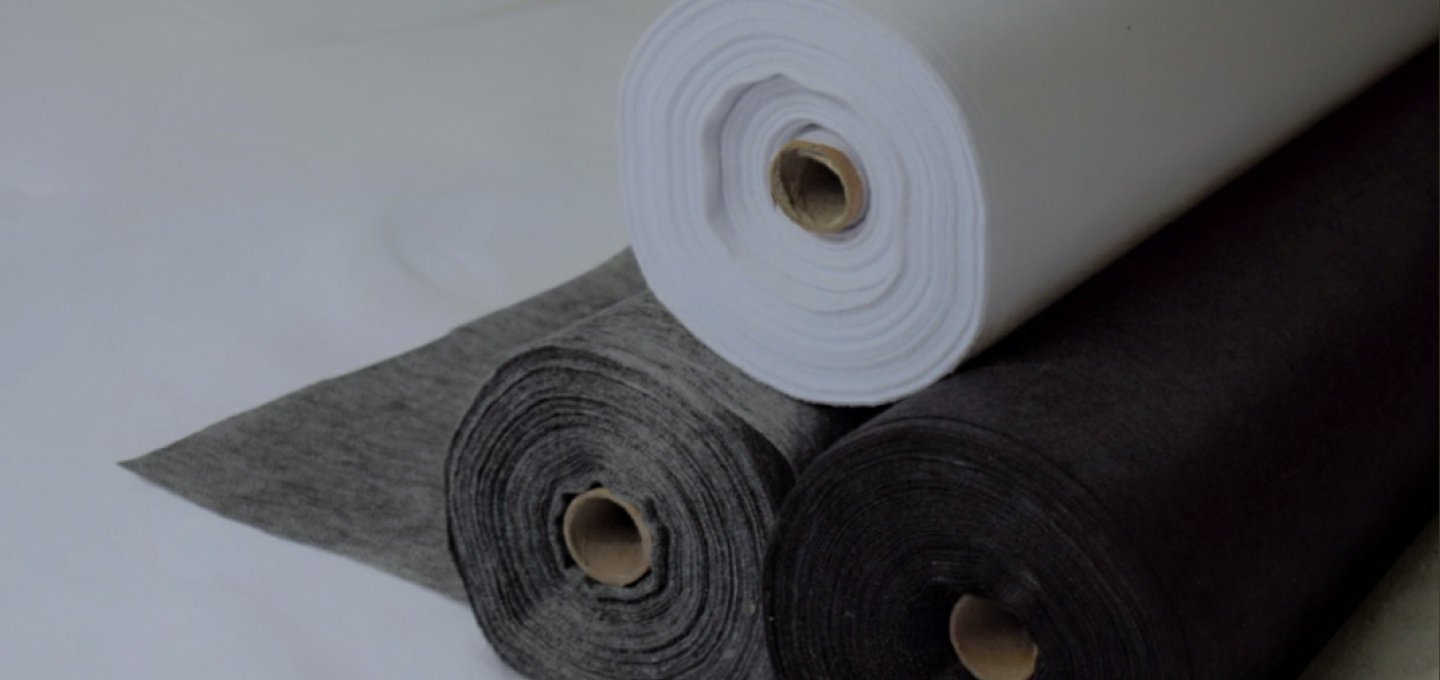
Instead of weaving polyester fibers into yarns, non woven fusible interlining is created by bonding them together. A thermoplastic adhesive coating on one side allows it to fuse permanently in place when heated and compressed against the fabric of your shirt. Once bonded, it becomes an integral part of the garment’s construction, providing the support and shape that soft shirting fabric is unable to provide on its own for collars, cuffs, and plackets.
This kind of interlining is typically used in the production of shirts in particular for the straightforward reason that shirts don’t require the substantial structural support that a suit or sherwani does. While a cuff must remain firm and a shirt collar must stand straight, neither requires the thick, woven construction of a full suit front. Without adding extra bulk or stiffness to a garment that is supposed to feel light and comfortable against the skin, non woven interlining fabric provides precisely the right amount of support for these smaller parts.
You’ll find this material used across a few key parts of shirt construction:
- Collars — the most common application, giving the collar its shape and preventing it from folding flat
- Cuffs — keeping the cuff edge firm through repeated wear and washing
- Plackets — the front button strip, where it stabilises the fabric around buttonholes and prevents distortion
Understanding this basic role is the starting point for every decision that follows — GSM, coating, and how the fabric behaves once it’s actually sewn into a finished shirt.
Key Properties to Match With Shirt Fabrics
From crisp poplin to soft flannel, shirting fabric comes in a variety of weights and finishes. The interlining you select must match the fabric you’re working with. If this match is incorrect, it will show up right away in the final product; the collar will either feel unnatural and stiff or it will not hold its shape at all.
Here’s what to think about when matching interlining to your shirt fabric:
| Shirt Fabric Type | What It Needs From Interlining |
| Crisp cotton poplin | A firmer grade to match the fabric’s own structured feel |
| Soft cotton or blended shirting | A lighter grade so the collar doesn’t feel out of place against a softer fabric |
| Formal dress shirting | A grade that gives a clean, defined collar edge for a polished look |
| Casual or everyday shirting | A softer, more flexible grade that moves naturally with the garment |
As a general guideline, the interlining should not feel significantly different from the shirt fabric when handled. A heavy, stiff interlining will feel strange at the collar if your outer fabric is soft and flowing. An interlining that is too light will not provide the collar with enough support to maintain its shape if your fabric is crisp and structured.
Because even fabrics in the same general category can behave slightly differently depending on their weave density and any finishing treatments applied, it’s also worthwhile to test your interlining choice against the particular weave and finish of your fabric batch.
GSM, Coating and Adhesion Performance
Grams per square meter, or GSM, is the first specification that most manufacturers consider, and for good reason it directly affects how much structure the interlining adds. Lighter grades give the collar a smooth, organic roll. A stronger, more distinct edge is provided by heavier grades. Depending on the collar style and fabric you’re using, neither is always accurate.
Beyond weight, the interlining’s ability to bond and remain bonded throughout the garment’s life is determined by the adhesive coating. One side of the base fabric is coated with a polyester-based (PES) thermoplastic adhesive for non woven interlining. This coating melts and fuses to the fashion fabric when pressed under heat, then solidifies as it cools.
A few practical points on coating and adhesion for shirt production:
- Fusing temperature matters. Non woven interlining generally fuses at a lower temperature than the heavier woven grades used for suits, which is one reason it works well for lighter shirting fabrics that can’t handle high heat without scorching.
- Even coating distribution prevents weak spots. A well-distributed adhesive pattern bonds evenly across the collar or cuff shape, reducing the risk of edges lifting after washing.
- Bond strength should hold through repeated washing. Shirts get washed far more often than suits or sherwanis, so the interlining’s bond needs to survive that cycle without delaminating or bubbling.
- A quick press test tells you more than a spec sheet. Before committing to a bulk order, fuse a swatch onto your actual shirt fabric and run it through a wash cycle to confirm the bond holds up under real conditions.
Getting GSM and coating right together is what separates a collar that looks sharp for the life of the shirt from one that starts showing wear after a handful of washes.
Breathability, Softness and Garment Comfort
Comfort is just as important as structure because shirts are frequently worn close to the skin for an entire workday. Non woven interlining fabric has a real advantage over heavier woven alternatives in this regard because of its bonded fiber construction, which is inherently lighter and more breathable. This is important at the collar and cuff, two areas that come into constant contact with skin.
A few comfort factors worth keeping in mind:
- Weight-to-support ratio. The goal is enough structure to hold shape, without so much added bulk that the collar feels heavy or restrictive.
- Flexibility at stress points. Collars and cuffs flex constantly through normal wear. An interlining with good elasticity moves with the fabric instead of cracking or creasing at the fold lines.
- Softness against the neck. Since the collar sits directly against the skin, an overly stiff interlining can feel uncomfortable, especially in warmer climates or for shirts worn through long days.
- Consistent feel after washing. A comfortable interlining should stay soft and flexible wash after wash, not stiffen or become brittle over time.
The entire process of choosing interlining for shirts is really about striking a balance between comfort and structure. The collar appears unfinished and has too little structure. If there is too much, the shirt ceases to feel like something that people would want to wear.
Quality Checks Before Large-Scale Production
Before you commit to a full production run, it’s worth running a short set of checks on any new interlining batch. This is especially important when you’re switching suppliers, changing fabric, or scaling up a style that’s new to your line.
- Fuse a test swatch on your actual shirt fabric, not a generic test cloth. Different fabrics respond differently to the same interlining, so testing on your real material gives you an accurate picture.
- Check the bond after cooling. Look for even adhesion across the panel, with no bubbling, no edge lifting and no visible show-through on the right side of the fabric.
- Run the test swatch through a wash cycle. This is the real test of whether the bond will hold up through the garment’s actual lifecycle, not just off the press.
- Compare hand-feel against your previous batch. If you’re reordering, the new roll should feel the same as the last one — same stiffness, same drape, same collar shape once fused.
- Confirm colour consistency, particularly if you’re using white interlining under lighter shirt fabrics where any shade variation could show through.
- Check roll length and GSM against your order specification before the batch goes into full production, so any discrepancy is caught early rather than mid-run.
A few minutes spent on these checks before a large cutting run starts is far cheaper than discovering a bonding issue after hundreds of collars have already gone through the press.
Our Non Woven Interlining Solutions at Double Ghoda
At Double Ghoda, shirt collars, cuffs and plackets are one of the most common reasons manufacturers come to us for non woven interlining, and we’ve stocked our range specifically to serve that part of the garment.
Here’s how our non-woven range is built around real shirt-manufacturing needs:
- A weight range built for collar and cuff work. We stock lighter grades suited to soft, everyday shirting and heavier grades for crisp formal collars, so you can match the interlining to your specific fabric rather than working with a single generic weight.
- White and black, ready to fuse. Both colours are held in stock, letting you match your shirt lining requirements without a custom dye order.
- A flatbed-press-compatible construction, fused at a lower temperature range than our heavier woven grades — suited to lighter shirting fabrics that need gentler heat handling.
- Batch-to-batch consistency, checked before dispatch, so a roll you reorder six months from now behaves the same way as the one you’re using today.
We provide woven fusible interlining for structural work if you’re also making suits, blazers, or heavier formal wear in addition to your shirt line. This allows you to source all of your interlining needs, both light and heavy, from a single supplier. With a minimum order of 1,000 meters, we serve as a wholesale partner to clothing and shirt manufacturers, supplying them in rolls of 90 meters. Before committing to a bulk order, get in touch with our team if you’re unsure of which weight works best for your shirting fabric.
Frequently Asked Questions
What type of interlining is used for shirt collars and cuffs?
Shirt collars and cuffs typically use a lighter, bonded-fibre interlining rather than the heavier woven grades used for suits and sherwanis. This construction gives enough structure to hold the collar’s shape without adding unnecessary bulk or stiffness to a garment meant to feel light and comfortable.
How do I choose the right weight for shirt interlining?
Match the weight to your shirt fabric and the collar style you want. Crisper, more structured collars generally need a slightly heavier grade, while soft, casual shirting pairs better with a lighter one. Testing a swatch against your actual fabric before a bulk order is the most reliable way to confirm the match.
Why does interlining sometimes bubble or crack at the collar fold?
This usually points to a mismatch between the interlining’s flexibility and the amount of movement the collar sees, or an uneven bond from incorrect press settings. Choosing an interlining with good elasticity at the fold points and confirming press temperature, time and pressure are correctly calibrated usually resolves it.
Can the same interlining be used for both shirts and suits?
Not typically. Shirts need a lighter, more breathable interlining for smaller parts like collars and cuffs, while suits and sherwanis need a heavier, woven interlining across the full front body for structural support. Most manufacturers who produce both garment types work with two different grades rather than trying to standardise on one.
Link of related Articles
- Lightweight Interlining vs. Heavyweight Interlining
- A Beginner’s Guide to Interlining
- Choosing the Right Interlining