
The requirements for fusing cloth differ between shirts and jackets because each garment needs a different kind of support. Your shirts need light, flexible reinforcement in collars, cuffs and plackets. Your jackets and blazers need firmer support in the fronts, lapels and other structured areas.
The right choice depends on your garment construction, the area you are reinforcing, your outer fabric, the stiffness you want and the support your design needs. No single option suits every use, so we always suggest selecting by application, not by habit.
In this guide, we compare shirt and jacket requirements the way your production team would. We also cover GSM, bonding and sampling, so you can approve materials with confidence.
Understanding Fusing Cloth Requirements for Shirts and Jackets
Shirts and jackets need different support because they are built to behave differently. We expect a shirt to stay soft and move with the wearer. We expect a jacket to hold its shape and keep its lines.
Why garments use reinforcing materials
Your outer fabric often lacks the body to hold a shape on its own. A reinforcing layer adds structure, steadies edges and helps limit stretching during sewing and wear. When you choose the right interlining fabric, your finished garment looks and feels as you designed it.
How construction changes the support needed
Shirt components are small and lightweight. When you work on collars, cuffs and plackets, you need enough support to keep them crisp, but not so much that they feel stiff.
Jackets have larger, shaped areas. Your fronts, lapels and facings carry the silhouette, so they usually need firmer, more structured support.
Why outer fabric, design and finish matter
The same reinforcing material can behave differently on different outer fabrics. A fine cotton poplin, a heavy wool blend and a polyester suiting each respond in their own way. Your garment design and intended finish, whether crisp, soft or fluid, also guide the choice.
That is why one specification rarely suits every garment. In the next two sections, we look at your shirt and jacket applications in detail.
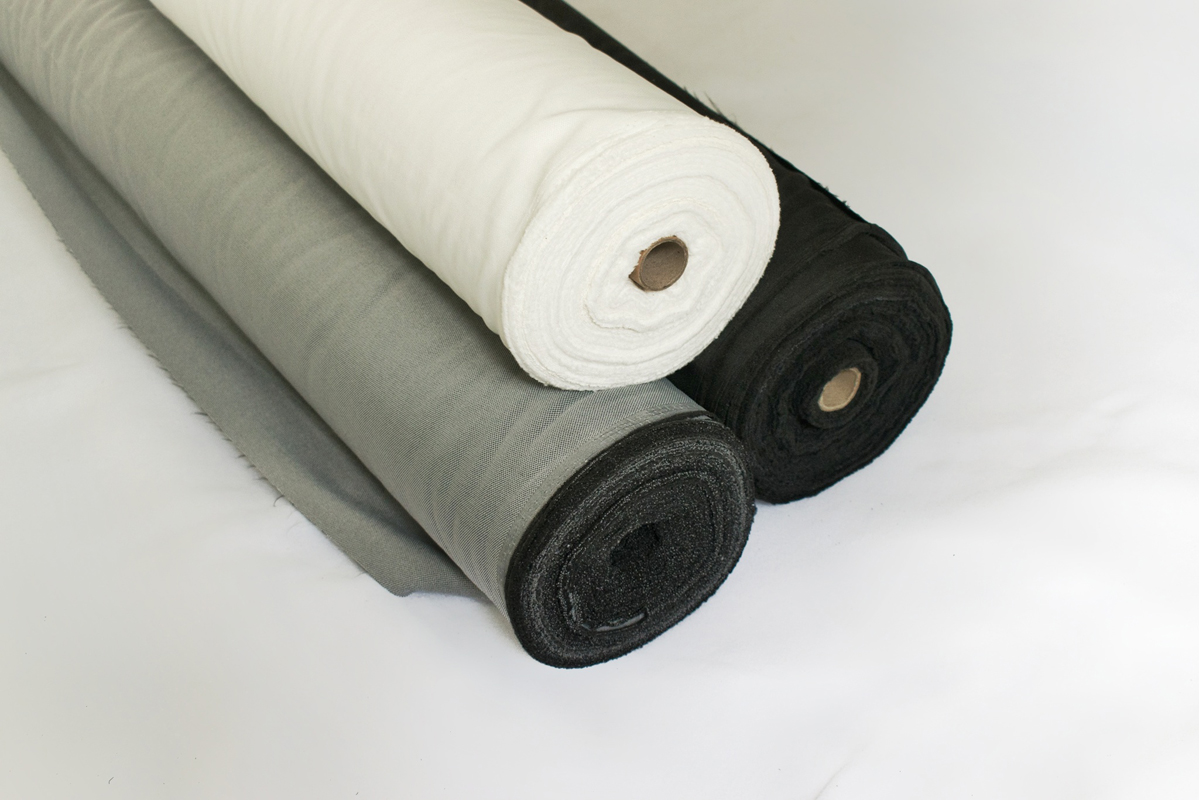
Choosing the Right Fusing Cloth for Shirt Manufacturing
Shirt manufacturing calls for support that is light, stable and comfortable. The right level depends on your shirt style, your outer fabric and the finish you want.
Which areas of a shirt typically need reinforcement?
Here are the areas that most often need support in your shirts:
- Collars: keep points sharp and the collar band flat.
- Cuffs: help the cuff hold its shape through wear and washing.
- Plackets and front openings: keep the button line straight and reduce puckering.
Balancing shape, flexibility and comfort
A formal dress shirt may need a crisper collar than a casual one. A soft-collar style may need only light stabilisation. Too little support lets edges curl or collapse. Too much makes the garment stiff and uncomfortable.
Your aim is shape retention that still feels natural against the skin.
Compatibility with cotton, blends and other outer fabrics
Cotton, polyester blends and other outer fabrics differ in weight, weave, finish and heat sensitivity. Fine fabrics can show adhesive marks or surface change if the reinforcing material is too heavy or poorly matched. If you work with stretch fabrics or special finishes, take extra care.
For this reason, we recommend matching fusible interlining for shirts to your outer fabric and the shirt part, not applying it by habit.
What to check before approving bulk production
- Collar and cuff shape after fusing and after washing
- Bond quality across the full part, including edges
- Surface appearance, such as bubbling, ripples or shine
- Hand-feel compared with your approved sample
- Shrinkage behaviour of both layers
Run these checks on your actual outer fabric. A result on one fabric does not carry over to another.
Exploring Fusing Cloth Options for Jackets and Blazers
In jackets, blazers and formalwear, we look for support that builds the silhouette and keeps it through wear. It is a different job from shirt reinforcement.
Which areas of a jacket need structured support?
If you make suits or blazers, you will usually look at these areas:
- Jacket fronts and chest area
- Lapels and collars
- Front edges and facings
- Other shaped areas that must hold their form
In tailored garments, body fusing is a common way to support your front panel and keep the chest area smooth. Because it covers a large area, even a small mismatch shows quickly.
Lightweight jackets vs structured blazers
A lightweight, softer jacket needs support that lets the fabric drape. A tailored blazer or formal jacket usually needs firmer support to hold a defined shape. Neither approach is better in general. Each fits a different design, and your design decides.
How outer-fabric weight, drape and construction affect selection
Heavy suiting can carry more support. Fine or fluid fabrics need a softer touch, or they lose their drape. Fabric weave, stretch and finish also change how the bond looks and feels.
What should manufacturers consider when selecting material for a blazer?
- The blazer style and how structured it should look
- Outer-fabric weight, drape and composition
- The areas being reinforced
- The stiffness and finish you want
- How the material behaves under your fusing conditions
We would not say any single material suits every jacket. Test compatibility on your actual fabric before you scale up production.
Comparing GSM, Bonding and Fabric Compatibility for Different Garments
In general, shirts use lighter, more flexible reinforcement, while jackets use firmer, more structured constructions. The table below summarises the main selection factors we suggest you compare. Treat it as general guidance, and confirm each point through your own testing.
| Factor | Shirts | Jackets and blazers |
| Typical application areas | Collars, cuffs, plackets, front openings | Fronts, lapels, collars, facings, structured areas |
| Required level of support | Light to moderate, with flexibility | Moderate to firm, to hold the silhouette |
| GSM considerations | Generally lighter weights, matched to the part | Generally heavier weights, matched to the design |
| Outer-fabric compatibility | Cotton, blends and fine shirting fabrics | Suiting, wool blends and heavier fabrics |
| Bonding requirements | Even, clean bond without surface marks | Strong, uniform bond across large panels |
| Desired garment finish | Crisp but comfortable | Shaped, smooth and stable |
| Pre-production testing | Wash test, bond check, appearance check | Bond check, drape check, appearance check |
Does a higher GSM always provide better support?
No. A higher GSM adds weight and usually stiffness, but it does not guarantee a better result. A heavy material on a light outer fabric can feel rigid and may show through the surface. The right weight and construction depend on your garment, your outer fabric and the finish you need.
Understanding bonding in general terms
Bonding happens when the adhesive on the reinforcing material melts under heat and pressure, then sets as it cools. Suitable fusing conditions depend on the material and the outer fabric. If you work with heat-sensitive fabrics, take particular care.
Body fusing on a jacket front shows poor adhesion quickly because the panels are large. We suggest you inspect samples for bubbling, wrinkling, poor adhesion and changes in fabric appearance.
We do not give universal temperature, pressure or time figures here, because they vary by material and fabric. Follow the material supplier’s instructions and your own production requirements when you test.
Finding the Right Fusing Cloth for Your Garment Production Needs
A technical comparison only helps once it turns into a clear purchasing decision. We suggest these steps to move you from specification to bulk order.
- Identify the garment and application area. A shirt collar and a jacket front are different jobs.
- Confirm the outer fabric and desired finish. Note composition, weight and drape.
- Define the support you need. Decide how crisp, soft or structured the area should be.
- Review the specification. Check GSM, construction, coating, width and roll requirements where relevant.
- Test samples. Approve nothing for bulk production before testing on your actual fabric.
- Check consistency. Compare batches for weight, hand-feel and bonding behaviour.
- Confirm quantity and stock needs. Agree order quantity, stock requirements and procurement timelines with your supplier.
A clear specification sheet makes every later step easier. When you write down the garment, area, fabric and finish, you also give your supplier what they need to guide you well.
These checks help you, whether you are a garment manufacturer, sourcing team or exporter, decide on facts instead of assumptions. For your export orders, consistent quality across batches matters as much as the first approved sample.
When you compare fusing cloth options, ask each supplier for the same information in the same format. It keeps the comparison fair and speeds up approval.
Explore Fusible Interlining Fabrics at Double Ghoda
We work with garment manufacturers, suit makers, sourcing teams and wholesale buyers. We are not a manufacturer.
Picking the right interlining for each garment application saves you rework later. On our official page, we list woven and non-woven grades across a 30 to 150 GSM range. Woven grades are listed for structured garments such as suits, blazers and sherwanis. Non-woven grades are listed for smaller parts such as collars, cuffs and plackets.
Not every grade suits every garment. We ask you to check your application, outer fabric and specification before you buy. Our page also includes a GSM guide and a woven vs non-woven comparison to help you review options.
We suggest you test samples first, then plan your bulk order around what works on your fabric. When you are ready, explore our fusible interlining range and review the product information.
m our product guide, not universal rules. Your outer fabric and intended finish still decide the final choice. Tell us what you are making and what outer fabric you are using, and we will help you shortlist suitable grades. You can view the full range on our official product page.
FAQs
What is the difference between fusing cloth for shirts and jackets?
Shirts generally need light, flexible support in collars, cuffs and plackets. Jackets generally need firmer support in fronts, lapels and other structured areas. In our view, the right choice depends on your garment construction, outer fabric, desired finish and the support you need.
How do you choose the right GSM for garment fusing?
We suggest you start with the garment area and your outer fabric, then decide how much support and stiffness your design needs. A higher GSM is not automatically better. Confirm your choice by testing samples and following your material supplier’s guidance.
Why should manufacturers test bonding compatibility before bulk production?
Testing shows you how the material behaves on your actual outer fabric. It reveals issues such as bubbling, wrinkling, poor adhesion or changes in fabric appearance before they affect your full production run.
Where can garment manufacturers explore fusible interlining options from Double Ghoda?
You can review our woven and non-woven grades, GSM guide and product details on our official interlining category page.
Link of related Articles
- Lightweight Interlining vs. Heavyweight Interlining
- A Beginner’s Guide to Interlining
- Choosing the Right Interlining