Choose non woven interlining by matching its weight, softness and adhesive behaviour to your fabric’s weight, texture and heat tolerance. Light, fine or delicate fabrics call for a light, soft interlining. Firmer or heavier fabrics can take more body. Non-woven grades suit smaller garment parts such as collars, cuffs and plackets. Heavy structured bodies, like a full suit or sherwani front, usually call for woven interlining. Whatever the fabric, fuse a trial piece first and judge the result before you commit to a run.
What Is Non-Woven Interlining and How Does It Work?
Non-woven interlining is a support fabric made by bonding fibres together instead of weaving yarns. One side carries a heat-activated adhesive. Once fused, it sits unseen between the outer fabric and the inside of the garment.
What does it do for a garment?
It adds stability and shape to the part it supports. A collar stands more cleanly, a cuff keeps its edge and a placket resists stretching around buttonholes. It also helps the finished piece look neat after stitching and pressing.
How does the bonding work?
You place the coated side against the wrong side of the outer fabric. Heat and pressure from a press melt the adhesive, and it grips the fabric as it cools. The result is a single, firmer layer.
Where does it fit best?
Non-woven grades are commonly used on:
- Shirt collars and cuffs
- Plackets
- Pockets and flaps
- Other small parts where light, controlled support is enough
Why suitability varies
Two factors decide whether a grade works: its own specification and the fabric it goes onto. A grade that looks perfect on one fabric can pucker or show through on another, so judge the pairing, not the interlining alone.
Which Interlining Is Best for Cotton, Polyester and Silk?
No single interlining works equally well on all three. Each fibre reacts differently to heat, moisture and pressure, so compare these factors before you pick a grade.
| Fabric | What to watch | What it means for selection |
| Cotton | Tends to be stable, but may shrink or crease | Check that the bond holds through pressing and washing, and that the finish stays smooth |
| Polyester | Can be sensitive to heat, which may leave shine or surface marks | Confirm that the fusing conditions do not change the look of the face fabric |
| Silk | Delicate, fine and prone to marking or show-through | Choose a soft, light interlining and test for marks, bubbling and stiffness |
This table is general guidance. Weave, finish and blend all change how a fabric behaves, so two cotton fabrics may not respond alike.
Which factors matter most?
Four things shape the choice on any of the three fibres:
- Weight: the heavier the fabric, the more support it can carry without looking forced.
- Texture: smooth surfaces show every flaw, while textured ones can hide small ones.
- Heat sensitivity: some fibres tolerate pressing well, and others need a gentler approach.
- Desired finish: crisp, soft or fluid, depending on the garment.
Can one grade cover all three?
It rarely does. Buyers who work across cotton, polyester and silk usually keep a small range of grades and match each to its fabric. Fuse a trial piece on each fabric before you settle on a pairing.
How to Choose Interlining for Lightweight and Heavy Fabrics
Fabric weight and drape set how much support a grade should give. The goal is to keep the garment’s intended feel while adding just enough structure.
- How does fabric weight influence the choice?
A fabric’s weight tells you how much structure it already has. Lightweight fabrics have little of their own, but they also lose their fluid drape quickly if you over-support them. Heavier fabrics carry more body and need stronger backing to hold a defined shape.
- Lightweight fabrics
Use a light, soft grade, and keep the support gentle. Too much body makes the fabric stiff and takes away the drape that made you choose it. Watch for a papery feel along collar and cuff edges. A light non woven interlining often suits these parts well, as long as the grade is soft enough for the fabric.
- Heavier fabrics
A heavy fabric can overpower a light interlining, leaving collars and edges looking soft and undefined. Use a grade with enough body to hold the shape. For the main body of heavy garments, a non-woven grade is usually the wrong tool, and woven support is the common route.
- Does a thicker interlining always mean better support?
No. Thicker or heavier interlining adds stiffness and bulk, and that can hurt the garment as easily as help it. Aim for the lightest grade that still gives you the finish you want.
- Check the garment’s intended feel
Hold your fused sample and flex it. Ask whether it moves and falls the way the finished garment should. If it feels harder or flatter than your target, move to a lighter or softer grade.
How to Match Interlining Thickness with Fabric Texture
Thickness, flexibility and surface all show up in the finished garment. Judge them together, after fusing, because the combined result is what the customer sees and feels.
- Smooth fabrics
Fine, smooth fabrics reveal everything underneath. A thick interlining can print through as a visible ridge or shadow at the edges. On a fine cotton shirt collar, a soft, light grade usually gives a cleaner result than a heavy one. Uneven adhesive contact can also show up as a faint pattern on a smooth surface.
- Textured fabrics
Textured weaves, such as linen blends or slubbed cottons, have an uneven face. The interlining must make good contact across that surface, or adhesion becomes patchy. Pressing can also flatten the texture, so check that the surface keeps its character after fusing. A textured placket needs a close look at the edges and buttonhole areas.
- Delicate fabrics
Fine silks and delicate blends can mark, pucker or lose their softness under the wrong combination of heat and stiffness. Pick the softest suitable grade, and examine the face fabric closely for marks or a changed sheen.
Judge the combined result
Look at the fused piece in good light, from the front and at an angle. Check four things:
- Does the surface look smooth and even?
- Does the edge stay crisp without looking hard?
- Does the piece feel right in the hand?
- Does the texture or sheen look the same as before?
A pairing that passes all four is a strong candidate.
How to Test Non-Woven Interlining Before Fusing
A short, structured trial catches compatibility problems cheaply. Follow these steps in order.
- Confirm the supplier’s fusing conditions. Use the temperature, pressure and time the supplier recommends for that grade, as conditions differ between products.
- Prepare matching samples. Cut interlining and outer fabric from the actual production material, not offcuts of something similar.
- Fuse a trial piece. Place the coated side against the wrong side of the fabric and press with your normal equipment.
- Cool it completely. Handling the piece while it is warm can disturb the bond.
- Test adhesion. Try to lift an edge and flex the piece. The bond should hold evenly across the surface.
- Inspect for faults. Look for bubbles, puckering, rippling and edge lifting.
- Assess drape and appearance. Check how the piece falls, feels and looks against your target finish.
- Repeat across your range. Run the same test on each fabric colour and weight you plan to use.
Why test before a full run?
A trial shows you whether a grade and fabric work together before you cut and fuse hundreds of pieces. Problems that cost a few minutes at sample stage can cost days on the floor. If you also plan to use non woven interlining fabric from more than one supplier, run the same trial on each so the comparison is fair.
What do common faults suggest?
- Bubbles: poor contact, trapped moisture or a mismatch between the conditions and the grade
- Puckering: a difference in how the layers respond to heat
- Edge lifting: weak adhesion, often linked to the fabric surface or the conditions
- Stiffness: a grade that is too heavy for the fabric
Choosing Non-Woven Interlining from Double Ghoda
Our non-woven grades are built for the parts of a garment that need precision rather than heavy structure. They go where a collar, cuff, placket or pocket needs steady, controlled support.
We trade as B.C. Impex and work as a wholesale supplier and stockist. We supply these grades, but we do not manufacture them.
Here are the published details for our range:
| Detail | What we publish |
| Structure | Bonded polyester fibres |
| Material | 100% polyester, pure and blended |
| Adhesive | PES (polyester) thermoplastic coating |
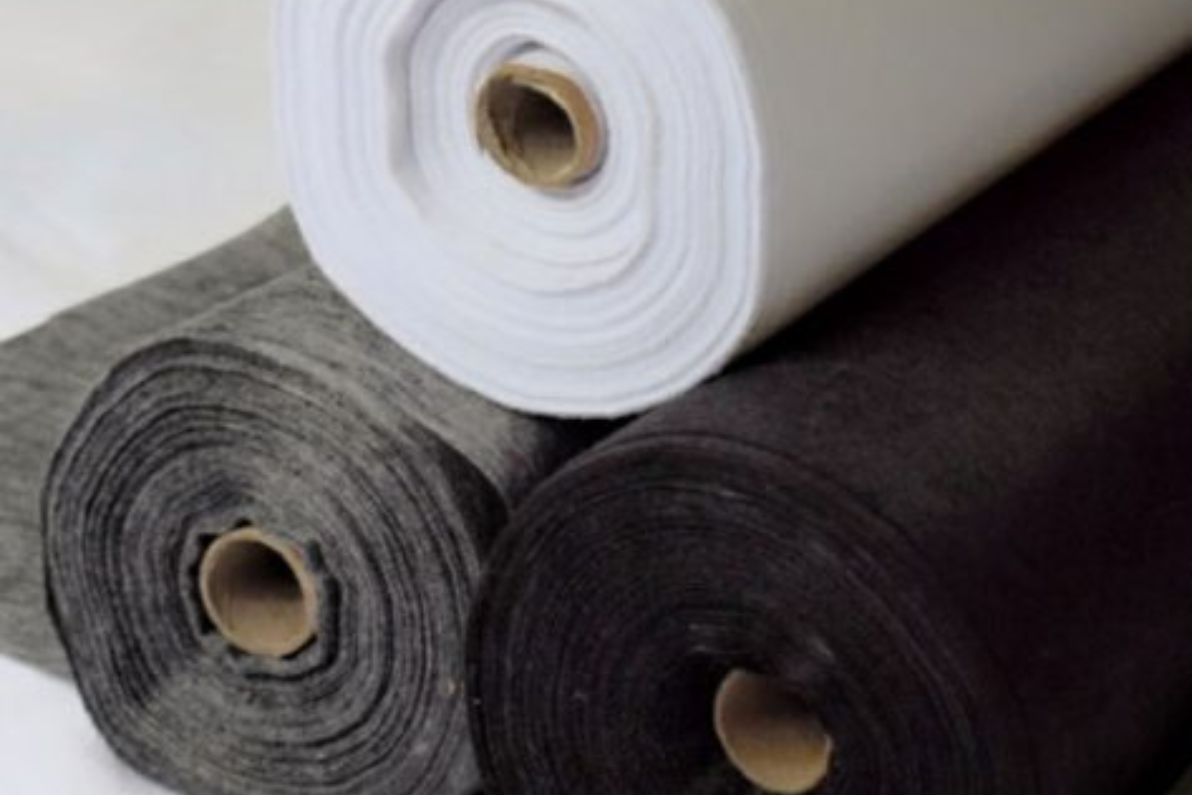
| Colours | White and black |
| Application | Flatbed pressing machine |
| Weights | Lightweight grades starting from 30 GSM |
The range is used on collars, cuffs, plackets, jacket small parts and women’s formal wear. You can browse the grades and their specifications in our non woven fusible interlining category.
Read the specifications against your fabric and garment part, then confirm the match with your own trial. A grade that suits a cotton collar may not suit a silk facing, so judge each pairing on its own result.
FAQs
What is non-woven interlining used for?
It supports smaller garment parts, such as shirt collars, cuffs, plackets, pockets and flaps. It adds shape and stability without heavy structure. Choose the grade based on your fabric’s weight and texture.
Can non-woven interlining be used on silk?
It can be, but silk is delicate and sensitive to heat and marking. Choose a soft, light grade and fuse a trial piece first. Check for bubbles, marks, stiffness and any change in the fabric’s sheen.
Is non-woven interlining suitable for suits and sherwanis?
Not for the full front body, which needs more structure than non-woven grades normally give. Woven interlining is the usual choice there. Non-woven grades can work on small parts such as pockets and flaps.
Link of related Articles
- Lightweight Interlining vs. Heavyweight Interlining
- A Beginner’s Guide to Interlining
- Choosing the Right Interlining