When selecting an inner fabric for suits, blazers and formal jackets, the lining affects more than the garment’s interior appearance. Its surface, weight and drape influence how the finished garment feels and moves. One option garment manufacturers consider is polyester lining fabric with a textured surface, such as satin dobby.
Satin dobby combines the smooth character of a satin base with a subtle woven texture. It offers a different appearance from plain satin, which has a more uniform, glossy surface. The two fabrics can serve similar garment applications, but their surface finishes create different results.
In this guide, we explain what satin dobby lining is, how it differs from plain satin, where it is used and what garment manufacturers should consider when selecting it.
What Is Satin Dobby Lining?
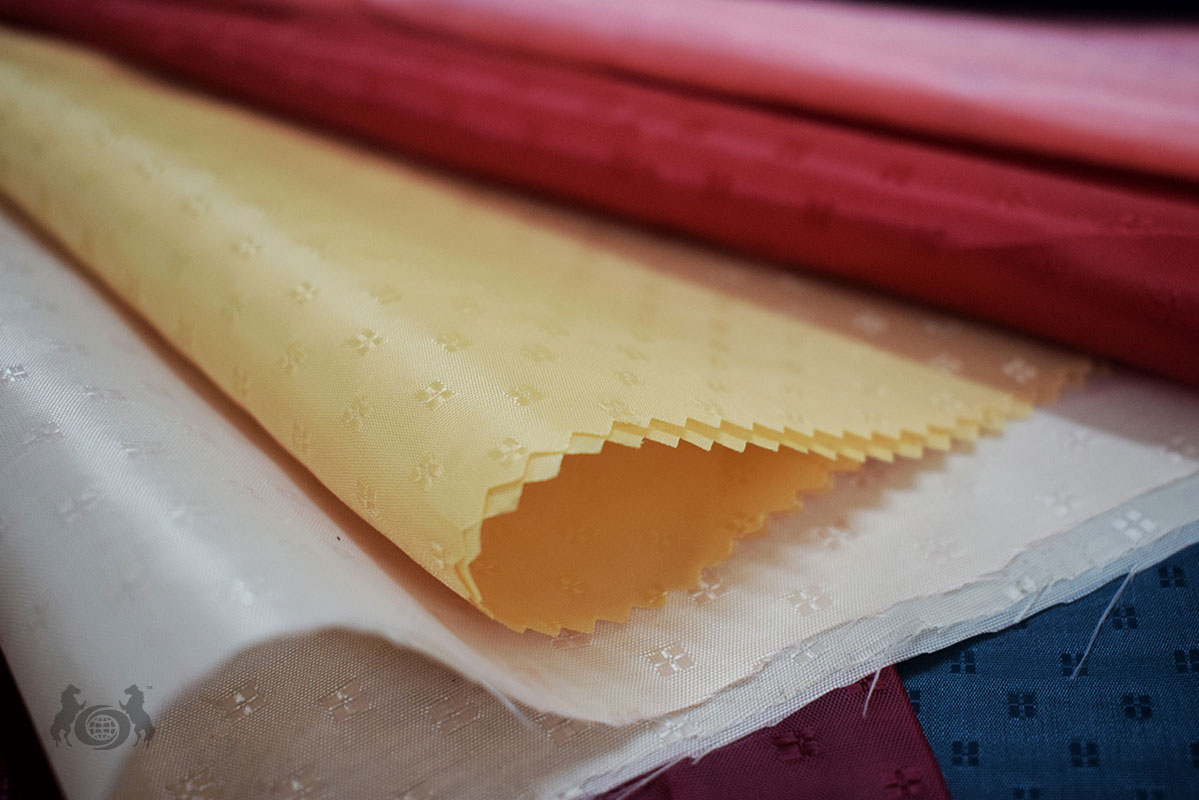
Satin dobby lining is a polyester lining fabric that combines a satin-like surface with a small woven texture created through dobby weaving. The texture adds visual detail to the fabric while retaining the smooth character associated with satin.
A dobby weave uses a specialised loom mechanism to create small, repeated patterns in the fabric. These patterns can appear as subtle geometric or textured details rather than the larger, more elaborate designs associated with some other patterned weaves.
The satin base contributes to the fabric’s smooth feel and drape, while the dobby structure gives its surface more character than plain satin.
What Gives Satin Dobby Its Textured Appearance?
The texture comes from the way the threads are interlaced during weaving. A dobby mechanism controls selected warp threads to produce small, repeated patterns.
Unlike a printed design, the texture is part of the woven fabric structure. Its appearance depends on the particular weave construction.
The satin element contributes a smoother surface and lustre. Together, these features create a lining that looks different from a completely plain satin finish.
How Is Satin Dobby Different from Plain Satin?
Satin dobby and plain satin are both used as garment lining materials, but their surface appearance is different. The main distinction is the additional woven texture in satin dobby.
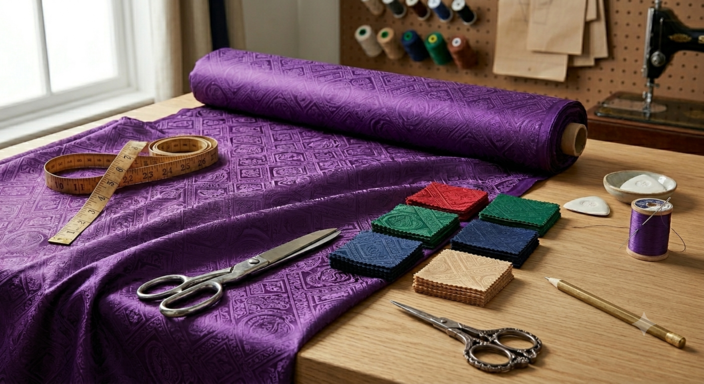
Plain satin has a relatively smooth, glossy face. Satin dobby retains a satin-like character but includes a subtle textured pattern across its surface.
| Feature | Satin Dobby | Plain Satin |
| Surface | Textured satin surface | Smooth, glossy surface |
| Appearance | Subtle woven detail | More uniform finish |
| Fabric character | Satin feel with added surface texture | Smooth feel and flowing drape |
| Listed GSM at Double Ghoda | 72–82 GSM | 67–80 GSM |
| Listed applications | Suits, blazers and formal jackets | Suits, blazers and formal jackets |
The GSM ranges above are the product specifications published on Double Ghoda’s category page. The right option depends on the outer fabric, garment construction and finish you want to achieve.
Which One Should You Choose?
Choose satin dobby when you want a lining with more surface detail than plain satin. Its textured appearance can complement formal garments where the inside finish is visible or forms part of the overall presentation.
Plain satin may be a suitable choice when you prefer a smoother, more uniform interior surface.
Neither option is automatically better for every garment. Compare the actual fabric samples and consider how the lining behaves with the outer material.
Where Is Satin Dobby Lining Used?
Satin dobby is for suits, blazers and formal jackets. Its textured satin surface makes it an option for garment manufacturers who want an alternative to a plain lining finish.
Suits
The lining inside a suit helps cover internal construction and provides a finished interior. Satin dobby can be considered when a manufacturer wants a textured alternative to plain satin.
The choice should match the suit’s outer fabric, construction and intended finish. For formal suits where the lining may be visible when the jacket is opened, its surface appearance can also be a design consideration.
Blazers
Blazers are made in a wide range of fabrics, weights and styles. Satin dobby can be used as an inner lining option when its weight and drape are compatible with the garment.
For lightweight blazers, check that the selected lining does not add unwanted bulk. For more structured styles, assess the overall feel and movement of the completed garment.
Formal Jackets
Formal jackets may feature decorative outer fabrics, tailored construction and visible interior details. A textured lining can complement these designs when the manufacturer wants something different from a plain satin finish.
The final choice should be based on the jacket’s construction and the appearance expected from the finished garment.
What Makes Satin Dobby Suitable for Formal Garments?
The choice of lining affects the appearance and handling of a garment’s interior. Satin dobby offers a combination of surface texture and satin-like smoothness that can be useful in formalwear.
Consider these characteristics when assessing it for a garment:
- Textured surface: The dobby weave adds a subtle pattern rather than the completely plain appearance of standard satin.
- Satin-like finish: The satin base gives the material a smoother character.
- Defined fabric weight: Double Ghoda lists its satin dobby lining at 72–82 GSM, giving buyers a published specification to consider when comparing options.
- Formal garment applications: The listed uses include suits, blazers and formal jackets.
These characteristics describe the fabric, not a guarantee of performance in every garment. The final result depends on the outer material, pattern, stitching and lining construction.
What Should You Check When Selecting Satin Dobby Lining?
Before placing a bulk order, garment manufacturers should check more than the fabric name. The lining needs to match the garment’s material, appearance and production requirements.
GSM and Fabric Feel
GSM refers to grams per square metre and indicates the fabric’s weight. Double Ghoda lists satin dobby lining at 72–82 GSM.
Check a sample to understand how the weight feels with your outer fabric. A lining that works well in one garment may not produce the same result in another construction.
Surface Texture and Colour
Inspect the texture and shade of the actual fabric before approving it. The lining should complement the garment rather than create an unintended contrast.
Double Ghoda lists black and off-white among the top colours for its satin dobby option. Confirm the required shade and availability before finalising a bulk order.
Roll Length and Order Quantity
Roll length matters when planning cutting, material handling and production quantities. Double Ghoda lists satin dobby in 45-metre rolls.
For wholesale sourcing, also confirm the minimum order quantity, colour requirement and availability with the supplier before placing your order.
Sample Approval
Request or review a sample before confirming bulk production. Check:
- Whether the surface texture matches your requirement.
- How the lining feels alongside the outer fabric.
- Whether the colour is suitable for the garment.
- How the fabric behaves during cutting and stitching.
- Whether the finished garment has the intended interior appearance.
Keeping an approved sample can also help when placing repeat orders.
Frequently Asked Questions About Polyester Lining Fabric
What is satin dobby lining fabric?
Satin dobby lining is a fabric with a satin-like base and a subtle woven texture created through dobby weaving. It offers more surface detail than plain satin while retaining a smooth satin character.
What is the difference between satin dobby and plain satin?
Satin dobby has a textured woven surface, while plain satin has a smoother and more uniform glossy finish. Both can be used in suits, blazers and formal jackets, depending on the desired interior appearance.
What GSM is satin dobby lining?
Double Ghoda lists satin dobby lining at 72–82 GSM. The suitable weight for a garment should be assessed alongside the outer fabric and construction.
Is satin dobby lining suitable for blazers?
Yes. Double Ghoda lists satin dobby for blazers, along with suits and formal jackets. Check the fabric’s weight, drape and surface with the blazer material before confirming it for production.
Is satin dobby a type of polyester lining fabric?
Yes. Double Ghoda lists satin dobby as part of its 100% polyester lining range. It combines a satin-like base with a dobby-textured surface.
Satin Dobby Polyester Lining at Double Ghoda
At Double Ghoda, we supply polyester lining fabric for garment manufacturers, wholesalers and businesses sourcing materials for suits, blazers, sherwanis and formal jackets.
Our satin dobby lining has a textured surface on a satin base. It is listed at 72–82 GSM and supplied in 45-metre rolls, with black and off-white among its top colours.
Our polyester lining range also includes jacquard, plain satin and taffeta. This gives you different surface finishes and fabric weights to consider according to your garment requirements.
If you are sourcing satin dobby lining for suits, blazers or formal jackets, share your required colour and quantity with our team to check availability and wholesale ordering details.
Explore our Polyester Lining Fabric Range
Link of related Articles
- Lightweight Interlining vs. Heavyweight Interlining
- A Beginner’s Guide to Interlining
- Choosing the Right Interlining