When you look at fusible interlining, one of the most important details is not always visible at first glance: the adhesive coating on its surface. This coating determines how the interlining bonds with the outer fabric during garment production.
Dot coating is a commonly used method of applying adhesive to interlining fabric. Instead of covering the entire surface with a continuous layer, the adhesive is deposited in small, evenly distributed dots. This helps create a bond while retaining important fabric characteristics such as flexibility and handle.
For garment manufacturers, understanding dot coating helps you make better decisions when selecting fusing cloth for suits, blazers, sherwanis and other structured garments. Let’s understand how this coating works and why it matters.
What Is Dot Coating in Fusible Interlining?
Dot coating is a method of applying thermoplastic adhesive to one side of a fabric in the form of small dots. These adhesive deposits remain on the surface until heat and pressure are applied during the fusing process.
In fusible interlining, the base material provides support, while the adhesive dots help attach it to the garment’s outer fabric. When heated to the required temperature, the adhesive softens, penetrates the fabric structure and forms a bond as it cools.
Unlike a continuous adhesive coating, dot coating leaves spaces between individual adhesive deposits. This allows the bonded fabric to retain more of its natural flexibility and reduces unnecessary adhesive coverage.
The coating pattern, adhesive type, dot size and distribution all influence how the finished material performs.
How Does Dot Coating Work?
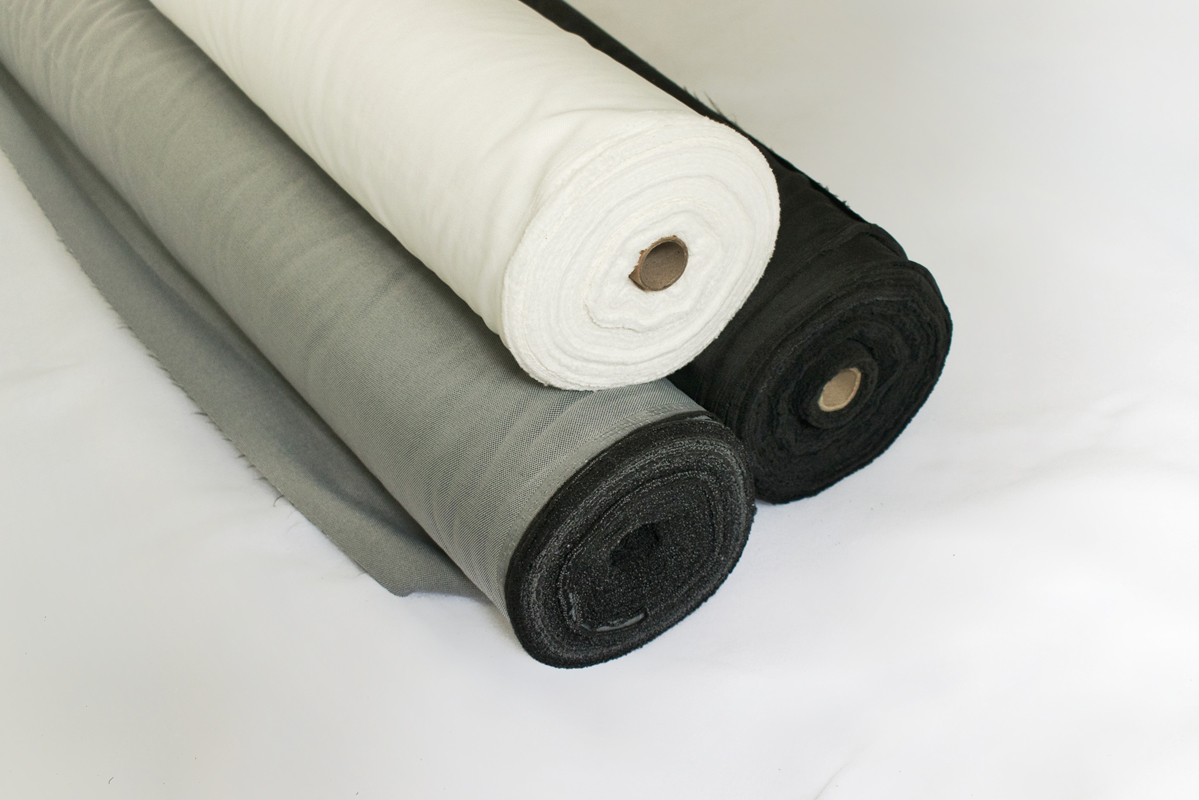
Dot coating works through the controlled application and activation of adhesive. The process involves two main stages: applying the adhesive to the interlining and bonding the interlining to the outer fabric.
1. Applying Adhesive in a Dot Pattern
During coating, thermoplastic adhesive is deposited onto the surface of the base fabric in a specific pattern. The dots are distributed across the material to provide adhesive contact points.
The objective is to achieve suitable adhesive coverage without unnecessarily coating the entire fabric surface.
2. Activating the Adhesive Through Heat and Pressure
During garment production, the coated side of the interlining is placed against the reverse side of the outer fabric.
A fusing machine applies controlled heat and pressure for a specified period. The adhesive softens, makes contact with the outer fabric and penetrates its structure.
3. Cooling and Bond Formation
After the heating stage, the adhesive cools and solidifies. This creates a bond between the interlining and the outer fabric.
The result is a combined fabric structure that provides additional support to the garment component.
[IMAGE PLACEHOLDER 01: INSERT IMAGE HERE]
Placement: After the explanation of the coating and bonding process.
Purpose: Help readers understand the appearance and working principle of dot coating.
Visual direction: A close-up technical illustration showing a base fabric with evenly distributed adhesive dots, followed by a simple cross-sectional view of the interlining bonded to an outer fabric.
Alt text: Dot coating pattern on fusible interlining fabric showing adhesive dots.
Suggested filename: dot-coating-fusible-interlining-process.webp
Why Is Dot Coating Used in Fabric Fusing?
The purpose of dot coating is to provide adhesive bonding while maintaining the functional properties of the fabric.
In garment manufacturing, the outer fabric should retain an appropriate feel, appearance and flexibility after fusing. Applying adhesive in a controlled pattern helps balance these requirements.
Here are some important reasons why this coating method is used:
- Controlled adhesive application: Adhesive is deposited in specific locations instead of covering the entire surface with a continuous layer.
- Fabric flexibility: Spaces between adhesive dots help preserve flexibility in the fused material.
- Bond formation: The adhesive dots provide contact points that help attach the interlining to the outer fabric.
- Fabric handle: A suitable coating pattern can help avoid unnecessary stiffness caused by excessive adhesive coverage.
- Garment structure: When correctly matched with the outer fabric, the interlining helps provide the required support and shape.
The effectiveness of dot coating also depends on the adhesive formulation, base fabric, coating distribution and fusing conditions. The coating pattern alone does not determine the final bonding quality.
What Are the Benefits of Dot Coating?
For manufacturers working with different garment fabrics, the coating method can influence both production performance and the appearance of the finished garment.
Some of its key benefits include:
1. Balanced Adhesive Coverage
Dot coating distributes adhesive across the interlining surface without requiring a continuous adhesive film. This helps provide bonding points while leaving portions of the base fabric uncovered.
2. Better Control Over Fabric Handle
A suitable adhesive application can help maintain the intended flexibility and feel of the combined fabric. This is particularly important when working with structured garments that still need to be comfortable to wear.
3. Support for Garment Shape
When the interlining is correctly selected and fused, it helps the garment retain its intended structure. This is useful for garment sections that require additional body and support.
4. Suitability for Different Fabric Requirements
Different coating patterns and adhesive formulations can be developed for different outer fabrics and garment applications. This allows manufacturers to select materials according to their construction and performance requirements.
It is important to remember that these benefits depend on selecting a compatible interlining and using appropriate fusing conditions. An unsuitable adhesive or incorrect application can still result in weak bonding, bubbling or excessive stiffness.
Frequently Asked Questions
What is the purpose of dot coating in fusible interlining?
Dot coating applies thermoplastic adhesive in small deposits across the interlining surface. It helps bond the interlining to the outer fabric while avoiding unnecessary continuous adhesive coverage.
How does dot coating help bond two fabrics?
Heat and pressure activate the thermoplastic adhesive. The softened adhesive makes contact with the outer fabric and solidifies during cooling, forming a bond between the two layers.
What is the difference between single-dot and double-dot coating?
Single-dot coating uses one adhesive dot application, while double-dot coating involves an additional adhesive application within the coating system. The exact arrangement depends on the coating technology. Double-dot systems can be designed to improve adhesive distribution and bonding performance.
Does dot coating affect the flexibility of interlining fabric?
Yes. The coating pattern and adhesive quantity can influence the flexibility and handle of the fused material. A suitable dot pattern helps avoid the continuous adhesive coverage that may make some bonded fabrics excessively stiff.
Is dot coating used in all fusible interlining?
No. Fusible interlining is available with different adhesive coating methods, including scatter coating, powder dot coating, paste dot coating and double-dot coating. The suitable method depends on the intended application and performance requirements.
Understanding Dot-Coated Fusible Interlining with Double Ghoda
Choosing the right interlining involves understanding its base construction, adhesive coating and intended garment application.
At Double Ghoda, we supply woven fusible interlining with PA double-dot coating for garment manufacturers and wholesale buyers. Our woven range covers 30–150 GSM, with different grades for varying garment construction requirements.
Whether you refer to it as fusing cloth, body fusing or fusible interlining, understanding the coating is an important part of selecting the right material for your production requirements.
You can explore our woven and non-woven fusible interlining range to learn more about the available options.
For wholesale enquiries, contact us with your required GSM, colour and order quantity.
Link of related Articles
- Lightweight Interlining vs. Heavyweight Interlining
- A Beginner’s Guide to Interlining
- Choosing the Right Interlining