Introduction: Understanding Woven Interlining Fabric
The quality and structure of a garment depend on more than just its outer fabric. The right interlining plays an important role in helping garments maintain their shape, structure and overall finish. Whether you are manufacturing formal suits, blazers, sherwanis or structured jackets, choosing the right woven interlining fabric can make a noticeable difference to the final garment.
Woven interlining is designed to provide support while maintaining the characteristics of a woven fabric. Its construction uses warp and weft yarns, giving it a defined structure that makes it suitable for garments requiring stability and shape retention.
But what makes woven interlining different from other types of interlining? What are its main characteristics, and how do you choose the right woven fusible interlining for your garment?
In this guide, we explain the key features of woven interlining, its construction, available GSM options, common applications and the factors to consider when selecting it for garment manufacturing.
What Is Woven Interlining Fabric?
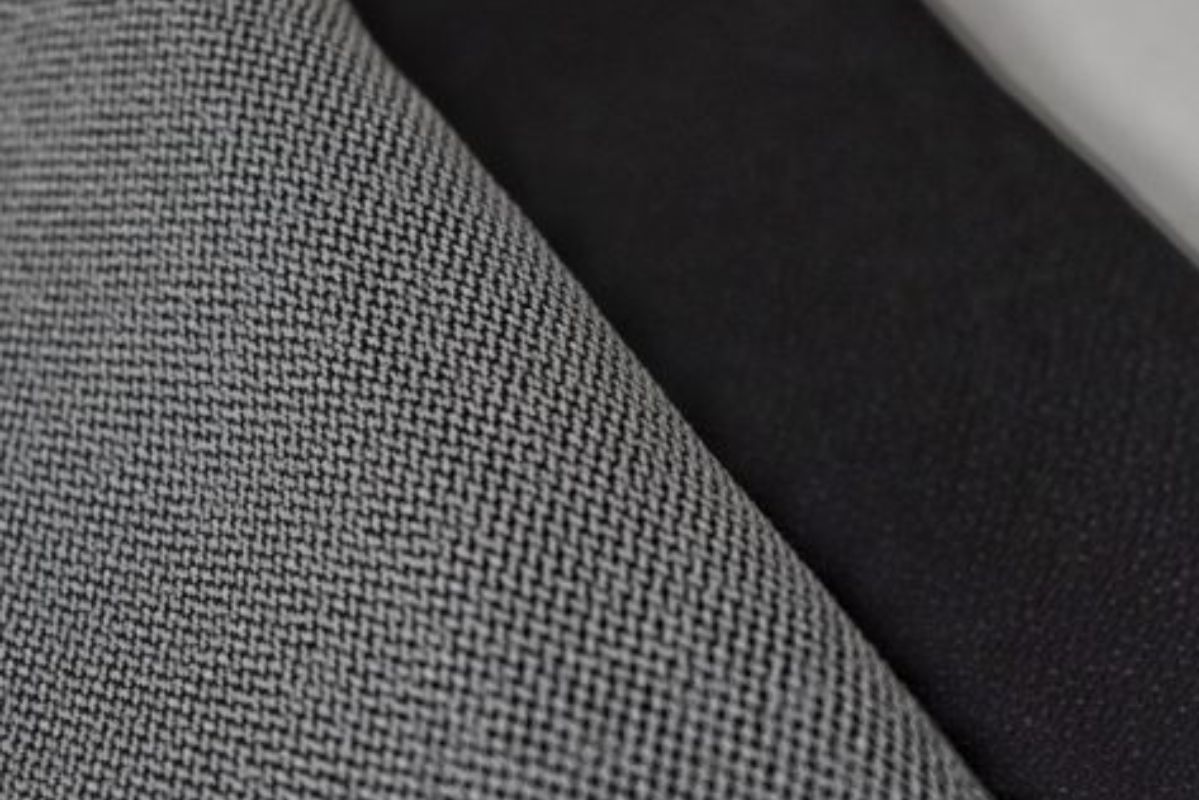
Woven interlining fabric is a supporting material made by interlacing two sets of yarns: warp yarns running lengthwise and weft yarns running crosswise. These yarns form a structured fabric that can be attached to the main garment fabric to provide additional support.
Unlike non-woven interlining, which is produced by bonding fibres together, woven interlining has a recognisable yarn-based construction. This structure makes it suitable for garment sections that require consistent support and shape.
Woven interlining is commonly used in formal garments such as suits, blazers, jackets and sherwanis. Depending on its weight and construction, it can provide anything from light support to a firmer, more structured finish.
How Is Woven Interlining Made?
Woven interlining is produced using a weaving process in which warp and weft yarns are interlaced at right angles. The resulting fabric has a defined grain direction and a consistent construction.
For fusible applications, the woven base fabric is coated with a heat-activated adhesive. When placed against the reverse side of the main fabric and treated with suitable heat and pressure, the adhesive bonds the two layers together.
At Double Ghoda, our woven fusible interlining is made using polyester yarns in both warp and weft directions. It features a PA double-dot coating, which helps bond the interlining to the garment fabric during the fusing process.
Understanding Warp, Weft and Fabric Grain
Warp and weft are important features of woven interlining because they determine the fabric’s grain direction.
- Warp: The yarns running lengthwise through the fabric.
- Weft: The yarns running across the width of the fabric.
- Bias: The diagonal direction across the fabric, generally at an angle to the warp and weft.
The direction in which interlining is cut can influence how it behaves when attached to the main fabric. Correct grain alignment helps maintain the intended structure and reduces unwanted distortion during garment construction.
What Makes Woven Interlining Different from Other Interlinings?
The main difference is its construction. Woven interlining is made using interlaced yarns, whereas non-woven interlining is produced by bonding fibres together.
Woven interlining is commonly selected for garment sections that require stronger structural support, while non-woven options are often used for lighter garment components and smaller areas.
The right choice depends on the outer fabric, garment design, required structure and production requirements.ide how either one performs, so test before you commit.
What Are the Key Characteristics of Woven Interlining Fabric?
Woven interlining has several characteristics that make it useful in structured garment manufacturing. Understanding these features helps manufacturers select the right material for different garment styles and fabric types.
1. Woven Structure and Grain Direction
One of the main characteristics of woven interlining is its yarn-based construction. The interlacing of warp and weft yarns creates a defined fabric structure.
This construction gives the material a clear grain direction. Manufacturers need to consider this direction while cutting and positioning the interlining to achieve the intended garment structure.
2. Natural Drape, Feel and Fabric Compatibility
Woven interlining is available in different weights and constructions to suit different garment fabrics. When the correct grade is selected, it can support the outer fabric without unnecessarily changing the garment’s intended appearance and feel.
For example, a lightweight fabric may require a lighter interlining to maintain its natural movement, whereas a structured blazer may need a heavier option for additional body.
The aim is to achieve a suitable balance between support, flexibility and the overall feel of the garment.
3. Strength, Stability and Shape Retention
Woven interlining is used in garment sections where additional support and shape retention are important.
It helps reinforce areas such as jacket fronts, lapels, collars and other structured sections. This support can help garments maintain their intended form during regular use.
For formal garments, selecting a suitable woven interlining grade is particularly important because the garment’s appearance depends on how well its structured sections hold their shape.
4. Different Weight Options and GSM Grades
Woven interlining is available in different weights, measured in GSM (grams per square metre). GSM helps manufacturers understand the weight of the interlining and shortlist suitable options for their garment requirements.
A lightweight interlining may be appropriate for fine fabrics, while heavier grades are generally considered for garments requiring more structure.
At Double Ghoda, our woven fusible interlining range includes 11 GSM grades:
| GSM | Typical garment applications |
| 30 GSM | Lightweight chiffon, georgette and fine fabrics |
| 42 GSM | Light formal wear, summer jackets and ladies’ ethnic wear |
| 55 GSM | Thin-fabric jackets, front parts and waistbands |
| 60 GSM | Mid-weight formal wear, cuffs and pockets |
| 70 GSM | Polyester shirts, uniforms and mid-grade suits |
| 80 GSM | Standard blazers and jackets |
| 100 GSM | Structured suits and full-front applications |
| 120 GSM | Premium suits, blazers and bandgala jackets |
| 130 GSM | Heavy formal jackets, woollen overcoats and ethnic occasion wear |
| 140 GSM | Full-front sherwani construction; trade name 111 quality |
| 150 GSM | Heavy formal wear requiring maximum structure |
These applications are starting points rather than fixed rules. The final GSM should be selected according to the outer fabric, garment design and desired finish.
5. Fusible and Sew-In Application Options
Woven interlining is available in different application types.
Fusible woven interlining has a heat-activated adhesive coating on one side. It is attached to the main fabric using a suitable fusing process involving heat and pressure.
Sew-in woven interlining does not rely on a heat-activated adhesive. Instead, it is attached to the garment through stitching.
The choice depends on the garment construction method, fabric compatibility and the finish required. Double Ghoda’s featured woven interlining range focuses on fusible options with PA double-dot coating.
6. Durability and Resistance to Repeated Washing
Durability is another important consideration when selecting interlining for formal garments. The interlining must remain properly attached and continue supporting the garment through its intended care routine.
For fusible woven interlining, durability depends on factors such as adhesive compatibility, fusing temperature, pressure, application time and fabric characteristics.
Double Ghoda’s woven fusible interlining is specified as suitable for machine washing at 40°C and dry cleaning. However, manufacturers should always test the complete garment combination and follow the recommended care instructions before bulk production.
What Is Woven Fusible Interlining and How Does It Work?
Woven fusible interlining is a woven supporting fabric coated with a heat-activated adhesive. It is used to reinforce the main fabric and provide additional structure to selected garment sections.
The adhesive coating is activated through heat and pressure, allowing the interlining to bond with the reverse side of the outer fabric.
This makes woven fusible interlining a practical option for garment manufacturers producing structured clothing such as suits, blazers, sherwanis and formal jackets.
How Does the Adhesive Coating Help in Fusing?
The adhesive coating creates the bond between the woven interlining and the main fabric.
When the correct temperature, pressure and application time are used, the thermoplastic adhesive activates and attaches the two fabric layers.
The quality of this bond is important. Incorrect fusing conditions or incompatible fabric combinations may result in problems such as bubbling, peeling or an uneven surface.
Understanding PA Double-Dot Coating
PA stands for polyamide, a thermoplastic adhesive used in fusible interlining.
Double-dot coating refers to the pattern in which the adhesive is applied to the interlining surface. The adhesive is distributed in a dot pattern rather than being applied as a continuous layer.
Double Ghoda’s woven fusible interlining uses PA double-dot coating. This coating is designed to provide a reliable bond while supporting the requirements of structured garment manufacturing.
How Is Woven Fusible Interlining Applied?
The general application process involves the following steps:
- Cut the interlining: Cut the material according to the shape and size of the garment panel.
- Position the material: Place the adhesive-coated side against the reverse side of the main fabric.
- Apply heat and pressure: Use a suitable fusing press and follow the recommended application settings.
- Allow it to cool: Let the fused material cool before handling.
- Inspect the bond: Check for bubbles, peeling, uneven adhesion or visible surface marks.
For Double Ghoda’s woven fusible interlining, the listed reference settings are 125°C–145°C temperature, 18–25 seconds application time and 1.5–2.5 kg/cm² pressure.
These settings should be treated as a starting reference. Always conduct sample trials with your actual garment fabric and production equipment before proceeding with bulk manufacturing.
Where Is Woven Interlining Fabric Commonly Used?
Woven interlining is particularly useful in garments that require additional body, shape and structural support. The GSM and type of interlining selected will depend on the garment design and the level of support required.
Some common applications include:
Suits and Blazers
Suits and blazers require proper structure around the front panels, chest and lapel areas. Woven fusible interlining helps reinforce these sections and supports the intended shape of the garment.
Depending on the fabric and construction, manufacturers may consider grades between 80 and 130 GSM.
Sherwanis and Ethnic Wear
Sherwanis and other structured ethnic garments often require firmer support, particularly across the front panels.
Heavier woven interlining grades can help provide the body and structure needed for these garments. Double Ghoda’s 140 GSM woven interlining, also known as 111 quality, is positioned for full-front sherwani construction.
Bandgala and Nehru Jackets
Bandgala and Nehru jackets require a defined silhouette and structured front panels. Woven interlining helps reinforce these areas and support the overall garment shape.
Depending on the outer fabric and desired finish, manufacturers may consider heavier grades in the 100–140 GSM range.
Formal Jackets and Overcoats
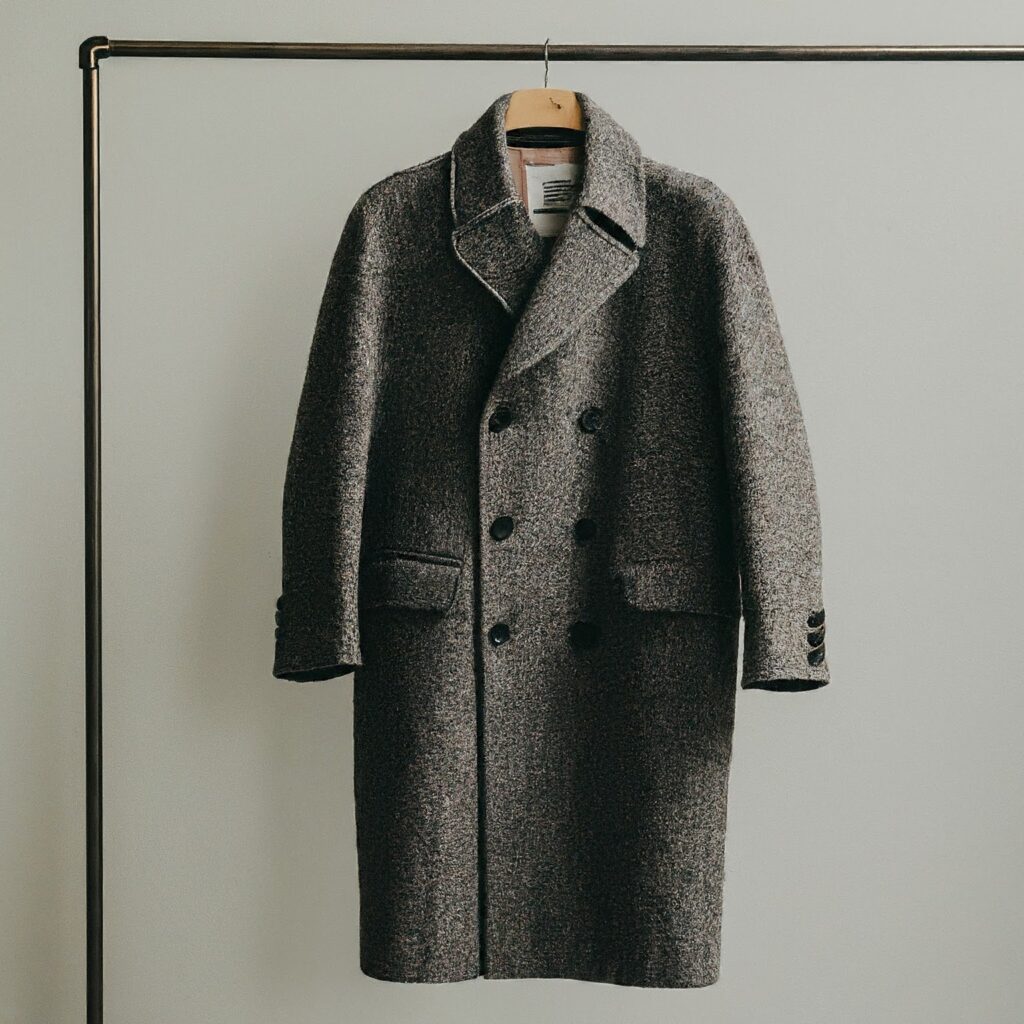
Formal jackets and woollen overcoats may require additional reinforcement to maintain their shape. Woven interlining can be used in the front panels and other structured sections.
The selected GSM should match the weight and construction of the outer fabric.
Collars, Cuffs and Other Garment Components
Woven interlining can also be considered for selected garment components that require additional support. These include collars, cuffs, lapels, waistbands and other reinforced areas.
The material should be chosen according to the required firmness, flexibility and compatibility with the main fabric.
How Do You Choose the Right GSM for Woven Interlining?
Choosing the correct GSM is an important part of selecting woven interlining for garment manufacturing. A grade that is too heavy may make the garment unnecessarily stiff, while a grade that is too light may not provide the required support.
The right choice depends on the garment type, outer fabric, construction and intended finish.
Lightweight, Medium-Weight and Heavy-Weight Options
Woven fusible interlining is available in different GSM categories to suit different garment requirements.
- Lightweight grades (30–55 GSM): Suitable for fine fabrics and lighter garment applications where minimal additional structure is required.
- Medium-weight grades (60–80 GSM): Commonly considered for mid-weight formal garments, shirts, uniforms, blazers and jackets.
- Heavy-weight grades (100–150 GSM): Used for garments requiring greater structure, including formal suits, bandgalas, sherwanis and heavy outerwear.
These categories are general selection guidelines. The actual suitability of a GSM depends on how the interlining performs with the outer fabric.
Selecting GSM for Suits, Blazers and Sherwanis
Here are some starting points based on common garment applications:
| Garment type | Woven interlining GSM to consider |
| Standard blazers | 80 GSM |
| Structured suits | 100 GSM |
| Premium suits and blazers | 100–120 GSM |
| Bandgala jackets | 100–140 GSM |
| Heavy formal jackets | 120–130 GSM |
| Sherwanis | 140 GSM (111 quality) |
| Heavy ethnic formal wear | 140–150 GSM |
These recommendations are based on Double Ghoda’s listed application guide. The final selection should be confirmed through sample fusing and garment testing.
Woven vs. Non-Woven Interlining: What Is the Difference?
Woven and non-woven interlining are both used in garment manufacturing, but they differ in their construction and typical applications.
Woven interlining is produced by interlacing yarns, while non-woven interlining is made by bonding fibres together. These different structures influence their strength, support and suitability for different garment sections.
| Feature | Woven Interlining | Non-Woven Interlining |
| Construction | Interlaced warp and weft yarns | Bonded fibre structure |
| Material structure | Defined woven fabric | Fibre-based web |
| Strength | Suitable for stronger structural support | Generally used for lighter support |
| Shape retention | Used in structured garment sections | Suitable for smaller garment components |
| Common applications | Suits, blazers, sherwanis and jackets | Collars, cuffs, plackets and pockets |
| Application | Available in fusible and sew-in options | Available in different fusible constructions |
Which Option Is Suitable for Your Garment?
The right option depends on the purpose of the interlining.
If your garment requires support across larger sections, such as the front panels of a suit, blazer or sherwani, woven fusible interlining may be a suitable choice.
For smaller garment components such as collars, cuffs, plackets and pockets, non-woven interlining may be considered depending on the required finish.
Many garment manufacturers use both types within the same garment because different sections may require different levels of support.
The important thing is to match the interlining to the garment’s construction requirements rather than selecting one type for every application.
Why Choose Double Ghoda for Woven Fusible Interlining?
At Double Ghoda, we understand that the right interlining contributes to the structure, finish and overall quality of a garment. Our woven fusible interlining range is designed to support the requirements of garment manufacturers working with formalwear, structured jackets and ethnic garments.
We supply woven fusible interlining in 11 GSM grades, ranging from 30 to 150 GSM, allowing manufacturers to shortlist options based on their fabric and garment requirements.
Here is an overview of our woven fusible interlining specifications:
- Fabric construction: Woven polyester yarns in warp and weft directions
- Material: 100% polyester
- Coating: PA double-dot coating
- GSM range: 30–150 GSM across 11 grades
- Width: 150 cm (58–60 inches)
- Available colours: White, black and grey/charcoal
- Roll length: 50 metres per roll
- Care: Machine washable at 40°C and dry-clean safe
- Certification: OEKO-TEX® Standard 100
Our 140 GSM woven interlining, known as 111 quality, is a key option for full-front sherwani construction. We also offer grades for suits, blazers, bandgala jackets, formal jackets and other structured garments.
As a wholesale supplier, we work with garment manufacturers and businesses looking for woven fusible interlining in bulk quantities.
If you are looking for woven interlining fabric for suits, blazers or sherwanis, explore our woven fusible interlining range to understand the available GSM grades and specifications.
Connect with Double Ghoda to discuss your woven fusible interlining requirements and find a suitable grade for your garment manufacturing needs.
FAQs
What is woven interlining fabric used for?
Woven interlining fabric is used to provide additional support and structure to garments. It is commonly used in suits, blazers, sherwanis, jackets, lapels and other garment sections that require shape retention.
What is the difference between woven and non-woven interlining?
Woven interlining is made by interlacing warp and weft yarns, while non-woven interlining is produced by bonding fibres together. Woven options are commonly used for structured garments, whereas non-woven options are often selected for smaller garment components.
What is woven fusible interlining?
Woven fusible interlining is a woven fabric coated with heat-activated adhesive. It is attached to the reverse side of the main garment fabric using heat and pressure to provide additional structure and support.
Which GSM is suitable for woven interlining for suits?
The suitable GSM depends on the suit fabric and desired structure. Grades around 80–120 GSM are commonly considered for blazers and suits, while heavier constructions may require higher GSM options. Sample testing is recommended before bulk production.
What GSM woven interlining is used for sherwanis?
A heavier woven interlining is generally considered for structured sherwanis. Double Ghoda lists 140 GSM, also known as 111 quality, for full-front sherwani construction. The final selection should be confirmed with the outer fabric and garment design.
What is PA double-dot coating in woven fusible interlining?
PA stands for polyamide, a heat-activated adhesive used in fusible interlining. Double-dot refers to the pattern in which the adhesive is applied to the woven fabric. It helps bond the interlining to the main fabric during the fusing process.
Is woven fusible interlining washable?
Woven fusible interlining can be used in garments designed for washing or dry cleaning, provided the adhesive, outer fabric and fusing process are compatible. Double Ghoda specifies its woven range as suitable for machine washing at 40°C and dry cleaning. Always check the garment’s care requirements and test the complete fabric combination.
Link of related Articles
- Lightweight Interlining vs. Heavyweight Interlining
- A Beginner’s Guide to Interlining
- Choosing the Right Interlining