When it comes to garment manufacturing, the way different fabric layers are joined plays an important role in the final look, feel and durability of a garment. You may have come across terms such as fabric fusing and fabric bonding while exploring textile processes. Although these terms are often used interchangeably, they do not mean exactly the same thing.
At Double Ghoda, we work with interlining fabrics and understand how important the right fabric-joining technique is for achieving the desired garment structure. Fabric fusing is a specific process that uses heat-activated adhesive to attach a supporting layer, usually fusible interlining, to the main fabric. Fabric bonding, on the other hand, is a broader term that includes different techniques for joining fabric layers.
Understanding this difference helps you make better decisions about fabric construction, garment structure and material selection. So, let us explore how both processes work and where each one is commonly used.
What Is Fabric Fusing?
Fabric fusing is a process of joining two fabric layers with the help of a heat-activated adhesive. It commonly involves attaching fusible interlining to the reverse side of the main fabric using controlled heat, pressure and time.
The purpose of this process is to give your fabric additional body, stability and shape without requiring extra stitching to attach the supporting layer. It is widely used in garment manufacturing, particularly for components that need to maintain a defined shape, such as collars, cuffs, waistbands and jacket fronts.
How Does the Fabric Fusing Process Work?
Fabric fusing follows a controlled process to ensure that the interlining attaches properly to the main fabric. Here is how we can understand the process step by step:
- Select the fabrics: Choose a suitable main fabric and fusible interlining that are compatible with each other.
- Position the layers: Place the adhesive-coated side of the interlining against the wrong side of the main fabric.
- Apply heat and pressure: Use a fusing press or suitable equipment to apply the required heat and pressure for a specific duration.
- Allow the layers to cool: As the adhesive cools, it solidifies and helps hold both fabric layers together.
- Check the finished fabric: Inspect the fused material for even adhesion, bubbles, wrinkles or visible adhesive marks before proceeding with garment production.
The correct temperature, pressure and application time depend on the adhesive and fabric being used. We recommend following the interlining manufacturer’s specifications and testing a sample before bulk production.
What Is Fusing Cloth and How Does It Work?
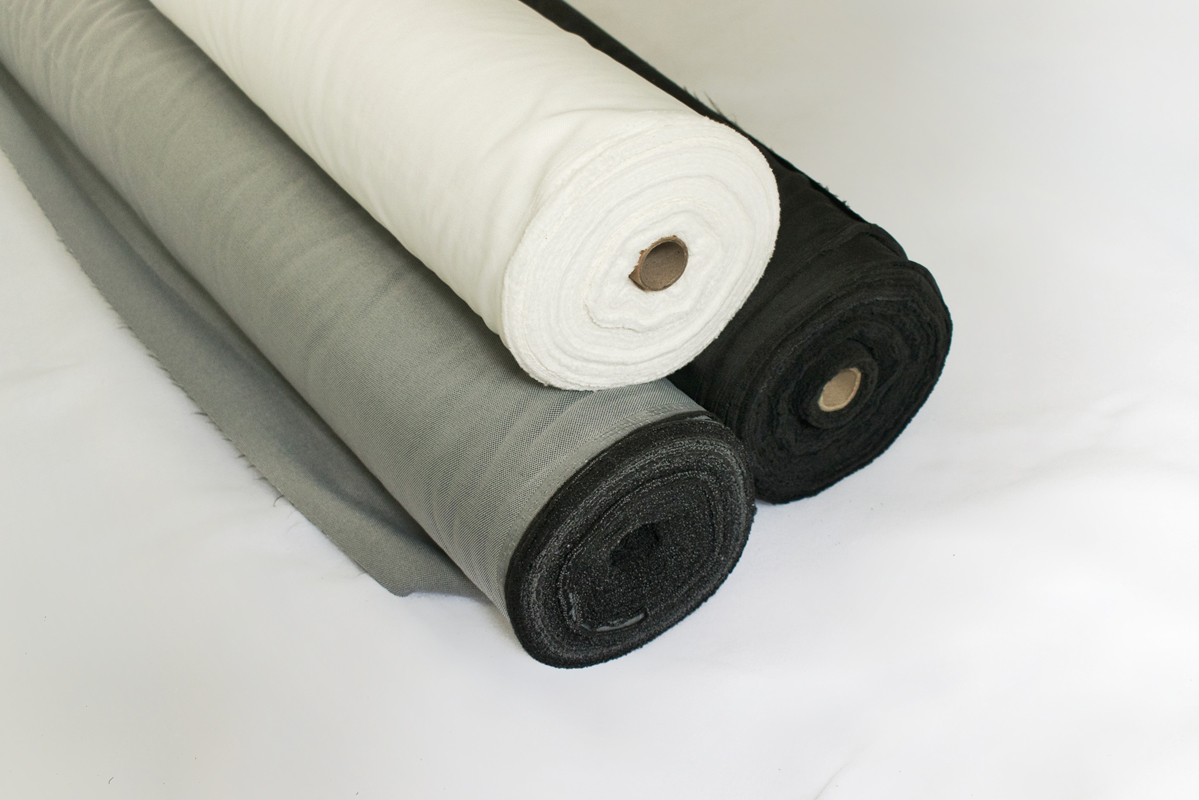
Fusing cloth is a supporting fabric that has a heat-activated adhesive coating on one side. When you apply it to the main fabric using heat and pressure, the adhesive softens and attaches the two layers.
The adhesive is generally applied in small dots or a thin coating across the surface. During the fusing process, these adhesive points soften and create a connection between the interlining and the main fabric. Once cooled, they help the fabric maintain its added structure and stability.
The adhesive distribution also plays a role in the final fabric feel. A suitable coating can provide support while allowing the fused material to retain flexibility and breathability.
What Is the Role of Fusible Interlining?
Fusible interlining is one of the most commonly used materials in fabric fusing. It acts as a supporting layer that helps your garment maintain its shape and structure.
When attached to the main fabric, it can:
- Add firmness and body to lightweight fabrics.
- Prevent fabric edges from stretching or losing their shape.
- Provide support to collars, cuffs and waistbands.
- Improve the stability of stitching areas.
- Help garment components maintain their shape during regular wear and washing.
By selecting suitable fusible interlining, you can achieve the desired balance of softness, flexibility and firmness in your garment.
What Is Fabric Bonding?
Fabric bonding is a broader textile process in which two or more fabric layers are joined to function as a single material or component. Unlike fabric fusing, bonding is not limited to heat-activated adhesive or interlining.
Depending on the material and intended application, fabric bonding can involve adhesives, heat or ultrasonic energy. These techniques are used across different industries, including apparel, upholstery, medical textiles and technical textiles.
The main purpose is to combine different layers to achieve specific properties such as strength, flexibility, insulation, water resistance or a particular surface finish.
How Does the Fabric Bonding Process Work?
In fabric bonding, two or more layers are attached across their surfaces so they work together as one material. The exact process depends on the bonding technique being used.
For example, a fabric layer may be joined to a waterproof membrane to create a laminated material. Similarly, foam can be attached to fabric to produce a cushioned or padded textile structure.
The choice of bonding method depends on the type of fibres, material compatibility, intended use and finish you want to achieve.
What Are the Different Methods of Fabric Bonding?
Fabric bonding can be carried out using different techniques. Some of the commonly used methods include:
1. Adhesive Bonding
In this method, a separate adhesive is placed between two fabric layers. It may be in the form of liquid, paste, film or hot-melt web. The layers are then pressed together while the adhesive sets or cures.
We commonly see this method in laminated fabrics and certain technical textile applications.
2. Heat Bonding
Heat bonding uses heat to soften a thermoplastic material present between or within the fabric layers. Once softened, the material helps join the layers together.
Examples include thermal bonding of non-woven fabrics, flame lamination of foam to fabric and the use of fusible webs. Fabric fusing with heat-activated adhesive is closely related to this method.
3. Ultrasonic Bonding
Ultrasonic bonding uses high-frequency vibrations to generate heat at the points where fabric layers meet. This heat softens or melts suitable synthetic fibres, allowing them to join without additional adhesive or sewing thread.
This technique is commonly used for sealed seams, quilting patterns and certain activewear details. It works best with materials containing thermoplastic fibres such as polyester or nylon.
Where Are Bonded Fabrics Commonly Used?
Bonded fabrics are used in several everyday products and specialised textile applications. Some examples include:
- Waterproof and breathable jackets made with laminated membranes.
- Foam-backed fabrics used in outerwear, footwear and car interiors.
- Sportswear and underwear with seamless or taped seams.
- Disposable medical gowns and hygiene products.
- Upholstery and filtration materials.
These applications show how fabric bonding can combine different materials to achieve specific performance and functional requirements.
What Is the Difference Between Fabric Fusing and Fabric Bonding?
The main difference between fabric fusing and fabric bonding is their scope and the techniques involved.
Fabric fusing is a specific method of joining a supporting layer to the main fabric using a heat-activated adhesive, generally through fusible interlining. Fabric bonding is a wider category that includes adhesive bonding, heat bonding and ultrasonic bonding.
In simple terms, fabric fusing is one type of fabric bonding, but not every bonding process is fabric fusing.
Difference in Process and Technique
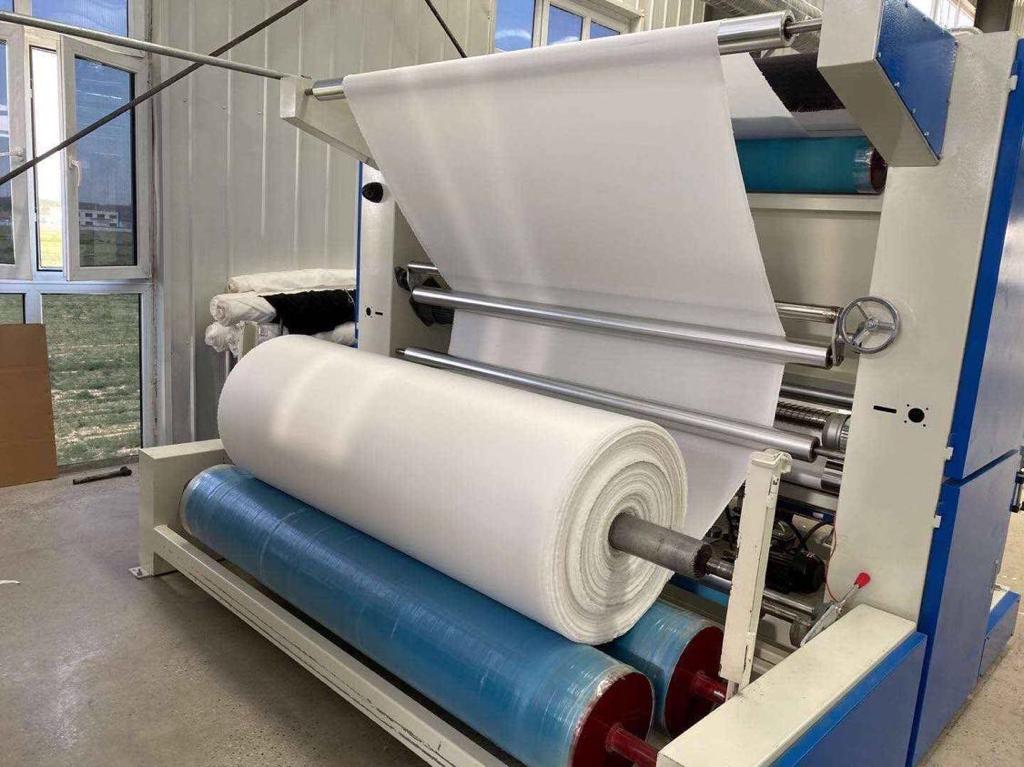
Fabric fusing is generally carried out using a fusing press or suitable heat application equipment. A pre-coated interlining is placed against the main fabric and attached through controlled heat, pressure and time.
Fabric bonding includes several other methods, such as adhesive lamination, thermal bonding and ultrasonic joining. The process varies depending on the materials and the intended result.
Materials Used in Both Methods
For fabric fusing, we generally use the main garment fabric along with woven, knitted or non-woven fusible interlining that has a heat-activated adhesive coating.
Fabric bonding can involve a wider range of materials, including ordinary fabrics, foams, films, membranes, adhesive webs and thermoplastic fibres.
Role of Heat, Pressure and Adhesives
In fabric fusing, heat, pressure and time are essential because they activate and set the adhesive present on the interlining.
However, not every fabric bonding technique requires all three. Some adhesive bonding methods use adhesives that cure without heat, while ultrasonic bonding joins suitable synthetic fibres through vibration-generated heat without requiring additional adhesive.
Applications and Fabric Finish
Fabric fusing is mainly used in garment construction to provide structure and support to specific components. You will commonly find it in collars, cuffs, plackets, waistbands and jacket fronts.
Fabric bonding has wider applications, including laminated outerwear, sealed seams, foam-backed textiles and technical fabrics.
The final finish also varies. A properly fused fabric can retain a soft, tailored feel while providing support. Bonded fabrics may range from flexible to firm, depending on the joining method and materials used.
Fabric Fusing vs. Fabric Bonding: Quick Comparison
| Aspect | Fabric Fusing | Fabric Bonding |
| Meaning | A specific fabric-joining method | A broader category of joining methods |
| Main joining agent | Heat-activated adhesive on fusible interlining | Adhesives, heat or ultrasonic energy |
| Process | Pressing under controlled heat and pressure | Adhesive lamination, heat bonding or ultrasonic joining |
| Materials | Main fabric and fusible interlining | Fabrics, foams, films, membranes and thermoplastic fibres |
| Adhesive requirement | Pre-coated adhesive is required | Depends on the bonding method |
| Common applications | Collars, cuffs, waistbands and jacket fronts | Laminated outerwear, sealed seams and technical textiles |
| Final finish | Provides garment shape and support | Can range from flexible to firm, depending on the method |
Is Fabric Fusing a Type of Fabric Bonding?
Yes, fabric fusing is a type of fabric bonding. However, the two terms have different meanings in textile manufacturing.
Fabric fusing uses a heat-activated adhesive, generally applied to fusible interlining, to join a supporting layer with the main fabric. Fabric bonding includes this process as well as other techniques such as adhesive lamination, thermal bonding and ultrasonic welding.
Think of fabric bonding as the larger category and fabric fusing as one specific method within it. Every fused fabric is bonded, but not every bonded fabric is fused.
Understanding the Relationship Between Fusing and Bonding
The relationship between these processes becomes clearer when we look at how each one works.
During fusing, the adhesive is already present on the interlining. Heat activates it, pressure helps it attach to the main fabric, and cooling allows the adhesive to set.
In other bonding techniques, the joining process may involve a separate adhesive layer, thermoplastic materials or ultrasonic vibrations. For example, a waterproof jacket made by joining fabric with a membrane is bonded, but it is not necessarily made through the conventional interlining fusing process.
How Does Interlining Fabric Help Us Achieve Better Fusing Results?
Interlining fabric is a supporting layer placed between the outer fabric and the lining of a garment, or attached to specific garment components. It helps improve the structure, stability and overall appearance of the finished garment.
When we use fusible interlining, one side of the material carries a heat-activated adhesive coating. This allows you to attach it to the main fabric through the fusing process.
Choosing the right interlining fabric is important because the weight, construction, adhesive and compatibility with the main fabric all influence the final result.
How Does Fusible Interlining Support Your Main Fabric?
Fusible interlining provides additional support without requiring separate stitching to attach the supporting layer. It helps your main fabric maintain its intended shape and makes garment construction more manageable.
Some of its key functions include:
- Reducing unwanted stretching along fabric edges.
- Helping prevent seams from puckering.
- Providing support to collars, cuffs and waistbands.
- Improving the stability of areas that require stitching.
- Helping garment components retain their shape during use.
For the best results, the interlining should be compatible with the main fabric. A lightweight fabric may require a softer interlining, while heavier materials may need a firmer supporting layer.
What Is Body Fusing in Garment Manufacturing?
Body fusing is the process of attaching interlining across the main body panels of a garment, such as the front panels of a jacket or coat.
Unlike fusing smaller components like collars and cuffs, body fusing provides support across larger fabric areas. It helps the garment maintain its overall shape, structure and drape.
For tailored garments, a soft and flexible interlining is generally preferred for body fusing. This allows the garment to retain a natural feel while gaining the necessary support across the chest and front panels.
Common Applications in Garments
Interlining fabric is used in different parts of clothing depending on the structure and support required.
- Collars: Helps maintain crisp collar points and prevents curling.
- Cuffs: Provides firmness and helps cuffs retain their shape.
- Jackets and suits: Supports lapels, chest areas and front panels through body fusing.
- Waistbands: Helps prevent stretching and provides additional firmness.
- Plackets: Supports button and buttonhole areas and helps maintain their shape.
By matching the interlining construction and weight to your garment requirements, you can achieve a more consistent finish.
What Should You Consider When Choosing Between Fabric Fusing and Fabric Bonding?
Fabric fusing and fabric bonding serve different purposes. The right choice depends on the material you are working with, the garment application and the finish you want to achieve.
Before selecting a method, consider the following factors.
Fabric Type and Garment Requirements
Start by understanding the type of fabric and its intended application.
For shirts, jackets, suits and other tailored garments, fabric fusing with suitable fusible interlining is commonly used to provide structure and support.
For waterproof outerwear, foam-backed materials and sealed seams, other bonding techniques, such as lamination or ultrasonic joining, may be more suitable.
You should also consider whether your main fabric is delicate, stretchy, heavily textured or sensitive to heat, as these characteristics can affect the joining process.
Required Structure and Flexibility
Think about how you want the finished garment or textile material to look and feel.
If you need to give a collar, cuff or jacket front a defined shape while retaining a soft feel, fabric fusing allows you to select an interlining according to the required level of support.
If your objective is to combine different materials to achieve specific properties, such as water resistance, insulation or sealed seams, a suitable fabric bonding method may be more appropriate.
Durability and Production Requirements
The final joining method should also match the expected use and production conditions.
Consider factors such as:
- Expected wear and washing requirements.
- Compatibility between the fabric and adhesive.
- Production volume and available equipment.
- Required temperature, pressure and application time.
- Desired flexibility and long-term bond strength.
For fabric fusing, selecting compatible interlining and following the recommended fusing specifications are important. For other bonding techniques, you may need specialised lamination or ultrasonic equipment.
We recommend testing the selected materials and process on a small sample before moving to bulk production. This helps you identify possible issues such as bubbling, separation, stiffness or adhesive showing through the fabric.
Why Choose Double Ghoda for Your Interlining Fabric Requirements?
At Double Ghoda, we understand the important role interlining fabric plays in garment construction. The right supporting material can make a difference to the structure, stability and overall finish of your garments.
Whether you are exploring fusible interlining for collars and cuffs or looking into body fusing for jackets and suits, understanding your fabric requirements is the first step towards selecting a suitable material.
We believe that choosing interlining should involve more than simply considering its weight or appearance. You should also look at its construction, adhesive compatibility, flexibility and intended garment application.
Our focus on interlining fabrics helps us understand the different requirements involved in fabric fusing and garment manufacturing. We aim to help you understand these materials so you can make informed decisions for your textile and apparel requirements.
If you are exploring interlining options for your next garment project, connect with Double Ghoda to learn more about our interlining fabric offerings and find a suitable option for your application.
Link of related Articles
- Lightweight Interlining vs. Heavyweight Interlining
- A Beginner’s Guide to Interlining
- Choosing the Right Interlining