
If you’ve ever picked up a shirt and wondered why the collar stands up so cleanly, or why a jacket front holds its shape without feeling stiff, the answer is usually hiding in a layer you never see. That layer is interlining, and a huge share of the garment industry relies on one particular type to get the job done affordably and consistently.
We’re Double Ghoda, a wholesale supplier of interlining fabric to garment manufacturing units, tailoring businesses, and export houses across India, and non woven interlining is one of the products we supply the most. In this guide, we’ll walk you through exactly where it’s used across the garment industry, so you know when to reach for it and when a different type makes more sense.
Table of Contents
- Understanding Non Woven Fusible Interlining
- Applications of Non Woven Interlining in Garments
- Where Non Woven Interlining Fabric Is Used in Jackets and Outerwear
- Where It’s Used in Women’s Wear and Ethnic Garments
- How to Choose the Right Non-Woven Interlining for Your Garment
- Non-Woven vs. Woven Interlining: Which Should You Use?
Understanding Non Woven Fusible Interlining
Non woven fusible interlining is a fabric that’s made without any weaving or knitting. Instead, fibres are bonded together directly, usually from polyester, and coated with a heat-activated adhesive on one side. When you press it against your main fabric with heat and pressure, it fuses permanently, giving that section of the garment extra body and stability.
Here’s what makes it different from other interlining types:
- No grain direction. Since there are no woven yarns, you can cut it in any direction without worrying about grainlines.
- Soft, elastic handle. It has good elasticity, so it moves with stretchy or lightweight fabrics instead of fighting them.
- Consistent bonding. Ours is made from super-quality polyester base fabric with hotmelt adhesive applied through a double dot treatment, so bonding stays even across the whole panel.
- Budget-friendly at scale. It’s typically the most economical interlining option for high-volume production, which is exactly why so many garment units use it as their default.
Because of this combination, this fabric ends up as the workhorse behind a lot of everyday garment construction, even though most people never notice it’s there. Here’s a quick reference to the technical specs we work with:
| Attribute | Detail |
| Material | 100% polyester |
| Weight | 30 GSM to 82 GSM |
| Width | 100 cm (40 inch) |
| Colour | White, black, charcoal |
| Coating | Paste dot or double dot |
| Care | Washing at 40°C or dry cleaning |
| Packing | 100 yards per roll, 6 rolls per bale |
Keep this table handy when you’re briefing your cutting and fusing team, since it covers most of the decisions you’ll need to make before placing a bulk order.
Applications of Non Woven Interlining in Garments
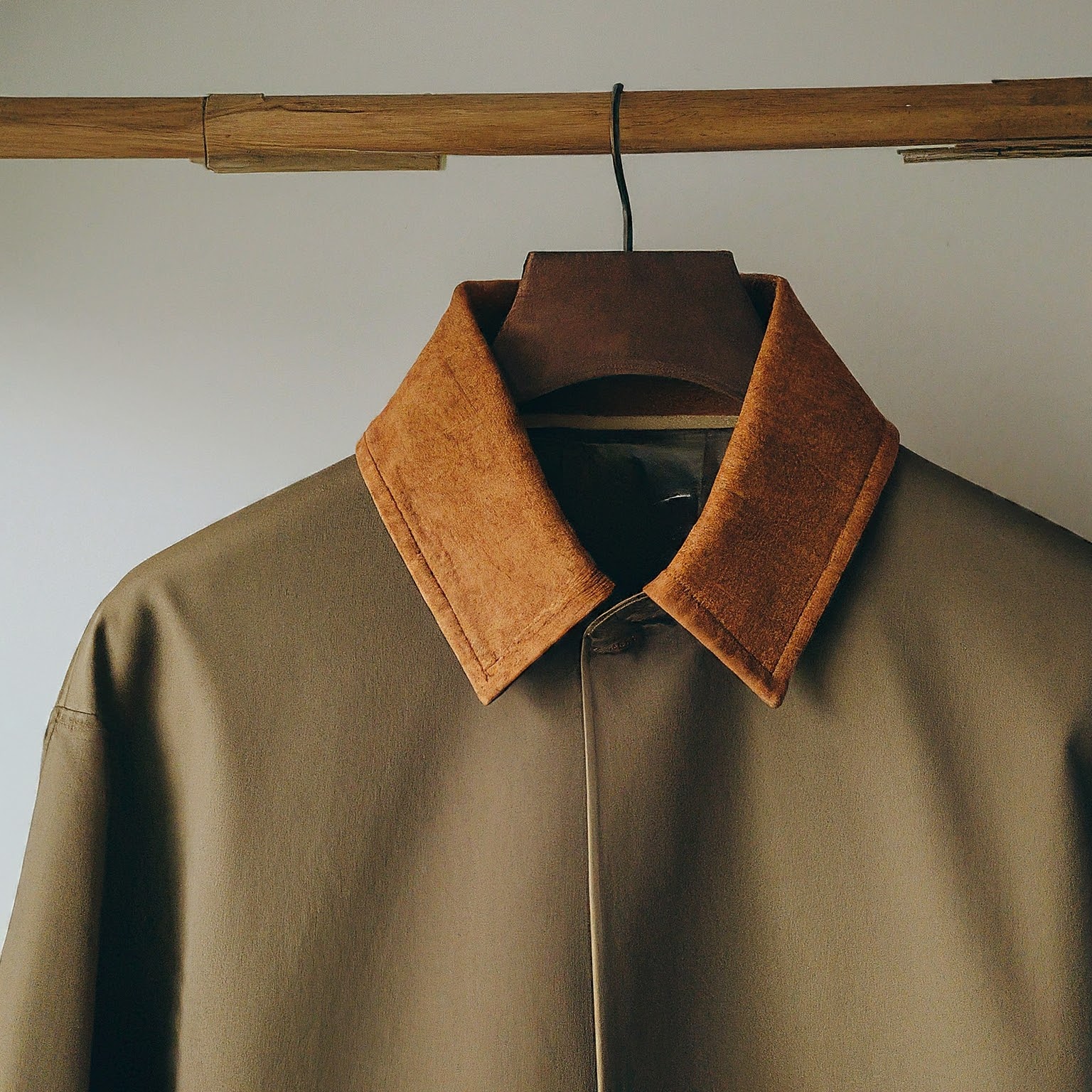
This is probably the single biggest use case in the entire garment industry. If you’ve bought a formal or casual shirt recently, there’s a strong chance this fabric is doing the structural work behind the scenes.
You’ll typically find it in:
- Collars and collar stands, so they sit upright and hold a crisp point
- Cuffs, keeping them firm through repeated buttoning and unbuttoning
- Plackets and front panels, where buttonholes need reinforcement to avoid tearing
- Yokes, for shirts that need a slightly more structured shoulder line
Why it works so well here:
- It’s lightweight enough not to add bulk to a shirt
- It fuses cleanly onto cotton, polyester, and blended shirting fabric
- It holds up through repeated washing at 40°C without losing bond strength
- It’s easy to cut into small, precise shapes like collar points and cuff panels
- It stays consistent across large production runs, which matters when you’re fusing thousands of collars a day
If you run a shirt manufacturing unit, this is very likely the exact product you’re already ordering in bulk, whether or not you knew its proper name. Many wholesale buyers search for a fusible interlining manufacturer in India specifically for shirt collar applications, and this weight range is usually the answer.
Where Non Woven Interlining Fabric Is Used in Jackets and Outerwear
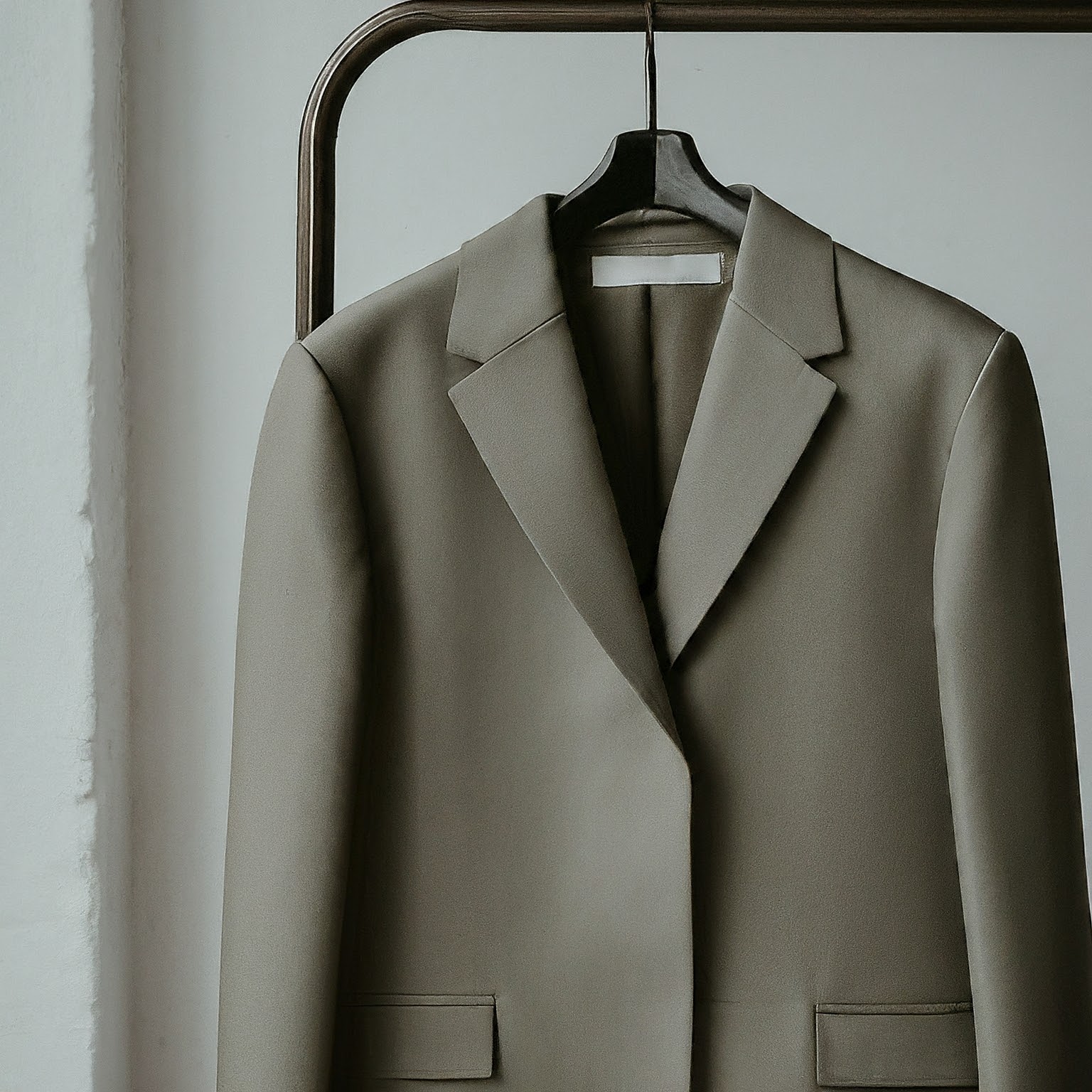
Interlining isn’t just for small parts. It also plays a major role in jackets, blazers, and other outerwear, particularly for the full-front fuse that gives a jacket its shape. This is where non woven interlining fabric earns its place as a lightweight, budget-friendly structural layer.
Common applications include:
- Full-front fusing on lightweight jackets and blazers
- Facings and lapels, where a clean, sharp edge matters
- Pocket flaps and welts, so they hold their shape instead of curling
- Waistbands on jackets, coats, and trousers
- Hoods and lightweight fleece linings, where a soft handle keeps the garment comfortable
What garment units generally notice:
- Medium to heavier weights within the 30–82 GSM range give jackets enough body without making them feel heavy
- Good resistance and dimensional stability after washing means the garment keeps its shape wash after wash
- It works well as a cost-effective alternative to woven interlining when the outer fabric itself already provides most of the structure
- Suitable for full front and small parts alike, so one roll can often cover multiple garment components
For lighter spring jackets and fleece-lined outerwear, this is usually the interlining of choice, since it adds shape without fighting the natural movement of the garment.
Where It’s Used in Women’s Wear and Ethnic Garments
Non woven fusible interlining also shows up extensively in womenswear and ethnic garments, largely because of its soft handle and good elasticity.
You’ll commonly see it in:
- Dresses and blouses, especially around necklines, plackets, and facings
- Kurtas and salwar suits, for collars, cuffs, and front panels
- Lightweight ethnic jackets, where a soft drape matters as much as structure
- Delicate or sheer fabrics, where a heavier woven interlining would show through or feel stiff
- Embroidered panels, where the interlining needs to support fine stitching without adding rigidity
Why designers and manufacturers reach for it here:
- Its soft texture after fusing suits fabrics that need to keep their natural flow
- The elasticity works well with fabrics that have a bit of stretch or movement
- It’s available in white, black, and charcoal, so it disappears invisibly behind most outer fabric shades
- It supports intricate cutting for necklines, curves, and embroidery panels without cracking
If you manufacture womenswear at scale, this is usually the interlining that gives you the best balance of structure and softness across your most delicate silhouettes. It’s also a common ask from buyers searching for interlining fabric suppliers who can match specific shade requirements for export orders.
How to Choose the Right Non-Woven Interlining for Your Garment
With a 30 to 82 GSM range to choose from, picking the right weight and finish of non woven interlining fabric makes a real difference to your final product. Here’s how to think it through:
- Match the weight to your fabric. Lighter fabrics need lighter interlining closer to 30 GSM; heavier fabrics can handle something closer to 82 GSM.
- Consider the garment part. Collars and cuffs generally need more body than facings or small trims.
- Check the coating method. Ours comes in both paste dot and double dot coating, so you can pick based on the bonding strength and breathability your garment needs.
- Confirm care compatibility. Make sure the interlining is rated for your intended washing or dry-cleaning process, ours is tested at 40°C washing and standard dry-cleaning.
- Test your fusing settings. Flat-bed pressing typically runs at 130–150°C for 12–16 seconds, while continuous pressing machines run slightly cooler at 125–140°C for 12–18 seconds. Always test a sample swatch before a full production run.
- Plan your quantities around packing. We supply in rolls of 100 yards each, with 6 rolls per bale, which makes it easier to plan bulk orders around your cutting room’s actual consumption.
- Talk to your supplier early. A good wholesale supplier can help you shortlist the right GSM and coating before you commit to a large batch, saving you a costly reorder later.
We always recommend a small trial run on your actual fashion fabric first. Every fabric behaves a little differently under heat and pressure, and testing early is far cheaper than reworking an entire production batch. If you’re supplying export markets, it also helps to confirm certification upfront, ours carries OEKO-TEX® STANDARD 100 certification, which is usually one of the first things a compliance team checks during vendor approval.
Non-Woven vs. Woven Interlining: Which Should You Use?
Both options have their place, and the right choice usually comes down to what your garment and your budget need.
Choose the non-woven option when:
- You’re working on collars, cuffs, plackets, or other small parts
- Your fabric is lightweight, stretchy, or delicate
- You want a soft handle that won’t add stiffness
- You’re producing at high volume and want a cost-effective option
Choose woven interlining instead when:
- You need maximum durability for high-wear areas like blazer fronts
- Your outer fabric is heavy, structured suiting or coating material
- You need the interlining to resist tearing along both the length and width of the fabric
In practice, most garment manufacturing units use both, one for shirts, womenswear, and lighter panels, and the other for structured suits, sherwanis, and heavier outerwear. Knowing when to use which one is really what separates a well-finished garment from one that either sags or feels overbuilt. If you’re unsure which fits a specific fabric, sending us a swatch is usually the fastest way to get a clear recommendation.
Final Thoughts
This fabric shows up in more garments than most people realise, from the collar on your shirt to the front panel of a lightweight jacket to the neckline of a kurta. Its soft handle, good elasticity, and budget-friendly cost make it the default choice for a huge share of everyday garment construction.
At Double Ghoda, we manufacture and supply non woven interlining across the 30 to 82 GSM range, in white, black, and charcoal, with both paste dot and double dot coating options and OEKO-TEX® STANDARD 100 certified quality. Whether you’re running a shirt manufacturing unit, a womenswear label, or an export house sourcing in bulk, we can match the weight, coating, and quantity to your production needs. If you’re not sure which interlining fits your garment, reach out to us at Double Ghoda, and we’ll help you get it right the first time..
Link of related Articles
- Lightweight Interlining vs. Heavyweight Interlining
- A Beginner’s Guide to Interlining
- Choosing the Right Interlining