
Choosing the right GSM for woven interlining is one of the most important decisions in garment manufacturing. The GSM (grams per square metre) determines how much structure, stability, and support the interlining provides, making it a key factor in the final appearance, drape, and durability of a garment. Selecting the wrong GSM can leave collars too limp, jackets overly stiff, or finished garments unable to maintain their intended shape over time.
Whether you’re manufacturing formal shirts, suits, sherwanis, uniforms, or lightweight ethnic wear, understanding which GSM suits different fabrics can help you achieve consistent production quality while reducing costly rework.
In this guide, we’ll explain the differences between 30 GSM and 150 GSM woven interlining, where each weight works best, and the factors you should consider before choosing one. We’ll also share practical recommendations based on common garment applications to help tailors, garment manufacturers, exporters, and wholesale buyers select the right woven fusible interlining for every project.
Table of Contents
- Choosing the Right Woven Interlining for Your Garment
- How GSM Affects Woven Interlining Performance
- Lightweight Interlining for Delicate Fabrics (30–60 GSM)
- Mid-Weight Interlining for Everyday Garments (60–100 GSM)
- Heavyweight Woven Fusible Interlining for Suits & Sherwanis (100–150 GSM)
- How to Choose the Right GSM for Your Project
Choosing the Right Woven Interlining for Your Garment
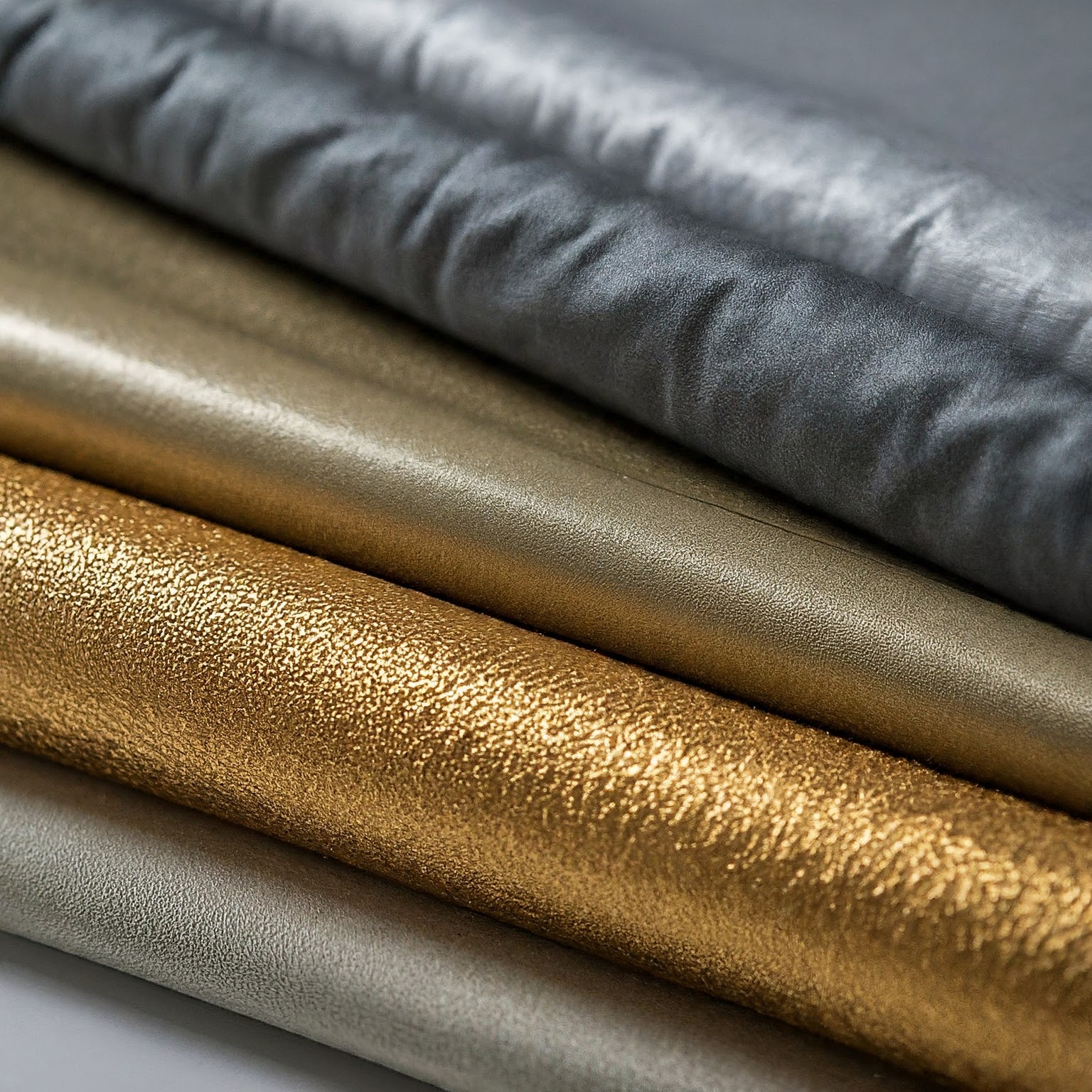
Woven interlining is a fabric layer you fuse behind your main fabric to add body, stability, and shape. Unlike nonwoven fabric interlining, it’s made with actual weft and warp threads, so it drapes more naturally and holds up better over time. That’s why you’ll find it inside suits, sherwanis, jackets, uniforms, and formal shirts, anywhere a garment needs to hold its structure without feeling stiff or plasticky.
GSM stands for grams per square metre, and it’s simply how heavy or dense the fabric is. Here’s why it matters so much:
- Too light, and your collar or front panel won’t hold its shape.
- Too heavy, and your fabric loses its natural drape and starts to feel like cardboard.
- Just right, and you get crisp structure exactly where you need it, without weighing the garment down.
We keep this in mind with every roll we produce, since the right GSM is really what separates a professional finish from an amateur one. It’s also why, as a wholesale supplier, we don’t just sell you a single weight and call it a day. We stock the full range so you can match your fabric correctly instead of settling for whatever’s available.
If you’re ordering in bulk for a production run, getting the GSM right at the sampling stage saves you from costly reworks later. A wrong weight only shows up once you’ve cut, fused, and stitched a few hundred pieces, and by then it’s an expensive mistake to fix.
How GSM Affects Woven Interlining Performance
Before you pick a weight, it helps to know how GSM ranges typically break down in the industry:
- 30–60 GSM: light, soft handle, used on delicate or sheer fabrics
- 60–100 GSM: medium body, the most commonly used range for shirts and mid-weight suiting
- 100–150 GSM: heavy, firm, used for structured outerwear and thick suiting fabric
Our woven fusible interlining is available from 22 GSM right up to 150 GSM, so whether you’re working with lightweight chiffon or a heavy woollen overcoat, you’ll find a weight that matches your fabric. Along with GSM, you should also factor in:
- Coating type – our fabrics use a double dot coating for even, durable bonding
- Adhesive – PA (polyamide) coating for reliable fusing at controlled heat
- Fusing conditions – typically 125–145°C, 18–25 seconds, at 1.5–2.5 kg/cm² pressure
- Width – standard 150 cm, which minimizes wastage on cutting tables
- Colour options – white, black, and grey/charcoal, so you can match your outer fabric shade
- Care compatibility – tested for 40°C washing and standard dry-cleaning without losing bond strength
Knowing these specs helps you match your fusing press settings so bonding strength stays consistent across every batch, whether you’re sourcing from a fusible interlining manufacturer in India or fusing in-house. As a wholesale supplier, we pack our rolls at 50 metres each, with 6 rolls per bale, so you can plan your production quantities and storage space accurately before you order.
Here’s a quick reference to keep handy while you’re sampling:
| GSM Range | Handle Feel | Typical Garment Use |
| 22–60 GSM | Soft, light | Sheer fabrics, ladies’ dresses, light kurtas |
| 60–100 GSM | Medium, balanced | Shirts, mid-weight suits, uniforms |
| 100–150 GSM | Firm, structured | Jackets, coats, sherwanis, blazers |
Keep this table next to your fusing machine settings sheet, since matching GSM to fabric weight is really the first decision that shapes everything downstream, from bonding time to final drape.
Woven vs. nonwoven: why the weave matters alongside GSM
GSM tells you how heavy the fabric is, but the weave structure tells you how it behaves under stress. Because woven interlining is built from actual interlaced yarns, it resists tearing along both the length and width of the fabric, not just one direction. This matters a lot in high-wear areas like blazer fronts, collar points, and waistbands, where nonwoven alternatives tend to crack or delaminate faster.
For garment units producing at scale, this durability difference also affects your return and rework rate. A slightly higher upfront cost on woven fabric usually pays for itself in fewer quality complaints down the line, which is one more reason we stock the woven range so widely across GSM options.
Lightweight Interlining for Delicate Fabrics (30–60 GSM)
This is your go-to range when you’re working with delicate or lightweight outer fabrics and don’t want to add bulk. If your fabric already has some body, you just need a whisper of extra support here.
Best suited for:
- Chiffon, georgette, and other sheer fabrics
- Ladies’ summer clothing and light dresses
- Floppy pockets that need a touch of stability
- High-grade knit fabric where you want to preserve stretch and softness
- Delicate embroidery panels that need light backing support
- Lightweight kurtas and ethnic dupattas
What you’ll notice:
- Soft handle feel, almost invisible once fused
- Minimal change to the fabric’s natural drape
- Easy to cut and handle on thin materials
- Ideal when the visible fabric should do all the talking
- Consistent fusing results even on high-speed production lines
If you’re stitching anything where softness and flow matter more than rigidity, start here. For garment units placing wholesale orders, this range also works well when you’re producing seasonal or export lines that need to stay light and breathable.
Mid-Weight Interlining for Everyday Garments (60–100 GSM)
This is the range most garment units reach for, and for good reason. It gives you enough structure to hold a shape without making the fabric feel heavy or unnatural.
Best suited for:
- Formal and casual shirt collars, cuffs, and plackets
- Mid-grade suits and uniforms
- Polyester shirting fabric
- Waistbands and front parts on trousers
- Children’s clothing that needs moderate structure
- School and corporate uniform manufacturing
What you’ll notice:
- Crisp, clean lines on collars and cuffs
- Balanced stiffness that still moves with the fabric
- Reliable bonding strength across water-washing and dry-cleaning
- A finish that reads as “tailored” rather than “stiff”
- Consistent results across large production batches
This weight range works well across the widest variety of garments, which is why it’s the most commonly ordered spec we supply to wholesale buyers, whether you run a shirt manufacturing unit or a uniform stitching business.
Heavyweight Woven Fusible Interlining for Suits & Sherwanis (100–150 GSM)
When your outer fabric is thick and the garment needs to hold a defined shape season after season, you’ll want to move up to the heavier end of the range.
Best suited for:
- Full-front fuse on jackets and blazers
- High-grade spring jackets, coats, and fleece
- Woollen overcoats
- Formal sherwanis and heavier ethnic wear
- Structured suit fronts that need to hold a crisp silhouette
- Bandhgalas and heavy wedding wear
What you’ll notice:
- Strong, firm hand feel that resists sagging
- Excellent shape retention even after repeated wear
- Superior bonding strength suited to thick, dense fabrics
- Shrink and tear resistance built for demanding use
- Consistent stiffness batch after batch, which matters a lot when you’re fusing at scale
We specialise in this weight range for suit, sherwani, and other ethnic wear, where the finish and structure have to last well beyond the first wear. If you supply bridal or festive wear at scale, this is usually the range your production team will lean on most.
How to Choose the Right GSM for Your Project
How to Choose the Right GSM for Your Project
Here’s a simple way to think it through before you place your order:
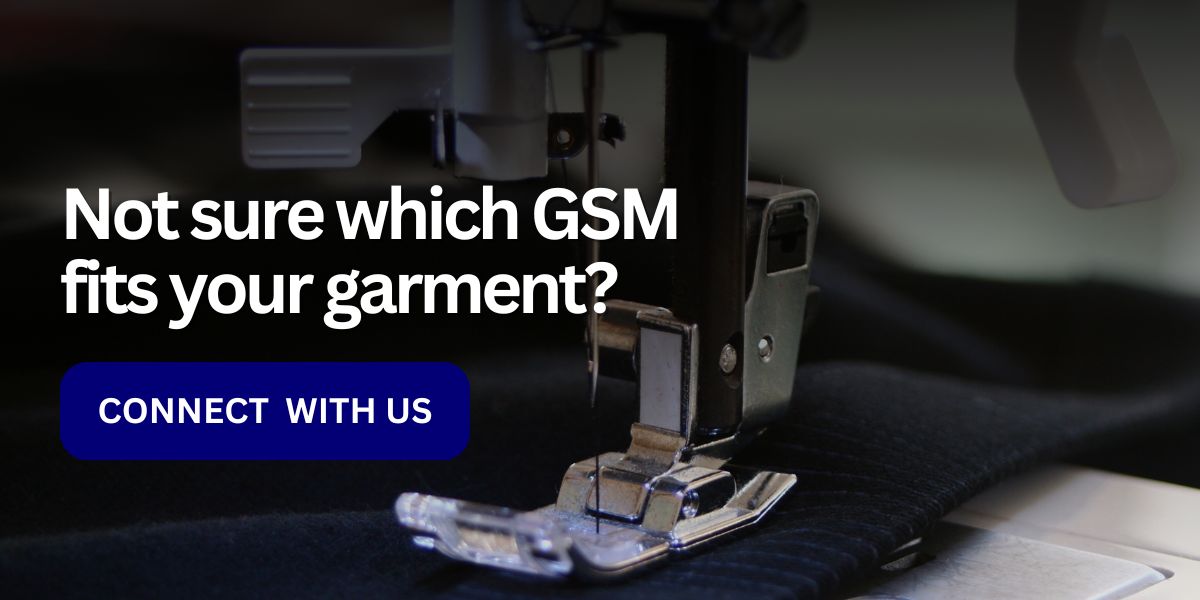
- Start with your outer fabric weight. A heavier fabric generally pairs with a heavier interlining, and vice versa.
- Think about the garment part. Collars and cuffs usually need more body than pockets or facings.
- Consider the finish you want. Want a soft, natural drape? Go lighter. Want a crisp, structured silhouette? Go heavier.
- Check your care requirements. Make sure the interlining you pick can handle your intended washing or dry-cleaning process without losing bond strength.
- Test before you commit to bulk. A small trial run on your actual fabric wil l save you from costly reordering later.
- Plan around roll and bale sizes. If you’re ordering wholesale, factor in the 50m-per-roll, 6-rolls-per-bale packing so your quantities line up with your cutting plan.
- Ask about lead times. For large production runs, confirm dispatch timelines upfront so your stitching schedule doesn’t stall waiting on stock.
- Talk to your supplier. A good manufacturer can guide you on GSM, coating type, and fusing conditions specific to your fabric, and a good wholesale supplier can also work with you on pricing as your order quantities grow.
We always recommend testing a sample swatch on your actual fashion fabric before committing to a full production run, since every fabric behaves a little differently under heat and pressure. This is especially true when you’re placing a wholesale order, where getting the GSM wrong doesn’t just affect one garment, it affects your entire batch.
If you’re supplying to export markets, it also helps to confirm compliance requirements upfront. Buyers overseas often ask for certified fabric, so working with a supplier that holds OEKO-TEX® STANDARD 100 certification can save you a round of back-and-forth during vendor approval. We keep this documentation ready for exactly that reason, since it’s usually one of the first things an export house’s compliance team will ask for.
It’s also worth thinking about how your order will travel. Rolls that are packed and baled consistently are easier to plan around, whether that means loading a local delivery truck or consolidating a shipment for export. Ask your supplier how they pack for bulk dispatch, and factor that into your storage and cutting-room planning before the stock arrives.
Final Thoughts
Choosing the right GSM isn’t about picking the heaviest or lightest option available; it’s about matching the weight to your fabric and the finish you’re after. Whether you need something soft for chiffon or something firm for a woollen overcoat, working within the 30 to 150 GSM range gives you the flexibility to get it right.
As a woven interlining wholesale supplier, we produce across this entire range, with consistent double dot coating, dependable bonding strength, and OEKO-TEX® STANDARD 100 certified quality. We supply in bulk to garment units, tailoring businesses, and export houses across India, so whether you need a single bale for a small batch or a container-scale order for export production, we can match the quantity and the GSM to your needs. If you’re not sure which weight fits your project, reach out to us at Double Ghoda, and we’ll help you pick the right fabric so your garments hold their shape, wash after wash.
Link of related Articles
- Lightweight Interlining vs. Heavyweight Interlining
- A Beginner’s Guide to Interlining
- Choosing the Right Interlining