
Choosing the right supplier affects far more than your unit cost. It affects how consistently your garments hold their shape, how smoothly your production line runs, and how few reorders come back with quality complaints. If you’re sourcing fusible interlining for suits, blazers, or sherwanis at scale, the supplier you pick matters as much as the fabric itself. Whether you’re comparing an interlining fabric manufacturer India-based or working through a trading agent, the same ten qualities apply.
Table of Contents
- Roll Length Accuracy Matters
- Batch-to-Batch Quality Consistency
- Strong Bonding Through PA Double-Dot Coating
- A Bond That Holds Up to Dry Cleaning
- A GSM Range Built for Every Garment Type
- Specialization in Indian Ethnic and Formal Wear
- Wholesale-Scale MOQ Suited to Factory Production
- Ready Stock and Quick Delivery
- A Proven Track Record in the Trade
- Direct, Transparent Communication
1. Roll Length Accuracy Matters
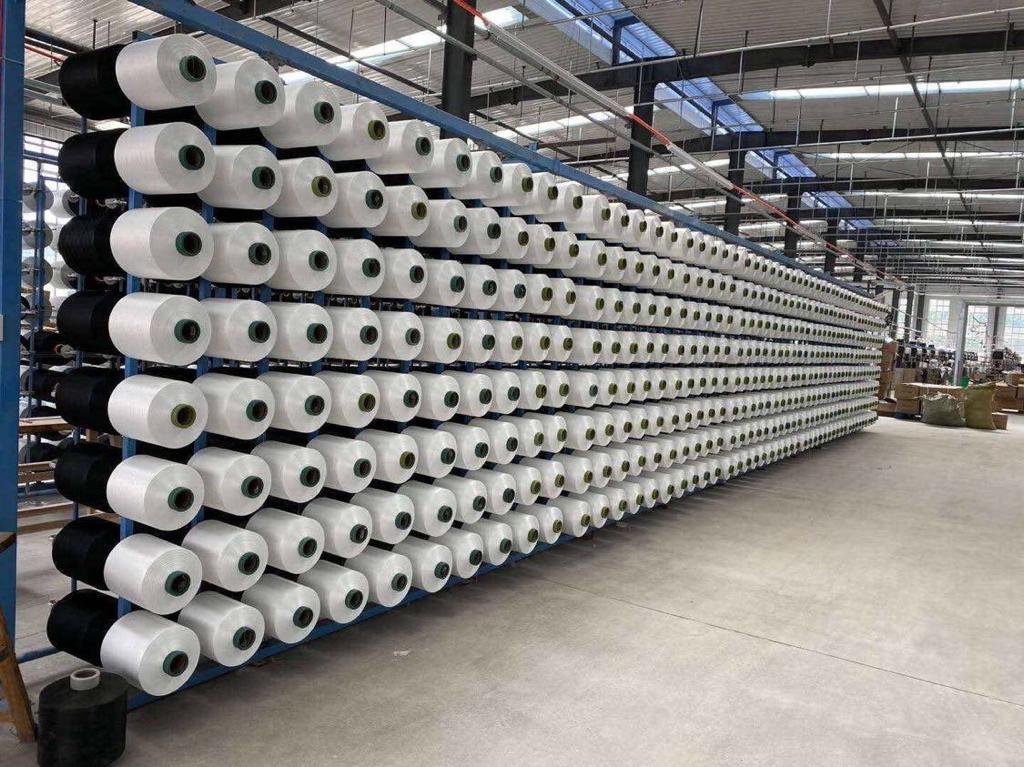
A supplier that ships short rolls costs you production time, not just money. You should be able to trust the length on the label without measuring it yourself first, especially when you’re cutting production plans around exact yardage.
When you’re evaluating fusible interlining suppliers, ask directly how they verify roll length before dispatch. A supplier confident in their process will have a straightforward answer, not a vague one.
At Double Ghoda, every roll is measured and verified before it leaves our warehouse, so the metres on the label match what actually arrives.
2. Batch-to-Batch Quality Consistency
Your reorder needs to match your original order. If GSM, hand-feel, or shrinkage shift from batch to batch, your finished garments won’t behave the same way across a production run, and quality checks that passed last time may not pass this time.
This matters most on repeat orders placed months apart, when a factory assumes the fabric will behave exactly as it did before. A supplier who can’t guarantee that consistency is passing the risk on to you.
We maintain batch consistency across reorders so your production planning doesn’t have to account for supplier variation.
3. Strong Bonding Through PA Double-Dot Coating
PA double-dot coating fuses faster and bonds stronger than basic single-dot alternatives, which matters when your press timing is fixed across a full production shift and you can’t afford a weak bond on a heavy panel.
Ask any interlining fabric manufacturer India works with what coating type they use as standard, not as a premium upgrade. If PA double-dot coating costs extra elsewhere, factor that into your comparison.
We use PA double-dot coating as our baseline across every woven grade we supply, not as an add-on, because it’s what our sherwani and suit manufacturing buyers consistently need.
4. A Bond That Holds Up to Dry Cleaning
Heavy formal wear gets cleaned repeatedly over its lifetime, and a weak bond shows up as bubbling or lifting after just a few cycles, usually right when a customer notices it most.
This is a detail worth confirming before you place a bulk order, not after your first batch of complaints comes in. A supplier should be able to tell you plainly how their coating performs across repeated dry-clean cycles, based on real production feedback rather than a lab claim.
Our coating is chosen specifically to hold up through the dry-clean cycles that formal and ethnic wear go through over years of wear.
5. A GSM Range Built for Every Garment Type
A supplier that only stocks one or two GSM options will send you sourcing elsewhere the moment your product line expands.
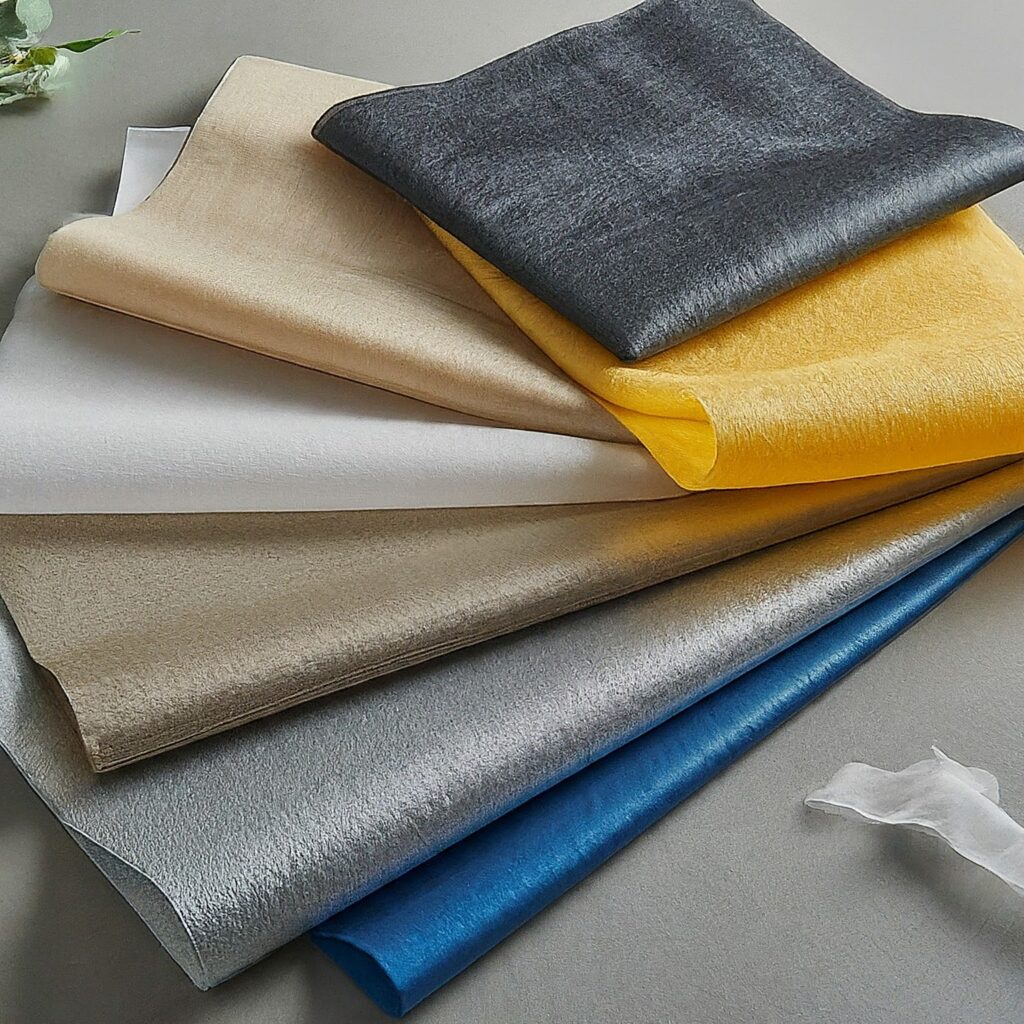
- Light grades (30–60 GSM) for collars, cuffs, and lightweight garments
- Mid grades (80–100 GSM) for structured blazers and standard suits
- Heavy grades (120–150 GSM) for sherwanis, bandgala, and heavy ethnic formal wear
A supplier stocking the full range means you can source your entire product line, from a light shirt placket to a full sherwani front, from one place, without juggling multiple vendors and multiple quality standards. This also matters when your product mix changes; a factory adding a heavier sherwani line to an existing suit and blazer range shouldn’t need a second supplier just because the GSM requirement shifted upward.
We stock a full 30–150 GSM range in woven fusible interlining, with our 140 GSM “111 quality” grade recognised across the trade as the standard choice for sherwani manufacturing.
6. Specialization in Indian Ethnic and Formal Wear
International markets often lean toward lighter-weight fusing, while Indian manufacturers producing sherwanis, bandgalas, and heavy blazers need 100+ GSM woven grades for proper structure. A supplier working with interlining for suit manufacturer clients daily will know which GSM and coating combination suits a structured chest panel versus a lighter collar.
This is where a specialist supplier earns real trust. When you ask a specific question, “what GSM for a full sherwani front in humid conditions”, a specialist gives you a direct, product-specific answer instead of a generic recommendation, the kind of guidance any experienced interlining for suit manufacturer partnership should offer as standard.
Our focus has always been sherwani and blazer manufacturing for the Indian market, which means our stock, GSM range, and coating choices are built around what this specific category of garment needs.
7. Wholesale-Scale MOQ Suited to Factory Production
A supplier set up for bulk production runs, not retail-style small orders, understands your planning cycle and pricing expectations. Retail-oriented minimums and pricing structures rarely translate well to factory-scale sourcing, where cost per metre and consistent supply matter more than small-batch flexibility.
Our minimum order is 1,000 metres, and we work exclusively with garment factories, wholesalers, and brands, not retail buyers or single-metre orders.
8. Ready Stock and Quick Delivery
A quick delivery interlining supplier relationship matters when your production schedule is fixed and a delay pushes your whole timeline. A production run built around a wedding season or a bulk brand order doesn’t have room to absorb a two-week sourcing delay, so stock availability should be one of the first things you confirm, not an afterthought after price is settled.
It’s also worth asking how a supplier handles reorders mid-season. If your first order performs well and you need a fast top-up before your next planned shipment, a supplier without ready stock will leave you waiting exactly when you can least afford it.
We hold ready stock at our Bhiwandi warehouse and typically turn around written quotations within an hour on WhatsApp.
9. A Proven Track Record in the Trade
Years of supplying fusible interlining wholesale India buyers builds a level of product knowledge and process reliability that’s hard to shortcut. A newer supplier may quote a competitive price, but consistency across hundreds of production runs is something only time in the trade can demonstrate.
We’ve supplied fusible interlining, lining, and garment accessories to India’s formal and ethnic wear manufacturers for over 10 years. As one of the fusible interlining wholesale India buyers turn to for repeat orders, our stock, pricing, and communication are built around what factory-scale production actually needs.
10. Direct, Transparent Communication
A supplier that tells you plainly what GSM or grade fits your product, rather than upselling you into something you don’t need, is one you can plan around long-term. This is ultimately what separates a transactional vendor from a genuine sourcing partner.
You want a supplier who treats your reorder as seriously as your first order, and who’s straightforward when a lighter or heavier grade genuinely suits your product better than whatever you originally asked for.
Our approach has stayed the same throughout: accurate metering, consistent quality, and straightforward answers to the specific questions garment manufacturers actually ask.
None of these ten qualities work in isolation. Accurate rolls mean little without consistent GSM. Strong bonding matters less if your supplier can’t restock in time for your next production cycle. Together, they’re what separates a supplier you use once from one you build a long-term production relationship with.
If you’re evaluating fusible interlining suppliers for your next production run, we’re happy to walk you through GSM, coating, and stock availability for your specific garment type. Share your product, quantity, and city with us on WhatsApp, and we’ll get back to you within the hour.
Link of related Articles
- Lightweight Interlining vs. Heavyweight Interlining
- A Beginner’s Guide to Interlining
- Choosing the Right Interlining