
If you’re finalising the interior construction for your next suit, blazer, or sherwani run, lining choice is one of the decisions that shapes both cost and finish. Polyester lining and cotton are the two options you’ll compare most often, and each behaves differently once it’s sewn inside a finished garment.
This guide walks through how the two compare on drape, durability, cost, and suitability for Indian formal and ethnic wear production, so you can make the right call for your next order.
Table of Contents
- The Role of Lining Fabric in Garment Construction
- Why Choose Polyester Lining Fabric?
- Cotton Lining: Where It Works and Where It Falls Short
- Polyester vs Cotton — A Side-by-Side Comparison
- Which One Should You Choose for Suits, Blazers, and Sherwanis?
- Why Manufacturers Order Polyester Lining Fabric from Double Ghoda
1. The Role of Lining Fabric in Garment Construction
Before comparing materials, it helps to understand what this layer is actually for. Lining fabric sits between the outer fabric and the wearer’s body. It isn’t decorative in a visible sense, but it does important work behind the scenes, and it’s one of the details that separates a well-made garment from an average one.
Here’s what a well-chosen lining cloth contributes to a finished garment:
- It hides the raw construction — seams, interlining, and tailoring work stay covered
- It lets the garment slide on and off smoothly, instead of catching on the fusing underneath
- It protects the outer fabric from sweat, friction, and everyday wear
- It adds to the drape and hang of the finished piece, which matters most in structured formal wear
- It supports the fusible interlining beneath it, so the two layers work together rather than against each other
The material you choose for this layer affects how the garment feels to wear, how it holds up over repeated use, and how it performs during regular dry cleaning. That’s why choosing between polyester and cotton isn’t just a cost decision. It changes the practical experience of the finished product, and in premium sherwanis and suits, it also affects how the interior is perceived when the garment is worn open at events.
Most Indian formal wear manufacturers work with a fixed set of considerations when specifying lining: cost per metre at the volumes they order, consistency across dye lots, how well the fabric performs after dry cleaning, and how it feels against the wearer during long hours of use, common at weddings and formal events. Weighing polyester against cotton on each of these points is a useful way to make the decision, rather than defaulting to habit or whatever a previous supplier stocked.
2. Why Choose Polyester Lining Fabric?
Polyester lining is the standard choice across most of India’s suit, blazer, and sherwani manufacturing. There are practical reasons it’s become the default rather than the exception, especially at factory scale.
- Smooth, consistent slide — the slick surface lets the garment go on and off easily, which matters in daily-wear formal clothing and multi-hour event wear
- Doesn’t shrink or stretch — batch-to-batch dimensional stability makes cutting and construction easier to plan, so your pattern measurements hold across the full production run
- Handles dry cleaning well — holds shade and shape across repeated cleaning cycles, unlike some natural-fibre alternatives that soften or shrink over time
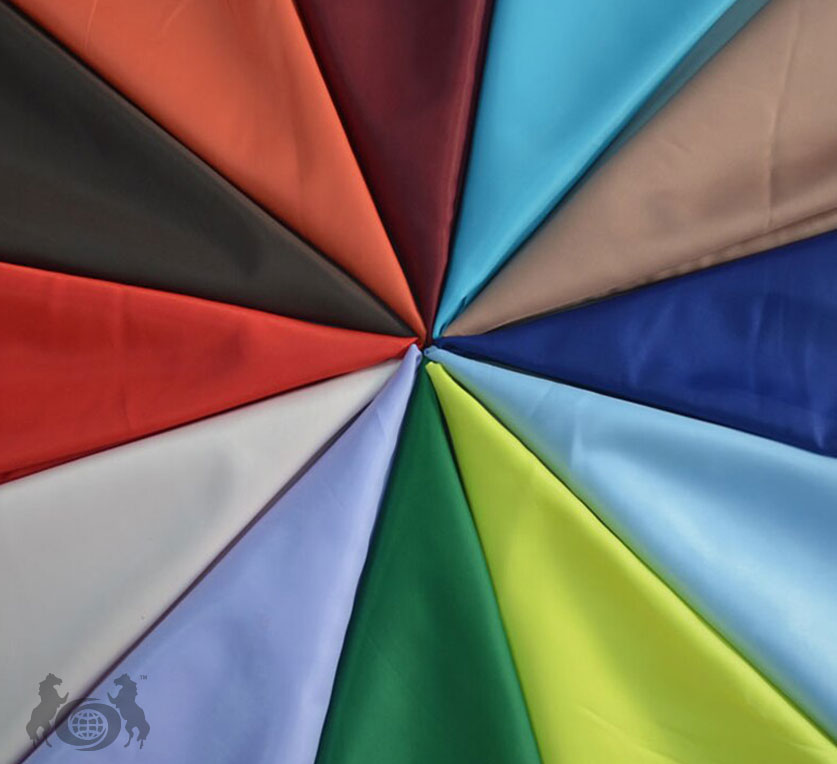
- Wide colour and weave range — available in jacquard, satin, satin dobby, and taffeta, so you can match the interior finish to your product tier
- Better cost-to-performance ratio — reliable at scale, which matters when you’re ordering for full factory production runs rather than single pieces
We supply polyester lining fabric across all four weave types, in the 55–85 GSM range, with consistent dye lots so your reorders match your original batch. Jacquard is our most-ordered weave, typically chosen for sherwanis and premium suits where the interior finish signals quality to the buyer when the garment is worn open. Satin and satin dobby cover most standard suit and blazer production, giving a clean, understated interior finish at a moderate price point. Taffeta, often specified as 190T, remains the most economical choice for blazers and safari suits where the lining stays fully hidden and cost efficiency matters more than visible finish.
Colour selection also plays a role in how the lining performs commercially. Black, navy, white, and off-white remain the highest-demand shades across our production, largely because they pair with the widest range of outer fabric colours and reduce the number of SKUs a factory needs to hold in stock. Manufacturers producing at scale generally standardise on these core shades and reserve brighter or patterned linings for premium or made-to-order pieces.
3. Cotton Lining: Where It Works and Where It Falls Short
Cotton lining has its place, particularly in lightweight, breathable garments where comfort in hot and humid conditions matters more than structure. It absorbs moisture well and feels soft against the skin, which is why it’s still specified for some casual and seasonal pieces.
That said, for structured formal wear — suits, blazers, and sherwanis — cotton comes with a few practical limitations worth knowing before you commit a production run to it:
- Shrinkage — cotton can shrink after washing or dry cleaning, which affects fit consistency across a batch and can create rework if measurements drift after the first clean
- Wrinkles more easily — it doesn’t hold a smooth, pressed appearance as well as polyester over a full day of wear, which shows up quickly in event and wedding wear where garments are worn for hours at a stretch
- Higher cost at scale — cotton lining fabric typically costs more than polyester for equivalent yardage, which adds up quickly across bulk orders running into thousands of metres
- Less slide — it doesn’t glide over inner garments the way polyester does, which can make suits and jackets feel less comfortable to put on and take off, particularly for the wearer during a long event
- Less consistent across dye lots — natural fibre batches can show more shade variation, which matters when you’re matching lining across a large production run
Cotton isn’t the wrong fabric. It simply suits a different category of garment. For casual, breathable wear, it remains a reasonable option, and some manufacturers do use lightweight cotton blends for daily-wear pieces where comfort in warm weather takes priority over structure. For tailored formal wear meant to hold its shape and finish through repeated wear and cleaning, most Indian manufacturers lean toward polyester lining fabric instead, largely for the reasons above.
4. Polyester vs Cotton — A Side-by-Side Comparison
Here’s how the two stack up on the factors that matter most in garment production:
| Property | Polyester Lining | Cotton Lining |
| Drape | Smooth, consistent | Softer, less structured |
| Shrinkage | Minimal | Noticeable after washing |
| Dry-clean durability | High | Moderate |
| Slide and comfort | Excellent | Lower |
| Wrinkle resistance | High | Low |
| Cost at scale | More economical | Higher |
| Colour and weave range | Wide — satin, jacquard, dobby, taffeta | Narrower |
| Dye-lot consistency | High | More variable |
| Best suited for | Suits, blazers, sherwanis, formal jackets | Lightweight, breathable garments |
Some buyers also weigh acetate lining vs polyester lining as a third option. Acetate sits closer to polyester on drape and slide, but it tends to cost more and needs more careful handling during pressing, since it’s more heat-sensitive and can scorch at temperatures polyester tolerates without issue. For most factory-scale formal wear production, polyester remains the more practical choice on cost, consistency, and ease of handling on the production floor, which is why it dominates sherwani and suit manufacturing across Surat and North India.
It’s also worth noting that lining choice doesn’t work in isolation. The lining sits directly over your fusible interlining, so the two need to move and behave compatibly. A slippery polyester lining over a well-fused, structured woven interlining panel is the combination most Indian formal wear factories have settled on, because it delivers a consistent result across both comfort and shape retention.
5. Which One Should You Choose for Suits, Blazers, and Sherwanis?
For structured, tailored garments — the category most Indian manufacturers are producing at scale — polyester is generally the better fit. Here’s a quick way to match your choice to your product:
- Sherwanis and premium ethnic wear — jacquard or satin dobby, 75–85 GSM, for a rich interior finish that’s visible when the garment is worn open
- Suit lining fabric for premium formal wear — satin or jacquard, 65–80 GSM, balancing finish and cost
- Blazers and safari suits — taffeta or plain satin, 55–70 GSM, keeping the interior lightweight and the cost per garment controlled
- Sleeve lining specifically — many large-scale buyers standardise on jacquard here as well, since it’s the weave most associated with a premium finish when a sleeve is rolled back or a jacket is removed
- Casual or breathable garments — cotton lining may suit better if comfort in warm conditions is the priority over structure and finish
If you’re not sure which GSM or weave fits your specific product, share your garment type and target price point, and we’ll recommend the right poly lining fabric option from what we stock. This is a common conversation for factories moving from a lighter product line into heavier ethnic formal wear, where the lining requirements shift along with the fusing GSM.
6. Why Manufacturers Order Polyester Lining Fabric from Double Ghoda
We’ve been supplying lining fabric to India’s garment trade for over 10 years, with a focus on formal and ethnic wear manufacturers. We’re a direct wholesale supplier, not a marketplace listing, and our stock is held ready at our Bhiwandi warehouse for quick dispatch.
Here’s what you can expect when you order from us:
- Four weave types in stock — jacquard, satin, satin dobby, and taffeta, across the full 55–85 GSM range
- Consistent dye lots — your reorder matches your original batch, which matters when your production runs span several months
- Accurate roll lengths — 45 metres per roll, verified before dispatch, so your cutting plan is based on numbers you can rely on
- A colour range built for Indian formal wear — black, navy, white, and off-white are our top sellers, with 50+ additional shades available for premium and made-to-order lines
- Reliable turnaround — written quotations within an hour on WhatsApp, with samples available before you commit to bulk
Beyond lining, we also supply the woven and non-woven fusible interlining that typically goes underneath this layer, along with plastic buttons in 24 and 32 ligne, and garment accessories including shoulder pads, chest piece, sleeve head, reversible hem tape, undercollar felt, and foam lappa. Most factories producing suits, blazers, or sherwanis need several of these components together, and ordering them from one supplier keeps specifications consistent from one production run to the next.
Our minimum order is 1,000 metres, and we work with garment factories, formal wear wholesalers, and clothing brands across Surat, Delhi, Ludhiana, Kolkata, Chandigarh, and Amritsar. Surat remains our highest-volume market for both lining and fusible interlining, largely because of the concentration of sherwani and formal ethnic wear manufacturing in the region.
Whether your next production run calls for polyester lining jacket interior on a blazer line or a full sherwani-specific finish, we can match the weave, GSM, and colour to what you need. Share your quantity, colour, and city with us on WhatsApp, and we’ll get back to you within the hour.
If you’re placing your first order with us, it helps to have three details ready before you reach out: the garment type you’re producing, your preferred weave or a sample you’re currently using, and the quantity you need per colour. This lets us give you an accurate quote and confirm stock availability in one message, rather than going back and forth over several rounds of questions.
Link of related Articles
- Lightweight Interlining vs. Heavyweight Interlining
- A Beginner’s Guide to Interlining
- Choosing the Right Interlining