Adhesive coating decides how well an interlining bonds to the outer fabric, and how that bond looks and lasts through pressing, wear and cleaning. A well-matched coating gives a firm, even bond and a clean surface. A mismatched one can lead to bubbling, stiffness or peeling. In fusible interlining, the coating works together with the base cloth, the outer fabric and your pressing process to shape the final result.
This guide covers what the coating does, how it influences bonding strength and garment appearance, which coating types you will meet, and how to choose with confidence. It is written for garment manufacturers, suit and blazer makers, apparel exporters and sourcing teams. Everything here is general textile guidance, apart from a short note on our own range in Section 6.
What Is Adhesive Coating in Fusible Interlining?
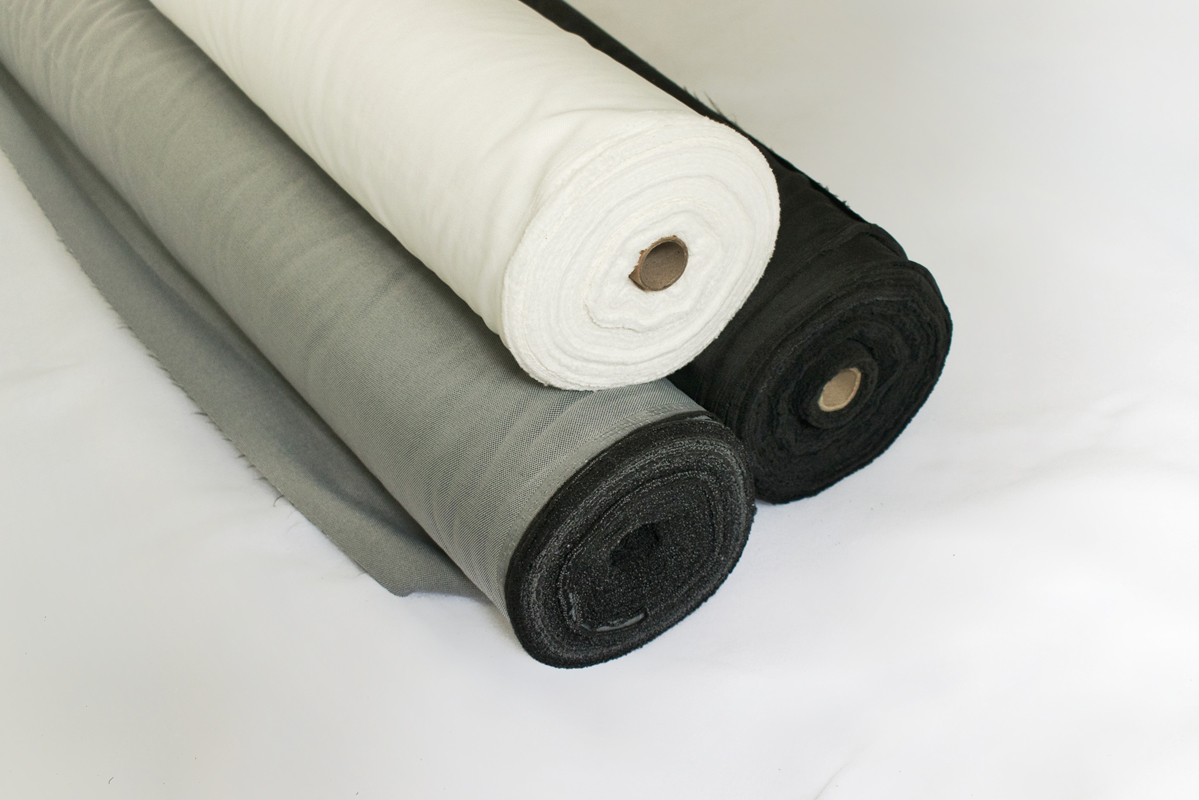
Adhesive coating is a layer of thermoplastic adhesive applied to one side of the base cloth. Under heat and pressure, it softens, grips the surface of the outer fabric and sets as it cools. That joins the two layers.
The base can be woven or non-woven. The coating sits on one face only, so the coated side must face the wrong side of the outer fabric.
Coatings are applied in different ways, such as dots, paste or powder. The adhesive type, the pattern and the amount of adhesive together decide how the material behaves when fused.
The trade uses many names for the same product. You may hear fusing cloth in Surat and across Gujarat, or interlining fabric in formal sourcing documents. Whatever the name, the coating is what makes the base cloth fusible. Good adhesive coating for interlining is a balance of adhesive type, coverage and compatibility.
How Adhesive Coating Affects Bonding Strength and Fabric Durability
Coating shapes bonding strength through three things: how much adhesive is present, how evenly it is spread, and how well its melting behaviour suits your outer fabric and process.
- Coverage: Even coverage generally gives a more uniform bond across the panel. Gaps can leave areas that lift later.
- Adhesive type: Adhesives soften at different heat levels and respond differently to washing and dry cleaning. The coating should suit how the garment will be cared for.
- Coating amount and dot size: Too little adhesive can bond weakly. Too much can push through the outer fabric or make the panel stiff.
- Appearance: Adhesive that passes through the outer fabric is called strike-through. Adhesive that passes back through the interlining base is called strike-back. Both can spoil the surface or the hand-feel.
Durability depends on the whole system, not the coating alone. A bond that looks perfect off the press can still weaken after repeated cleaning if the adhesive and fabric are not compatible. No coating performs the same on every fabric, which is why we recommend testing finished samples through the same care process your garment will face.
Types of Adhesive Coatings Used in Fusible Interlining
Coatings differ by adhesive chemistry and by application method. The points below are general industry guidance. Behaviour varies by producer, so always confirm details against the supplier’s specification.
By adhesive type
| Adhesive | General characteristics | Where it is commonly considered |
| Polyamide (PA) | Often chosen for bond durability through cleaning | Structured tailoring and formal wear |
| Polyester (PES) | Often chosen where a softer hand is wanted | Lighter garments and smaller parts |
| Polyethylene (PE) | Typically associated with washable garments; grades vary | Garments that are laundered |
By application method
- Paste dot: Adhesive paste is printed as a pattern of dots, giving a consistent layout.
- Double dot: Generally a two-layer dot, designed to support bonding while helping limit strike-through.
- Powder or scatter: Adhesive powder is distributed and fixed to the base cloth. Suitability depends on the fabric and end use.
In our own range, the woven grades carry PA double-dot coating and the non-woven grades carry PES coating. Still, no single coating is best for every garment. The right choice depends on the interlining, the outer fabric and the application.
How to Choose the Right Adhesive Coating for Different Garments
Choose by matching the coating, the interlining and the outer fabric to what the garment must do. Start with these questions:
- Garment type and support: Structured garments need firm, lasting support. For full-front body fusing on suits, blazers and sherwanis, you generally look at a woven base with a coating chosen for durable bonding. Collars, cuffs and small parts usually need lighter support.
- Outer-fabric construction: Open weaves, textured surfaces, delicate fabrics and stretch fabrics all bond differently. Finishes such as water repellents or silicone can reduce adhesion.
- Heat sensitivity: Some outer fabrics tolerate less heat. Check this before you shortlist a coating.
- Required hand-feel: A firmer coating and base give more body. A lighter combination keeps the fabric soft.
- Care method: Dry-clean and wash-care garments can place different demands on the adhesive.
Here is a practical example. A heavily embroidered sherwani front and a lightweight blazer fabric both need fusing, but they ask very different things of the bond. The first needs strong, lasting support under a dense surface. The second needs a bond that stays invisible on a lighter cloth.
Always test before bulk production. Whether you call it fusing cloth or something else, follow this routine:
Record the results, then approve or adjust before bulk cutting.
Request samples of the interlining for suits or other garments you are making.
Fuse them on your actual production fabric, using your normal process and the supplier’s guidance.
Check the full panel and the edges for bond consistency and surface appearance after cooling.
Put the sample through the cleaning method your end use requires.
Common Fusible Interlining Problems Caused by Incorrect Adhesive Coating
Most fusing defects come from a mismatch between coating, fabric and process, rarely from one cause alone. The table lists possible causes to investigate. It is not a diagnosis.
| Problem | Possible causes | What to check |
| Bubbling | Trapped moisture or air, uneven pressure, coating not suited to the fabric | Fabric moisture, press uniformity, material compatibility |
| Delamination (peeling) | Adhesive not matched to the outer fabric or care method, fabric finishes | Fabric finish, cleaning test results |
| Wrinkling or puckering | Shrinkage difference between interlining and outer fabric, excess heat | Shrinkage of both materials, press conditions |
| Poor bonding | Low adhesive coverage, finishes that repel adhesive, coated side facing wrong way, insufficient heat, time or pressure | Orientation, fabric finish, supplier guidance on settings |
| Strike-through | Too much adhesive, very open weave, excess heat or pressure | Trial on the real outer fabric |
| Stiff hand-feel | Heavy coating or an over-firm base | Coating amount, base choice |
Defects show up most on large panels, such as body fusing on a jacket front, so check those first. When something goes wrong, change one variable at a time and keep a record. Switching the interlining, the press settings and the fabric all at once makes the cause impossible to find.
Choosing Fusible Interlining from Double Ghoda
Double Ghoda, is a wholesale supplier and stockist.
Our fusible interlining range covers both woven and non-woven grades, with PA double-dot coating on the woven side and PES coating on the non-woven side. If you want to look closer at either, our woven interlining and non-woven interlining pages go grade by grade.
Before you order, get clear on four things:
- The garment type and the support it needs
- Your outer fabric and any finishes on it
- How the garment will be cleaned
- The grade and specification you are considering
We supply wholesale only, with a minimum order of 1,000 metres. If you are sourcing wholesale interlining fabric, confirming these points and testing a sample first saves time and avoids costly rework.
FAQs
What does adhesive coating do in fusible interlining?
It is the heat-activated adhesive layer on one side of the base cloth. It bonds the interlining to the outer fabric and influences how firm and even the bond is, and how the fused panel looks and feels.
How does adhesive coating affect bonding strength?
Bonding strength depends on adhesive type, coverage, coating amount and how well the coating suits your outer fabric and process. Even coverage and a well-matched adhesive generally support a more consistent bond. Confirm this with sample testing.
What causes bubbling or poor adhesion in fusible interlining?
Common causes include trapped moisture or air, uneven pressure, heat or time that does not suit the product, a coating that does not match the outer fabric, fabric finishes that repel adhesive, and shrinkage differences. Check them one at a time on a test sample.
Where can garment manufacturers explore fusible interlining options from Double Ghoda?
You can explore our woven and non-woven options on our official Double Ghoda product page. Share your garment type, outer fabric and quantity, and we will help you shortlist grades to sample.
Link of related Articles
- Lightweight Interlining vs. Heavyweight Interlining
- A Beginner’s Guide to Interlining
- Choosing the Right Interlining