
Choosing the right supporting material is an important part of garment manufacturing. Whether you manufacture suits, shirts, blazers or traditional garments, the quality of interlining can influence the structure, appearance and overall finish of your products.
Fusible interlining is widely used in garment production because it bonds with the main fabric through heat and pressure. It provides support to selected garment sections and helps maintain their intended shape.
If you are looking for fusible interlining suppliers in Gujarat, understanding the available options can help you make a better sourcing decision. You need to consider factors such as fabric construction, GSM, adhesive coating, application and supply requirements.
At Double Ghoda, we understand the importance of choosing suitable interlining for different garment applications. Through our range of woven and non-woven fusible interlining, we cater to the requirements of garment manufacturers, wholesalers and apparel businesses.
In this guide, we explore the different types of fusible interlining, their uses and the important factors to consider when choosing a wholesale supplier.
What Is Fusible Interlining and How Does It Work?
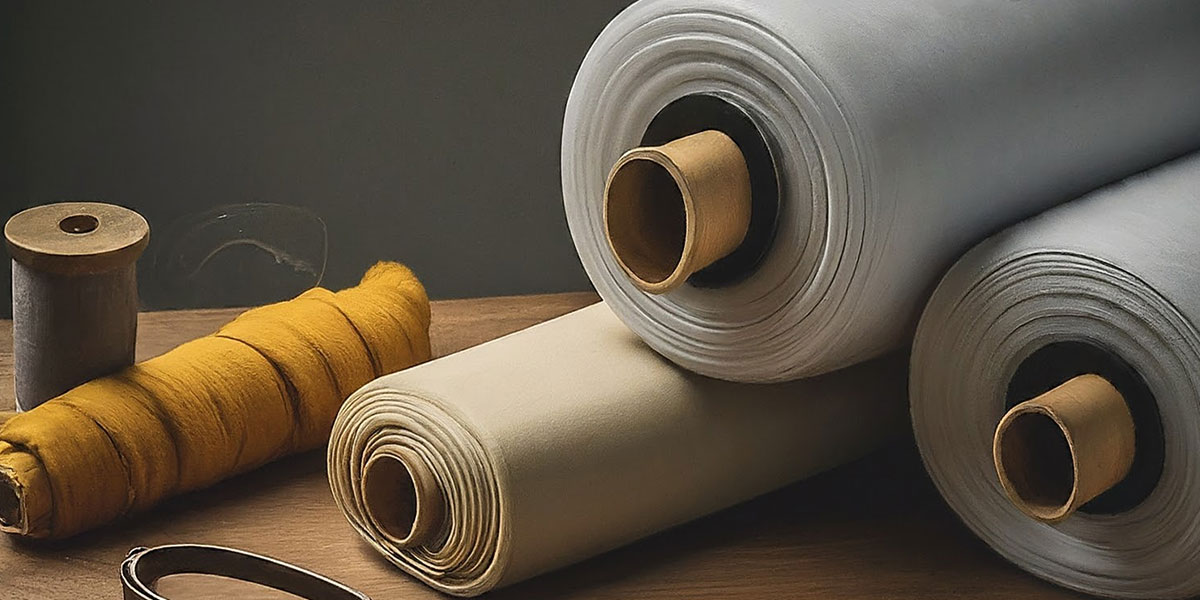
Fusible interlining is a supporting textile material coated on one side with a heat-activated adhesive. It is attached to the reverse side of the main garment fabric using heat and pressure.
During the fusing process, the adhesive softens and bonds the interlining to the outer fabric. Once it cools, the adhesive sets and holds both layers together.
This process helps provide additional support to garment sections that require structure, shape retention or reinforcement.
Fusible interlining is commonly used in:
- Shirt collars and cuffs
- Suit and blazer fronts
- Jacket lapels
- Shirt plackets
- Pockets and flaps
- Sherwanis and other structured garments
Fusible interlining is different from sew-in interlining. While sew-in interlining is attached through stitching, fusible interlining uses a heat-activated adhesive for bonding.
The selection depends on the garment design, outer fabric, required stiffness and manufacturing process. Choosing a suitable product helps achieve a neat finish without making the garment unnecessarily stiff.
Which Types of Interlining Are Used in Garment Manufacturing?
Woven and non-woven fusible interlining are two common options used in garment manufacturing. Both provide support, but their construction and applications differ.
Woven Fusible Interlining
Woven interlining is produced by interlacing yarns in the warp and weft directions. This creates a fabric structure that offers support and helps maintain the shape of garment sections.
It is commonly used in structured garments such as suits, blazers, jackets and sherwanis. Manufacturers can select different GSM options depending on the level of support required.
At Double Ghoda, our woven polyester fusible interlining range is available in 30–150 GSM. It features PA double-dot adhesive coating and is available in a width of 150 cm, with 50-metre rolls.
This range is suitable for manufacturers looking for interlining options for structured garment applications.
Non-Woven Fusible Interlining
Non-woven interlining is made by bonding fibres together rather than weaving yarns. This construction creates a fabric-like material that can be used for garment sections requiring lighter support.
It is commonly used in shirt collars, cuffs, plackets, pockets and other smaller garment components.
Our non-woven fusible interlining is made from bonded polyester fibres and uses a PES thermoplastic adhesive coating. It is available in 30–80 GSM, with a width of 100 cm and 90-metre rolls.
Both woven and non-woven interlining serve different purposes. The right option depends on the garment section, outer fabric and desired finish.
How Does Interlining Improve the Structure of Suits and Garments?
Interlining plays an important role in garment construction by providing additional support to selected fabric sections. It helps manufacturers achieve the desired shape and finish across different garment styles.
For suit and blazer manufacturing, interlining is commonly used in front panels, collars, lapels and other structured areas. It supports the garment’s shape and contributes to a clean, well-defined appearance.
For sherwanis and other traditional garments, interlining helps reinforce sections that require additional body and structure. The choice of GSM and construction depends on the garment design and the outer fabric.
In shirt manufacturing, lighter interlining is often used in collars, cuffs and plackets. These areas need enough support to maintain their shape while remaining comfortable and suitable for everyday wear.
When selecting interlining, consider the following:
- Garment type: Different garments require different levels of support.
- Outer fabric: The interlining should be compatible with the weight and texture of the main fabric.
- GSM: The weight of the interlining influences the overall feel and structure.
- Adhesive compatibility: The adhesive should bond properly without affecting the appearance of the outer fabric.
- Fusing conditions: Temperature, pressure and application time should suit the material.
Before starting bulk production, we recommend testing the interlining with your actual garment fabric. Check the bonding, appearance and finish to ensure the selected material meets your production requirements.
What Should You Consider Before Choosing a Wholesale Supplier?
Finding the right fusible interlining wholesale India supplier involves more than comparing prices. You should understand the product specifications, supply arrangements and consistency before placing a bulk order.
Here are some important factors to consider:
1. Product Quality and Construction
First, identify whether you need woven or non-woven interlining. Check the fibre composition, fabric construction and adhesive coating to ensure the product suits your garment requirements.
2. GSM and Width
GSM refers to the weight of the fabric per square metre. Different GSM options provide different levels of support. Check the available width as well, since it can influence fabric utilisation and production planning.
3. Adhesive Coating
The adhesive plays an important role in the fusing process. Ask about the coating type and recommended fusing conditions. The adhesive should be compatible with your outer fabric and production equipment.
4. Roll Length and Order Quantity
Before purchasing, confirm the roll length, minimum order quantity and available stock. This helps you estimate material requirements and plan inventory for your manufacturing operations.
5. Samples and Testing
Always test a sample before placing a bulk order. Check whether the interlining bonds evenly, maintains the required structure and performs well after the intended garment care process.
6. Supply and Delivery
For manufacturers sourcing from Gujarat, delivery arrangements are an important consideration. Discuss dispatch timelines, transportation costs, order quantities and repeat-order availability with your supplier.
7. Consistency Across Orders
Consistent product specifications are important for maintaining uniform garment quality. Confirm that the supplier can provide the same approved grade for future requirements.
When comparing an interlining fabric manufacturer India search result with a wholesale supplier, understand the difference between their roles. A manufacturer produces the material, while a wholesale supplier sources and distributes products to businesses. Choose the arrangement that best suits your purchasing needs.
Why Source Interlining from Double Ghoda?
At Double Ghoda, we understand the requirements of garment manufacturers who need reliable interlining options for different applications. We offer woven and non-woven fusible interlining to support the production needs of suit manufacturers, apparel businesses and garment wholesalers.
Woven and Non-Woven Interlining Options
Our woven fusible interlining range is available in 30–150 GSM, with PA double-dot adhesive coating. It is suitable for structured garment applications, including suits, blazers and sherwanis.
Our non-woven fusible interlining range is made from bonded polyester fibres with PES thermoplastic adhesive coating. Available in 30–80 GSM, it is suitable for smaller garment components such as collars, cuffs, plackets and pockets.
Wholesale Supply for Garment Manufacturers
We cater to wholesale requirements and help buyers explore suitable interlining options based on their product specifications and intended applications.
With our warehouse in Bhiwandi, Maharashtra, we serve customers across different markets, including Surat and other locations in Gujarat. This allows garment businesses to connect with us for their interlining sourcing requirements.
Find the Right Interlining for Your Requirements
Whether you are looking for interlining for suit manufacturers, woven fusible interlining for structured garments or non-woven interlining for smaller components, choosing the right product is important for achieving the desired finish.
We encourage you to share your garment application, preferred GSM, required quantity and other specifications with our team. This helps us understand your requirements and guide you towards suitable options.
Explore our fusible interlining fabric range to learn more about our available products.
Looking for fusible interlining suppliers in Gujarat? Connect with Double Ghoda to discuss your wholesale requirements and explore suitable interlining options for your business.
Link of related Articles
- Lightweight Interlining vs. Heavyweight Interlining
- A Beginner’s Guide to Interlining
- Choosing the Right Interlining