Interlining and interfacing are not exactly the same, although the terms overlap. Interlining gives a whole garment body, shape or warmth, and traditionally sits between the outer fabric and the lining. Interfacing reinforces specific areas such as collars, cuffs, plackets and waistbands. In trade sourcing the two often overlap, and fusible interlining is also used as fusible interfacing.
In garment manufacturing, interlining and interfacing are two types of support materials used to improve the structure, shape and finish of clothing. Although the terms are sometimes used interchangeably, they have different traditional applications.
Both materials can be woven, non-woven or knitted, and they may be attached through stitching or heat-activated adhesive. Understanding how they differ helps you select the right support material for your garment design and production requirements.
Terminology also varies by market. “Interfacing” is the common term in sewing and in the US, while the Indian garment trade commonly says interlining, fusing cloth or body fusing for fusible support fabrics.
What Is Interlining in Garment Manufacturing?
Interlining is an additional layer of fabric incorporated into a garment to provide body, support, warmth or structure. Traditionally, it is positioned between the outer fabric and the inner lining.
In modern garment manufacturing, the term is also commonly used for support fabrics attached directly to the reverse side of the main fabric. These materials help garments maintain their intended shape and improve their overall construction.
Interlining is used in different types of clothing, including:
- Suits and blazers
- Sherwanis and other ethnic formalwear
- Jackets and coats
- Structured dresses
- Waistbands and other reinforced sections
The type of interlining you select depends on the garment design, outer fabric, required stiffness and construction method.
What Is Fusible Interlining?
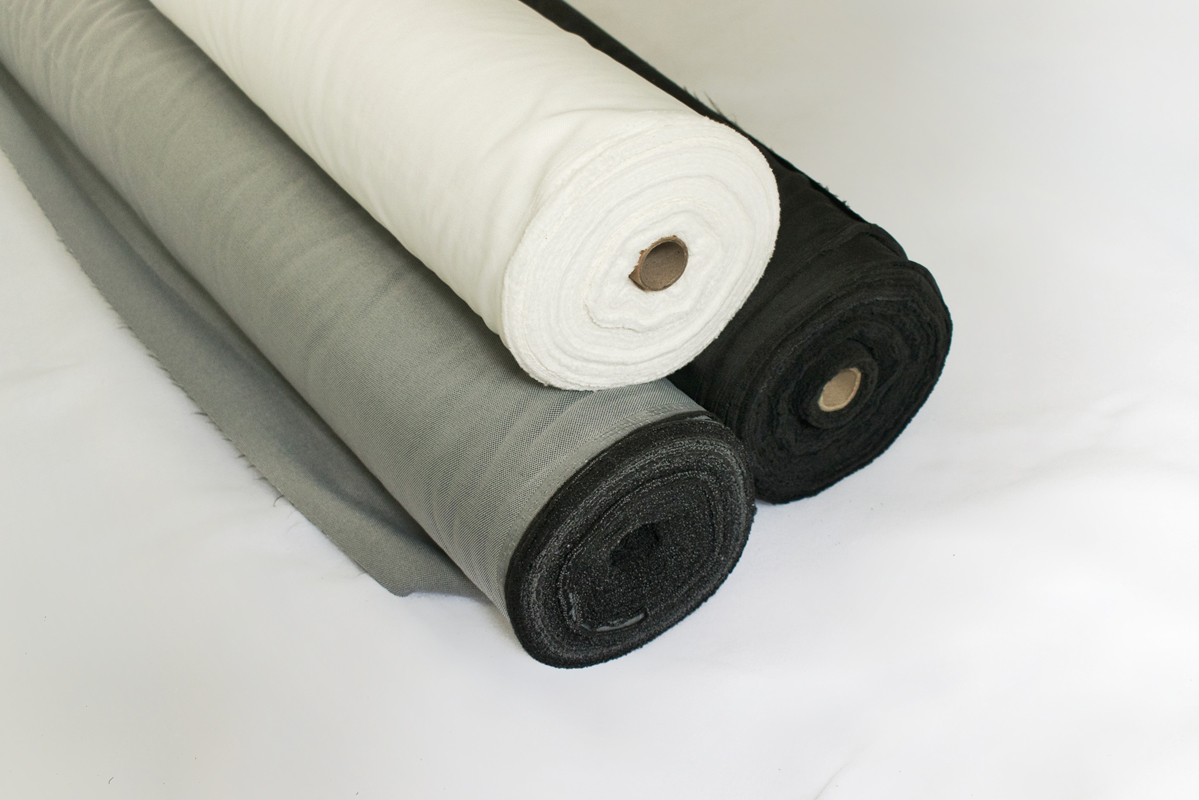
Fusible interlining is a support fabric coated on one side with a heat-activated adhesive. When the coated side is pressed against the reverse side of the garment fabric under controlled heat, pressure and time, the adhesive bonds the two layers together.
This process is commonly known as fusing. It allows manufacturers to attach a supporting layer without stitching it around the entire section.
Fusible interlining is available in different constructions, including:
- Woven fusible interlining: Made from interlaced yarns, this construction is commonly selected for garments that require strength and structural support.
- Non-woven fusible interlining: Made by bonding fibres together, it is used for applications requiring lighter support.
- Knitted fusible interlining: Made using knitted loops, it can provide flexibility and stretch for compatible garment fabrics.
The appropriate option depends on the outer fabric, garment section and desired finish. For a closer comparison of the first two, read our guide on the difference between woven and non-woven interlining.
What Is Sew-In Interlining?
Sew-in interlining is attached to the main garment fabric through stitching rather than heat-activated adhesive.
It can be useful when the outer fabric is sensitive to heat, when adhesive bonding is unsuitable or when the garment construction requires a traditional tailoring technique.
Sew-in materials are available in different weights and constructions. Their selection depends on the support required and how the additional layer will affect the garment’s drape and feel. We compare the two attachment methods in fusible vs sew-in woven interlining.
What Is Interfacing in Sewing?
Interfacing is a supporting material placed between the garment fabric and facing, or attached to the reverse side of selected fabric sections. Its primary purpose is to reinforce specific areas, add body and help maintain their intended shape.
Unlike traditional interlining, which may cover larger areas and provide additional warmth or body, interfacing is generally used where extra stability or stiffness is required.
Interfacing is commonly available in three constructions:
- Woven interfacing
- Non-woven interfacing
- Knitted interfacing
It can also be fusible or sew-in, depending on how it is designed to attach to the garment.
Where Is Interfacing Used in Garments?
Interfacing is used in garment sections that need additional reinforcement to maintain their appearance during use.
Common applications include:
- Shirt collars: Helps collars retain their shape and maintain a neat finish.
- Cuffs: Provides support around sleeve openings.
- Button plackets: Helps prevent the fabric around buttons and buttonholes from stretching.
- Waistbands: Adds stability and helps waistbands retain their shape.
- Jacket lapels: Supports the desired structure and appearance.
- Pocket flaps: Helps maintain a clean and defined finish.
The weight and construction of interfacing should complement the main fabric. Choosing an unsuitable material can make a garment too stiff or affect how it falls and moves.
Interlining vs Interfacing: Key Differences
Interlining and interfacing both provide support during garment construction, but their traditional functions, placement and applications differ.
Here is a comparison to help you understand the distinction.
| Comparison factor | Interlining | Interfacing |
| Main purpose | Adds body, warmth or structural support | Reinforces and shapes selected garment areas |
| Traditional placement | Between the outer fabric and lining | Between garment fabric and facing or behind selected sections |
| Coverage | Can cover larger garment sections | Usually applied to specific areas |
| Construction | Woven, non-woven or knitted | Woven, non-woven or knitted |
| Attachment | Sew-in or fusible | Sew-in or fusible |
| Common applications | Coats, jackets, suits and structured garments | Collars, cuffs, lapels, waistbands and plackets |
One important point is that these differences are based on traditional garment construction terminology. Their actual use can overlap, especially in commercial textile sourcing, where fusible interlining is also sold and used as a form of fusible interfacing.
Therefore, when sourcing materials, you should consider the product’s construction, adhesive coating, weight and intended application rather than relying only on its trade name.
Are Fusible Interlining and Interfacing the Same?
Not exactly, but they can perform similar functions.
Fusible interlining refers to an interlining material that has a heat-activated adhesive coating. Fusible interfacing also uses heat-activated adhesive, but it is generally selected to reinforce and shape particular garment sections.
The difference becomes clearer when you separate the two terms:
- Fusible: Describes how the material attaches to the main fabric.
- Interlining: Traditionally describes an additional internal garment layer.
- Interfacing: Describes a support material used to reinforce selected areas.
For example, woven fusible interlining can be applied to the front panels of a blazer to provide body and structure. A lighter fusible support material can be used in shirt collars and cuffs to help them retain their shape.
In many textile markets, buyers and garment manufacturers may use terms such as fusible interlining, fusing cloth and fusible interfacing for materials with similar applications. Our guide on the difference between fusing cloth and interlining fabric covers these trade terms in more detail.
This is why checking the technical specifications is important when ordering materials for bulk garment production.
How to Choose the Right Support Fabric for Garments?
Choosing the right support material involves more than identifying whether you need interlining or interfacing. You also need to consider the garment’s construction and the properties of the outer fabric. For a garment-by-garment view, see our guide on how to choose interlining fabric for different garments.
Here are six factors to evaluate before making your selection.
1. Identify the garment application
Start by identifying the section that requires additional support. Full-front blazer construction, shirt collars, cuffs and jacket lapels have different requirements.
2. Check the outer fabric weight
The support material should complement the main fabric. A heavy material may make lightweight clothing too stiff, while a very light option may not provide sufficient structure.
3. Compare fabric construction
Woven, non-woven and knitted materials have different characteristics.
Woven options are commonly used where greater structural support is required. Non-woven options can be suitable for smaller garment components, while knitted materials may be appropriate when flexibility is important.
4. Select the appropriate GSM
GSM refers to grams per square metre and indicates the weight of the fabric.
Different garment applications require different GSM grades. For example, a structured blazer front may need a heavier support material than a lightweight shirt collar.
The correct GSM should be selected through application requirements and fabric testing rather than weight alone.
5. Check the adhesive coating
If you are selecting fusible interlining, examine the adhesive type and coating pattern. The bonding properties should be compatible with the outer fabric and intended production process.
6. Conduct a sample fusing test
Before placing a bulk order, test the selected material with the actual garment fabric.
Check for:
- Consistent bonding across the fabric surface
- Bubbling or adhesive marks
- Edge lifting or delamination
- Changes in fabric stiffness and appearance
- Shrinkage or distortion after bonding
- Compatibility with the intended washing or dry-cleaning process
Testing helps you identify potential problems before they affect larger production quantities.
Frequently Asked Questions
Is Interfacing Another Name for Interlining?
No. Interfacing traditionally refers to a material used to reinforce specific garment sections, while interlining is an additional internal layer used to provide body, warmth or structure. However, the terms can overlap in commercial textile applications.
What Is the Difference Between Fusing Cloth and Interfacing?
Fusing cloth is a common trade term for fusible interlining, which uses heat-activated adhesive to bond with the main fabric. Interfacing describes the material’s reinforcing function. Fusing cloth can therefore be used as interfacing when applied to support specific garment sections.
Is Fusible Interlining Better Than Sew-In Interlining?
Neither is universally better. Fusible interlining is convenient for production because it bonds through heat and pressure. Sew-in interlining is useful when the outer fabric is heat-sensitive or the garment design requires stitched construction. Your choice should depend on fabric compatibility and the required finish.
What Is Body Fusing Used For?
Body fusing is a trade term commonly used for woven fusible interlining applied to the main body panels of structured garments such as suits, blazers and sherwanis. It helps provide the required body and shape to the front sections. Read more in our guide to body fusing in garment manufacturing.
Can Interfacing Be Used as Interlining?
Yes, depending on the material and application. A suitable interfacing can provide support within a garment, but it may not offer the coverage, warmth or other properties required from traditional interlining.
How Double Ghoda Supports Your Interlining Requirements
At Double Ghoda, we understand that choosing the right interlining is an important part of garment manufacturing. Different garments and fabric constructions require different levels of support, which is why we supply woven and non-woven fusible interlining options for wholesale buyers.
Our range covers 30–150 GSM woven fusible interlining and 30–80 GSM non-woven fusible interlining, with different options for garment manufacturing requirements.
You can consider our available options based on the following specifications:
- Woven fusible interlining: 30–150 GSM, polyester construction and PA double-dot coating.
- Non-woven fusible interlining: 30–80 GSM, bonded polyester fibre construction and PES adhesive coating.
- Woven roll specifications: 50-metre rolls and 150 cm width.
- Non-woven roll specifications: 90-metre rolls and 100 cm width.
We serve B2B garment manufacturers, wholesalers and apparel businesses with a minimum order quantity of 1,000 metres.
If you are comparing interlining materials for your next production order, you can review our woven fusible interlining and non-woven fusible interlining range to understand the available constructions and specifications.
Our aim is to help you identify suitable materials for your garment manufacturing requirements.
Link of related Articles
- Lightweight Interlining vs. Heavyweight Interlining
- A Beginner’s Guide to Interlining
- Choosing the Right Interlining