

Ask any experienced tailor or production manager in a suit or sherwani unit what holds the garment together — they will not say the outer fabric. They will say the fusing.
Body fusing is the term used in the trade for the interlining applied to the front body of a structured garment. Not the collar. Not the cuffs. The chest, the front panel, the area that carries the entire silhouette of the garment from shoulder to hem. It is the single most important fusible interlining decision in the construction of a suit, blazer, or sherwani — and it is the one that gets the least attention at the sourcing stage.
If you have ever seen a sherwani front that loses its clean fall after a few hours of wear, or a blazer lapel that starts to curl within a week — that is a body fusing problem. Wrong GSM, wrong coating, wrong construction. This blog covers exactly what body fusing is, how it works, and what to get right before your next bulk order.
Table of Contents
- What Body Fusing Actually Is — and What It Is Not
- How Body Fusing Works in Garment Construction
- Why GSM Is the Most Important Decision You Make
- What Happens When You Get It Wrong
- What to Look for When Sourcing in Bulk
What Body Fusing Actually Is — and What It Is Not
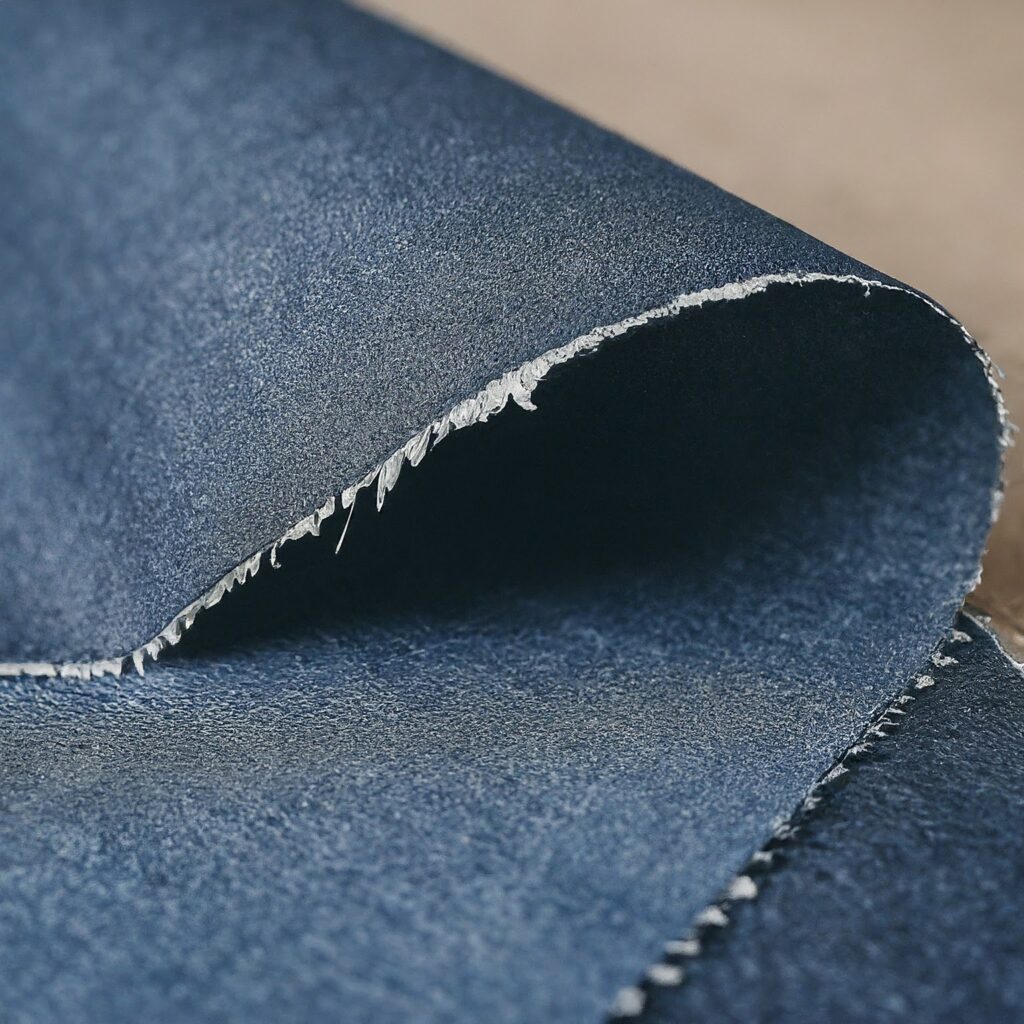
body fusing refers specifically to the interlining used on the front body of structured outerwear — the large fused panel that runs from the shoulder down the chest and front of a garment. It is what gives the garment its silhouette, its chest definition, its front fall, and its structural memory.
It is not the same as collar interlining. It is not the same as cuff interlining. Those are small-part applications using lighter, more flexible interlining — typically non-woven. Body fusing is a different category entirely, applied to the largest and most structurally demanding part of the garment.
In Indian garment manufacturing, the term is used most commonly for:
- The front body of a sherwani or achkan
- The chest and front panel of a formal blazer or suit jacket
- The front structure of a bandhgala or Nehru jacket
- The full front fuse on heavy ethnic occasion wear
The fusing cloth used for these applications is almost always woven fusible interlining — not non-woven. The woven construction gives it the grain, dimensional stability, and tear resistance that a large structural panel demands. Non-woven interlining tops out at 82 GSM and lacks the grain structure needed to hold a sherwani front through a full wedding day.
Body fusing for ethnic formal wear typically starts at 100 GSM and goes up to 150 GSM.Body fusing is distinct from the chest piece — a separate structured component (often made from canvas or a hair cloth composite) that is used in high-end tailoring to build additional chest structure above the interlining layer. In production-scale Indian garment manufacturing, woven interlining applied as a full front fuse is the standard method. Chest pieces are used in premium bespoke and semi-bespoke tailoring. For most manufacturers, body fusing with the right GSM woven construction is the practical and effective choice.
How Body Fusing Works in Garment Construction
Body fusing is applied before the garment is assembled. The interlining is cut to match the front body panel of the outer fabric, placed adhesive-side down on the wrong side of the fabric, and bonded permanently using a fusing press.
The result is a laminated panel — outer fabric and interlining bonded together as one — that is structurally stronger, more stable, and shape-retaining than the outer fabric alone. Every subsequent step of garment construction — attaching the lining, stitching the side seams, setting the lapels, attaching the collar — is built on top of this laminated front panel.
The fusing press parameters matter
Getting the fusing right is not just about choosing the right interlining. The temperature, pressure, and dwell time on the fusing press determine whether the bond is strong, clean, and permanent — or weak, uneven, and prone to bubbling.
For our woven fusible interlining, the verified fusing parameters are:
| Parameter | Specification |
| Temperature | 125°C – 145°C |
| Pressure | 1.5 – 2.5 kg/cm² |
| Time | 18 – 25 seconds |
| Care after fusing | Machine wash at 40°C / Dry clean |
These are the actual product specifications — not estimates. If your fusing press is running too hot, the adhesive bleeds through the outer fabric. Too cool and the bond does not fully activate. Too much pressure and the outer fabric distorts. Always run a sample fuse with your specific outer fabric before starting a full production run.
PA double-dot coating is why the bond holds
The adhesive on Double Ghoda’s the woven layer uses PA (Polyamide) double-dot coating — adhesive applied in tiny raised dots across the surface rather than as a continuous film. This does three things for body fusing specifically:
- Faster bond activation under the press — more pieces per hour on your production line
- Cleaner finish on the outer fabric face — no strike-through, no stiffness
- More uniform bond across the full front panel — reducing the risk of lifting or bubbling at the edges where stress is highest
For a large front body panel, a uniform bond across the full surface is critical. Any weak point in the adhesion becomes visible as the garment is worn — a small bubble or lifting edge on a sherwani front is immediately apparent and signals poor construction to the buyer.
Why GSM Is the Most Important Decision You Make
Once you understand what body fusing does, the GSM decision becomes clear. The GSM of your body fusing determines:
- How much structure the garment holds
- How long that structure lasts through wear and cleaning
- How the outer fabric falls and drapes
- How stiff or comfortable the garment feels on the body
For Indian ethnic formal wear, the GSM requirements are heavier than most international guides suggest — because the outer fabrics are heavier, the occasions are longer, and the expected silhouette is more structured.
Here is the practical reference for body fusing GSM by garment type:
| Garment Type | Recommended Body Fusing GSM |
| Sherwani / Achkan | 120 – 150 GSM |
| Bandhgala / Nehru jacket | 100 – 140 GSM |
| Formal blazer | 100 – 130 GSM |
| Suit jacket (Western cut) | 80 – 120 GSM |
| Safari suit | 80 – 100 GSM |
| Indo-Western structured jacket | 100 – 120 GSM |
Every experienced interlining for suit manufacturer buyer across Surat and North India knows this number. The most widely used body fusing weight is 140 GSM — known in the trade as 111 quality. It is recognised by this name across garment manufacturing centres in India and is the default choice for sherwani production because it gives the garment the body and front fall it needs without making it feel stiff on the wearer.
Our woven interlining fabric range covers 22 GSM to 150 GSM — the full spectrum from light collar applications at the lower end to heavy sherwani body fusing at the top. Material is 100% polyester, 150 cm wide, available in white, black, and grey. OEKO-TEX Standard 100 certified.
The weight matching principle
Your body fusing GSM should relate to your outer fabric weight. Heavier outer fabric — thick brocade, heavy silk jacquard, embroidered sherwani fabric — needs heavier body fusing to support it without the interlining disappearing under the density of the outer layer. A good starting point is to ensure your interlining GSM is at least 60–70% of your outer fabric GSM, then adjust based on the structure level you want.
What Happens When You Get It Wrong
Most body fusing problems are not visible at the point of production. They show up later — in wear, in the tailor’s hands, or in a customer complaint after delivery. Understanding what goes wrong helps you identify whether the problem is GSM, coating, or application.
Too light a GSM:
- The sherwani front loses its clean vertical fall within a few hours of wear
- Lapels on blazers or bandhgalas start to curl or fold — they do not lie flat under pressure
- The chest area looks soft and undefined — no sharp, structured front
- In humid conditions, the outer fabric starts to separate slightly from the fusing at stress points
- The garment looks sharp on the hanger but collapses on the body
Too heavy a GSM:
- The garment feels stiff and uncomfortable — the wearer feels the resistance in the chest area
- The fusing line can become visible on the outer fabric, especially on lighter or thinner outer fabrics
- The garment does not drape naturally — it looks rigid and constructed rather than structured and elegant
- Fusing time per piece increases on your press, reducing production output per shift
Wrong coating — poor bonding:
- Bubbling or lifting at the edges of the front panel — most common at the lapel roll line and hem
- Uneven bonding visible from the inside — patches where the adhesive did not fully activate
- Bond failure after washing — the interlining separates from the outer fabric after the first dry clean
- These problems indicate either the wrong coating type or incorrect fusing parameters
Wrong construction — non-woven used where woven is needed:
- The front panel stretches slightly during tailoring — the fused panel shifts position as the tailor works on it
- The garment loses its front fall progressively through the tailoring process
- The finished garment has a slightly uneven or asymmetric front — one lapel slightly different from the other
- This is the most common and most avoidable body fusing mistake in production
What to Look for When Sourcing in Bulk
When you are placing a bulk order for body fusing, these are the decisions and checks that matter:
- Confirm woven construction — not non-woven
For any body fusing application on structured outerwear, always confirm you are ordering woven fusible interlining. Ask your supplier explicitly. The roll may look similar but the construction and performance are completely different. For interlining for suit manufacturer use cases — blazers, sherwanis, bandhgalas — woven is the only correct choice.
- Confirm PA double-dot coating
Not all woven interlining uses PA coating. Some suppliers stock older PES-coated options or single-dot coating — it bonds less consistently and fuses slower at production scale. For body fusing on a high-volume press, PA double-dot is the standard. Confirm before ordering.
- Always test your specific GSM with your specific outer fabric
Do not assume a GSM that worked on your previous outer fabric will work on your current production fabric. Different outer fabrics respond differently to the same interlining. Cut a sample metre, fuse it at 125–145°C, 1.5–2.5 kg/cm² pressure, for 18–25 seconds. Check bond strength, surface finish, and how the laminated panel drapes before committing to a full batch.
- Check roll length and metre accuracy
Body fusing is cut in large panels — a small error in metre count per roll has a significant impact on your cutting room planning and your per-garment cost calculation. Double Ghoda’s woven construction comes in 50-metre rolls, 6 rolls per bale. Confirm accurate metres with your supplier before ordering and verify on receipt.
- Plan your order timing around wedding season
When planning your fusible interlining wholesale India order, timing matters most for heavy GSM. Demand for heavy GSM body fusing — 120 GSM to 150 GSM — spikes significantly in the months before wedding season across Surat, Ludhiana, Delhi, and Kolkata. Lead times stretch during these periods. If you are planning a production run for wedding occasion wear, confirm availability and place your order well in advance.
MOQ and wholesale terms
For fusible interlining wholesale india sourcing, the standard MOQ is 1,000 metres per SKU. This applies to each GSM you order — if you need both 100 GSM and 140 GSM, each is a separate 1,000-metre minimum. Plan your production schedule and cutting requirements accordingly before placing your order.
Body fusing is not a material you choose by habit or by whatever is available at the lowest price. It is the structural foundation of every structured garment you produce. The right GSM, the right coating, the right construction — these decisions show up in every finished piece your production line delivers.
We supply woven layer for body fusing in bulk to garment manufacturers across India — 22 GSM to 150 GSM, PA double-dot coating, OEKO-TEX Standard 100 certified, 50m rolls, MOQ 1,000 metres.
Link of related Articles
- Lightweight Interlining vs. Heavyweight Interlining
- A Beginner’s Guide to Interlining
- Choosing the Right Interlining