
If you’re sourcing fusible interlining for a garment factory, the short answer is this: match the construction (woven or non-woven) to the garment part, then pick the GSM based on how much structure that garment needs. Full-front suits, blazers and sherwanis need heavier woven grades. Collars, cuffs and smaller parts do fine with lighter non-woven grades. Get these two decisions right and the rest of the sourcing process roll length, width, colour falls into place.
That’s the quick version. Below, we walk through how to apply it to your own production line, garment by garment.
Table of Contents
- Why Choosing the Right Interlining Matters
- Woven vs Non-Woven Interlining: Which One Is Right?
- How to Choose Interlining for Different Garments
- Choosing the Right GSM for Your Garment
- Common Mistakes When Choosing Interlining Fabric
- How to Select the Right Interlining for Bulk Production
Why Choosing the Right Interlining Matters
Interlining sits between the outer fabric and the lining. You never see it, but you feel its effect every time you pick up a jacket or sherwani and it holds its shape rather than collapsing in your hands.
Get the choice wrong and problems show up fast. Too light a grade under a suit front, and the chest looks flat after a few wears. Too heavy a grade on a collar, and it turns stiff instead of crisp. Neither looks good, and neither is easy to fix once the garment is cut and fused.
For garment manufacturers running bulk production, this isn’t a one-time decision, it’s one you’re making across every SKU and every season. A mismatch on one style can mean rejects, rework, or a customer sending pieces back. Getting the construction and weight right at the sourcing stage saves that cost later.
This also matters more in India than in many other markets. Indian ethnic formal wear, sherwanis, bandgalas, achkans, typically needs a heavier, firmer structure than international ready-to-wear, so sourcing decisions here don’t always match an international buying guide.
Woven vs Non-Woven Interlining: Which One Is Right?
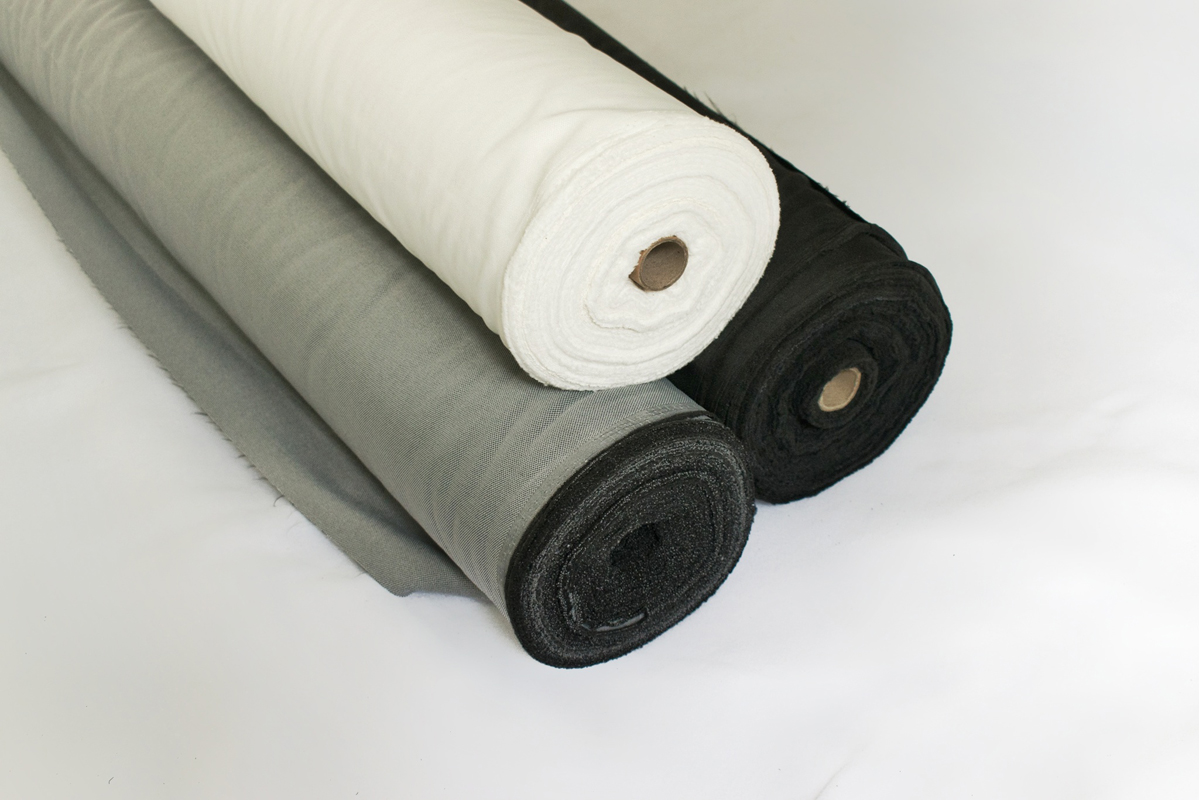
This is the question we hear most often from garment manufacturers and sourcing teams. In Surat’s trade language, this material is often called fusing cloth, but the real decision is woven versus non-woven, woven for the garment body, non-woven for smaller construction parts.
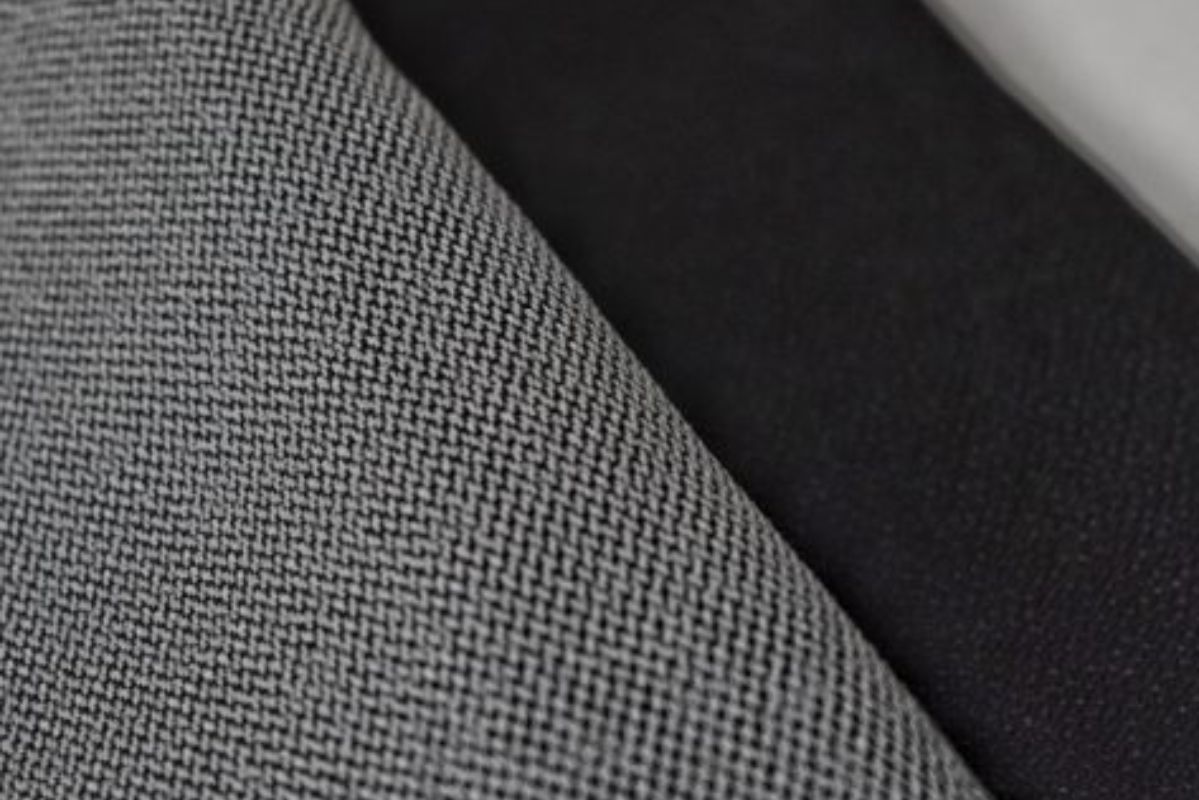
Woven interlining is a true woven fabric, polyester yarns interlaced in both directions, coated with adhesive on one side. Because it’s woven, it has higher tensile and tear strength and holds its shape under stress. That’s why it’s the standard choice for full-front fusing on suits, blazers and sherwanis, where the garment must hold structure through wear and repeated dry cleaning.
Non-woven interlining is made by bonding polyester fibres together rather than weaving them. It’s lighter and more economical, and it’s the right call for collars, cuffs, plackets and pockets, parts that need support but not the same load-bearing strength as a full jacket front.
Here’s how the two compare on the properties that matter for sourcing:
| Property | Woven | Non-Woven |
| Construction | Woven polyester yarns | Bonded polyester fibres |
| Coating | PA double-dot | PES single-dot |
| Strength | High tensile and tear strength | Moderate, sufficient for small parts |
| GSM range | 30–150 GSM | 30–82 GSM |
| Roll length | 50 metres | 90 metres |
| Width | 150 cm | 100 cm |
| Colours | White, Black, Grey | White, Black |
| Fusing temperature | 125–145°C | Up to 120°C |
| Typical use | Suits, blazers, sherwanis (full front) | Collars, cuffs, plackets, pockets |
Most factories don’t choose one over the other, they order both. A sherwani, for example, uses the heavier woven grade for the body and the lighter, fibre-bonded type for the collar. If you’re placing a bulk order, it’s worth quoting both together rather than sourcing them separately.
How to Choose Interlining for Different Garments
Once you know woven versus non-woven, the next step is matching the grade to the specific garment. Here’s how it typically breaks down for the main categories garment factories work with.
Sherwanis and heavy ethnic wear. Bandgalas, achkans and sherwanis need full-front body fusing that holds a firm, structured shape, this is where the heaviest woven grades come in. Within this category, one grade has become a recognised trade name on its own: 111 quality, a 140 GSM woven interlining that’s become the standard reference point for sherwani fusing in Surat and across North India. If you tell a supplier you need “111 quality,” they’ll know exactly what you mean without further explanation.
Structured suits. Suit fronts need enough body to hold their shape at the chest and lapel without feeling stiff to the wearer. This calls for a mid-to-heavy woven grade, light enough to drape naturally, heavy enough to resist collapsing.
Blazers and formal jackets. Similar logic to suits, but blazers can sit slightly lighter depending on the outer fabric and how structured the house style is. Premium or heavily tailored blazers lean toward the higher end of the same range; standard blazers sit lower.
Collars, cuffs and shirt plackets. These parts need to hold a crisp edge and spring back into shape, but they don’t carry the structural load a suit front does. This is squarely non-woven territory, or the lightest woven grades where a bit more durability is needed.
Lighter garments and ladies’ ethnic wear. Waistbands, pocket areas and softer silhouettes call for lighter interlining, non-woven where economy matters most, light woven where you need more durability.
The pattern across all of these: heavier structure needs woven, lighter support needs non-woven, and the exact GSM depends on how firm you want the finished garment to feel.
Choosing the Right GSM for Your Garment
GSM, grams per square metre, is the single most important number when you’re comparing interlining options. It tells you how much the fabric will weigh, and roughly how much structure it will add. Too low, and the garment feels underbuilt. Too high, and it feels stiff and boardy. Here’s a general reference range by application:
| GSM Range | Typical Application |
| 30–40 GSM | Ultralight reinforcement, sheer or delicate fabrics |
| 40–60 GSM | Collars, cuffs, plackets |
| 55–70 GSM | Light jacket parts, waistbands |
| 80 GSM | Standard blazer body fusing |
| 100 GSM | Full-front structured suit fusing |
| 120–130 GSM | Premium suits, bandgalas, heavy formal wear |
| 140 GSM | Sherwani full-front fusing (111 quality) |
| 150 GSM | Maximum structure, heavily embroidered sherwanis, overcoats |
A useful rule of thumb for Indian ethnic formal wear specifically: don’t assume the GSM that works for an international ready-to-wear jacket will work for a sherwani. Indian garment manufacturers consistently use heavier grades, often 100 GSM and above, because ethnic formal wear is expected to hold a firmer, more structured silhouette than Western tailoring typically calls for.
If you’re not certain which GSM fits your fabric and garment combination, the safest approach is to test on a small cut before committing to a bulk run. A supplier who works with Indian ethnic wear regularly should also be able to point you to the grade that matches your garment type from experience.
Common Mistakes When Choosing Interlining Fabric
A few sourcing mistakes come up repeatedly across garment factories, and most are avoidable with upfront checking.
- Assuming heavier is always better. A heavier GSM doesn’t always mean a better result, it means more stiffness. Over-structuring a lighter fabric can make the finished garment feel unnatural.
- Using suit-weight interlining on shirts or lighter garments. Full-body woven grades are built for suits, jackets and sherwanis, not shirt or trouser construction, the structure and hand-feel are wrong for that application.
- Ignoring the coating-and-temperature match. Woven and non-woven grades fuse at different temperature ranges. Running the wrong grade through a press set for the other type leads to weak bonds or scorching.
- Not checking roll length and width before ordering. Woven and non-woven rolls come in different lengths and widths. If your cutting layout assumes one and you receive the other, you’ll end up with more wastage than planned.
- Treating every supplier’s GSM label as identical. GSM, hand-feel and bonding performance can vary between suppliers even at the same stated weight. If you’re switching suppliers mid-production, test a sample batch before committing the full order.
- Skipping a fusing test before a bulk run. The only way to confirm a GSM and coating combination works with your specific outer fabric is to press a test panel and check the bond, no bubbling, no edge lifting, consistent adhesion.
Most of these come down to one habit: confirm specifications and test before placing a large order, not after.
How to Select the Right Interlining for Bulk Production
Choosing the right fusing cloth for one garment is one exercise. Choosing it for a bulk production run, where consistency across thousands of metres matters as much as the initial specification, is a different discipline. Here’s a practical process to work through before you place a bulk order.
1. List out every garment type in the run. A single order might include sherwanis, blazers and lighter ethnic pieces. Each may need a different construction and GSM, so don’t assume one grade covers the whole order.
2. Match construction to garment requirement. For each garment type, decide woven or non-woven based on whether that part needs full structural support or lighter reinforcement.
3. Confirm the GSM for each application. Use your reference range, but don’t guess, request a sample cut and press it against your actual outer fabric before finalising quantities.
4. Check the required roll quantity against your cutting layout. Know how many rolls you need at what length and width, so the order quantity lines up with your production plan.
5. Confirm specifications in writing before the bulk order goes in. GSM, construction, coating type, colour and roll length should all be confirmed with your supplier before dispatch, not assumed from a previous order.
6. Review the minimum order requirement. Wholesale interlining suppliers typically work on a minimum order quantity rather than small or single-roll purchases, factor this into your planning if sourcing multiple GSMs or colours in one run.
7. Plan for batch-to-batch consistency. If reordering the same specification across production cycles, ask your supplier how they maintain consistent GSM and hand-feel between batches, this matters more at scale, where small variation compounds across thousands of garments.
8. Confirm before you commit, not after production starts. Once a bulk order is cut and fused into garments, it’s difficult and expensive to correct a mismatch. A short confirmation step upfront is cheaper than rework later.
We work with sherwani manufacturers, suit makers and blazer factories across Surat and North India on this kind of bulk sourcing of fusible interlining, from the initial GSM decision through to consistent repeat supply. If you’re planning a production run and want help confirming the right grade for your garments, we’re happy to walk through the specifications with you.
Frequently Asked Questions
Do I need a woven or fibre-bonded grade for a sherwani?
Both, typically. The full-front body uses a heavy woven grade for structure, while the collar and smaller parts use a lighter, non-woven type.
What GSM should I use for a structured suit?
Suit fronts generally sit in the 100–130 GSM woven range, depending on how firm you want the chest and lapel to feel.
Can I use the same interlining for suits and shirts?
No. Suit-weight woven grades are built for full-front structure and are too heavy and stiff for shirt or trouser applications, which call for much lighter constructions.
How do I know if a GSM is right before placing a bulk order?
Press a test panel against your actual outer fabric and check the bond and hand-feel before committing to full production quantities.
Link of related Articles
- Lightweight Interlining vs. Heavyweight Interlining
- A Beginner’s Guide to Interlining
- Choosing the Right Interlining