Categories
Polyester Fabrics

Satin vs Jacquard Polyester Lining

You have the outer fabric sorted. The interlining is confirmed. But when it comes to the lining, you are stuck between two options — satin or jacquard.

Both are polyester lining types. Both are widely used in Indian ethnic formal wear. Both look good on the roll. But inside a sherwani, a bandhgala, or a premium blazer, they behave differently — and the wrong choice shows up in ways your customer will notice.

The answer depends on one thing — what your garment is worth to your customer. Here is how to match the lining to that.

Table of Contents

  • What Satin Lining Actually Is
  • What Jacquard Lining Actually Is
  • Satin vs Jacquard — The Real Differences
  • Which Polyester Lining Works for Which Ethnic Formal Garment
  • What to Check Before Ordering Satin or Jacquard Lining
Polyester Lining

What Satin Lining Actually Is 

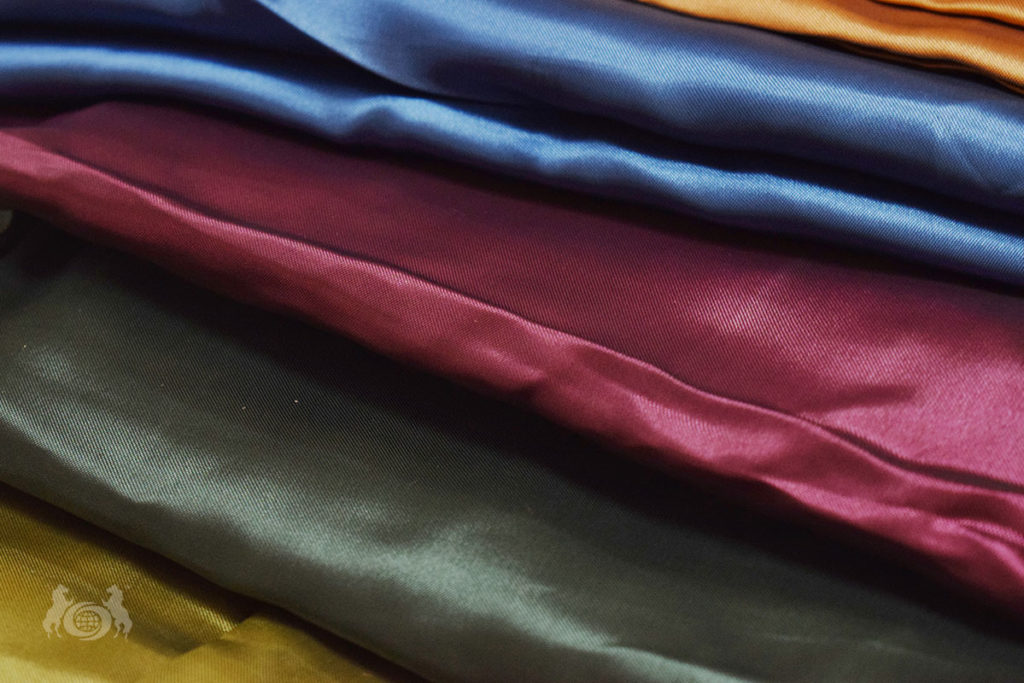
Satin is not a fibre — it is a weave structure. Satin polyester lining fabric is woven in a way that floats more threads on the surface, creating a smooth, high-sheen face on one side and a flatter, matte finish on the other.

That smooth surface is what makes satin the most widely used garment lining in Indian manufacturing. It reduces friction — your garment slides on and off without catching on the wearer’s clothing underneath. For suits, blazers, and lighter sherwanis worn daily or at formal events, this ease of wear is a practical requirement, not a luxury.

What satin lining delivers:

  • High surface sheen — the glossy face gives the interior a clean, premium look when the garment is opened
  • Low friction — the smooth surface means the garment moves with the wearer, not against them
  • Lightweight — adds minimal bulk, which is important for structured garments where the interlining already adds body
  • High tearing strength — despite being lightweight, satin lining holds up well through regular wear and dry cleaning
  • Easy to cut and sew — consistent weave structure means predictable behaviour at production scale
  • Wrinkle resistance — the fabric recovers well and does not stay creased after normal wear

Where satin sits in the GSM range:

Our lining range covers 55 GSM to 85 GSM. Satin typically sits in the lighter end of this range — making it well suited to garments where you want a clean interior finish without adding weight.

The limitation of satin:

Satin is smooth and functional — but it is plain. There is no pattern, no texture, no visual complexity. For volume production of mid-range garments, this is absolutely fine. But for premium ethnic formal wear where the interior of the garment is part of the quality story — a sherwani at a wedding, a bandhgala for a formal reception — plain satin can feel like a missed opportunity.

This is exactly where jacquard comes in.

What Jacquard Lining Actually Is 

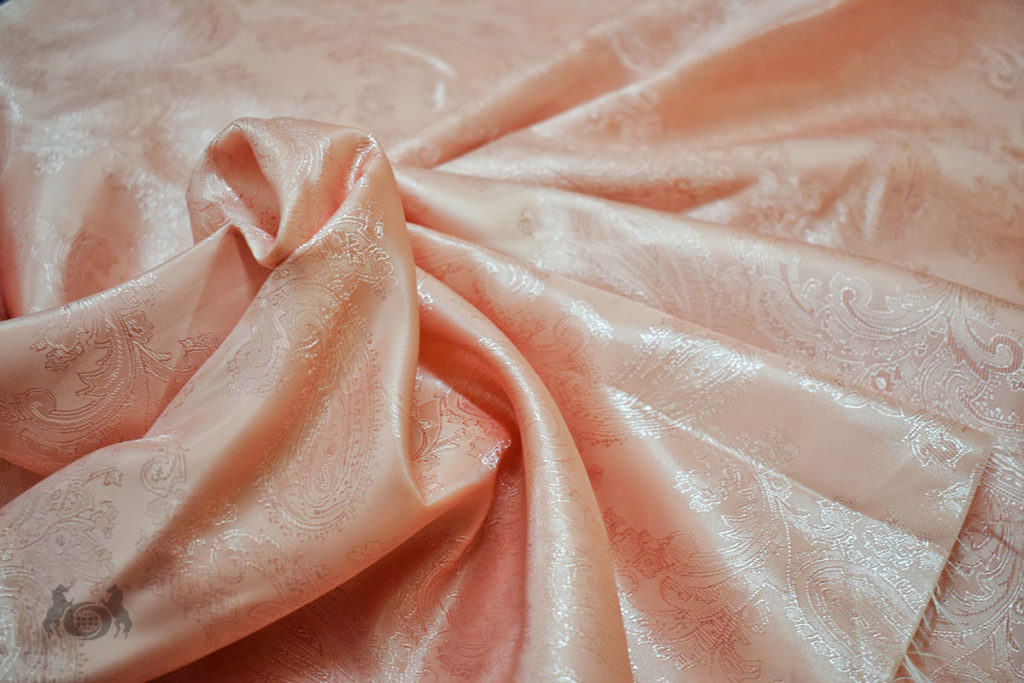
Jacquard is also a weave structure — but a significantly more complex one. Jacquard polyester lining is woven on a specialised loom that controls individual threads, allowing intricate patterns to be built directly into the fabric structure itself.

This is the key distinction: the pattern in jacquard lining is not printed on. It is not applied on top. It is woven in. That means it does not fade, peel, crack, or wash out. The pattern is as durable as the fabric itself.

Jacquard is the top-selling lining type in our range — and across the Indian market for premium ethnic formal wear, it has become the expected standard for sherwanis, bandhgalas, and high-end suit jackets.

What jacquard lining delivers:

  • Woven-in pattern — intricate geometric, floral, or traditional motifs built into the fabric structure, not printed
  • Premium interior signal — when your customer opens the garment, the pattern immediately communicates quality and attention to detail
  • Slightly more body — sits a little heavier than plain satin, which helps it lay flat against heavy outer fabrics
  • Durability of pattern — because the design is woven, it survives repeated dry cleaning without any degradation
  • High tearing strength — same structural durability as satin, with the added visual complexity
  • Available in multiple colours — including black, blue, white, and off-white, which are the top-selling colours for ethnic formal wear lining in India

Where jacquard sits in the market:

Jacquard lining for suits and sherwanis is used by manufacturers producing in the mid-to-premium segment — where the buyer is paying for a complete garment experience, not just the outer fabric. Large ethnic formal wear brands consistently specify jacquard for their higher-value pieces because it elevates the perceived quality of the entire garment.

Satin vs Jacquard — The Real Differences 

Now that you understand what each one is, here is how they compare across the factors that actually matter in production:

FactorSatinJacquard
Surface finishHigh sheen, smooth, plainWoven pattern, textured, visual depth
PatternNoneWoven-in geometric or floral motif
WeightLighter end of GSM rangeSlightly heavier, more body
Interior signalClean, functionalPremium, crafted
FrictionVery low — slides easilyLow — slightly more grip than satin
DurabilityHighHigh — pattern does not fade
Production easeEasy to cut and sewSlight care needed for pattern alignment
Best price pointMid-range garmentsPremium and high-end garments
Top useSuits, blazers, mid-range sherwanisPremium sherwanis, bandhgalas, high-end suits

The friction question

Jacquard has very slightly more surface grip than plain satin because of the woven texture. For most garments this makes no practical difference — the lining still performs smoothly. But for garments worn specifically over a dress shirt or heavily starched clothing, satin’s ultra-smooth surface can feel marginally easier in use.

The pattern alignment question

If you are using jacquard with a directional or large-scale pattern, your cutting team needs to be careful about pattern alignment at seams. This adds a small amount of time and care to the cutting process. For volume production runs, factor this into your planning. Plain satin has no such requirement.

The price difference

Jacquard carries a higher price than plain satin — expected given the complexity of the weave. But for premium ethnic formal wear, the cost difference per garment is small relative to the quality signal it adds to the interior. Most experienced manufacturers in Surat and Ludhiana factor this in from the start rather than substituting jacquard with satin on high-value pieces.

Which Polyester Lining Works for Which Ethnic Formal Garment

This is the decision most buyers are actually trying to make. Here is how to match lining type to garment — based on what works in real production across India’s ethnic formal wear market:

  • Sherwanis — go jacquard

A premium sherwani is a complete garment experience. The outer fabric gets the most attention, but the first thing the wearer feels is the interior — and when they or their tailor opens the garment, the lining is immediately visible. Jacquard in black, navy, or off-white is the standard for sherwanis in the mid-to-premium segment. It matches the weight of heavy outer fabrics — brocade, silk jacquard, heavy embroidered fabric — and sits flat without looking collapsed against a dense outer layer.

For budget sherwanis in the volume segment, satin is acceptable and widely used. But if your garment is priced above the entry level, jacquard is the right choice.

  • Bandhgalas and Nehru jackets — jacquard or taffeta

The bandhgala is a structured, formal garment where the interior construction is often visible when the jacket is hung or displayed. Jacquard gives it a finished, crafted interior that matches the garment’s formal character. Taffeta is a good alternative for very structured bandhgalas where a crisper interior is preferred.

Plain satin can feel too lightweight and informal for a well-made bandhgala — the lining does not visually match the garment’s character.

  • Formal blazers and suit jackets — satin for volume, jacquard for premium

For mid-range blazers and suit jackets produced in volume, satin is the practical standard. It is functional, easy to work with, and gives a clean interior at a price that works for the garment’s positioning.

For branded suits, premium blazers, or garments produced for a specific label with quality standards — jacquard is the right upgrade. The cost per metre difference is minimal relative to the overall garment cost, and the interior quality signal is significant.

  • Safari suits and Indo-Western jackets — satin

These garment types are typically produced for a slightly more relaxed formal context — corporate gifting, festive occasions, semi-formal events. Satin in a dark colour — black is the most versatile — is the right call here. It is functional, easy, and appropriate for the garment’s positioning. Jacquard would be over-specifying for most safari suit production.

  • Wedding occasion wear and festive ethnic garments — jacquard

Any garment produced specifically for wedding occasions or premium festive wear — whether for the groom, groomsmen, or family members — warrants jacquard. These garments are high-visibility, high-value purchases where the interior is part of the quality assessment. Satin in this context feels like a shortcut.

Quick reference:

GarmentRecommended LiningReason
Premium sherwaniJacquardInterior quality signal, weight match
Budget/volume sherwaniSatinFunctional, cost-appropriate
Bandhgala / Nehru jacketJacquard or TaffetaStructured interior, formal character
Premium blazer / branded suitJacquardElevates interior finish
Mid-range blazer / suitSatinVolume production standard
Safari suitSatinFunctional, appropriate weight
Wedding occasion wearJacquardHigh-value garment, full experience
polyester lining

What to Check Before Ordering Satin or Jacquard Lining 

Once you have made the satin vs jacquard decision for your garment range, here is what to confirm before placing your bulk order:

Step 1 — Match GSM to your outer fabric

Our polyester lining fabric range covers 55 GSM to 85 GSM. Heavier outer fabrics — brocade, silk jacquard, heavy embroidered fabric — need a lining at the upper end of this range so it sits flat and does not look collapsed inside the garment. Lighter outer fabrics work well with lining at the lower end. Always match lining weight to outer fabric weight before ordering.

Step 2 — Confirm your colour requirement

The top-selling colours in India’s ethnic formal wear market are:

  • Black — the most versatile across all garment types and outer colours
  • Blue — navy and royal blue are popular for sherwanis and formal ethnic wear
  • White and off-white — for cream, ivory, and lighter sherwanis and occasion wear

Both satin and jacquard are available in multiple colours. Confirm availability for your specific type and order quantity before committing — particularly for jacquard, where specific pattern and colour combinations may have lead time implications.

Step 3 — Request a sample before bulk ordering

Never order in bulk without testing a sample against your actual outer fabric. Check:

  • How it sits against the outer fabric — does it lay flat or gather?
  • How the surface feels — smooth enough for ease of wear?
  • For jacquard — is the pattern clean and even across the full width?
  • How it behaves after a dry clean — does it hold its finish?

Step 4 — Confirm roll length and MOQ

Our polyester lining comes in 45-metre rolls. Minimum order quantity is 1,000 metres. Plan your cutting schedules and order quantities based on these figures. For high-volume production before wedding season — when demand for jacquard lining for sherwanis spikes across Surat, Ludhiana, and Delhi — confirm availability and lead time well in advance.

Step 5 — Consider sourcing lining and interlining together

If you are already sourcing woven fusible interlining from us, consolidating your lining order with the same supplier simplifies procurement and gives you one point of contact for your core garment construction inputs. Consistent supplier means consistent quality across your full production.

The satin vs jacquard decision is straightforward once you know your garment positioning. Volume mid-range production — satin. Premium ethnic formal wear where the interior is part of the quality story — jacquard. And for bandhgalas and heavy structured pieces where you need a crisper interior — taffeta is worth considering too.

If you are producing across multiple price points, you likely need both in your inventory. We supply both in bulk, in the colours and GSM range that Indian ethnic formal wear actually needs.

Link of related Articles

shweta-textile-designer
 
Shweta, a textile designer with a keen eye and deep knowledge of fabrics, translates her passion into unique designs. She loves to share her expertise and ignite a love for textiles in others. Dive into the world of fabrics with Shweta!

Categories
Polyester Fabrics

Polyester Lining Fabric for Suits and Sherwanis

You probably spend a lot of time choosing the right outer fabric and the right interlining. The lining? It often gets decided last — sometimes in a hurry.

But here is the thing. The lining is the first thing your customer feels when they put on the garment. It is what makes your sherwani slide on smoothly, your blazer feel finished from the inside, and your suit jacket looks sharp even when the customer checks the interior. A poor lining choice shows up immediately — in the feel, in the finish quality, and in how long the garment holds its interior construction together.

Before you place your next polyester lining fabric order, read this — it covers the decisions most manufacturers only think about after something goes wrong.

Table of Contents

  • What Polyester Lining Fabric Actually Does in a Garment
  • Types of Polyester Lining — Satin, Jacquard, Taffeta and Satin Dobby
  • Which Lining Works for Which Garment
  • GSM, Colours and Specs — What to Check Before Ordering
  • How to Source Polyester Lining in Bulk in India
polyester lining fabric

What Polyester Lining Fabric Actually Does in a Garment 

Polyester lining is attached to the interior of a garment. It sits between the outer fabric and the wearer — and it does several things simultaneously that most buyers do not fully think through until something goes wrong.

  • It hides the interior construction

Inside any structured garment you make — a suit jacket, a sherwani, a blazer — there is fusible interlining, chest pieces, shoulder pads, seam allowances, and stitching work. None of that should be visible when your customer opens the garment. The right polyester lining fabric covers all of it cleanly and gives your garment a finished, professional interior that matches the quality of the outside. 

  • It makes the garment easier to put on and take off

A smooth polyester lining reduces friction between the outer fabric and the wearer’s clothing or skin. This matters especially for suits and blazers worn over a shirt — the garment slides on and off without catching or pulling. For a sherwani worn at a wedding, where the wearer is putting it on and taking it off multiple times across a long day, this is a real comfort factor.

  • It protects the interior construction

The lining acts as a barrier between the tailoring work inside and the wear and sweat of regular use. It extends the life of the interlining, the stitching, and the shape of the garment — especially in structured formal wear that gets dry cleaned repeatedly.

  • It helps maintain the garment’s shape

A well-chosen polyester lining fabric with the right weight and weave adds a layer of dimensional stability to the interior. It keeps the outer fabric from twisting or distorting under wear and supports the structure that the interlining provides.

  • It contributes to the overall finish quality

When your customer opens a suit jacket and sees a quality jacquard lining in a clean colour, it signals craftsmanship. It tells them you paid attention to every part — not just the outside. For the premium sherwanis and formal blazers you produce, the lining you choose is a visible quality signal that your customer will judge.

Types of Polyester Lining — Satin, Jacquard, Taffeta and Satin Dobby 

Not all polyester lining is the same. The weave structure and surface finish determine how the lining looks, feels, and performs inside the garment. Here are the four main types you will encounter:

Satin polyester lining

Satin lining has a smooth, glossy surface on one side and a matte finish on the other. It is the most widely used lining type across garment manufacturing because of its slippery surface — it allows the garment to slide on and off effortlessly. It is lightweight, wrinkle-resistant, and easy to cut and sew at production scale.

  • Best for: suit jackets, blazers, formal shirts, lighter sherwanis
  • Feel: smooth and cool against the skin
  • Surface: high sheen, gives garment a premium interior look

Jacquard polyester lining

Jacquard lining is woven with a pattern built into the fabric structure itself — not printed on top. The pattern is part of the weave, which means it does not fade, peel, or crack over time. Jacquard lining is the top-selling lining type at Double Ghoda — it is the preferred choice for premium suits, sherwanis, and formal ethnic wear where the interior finish is a visible quality marker.

  • Best for: premium sherwanis, bandhgalas, high-end suit jackets
  • Feel: slightly heavier than satin, more body
  • Surface: textured pattern visible from the inside — signals premium construction

Taffeta polyester lining

Taffeta has a crisp, slightly stiff hand feel and a subtle sheen. It holds its shape well and gives structure to the garment interior. It is often used in garments where a more defined, structured interior is needed — particularly in heavier ethnic formal wear.

  • Best for: heavy sherwanis, achkans, structured ethnic formal jackets
  • Feel: crisper and firmer than satin
  • Surface: subtle sheen, clean flat finish

Satin Dobby polyester lining

Satin Dobby combines the smooth surface of satin with a subtle woven texture or dobby pattern. It gives a slightly richer look than plain satin while remaining lightweight and easy to work with. It sits between plain satin and jacquard in terms of cost and visual finish.

  • Best for: mid-range suits, blazers, sherwanis where a step up from plain satin is needed
  • Feel: similar to satin, slightly more texture
  • Surface: subtle pattern adds visual interest without the cost of full jacquard

Quick comparison:

Lining TypeSurfaceBest UseFeel
SatinHigh sheen, smoothSuits, blazers, lighter garmentsSmooth, slippery
JacquardWoven patternPremium sherwanis, high-end suitsSlightly heavier
TaffetaCrisp, subtle sheenHeavy ethnic wear, structured jacketsFirm, structured
Satin DobbySoft sheen + textureMid-range suits and sherwanisBetween satin and jacquard

Which Lining Works for Which Garment 

Choosing the right polyester lining fabric for each garment type saves you from quality issues, returns, and customer complaints. Here is how experienced manufacturers match lining type to garment:

  • Sherwanis and achkans

For premium sherwanis, jacquard lining is the standard. The woven pattern visible on the interior signals quality and craftsmanship — buyers at this price point look inside the garment. Taffeta works well for heavier, more structured sherwanis where a crisper interior is preferred.

  • Formal blazers and suit jackets

Satin is the most common choice for blazers and suit jackets — it is lightweight, smooth, and functional. For premium blazers or branded suit production, jacquard lining elevates the interior finish significantly. Satin Dobby works well as a mid-point option for volume production where plain satin feels too basic.

  • Bandhgalas and Nehru jackets

These garments have a specific structured feel that calls for a lining with slightly more body. Jacquard or taffeta polyester lining works better here than plain satin — both hold their position better in the structured interior of a bandhgala.

  • Safari suits and Indo-Western jackets

Satin or satin dobby works well for these garment types. They need a functional lining that adds ease of wear without adding bulk. Plain satin in a dark colour — black, navy, or charcoal — is the most practical choice for these styles.

Key rule to follow: match your lining weight to your outer fabric weight. A heavy brocade sherwani needs a lining with enough body to sit cleanly against it — plain satin can look collapsed and uneven inside a heavy outer fabric. Jacquard or taffeta handles this better.

GSM, Colours and Specs — What to Check Before Ordering 

Before you place a bulk order for polyester lining fabric, these are the specifications you need to confirm with your supplier:

GSM range

Our polyester lining range covers 55 GSM to 85 GSM. This range covers the full spectrum of Indian formal garment requirements:

  • 55–65 GSM — lighter applications, satin lining for blazers and suit jackets
  • 65–75 GSM — mid-weight, satin dobby and jacquard for suits and sherwanis
  • 75–85 GSM — heavier weight, taffeta and structured jacquard for heavy ethnic formal wear

Colours

Lining colour is a production decision that directly affects garment quality. The top-selling colours in the Indian market are:

  • Black — the most versatile, works across suits, sherwanis, and blazers in any outer colour
  • Blue — popular for sherwanis and formal ethnic wear, particularly in navy and royal blue
  • White and off-white — used for lighter outer fabrics, cream and ivory sherwanis, and summer formal wear

Multiple colours are available across all lining types. Confirm colour availability for your specific lining type before ordering.

Roll length

Our polyester lining comes in 45-metre rolls. Plan your order quantities and cutting schedules based on this roll length. For high-volume production runs, confirm the number of rolls per order and lead time in advance.

What to check before bulk ordering:

  • Confirm the lining type — satin, jacquard, taffeta, or satin dobby
  • Confirm GSM matches your outer fabric weight
  • Confirm colour availability in the quantity you need
  • Request a sample and check the surface finish, drape, and how it sits against your outer fabric
  • Check that the lining slides smoothly — run your hand across it and test against the garment’s inner construction
  • Confirm roll length and MOQ before committing

MOQ is 1,000 metres. Double Ghoda supplies wholesale only — no single-metre or retail orders.

polyester lining

How to Source Polyester Lining in Bulk in India 

If you are sourcing polyester lining fabric wholesale for the first time — or switching suppliers — here is what experienced buyers look for.

  • Consistency across batches

The most common complaint from garment manufacturers about lining suppliers is inconsistency. The first order looks great. The second order has a slightly different sheen, a different weight, or a colour that does not match the previous batch. For a production unit running regular orders, this causes real problems — garments from the same collection end up with slightly different interior finishes.

When you are evaluating a lining supplier, ask specifically about batch consistency. Check two or three samples from different production batches of the same lining, not just one sample.

  • Colour matching

If you are producing garments in a specific colourway — a navy sherwani line, a black blazer range — your lining colour needs to be consistent across every roll in every order. Confirm that your supplier can hold colour consistency across batches, not just within a single order.

  • Smooth surface and clean finish

Run your hand across the lining surface. It should feel uniformly smooth — no rough patches, no inconsistencies in the weave, no visible defects. For jacquard lining, check that the pattern is clean and even across the full width of the fabric. Any irregularity in the pattern shows up visibly when the garment is opened by the customer.

  • Accurate roll length

45-metre rolls are our standard — and we guarantee accurate metres on every order, not just the first one. Short rolls disrupt cutting schedules and cause production floor planning problems. Confirm that your supplier guarantees accurate metres consistently — not just on the first order.

Sourcing both lining and interlining from one supplier

Many garment manufacturers source their polyester lining and their fusible interlining separately — from different suppliers. Consolidating both with one reliable supplier simplifies procurement, reduces lead time variables, and makes it easier to manage quality across your full garment construction inputs.

We supply polyester lining fabric — satin, jacquard, taffeta, and satin dobby — alongside woven and non-woven fusible interlining, all in bulk to garment manufacturers and wholesalers across India. If you are looking for polyester lining in a specific type, GSM, or colour for your current production run, reach out with your requirement and we will confirm availability and pricing.

Link of related Articles

shweta-textile-designer
 
Shweta, a textile designer with a keen eye and deep knowledge of fabrics, translates her passion into unique designs. She loves to share her expertise and ignite a love for textiles in others. Dive into the world of fabrics with Shweta!

Categories
Polyester Fabrics

What is Polyester Fabric & its Uses

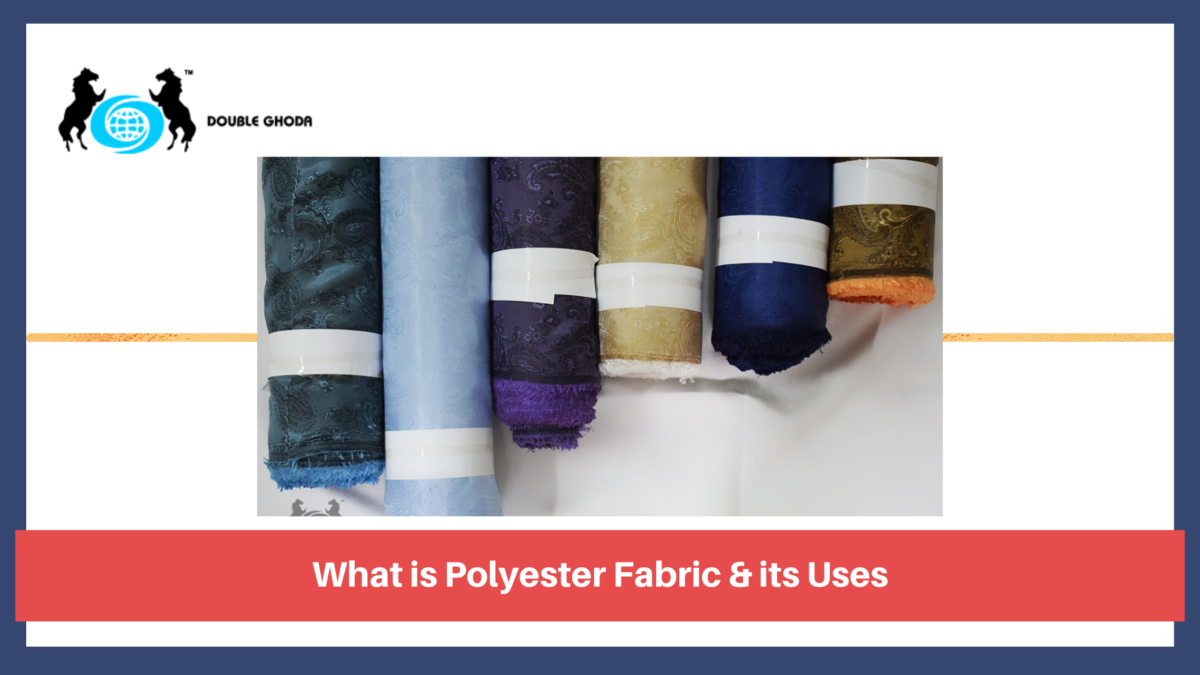
Polyester fabrics commonly do not stain simply and are resistant to stretching or shrinking. Polyester linings are usually used for lining and insulating coats and hats but may be used for any other type of lining job. This lining polyester is equipped with a nice sheen and shows to be a part transparent.

 Why is it used for?

The idea of lining fabric is to make your garment more wearable, long-lasting, and comfortable. They are usually lightweight and have a soft or silky texture. Not all items need to be lined, though. 

Here are some reasons, 

  • To make the garment light see-through
  • To add warmness and durability
  • To make the inside portion of the garment soft and pleasant to the touch
  • To lend a rich note to a garment
  • To improve the structure of a garment
  • To improve the garment slide on easily
  • To cover seams, padding, interfacing, etc.

By choosing an appropriate lining for your project, one needs to keep in mind that if the garment is not stretchy, non-stretch lining fabric is ok. But if the item is made with elastic materials like jersey, tulle, or stretch satin, the lining one ends up choosing should be stretchy as well.

Advantages & Disadvantages of Polyester 

ADVANTAGES:

  • The fibers are durable and lightweight
  • It is very wrinkle resistant
  • It dries very fast making it ideal for outerwear
  • Polyester fiber take stains (colors) easily
  • It maintains its shape well
  • It is highly stain resistant making it very easy to clean
  • Very reasonable price compared to other synthetic fiber such as Nylon

DISADVANTAGES:

  • Prone to unvarying buildup
  • Tends to retain odors compared to regular fibers
  • Pile retention for carpet/rugs is poor when compared to Nylon
  • Polyester is less breathable than natural fiber such as cotton

Types of lining fabric

  • Viscose/Rayon/Cupro.
  • Cotton.
  • Silk.
  • Polyester or polyester blends.
  • Acetate.
  • Stretch Lining.
  • Thick Insulating lining fabrics.
  • Interlining fabric choices.

How To Select A Lining Fabric

The lining is very important, even though it is not noticeable directly in any garment. The lining will guard your fabric and cover the defective and ugly seams. It also gives your garment body, and in blazers and coats, it will help you pass the garment over other items of clothing. With the lining, you can also be productive in a sewing project. 

Most Popular Lining Fabrics

Silk Lining– Silk charmeuse is a particularly lovely luxury and gives your garment a designer finish. Poly China silk Cotton Lining is a lightweight plain design that is accurate for lightweight garments. Silk, pure silk, raw silk, rayon Silk, China Silk, charmeuse, and a lot of polyester fabrics are all different types of linings.

Rayon Lining – This lightweight and slippery fabric are excellent for lining garments of all kinds. Rayon linings breathe more than polyester or acetate linings, and they are free of static cling.

Lightweight Cotton– Lightweight Cotton Fabrics work great for blouses, clothes, and tops as they are easily draped and sewn. Cotton has long been noted for its comfortable, soft hand and hydrophilic properties. With its amicable breath ability, lightweight fabric has high maintenance of color and prints.

Stretch Lining– Stretch lining leads to the inner layer of fabric that is used to provide a sleek finish to any garment. This fabric is also vital in prolonging the life of a garment by allowing it to fit and move accurately.

Satin Lining – Satin is more affordable than silk fabrics. Stretch satin is often used as lining for party clothes. A satin is a great option for silk. 

Post Credit – https://tissura.com/articles/lining-fabrics

Categories
Polyester Fabrics

Cotton VS Polyester: Benefits of Using Cotton and Polyester Fabrics

Benefits of Using Cotton and Polyester Fabrics

Cotton and blended poly-cotton fabrics are a very popular choice among garment makers for their versatility. The most basic and regular fabric, cotton, helps provide comfort to the manufactured items and has other benefits. With the addition of polyesters, the advantages have only increased. Go through the following to know of the many benefits of cotton and polyester fabrics.

Cotton fabrics

Garments and products made of 100% cotton are always high in demand. Cotton has always been a good choice among the makers for the simple properties of the texture. Comfort is almost synonymous with cotton. Have a glance at the given aspects to understand better.

Benefits at a glance

The primary benefit of cotton is the comfort and eco-friendliness for which it is extensively in use. Other than this, the other factors worth considering are:

  • Breathable: Cotton-made clothes and apparels are highly breathable. The way the cotton fabric gets made from the multiple threads and strands makes the texture light weighing and breathable. It helps in maintaining airflow throughout the fabric and garment. It does not sit too tight on the body even if the design is body-hugging. Unlike the non-cotton ones, the air can still pass through the small pockets of threads giving a softer feel to the attached body part.
  • For any style: Many have the misconception that cotton fabrics are only suitable for casual clothes. In contrast to it, kinds of cotton are well functioning in making regular garments and professional apparel like suits, formal shirts, and even jackets. The new in fashion cotton trousers are the brightest examples of cotton-made professional garments. The fabric’s properties make it compatible with any styling and design.
  • Better to design: The rising popularity of cotton fabric among fashion designers and garment industries is because of the better scope to design it. It is much easier to make a print on cotton than any other fabric. The texture is highly prone to stick with the printed designs, making it convenient for the designers. Also, cotton clothes go well with embroidery due to the tiny thread pockets all over the fabric. The texture helps in the sewing process a lot that produces efficient design opportunities on it. With cotton, you have ample room to experiment with the designs.

Polyester fabrics

Blended poly cotton or polyester fabrics are highly popular these days. The reason for that is the versatility of the fabric that it serves multiple purposes in a package. In fashion, designing, interior arts, everywhere, polyesters are extensively in use. It is not a natural product but a blended version that contains elements of plastic. Have a glance at the following to understand the uses better.

Advantages worth knowing

The many advantages of polyesters have made them an essential manufacturing product that you may use regularly. Nylon is a great example of useful polyester, and the multiple benefits have made it an inseparable component of the textile industry. The following are the varied advantages, to mention a few.

  • Highly durable: For the addition of plastic elements in the fabric, the products manufactured from polyesters are highly durable than others. With the perfect blend of natural components and poly ingredients, the material is also good at stretching. Wearing polyester-made clothes provides comfort as well.
  • Less wrinkling: Wrinkles on clothes are a thing to worry about for both user and the makers. It reduces the attractiveness of it. There is very little chance of wrinkles with polyesters as they have a stiff texture that helps maintain the apparel structure. People are largely adapting to polyester for the low maintenance aspects of the fabric.
  • Rough-use friendly: Manufacturers who make clothes for regular usage and other textile items that do not require delicate handling vehemently use polyester for their ability to resist damages. The fabric’s highly durable and flexible texture allows the user to use the apparel roughly. For this, garment makers and other industries involving textiles like bags, luggage, etc., are adapting to polyester to improve users’ usability. 

Rounding up

Reading the above will help you understand the cause behind the ever-increasing demand for cotton and polyester fabrics. Using them in daily wearables and textile products has eased the using factor for the users and the makers.

ENQUIRE NOW