
Structured garments need interlining that supports shape and stability. Soft garments need support that does not strip away drape, flexibility or hand feel. That is the core change. The right choice depends on garment structure, outer fabric and the finish you want, not on GSM alone.
If you are selecting interlining fabric for a new style, this guide shows how your requirements shift between the two garment types and how to decide with confidence. We wrote it for garment, suit and blazer manufacturers, exporters, sourcing teams and wholesale buyers.
What Is the Role of Interlining in Structured and Soft Garments?
Interlining is a hidden support layer that gives a garment part its shape, stability and control. How much support you need depends on how the garment is designed to look and move.
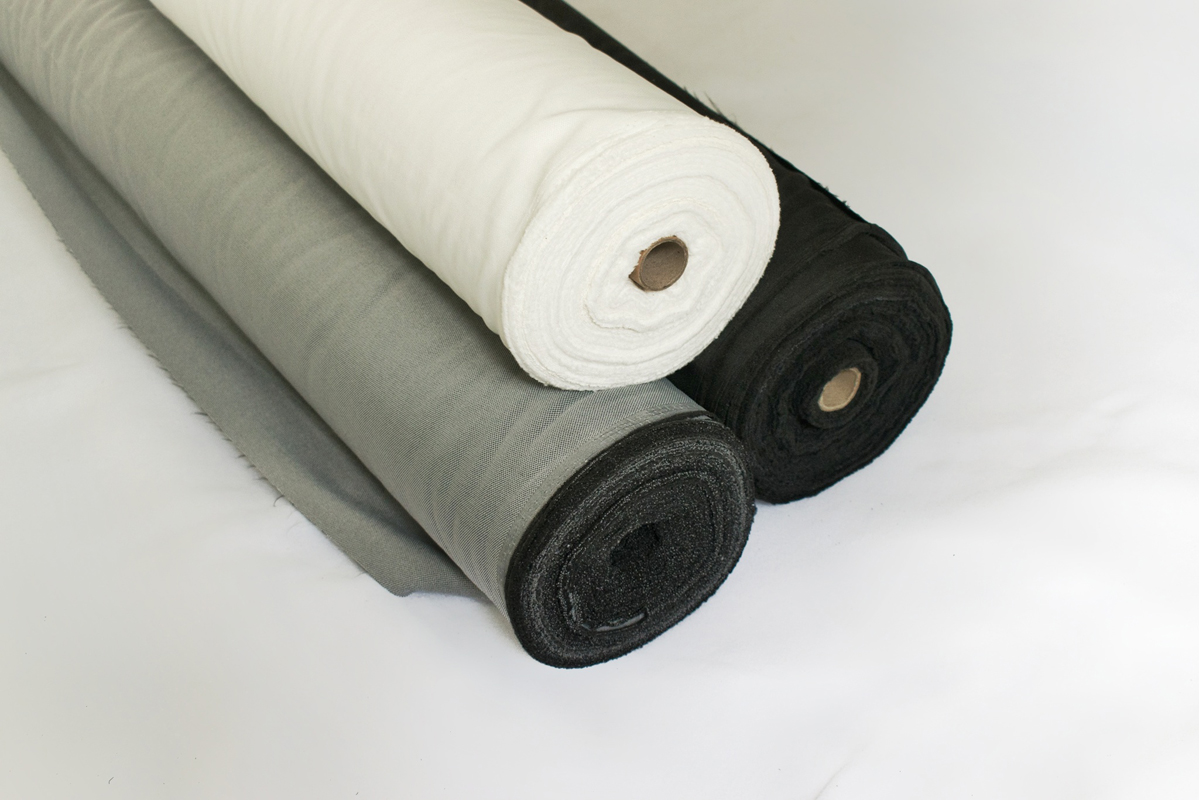
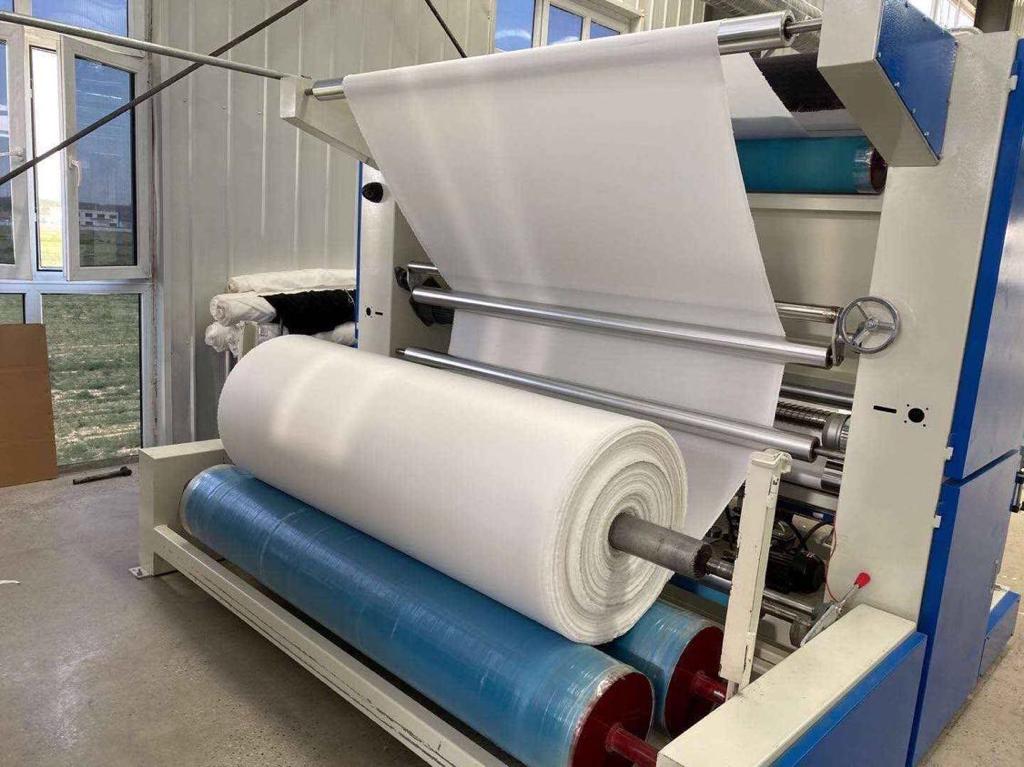
It sits between the outer fabric and the lining. Fusible grades carry a heat-activated adhesive on one side, so they bond to the outer fabric under heat and pressure. Many buyers simply call this product fusing cloth.
Requirements differ because a structured garment must hold a defined form, while a soft garment must keep its natural fall. With too little support, a jacket front can lose its shape. With too much, a flowing garment turns stiff.
Seven factors drive the choice:
Garment application: Where the interlining sits, such as the front body, collar, cuff, placket, waistband or pocket.
Garment structure: Is the design tailored, semi-structured or relaxed?
Outer fabric: Weight, weave, stretch and surface all change how interlining behaves.
Desired shape: Crisp and defined, or gentle and fluid.
Support: How much stability each panel needs.
Drape: How the cloth falls and moves.
Hand feel: How the finished garment feels to the touch.
Interlining for Structured Garments: What Changes?
For structured garments, choose interlining that adds stability and defined shape while keeping the garment wearable. Think suits, blazers, jackets, coats and many uniforms, where the silhouette must hold through wear and cleaning.
What should you check for structured garments?
- Required structure: A sharp chest and lapel need more support than a lightly tailored jacket.
- Outer fabric: Heavier or textured cloth may need a different base than a fine, smooth one.
- Garment component: Front body, chest, collar, lapel and cuff rarely need the same support level.
- Interlining weight: Heavier weights generally add firmness, but weight is only one input.
- Construction: Woven and non-woven bases behave differently under stress.
- Coating: Adhesive type and dot pattern affect bond strength and fusing behaviour.
- Bonding requirements: Consider cleaning method, wear cycles and bond durability.
General industry guidance: fusible interlining for structured garments is often woven, because a woven base generally offers more stability and shape retention. Lighter non-woven grades more often go into smaller parts. Treat this as a starting point, then confirm it with a test on your own outer fabric.
Do not assume one weight suits every suit or every coat. A heavily structured design in a soft cloth can need different support than a lighter design in a crisp cloth.
Interlining for Soft Garments: What Changes?
For soft garments, choose the lightest support that still does the job. The goal is to stabilise key areas while protecting the garment’s drape, flexibility and hand feel.
Soft garments include relaxed shirts, flowing tops, unstructured jackets, light formal wear and styles in fine or sheer cloth. They still need support in places such as plackets, necklines, waistbands and pockets.
Interlining fabric for soft garments usually comes down to these points:
- Support requirements: Decide what must be held in place, such as an edge, opening or seam, rather than automatically fusing everything.
- Outer fabric: Fine, lightweight or sheer cloth is easy to overpower with a stiff layer.
- Garment construction: Full-panel fusing and part-only fusing give very different results.
- Flexibility: The interlining should move with the cloth, not against it.
- Drape: A stiff layer can interrupt the way a garment falls.
- Hand feel: Judge the fused sample by hand, not by the spec sheet alone.
No single interlining type or GSM suits every soft garment. A light woven grade may work on one cloth, and a non-woven grade on another. Make the final call with a fused sample on your actual fabric.
Structured vs Soft Garments: How Should Interlining Requirements Differ?
Structured garments generally need firmer, more stable support. Soft garments generally need lighter, more flexible support. The table shows the usual differences.
| Factor | Structured garments | Soft garments |
| Garment structure | Defined, tailored shape | Relaxed or fluid shape |
| Required support | Higher, often across larger panels | Lower, often targeted to specific areas |
| Outer fabric | Often firmer or heavier cloth, though not always | Often lighter or finer cloth, though not always |
| Drape | Controlled and held | Natural and free-falling |
| Hand feel | Firmer and crisper | Softer and more pliable |
| Interlining construction | Frequently woven for stability | Light woven or non-woven, depending on the cloth |
| Weight | Often heavier | Often lighter |
| Application | Front body, chest, lapel, collar | Plackets, waistbands, necklines, pockets |
The same garment category can need different interlining depending on design, outer fabric and finish. A tailored blazer in heavy wool and an unstructured blazer in linen are both blazers, yet they will not want the same support.
Application matters too. Using body fusing across the full front creates a different result than fusing only the edges. Decide the finish first, then pick the interlining that delivers it.
What Should Garment Manufacturers Consider Before Choosing Interlining?
Choose in sequence, starting with the garment and ending with production. This order keeps GSM in its proper place as one input, not the starting point.
Production requirements: Confirm press conditions, line speed, cleaning method and quality checks.
Garment structure: Define how structured the design is.
Outer fabric: Note weight, weave, stretch and finish.
Required support: Decide how much stability each garment component needs.
Drape and hand feel: Set how the finished garment should fall and feel.
Interlining construction: Choose woven or non-woven for the job.
GSM and weight: Shortlist weights that suit steps 1 to 5.
Coating: Check the adhesive type and pattern.
Why should GSM not be judged alone?
GSM tells you weight per square metre. It does not tell you the base construction, the coating or how the product feels once fused. Two products at the same GSM can behave differently, so compare them on a fused sample, not on weight alone.
Buyer recommendation: Before a bulk order, run a small fusing test on your actual outer fabric. Check bond strength, surface appearance, hand feel and how the fused part behaves after pressing and cleaning.
Ask your supplier for the recommended press conditions for each fusing cloth grade, and follow them in production. Wholesale buyers should also request clear specifications, such as construction, coating, width and roll format, so offers can be compared fairly.
Interlining Fabric Options From Double Ghoda
We are B.C. Impex, an import and wholesale trading business, and we supply woven and non-woven fusible interlining.
| Option | GSM range | Coating | Typical use listed on our site |
| Woven | 30–150 GSM | PA double-dot | Garment body in suits, blazers and sherwanis |
| Non-woven | 30–82 GSM | PES | Collars, cuffs, plackets and small parts |
For structured garments, our woven range is where most buyers start. Our product guide lists 80–130 GSM woven for structured suits, with 120–130 GSM for premium suits that need a firmer chest. For blazers, it lists 80–120 GSM woven, with 100–120 GSM for heavily structured or premium styles. For heavier ethnic formal wear such as bandgala, Nehru jackets and achkans, it lists 100–150 GSM woven.
Body fusing refers to the heavier woven grades, 100–150 GSM, applied across the full front of a suit or sherwani. Our 140 GSM grade, known in the trade as 111 quality, is listed for sherwani full-front construction.
For softer and lighter applications, our guide lists 30–60 GSM woven or non-woven for ladies’ ethnic wear, light formal wear, waistbands and pockets. It lists 30–40 GSM woven as ultralight reinforcement for sheer fabrics and delicate women’s wear. Our non-woven grades are described as having good elasticity, so they move with the garment part.
Many factories use both: woven for the garment body and non-woven for collar and cuff details. Our woven range uses PA double-dot coating, and both ranges are listed as OEKO-TEX® Standard 100 certified.
Treat these figures as reference ranges from our product guide, not universal rules. Your outer fabric and intended finish still decide the final choice. Tell us what you are making and what outer fabric you are using, and we will help you shortlist suitable grades. You can view the full range on our official product page.
FAQs
What is the difference between interlining for structured and soft garments?
Structured garments need interlining that supports shape and stability. Soft garments need lighter, more flexible support that protects drape and hand feel. The right choice depends on garment design, outer fabric and finish.
Is higher GSM interlining always better for structured garments?
No. Higher GSM adds weight, but construction, coating and outer fabric also decide the result. Too much weight can make a garment over-stiff, so test a fused sample before you commit.
Can the same interlining be used for structured and soft garments?
Sometimes, but not by default. The same grade can suit one structured design and one soft design if the outer fabric and finish allow it. Always verify with a fusing test.
How does outer fabric affect interlining selection?
Outer fabric weight, weave, stretch and surface change how interlining bonds and how the garment feels afterwards. A fine or sheer cloth usually calls for lighter support than a heavy, firm cloth.
Link of related Articles
- Lightweight Interlining vs. Heavyweight Interlining
- A Beginner’s Guide to Interlining
- Choosing the Right Interlining