
When you are building garments that need structure, shape retention, and long-term durability, the material sitting between the outer fabric and the garment body often matters as much as the outer fabric itself. Most buyers focus on fabric quality, stitching, trims, and finishing. Yet the hidden layer responsible for maintaining shape after repeated wear is usually the deciding factor in how professional the finished garment looks.
At Double Ghoda, we have spent years supplying garment manufacturers across India, and one thing remains consistent: the right support layer improves not only the appearance of a garment but also its performance throughout its lifecycle. Whether you are producing formalwear, ethnic garments, jackets, uniforms, or structured apparel, understanding the fundamentals behind these materials helps you make better sourcing decisions and avoid costly production issues later.
A well-selected fusing cloth supports the outer fabric, improves shape retention, and contributes to the overall quality of the finished garment.
Table of Contents
- Why Internal Garment Structure Matters
- Understanding Construction Types
- The Role of Coating Technology
- How Weight Influences Performance
- Common Production Challenges and Their Causes
- Choosing the Right Specification for Your Application
Why Internal Garment Structure Matters
When customers evaluate a garment, they rarely think about what is hidden inside it. Instead, they focus on how it looks, how it fits, and how well it maintains its appearance over time. What many buyers do not realize is that these qualities often depend on the reinforcement layer sitting beneath the outer fabric.
A garment’s visual appeal depends on more than design and tailoring. The way it holds its shape, supports seams, and maintains a clean silhouette throughout its lifespan is heavily influenced by the materials used inside its construction.
Without proper support, garments can begin losing their definition surprisingly quickly. Front panels may soften, collars can collapse, and structured areas may start to distort after regular wear. These issues often become noticeable after only a few cleaning cycles, even when premium outer fabrics are used.
This is where fusing cloth plays an important role. Its purpose is to provide stability while allowing the garment to remain comfortable and wearable. Rather than making a garment stiff, it helps preserve its intended shape and appearance.
The importance of internal structure becomes even more evident in garments such as:
- Formal suits
- Blazers
- Uniforms
- Bandhgalas
- Jackets
- Structured ethnic wear
- Corporate apparel
In these categories, appearance is often linked directly to quality perception. A garment that maintains its shape communicates professionalism, craftsmanship, and durability.
At Double Ghoda, we often remind manufacturers that internal support is not simply an accessory. It is a critical component of garment engineering that influences performance from the day the garment is produced until the day it reaches the end of its lifecycle.
Understanding Construction Types
One of the first decisions you will face when sourcing support materials is choosing between woven and non-woven constructions. Although these materials may appear similar at first glance, their construction methods create significant differences in performance.
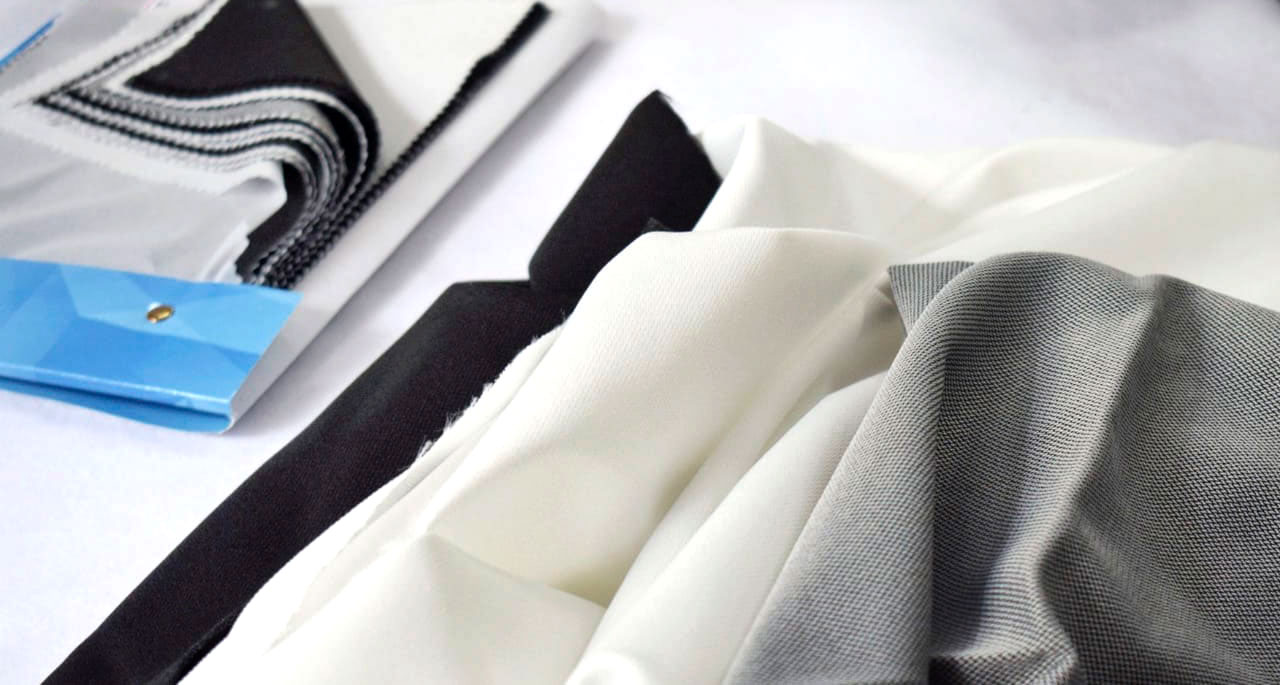
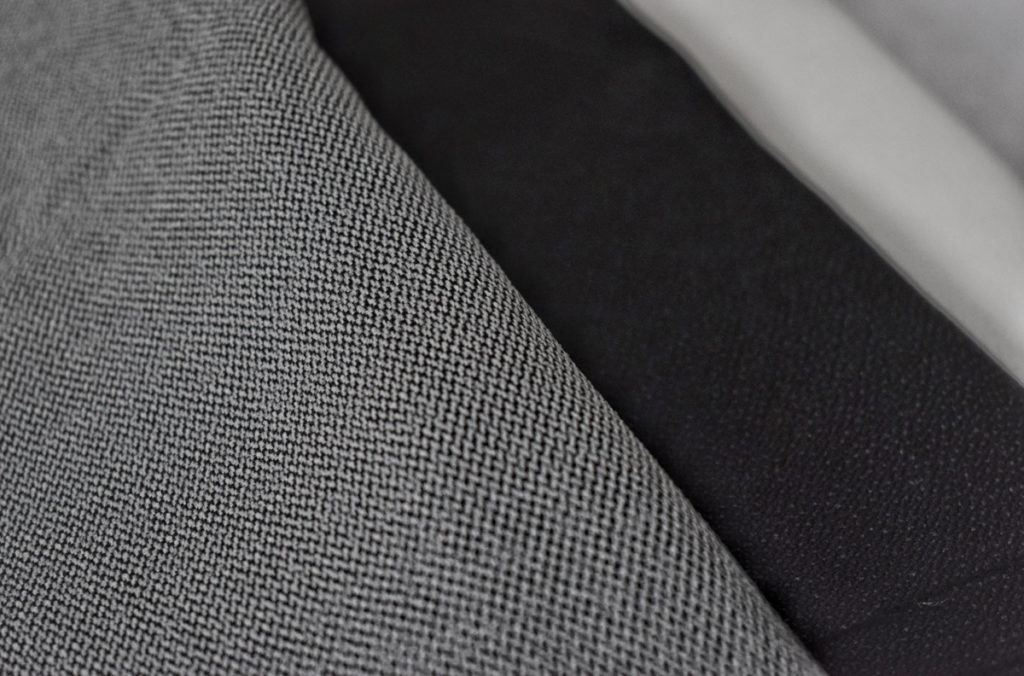
Non-woven materials are produced by bonding fibres together through mechanical, chemical, or thermal processes. They are widely used because they are cost-effective, lightweight, and easy to process. Woven materials, on the other hand, are created by interlacing warp and weft yarns on a loom. This creates a structured grid that provides improved stability and durability.
A woven interlining offers several advantages:
- Better dimensional stability
- Improved resistance to stretching
- Greater durability
- More natural drape
- Better shape retention
Because woven constructions follow a grain direction similar to most garment fabrics, they tend to move more naturally with the garment itself.
This becomes especially valuable in garments where maintaining a consistent silhouette is important. Many manufacturers choose woven fusible interlining for applications requiring long-term performance because it provides a balance between structure and flexibility.
Another benefit of woven construction is its ability to withstand repeated cleaning and regular wear without significant distortion. This makes it a preferred option for structured garments that are expected to maintain a premium appearance over time. The choice between woven and non-woven construction should always be based on the garment’s requirements rather than simply its cost.
Understanding how construction influences performance allows manufacturers to make more informed sourcing decisions and achieve more consistent production results.
The Role of Coating Technology
Construction is only one part of the equation. The adhesive coating applied to the reinforcement layer plays an equally important role in determining overall performance.
The coating is responsible for creating the bond between the reinforcement material and the outer fabric. Whether you are working with an interlining fabric for shirts, jackets, uniforms, or structured formalwear, the quality of the adhesive system directly influences the final result. Modern garment manufacturing relies on thermoplastic adhesive systems that activate under controlled heat, pressure, and time. Once activated, the adhesive creates a durable bond that allows the reinforcement layer to function as part of the garment structure.
The effectiveness of this bond influences:
- Shape retention
- Cleaning resistance
- Garment durability
- Production efficiency
- Long-term appearance
A high-quality coating provides consistent adhesion across the entire garment panel. Poor coating quality, however, can create a range of production challenges.
Common coating-related issues include:
- Bubbling
- Delamination
- Uneven bonding
- Surface defects
- Poor cleaning performance
The distribution of adhesive is particularly important. Uneven coating can create areas with excessive bonding and areas with insufficient bonding, resulting in inconsistent garment performance. At Double Ghoda, we encourage manufacturers to evaluate adhesive quality as carefully as they evaluate fabric construction. Many production issues that appear to be fabric problems are actually coating problems.
A reliable coating system improves not only product quality but also production consistency, helping manufacturers reduce rework and improve efficiency.
How Weight Influences Performance
Weight is one of the most misunderstood specifications in garment reinforcement materials.
A lighter option does not automatically mean greater comfort, just as a heavier option does not automatically mean better support. The correct selection depends entirely on the outer fabric and the garment’s intended use.
Lightweight constructions work well for collars, cuffs, lightweight shirts, and delicate fabrics. Medium-weight options are often selected for blazers, uniforms, and structured garments. Heavier specifications are chosen when the outer fabric itself carries substantial weight or requires significant shape retention.
This is why body fusing specifications vary considerably across different garment categories. A material that performs exceptionally well in a lightweight jacket may be completely unsuitable for a heavily structured garment.
The objective is always to match support levels to the requirements of the outer fabric rather than choosing the heaviest available option.

Common Production Challenges and Their Causes
Many garment defects that appear during production or after sale can be traced back to reinforcement selection.
Some of the most common issues include:
- Bubbling After Cleaning
Usually caused by insufficient bonding, inconsistent adhesive application, or incorrect fusing parameters.
- Loss of Shape
Often the result of selecting a specification that lacks sufficient support for the outer material.
- Visible Reinforcement Lines
Can occur when an excessively rigid material is paired with a lightweight face fabric.
- Delamination
Typically caused by poor adhesive quality or improper fusing conditions.
- Distortion and Panel Movement
Often linked to construction types that cannot maintain dimensional stability during wear.
Understanding these causes helps reduce reject rates, minimize returns, and improve overall garment quality.
Choosing the Right Specification for Your Application
There is no universal specification that works for every garment. The ideal choice depends on several factors:
- Outer fabric weight
- Garment category
- Desired level of structure
- Cleaning requirements
- Production equipment
- Customer expectations
When evaluating options, it is important to test samples under actual production conditions. A material that performs well during initial bonding should also be evaluated after wear simulation and cleaning tests.
At Double Ghoda, we encourage buyers to assess the complete performance cycle rather than making decisions based solely on price or weight. A slightly higher investment at the sourcing stage often prevents significantly higher costs associated with rework, quality complaints, and product returns.
The selection process should always begin with understanding the garment’s intended function. A lightweight shirt, a structured blazer, and a formal jacket all require different levels of support and stability. Choosing a specification that complements the outer fabric helps ensure the garment performs as intended throughout its lifespan.
For applications where shape retention, durability, and dimensional stability are priorities, many manufacturers prefer woven fusible interlining because it combines structural support with a natural drape. Its woven construction allows the garment to move more naturally while maintaining a clean silhouette, making it suitable for a wide range of structured apparel.
Before approving any material for bulk production, it is advisable to conduct bonding, cleaning, and wear-performance tests. These evaluations provide valuable insights into how the reinforcement will behave under real-world conditions, helping you make a more informed sourcing decision and reduce the risk of production issues later.
Final Thoughts
The hidden structural layer inside a garment may never be seen by the end customer, but its impact is visible every time the garment is worn. From shape retention and comfort to durability and appearance, selecting the right interlining fabric contributes directly to the quality of the finished product.
As garment expectations continue to rise, manufacturers increasingly rely on technically advanced solutions that combine stability, durability, and ease of processing. Whether you are sourcing materials for formalwear, uniforms, jackets, or ethnic garments, understanding how reinforcement materials function will help you achieve more consistent production results.
At Double Ghoda, we believe better garments begin with better materials. By understanding construction methods, adhesive technology, and application requirements, you can confidently select the right fusible interlining and woven interlining solutions for your production needs, ensuring garments continue to perform long after they leave the factory floor.
Link of related Articles
- Lightweight Interlining vs. Heavyweight Interlining
- A Beginner’s Guide to Interlining
- Choosing the Right Interlining