
If you manufacture suits, blazers, or sherwanis in Surat, you already know the outer fabric is only part of the story. Buyers judge a garment on how it drapes, how it wears, and, for anything worn open, like a sherwani, how the interior looks too. That interior finish comes down to one thing: your polyester lining fabric.
Surat is India’s biggest hub for ethnic formal wear manufacturing, and the volume of suits, sherwanis, and bandgalas moving through this city means your lining supplier needs to keep pace. A bad batch, an inconsistent shade, or a late delivery doesn’t just slow you down, it costs you orders. This guide walks you through exactly what to look for before you commit to a polyester lining supplier.
Table of Contents
- Why Your Polyester Lining Supplier Choice Matters So Much
- What to Look for in a Polyester Lining Fabric Supplier
- Polyester Lining Types Every Surat Manufacturer Should Know
- Choosing the Right GSM and Colour for Your Garment
- Red Flags to Watch Out for When Sourcing Polyester Lining
- Why Surat Manufacturers Choose Double Ghoda for Polyester Lining
Why Your Polyester Lining Supplier Choice Matters So Much
Let’s be honest, lining fabric doesn’t get the attention the outer fashion fabric gets. But if you’ve ever had a client reject a batch over shade mismatch, or had your tailoring line stall because a roll came up short, you know how much this “invisible” layer actually matters.
Polyester lining fabric is the interior finishing layer sewn inside suits, blazers, sherwanis, and formal jackets. It sits over the fusible interlining and the raw construction work, hiding seams and giving the inside of the garment a clean, finished look. It also does real functional work, it lets the wearer slip the garment on and off easily, stops the outer fabric from clinging to the body, and protects the inner face of your fashion fabric from sweat and friction.
Here’s why your supplier choice for this fabric carries more weight than it seems:
- Shade consistency affects your brand reputation — a mismatched lining batch on a bulk sherwani order is a visible defect, not a minor one
- Roll length accuracy affects your production planning — short rolls mean wasted fabric and delayed cutting schedules
- Reorder reliability affects your delivery timelines — if your supplier can’t match the same dye lot, your repeat orders become a gamble
- Weave and GSM choice affects the finished garment’s feel — the wrong lining can make a premium suit feel cheap, even if the outer fabric is excellent
In a market as competitive as Surat’s garment trade, small inconsistencies in your lining fabric add up fast, across hundreds or thousands of metres, they become real losses.
What to Look for in a Polyester Lining Fabric Supplier
Not all polyester lining suppliers operate the same way. Some are traders reselling whatever stock they can source; others hold consistent inventory built specifically for garment manufacturing. Here’s what separates a supplier worth building a long-term relationship with from one that’ll cause you headaches.
A genuine range of weave types You shouldn’t have to go to three different suppliers to get jacquard, satin, dobby, and taffeta lining. A supplier who stocks the full range lets you match the right lining to every garment type in your production line without juggling vendors.
Consistent dye lots for reorders Ask directly: can they match the exact shade when you reorder six months later? This is one of the most common failure points in the lining trade, and it’s worth confirming before you place your first bulk order.
Accurate roll lengths, verified before dispatch Short metres on a roll is a surprisingly common problem in this trade, and it causes real production losses on the cutting table. A reliable supplier checks and verifies every roll before it ships.
Fast response and written quotations In a fast-moving manufacturing hub like Surat, you don’t have time to wait days for a price. Look for suppliers who respond with a written quotation, GSM, colour, quantity, price, within a few hours.
Samples before bulk commitment Any supplier confident in their product will send you samples before asking you to commit to a 1,000-metre order. If a supplier pushes you straight to bulk without offering samples, treat that as a caution sign.
Stock built for Indian ethnic formal wear A generic import catalogue doesn’t always carry the GSM ranges and jacquard designs that Surat’s sherwani and suit manufacturers specifically need. Look for a supplier whose range is clearly built around what your segment of the market actually orders.
Polyester Lining Types Every Surat Manufacturer Should Know
Before you place an order, it helps to know exactly which lining type fits which garment. Here’s a practical breakdown of the four main polyester lining fabric weaves used across Surat’s suit and sherwani production.
- Jacquard lining — has a woven pattern on the surface, giving it the most premium look of the four types. This is the top choice for sherwanis and premium suits, since the interior is often visible when the garment is worn open. Typically runs 80–85 GSM.
- Satin Dobby lining — combines a dobby texture with a satin base, giving it a slightly richer hand than plain satin while keeping that smooth drape. A strong mid-premium choice for blazers and suits. Usually falls in the 72–82 GSM range.
- Plain Satin lining — smooth, glossy, and comfortable against the skin, this is the standard workhorse choice for suits and blazers where cost matters but quality still needs to hold up. Typically 67–80 GSM.
- Taffeta lining (190T) — lightweight and crisp, this is the most economical lining option. 190T refers to the thread count, a specification widely recognised across the Indian garment trade. Ideal for blazers, safari suits, and outerwear where you want minimal bulk. Runs 52–65 GSM.
Most manufacturers in Surat end up ordering more than one type, jacquard for premium sherwani lines, satin or taffeta for standard suits and blazers. A supplier who stocks all four saves you from splitting your orders across multiple vendors.
Choosing the Right GSM and Colour for Your Garment
GSM affects how your lining behaves once it’s sewn into the garment. Go too light and it wrinkles easily under wear; go too heavy and you add bulk your tailors and your buyers will both notice. Here’s a quick reference to match GSM to your garment type.
| GSM Range | Weave | Best For |
| 52–65 GSM | Taffeta / light satin | Blazers, safari suits, lightweight outerwear |
| 67–80 GSM | Satin / Satin Dobby | Standard suits and blazers |
| 80–85 GSM | Jacquard / Dobby | Premium sherwanis, heavily structured suits |
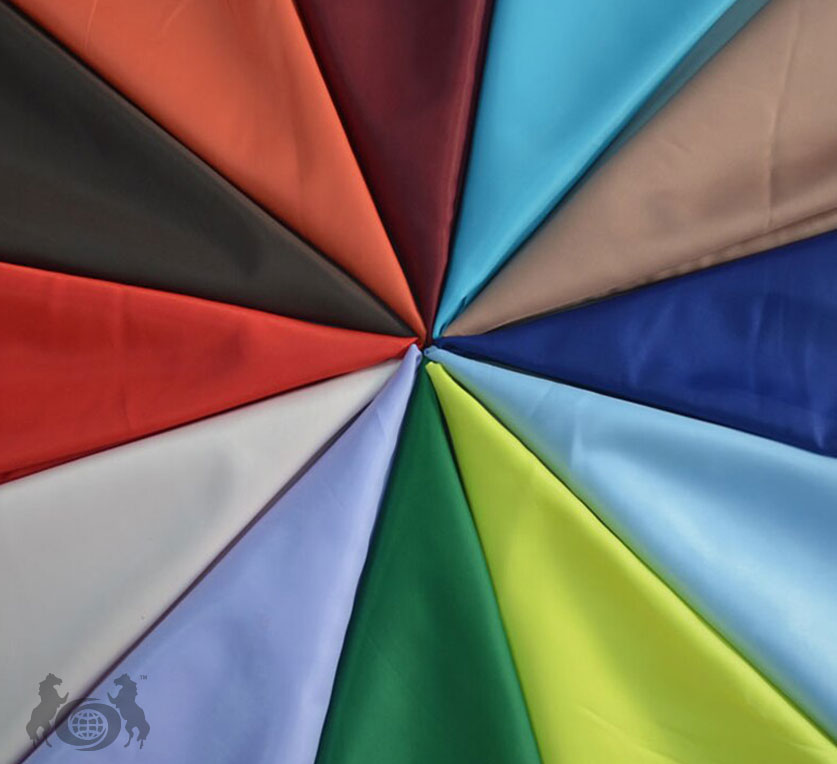
Colour matters just as much as weight, especially for garments where the interior shows. Black, navy blue, white, and off-white cover the majority of orders, but don’t overlook the value of a wider palette, maroon, bottle green, grey, purple, and beige give you more flexibility to match interior lining to your outer fabric or brand identity.
A few practical pointers when specifying colour and GSM on your purchase order:
- For sherwani interiors that show when worn open, prioritise a premium-looking weave like jacquard in black or dark navy
- For blazers where cost control matters, taffeta in black or white covers most standard requirements
- Always request the same dye lot number for reorders, especially on large or repeat bulk orders
- If your buyer has a specific shade requirement, ask your supplier about custom colour or print options before finalising the order
Red Flags to Watch Out for When Sourcing Polyester Lining
Surat’s garment trade has plenty of lining fabric traders, but not all of them are built for consistent bulk supply. Watch for these warning signs before you commit to a supplier relationship.
- No willingness to provide samples — a supplier who pushes straight to bulk order without samples is asking you to take a costly risk
- Vague answers on GSM or weave specification — if they can’t tell you the exact GSM range for jacquard versus satin, they likely don’t hold consistent stock
- No clarity on minimum order quantity or roll length — this should be stated upfront, not discovered after you’ve placed the order
- Inconsistent shade across previous orders — ask other manufacturers in your network about their experience reordering from the same supplier
- Slow or unclear quotations — in a fast-moving market like Surat, a supplier who takes days to quote a price isn’t built for your production pace
- No physical stock, only broker-style sourcing — suppliers without their own warehouse often can’t guarantee delivery timelines during peak season
If a supplier checks any of these boxes, it’s worth asking more questions before you place a large order, a cheaper price upfront isn’t worth the cost of production delays or rejected batches later.
Why Surat Manufacturers Choose Double Ghoda for Polyester Lining
At Double Ghoda, we’ve supplied polyester lining fabric to India’s garment trade for over 10 years, and Surat is one of our primary markets. Sherwani manufacturers, suit factories, and formal wear wholesalers across the city order from us because we solve the exact problems that make lining sourcing frustrating elsewhere.
Here’s what you get when you source polyester lining fabric from us:
- A complete range in four weave types, Jacquard, Satin Dobby, plain Satin, and Taffeta, all held in ready stock, so you’re not splitting orders across vendors
- A full 52–85 GSM range, giving you the right weight for everything from lightweight safari suits to heavily structured premium sherwanis
- Consistent colour shade batch to batch, so your reorders match without surprises, a detail our clients tell us is the reason they keep coming back
- 50+ colour options, from the top-selling black, navy, white, and off-white through to maroon, green, grey, and purple
- Accurate roll lengths, verified before dispatch, every roll is checked so you’re not losing production time to short metres
- A written quotation within 1 hour on WhatsApp, with samples available before you commit to bulk
We’re a direct wholesale supplier, not a marketplace listing or a broker reselling someone else’s stock. Our range is built specifically for what Indian ethnic formal wear manufacturers need, the jacquard designs, GSM grades, and colour range reflect real demand from Surat, Delhi, Ludhiana, and Kolkata, not a generic import catalogue. Most of our clients order polyester lining fabric alongside our woven fusible interlining and garment accessories, covering their full construction requirement in a single order.
Looking to source polyester lining fabric for your next production run? Tell us the lining type, GSM, colour, and quantity you need, and we’ll send a written quotation with per-metre pricing and freight terms to Surat, usually within the hour.
Link of related Articles
- Lightweight Interlining vs. Heavyweight Interlining
- A Beginner’s Guide to Interlining
- Choosing the Right Interlining