

The fashion industry moves fast, and what’s happening inside your garments is changing just as quickly as what’s happening on the outside. If you’re sourcing interlining fabric for your production line, you’ve probably noticed the demands have shifted, lighter fabrics, faster turnaround, stricter certification requirements, and buyers who care about sustainability as much as they care about fit.
Woven fusible interlining sits at the center of all of this. It’s the invisible layer that decides whether a blazer holds its shape after fifty wears or starts sagging after five. As fashion trends evolve, so does the technology behind this humble but essential fabric. Here’s what you need to know to stay ahead.
Table of Contents
- Why Woven Fusible Interlining Still Matters in Modern Fashion
- Top Trends Shaping Woven Interlining Fabric Right Now
- Lightweight and Multi-GSM Woven Fusible Interlining for Versatile Garments
- Sustainability and Certification Are Driving Sourcing Decisions
- How to Choose the Right Woven Interlining for Your Fashion Line
- Why Fashion Brands Choose Double Ghoda for Woven Fusible Interlining
Why Woven Fusible Interlining Still Matters in Modern Fashion
You might assume interlining is an old-school component in an industry obsessed with new fabrics and fast fashion. It’s not. If anything, it’s become more important as garment construction has sped up and buyers have gotten pickier about how a finished piece drapes, holds, and performs.
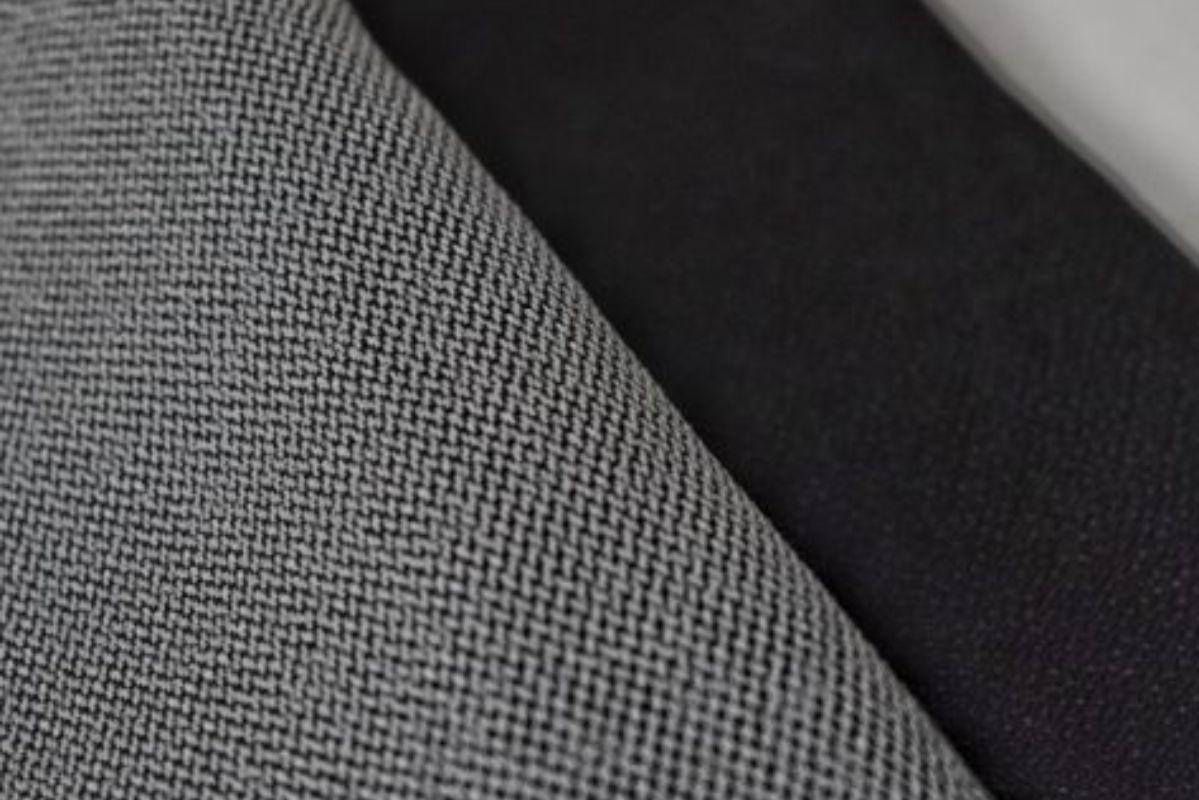
Woven fusible interlining is a base fabric, 100% polyester, woven in structure, coated on one side with a thermoplastic adhesive. Press it against your fashion fabric with heat, and it bonds permanently, giving the garment part structure, shape retention, and durability. No stitching, no bulk, no visible seams.
Here’s why it still earns its place on every serious production line:
- It replaces slow, manual sew-in interfacing, fusing takes seconds per panel instead of minutes of hand or machine stitching
- It gives a soft handle feel without sacrificing structure, which matters for premium ready-to-wear
- It resists shrinkage and tearing, so the garment holds its shape through repeated washing and dry cleaning
- It’s suitable for both men’s and women’s fabric applications, from tailored blazers to lightweight jackets
As fashion cycles speed up and brands push for faster production without cutting quality, interlining fabric has quietly become one of the most important sourcing decisions a manufacturer makes.
Top Trends Shaping Woven Interlining Fabric Right Now
The fashion industry’s demands have changed, and woven interlining fabric has changed with it. Here are the trends we’re seeing across garment factories and fashion houses right now.
1. Softer handle, without losing structure Buyers want garments that feel soft against the skin but still hold their shape. That’s pushed suppliers toward finishing technology that delivers a superior soft handle feel alongside strong bonding strength, a combination that used to be a trade-off.
2. Double-dot coating becomes the standard, not the upgrade A few years ago, single-dot coating was common. Now, PA double-dot coating, where adhesive is applied in two staggered rows, is becoming the expected standard because it delivers stronger bonding and faster fusing times, which matters when factories are under pressure to increase throughput.
3. Demand for wider GSM ranges from a single supplier Fashion brands aren’t sticking to one silhouette anymore. A single collection might need ultralight interlining for chiffon and heavyweight interlining for a wool overcoat, in the same season. Manufacturers increasingly want one supplier who can deliver the full GSM spectrum instead of juggling multiple vendors.
4. Certification is now a purchase requirement, not a bonus OEKO-TEX® Standard 100 certification used to be a nice-to-know. Today, especially for export-facing fashion brands, it’s a non-negotiable line item on the purchase order.
5. Colour range expansion beyond white and black As fashion fabric colours diversify, interlining suppliers are expanding beyond the standard white and black into grey and charcoal shades, giving manufacturers better shade-matching and less show-through on lighter or translucent fashion fabrics.
6. Faster fusing cycles to match lean production lines With fusing press cycles now running in the 18 to 25 second range at 125–145°C, factories are able to keep pace with leaner, faster-moving production schedules without compromising on bond quality.
Lightweight and Multi-GSM Woven Fusible Interlining for Versatile Garments
One of the biggest shifts in fashion right now is the range of garment types a single brand produces in one season, tailored jackets, soft chiffon dresses, structured coats, and knitwear, often all under one label. That means the interlining fabric you order can’t be one-size-fits-all anymore.
This is where GSM flexibility becomes critical. Woven fusible interlining today spans a wide range, from ultralight 22 GSM grades right up to heavyweight 150 GSM options, and each one serves a completely different purpose:
- Ultralight woven interlining (22–40 GSM) — ideal for lightweight chiffon fabrics, ladies’ summer clothes, and sheer or delicate fashion pieces where you need stability without stiffness
- Light-to-medium weight (40–70 GSM) — the go-to range for collars, cuffs, front parts, embroidery panels, and waistbands on shirts and mid-weight jackets
- Medium weight (70–100 GSM) — well suited to knit fabric applications, children’s clothing, and mid-grade suits or uniforms
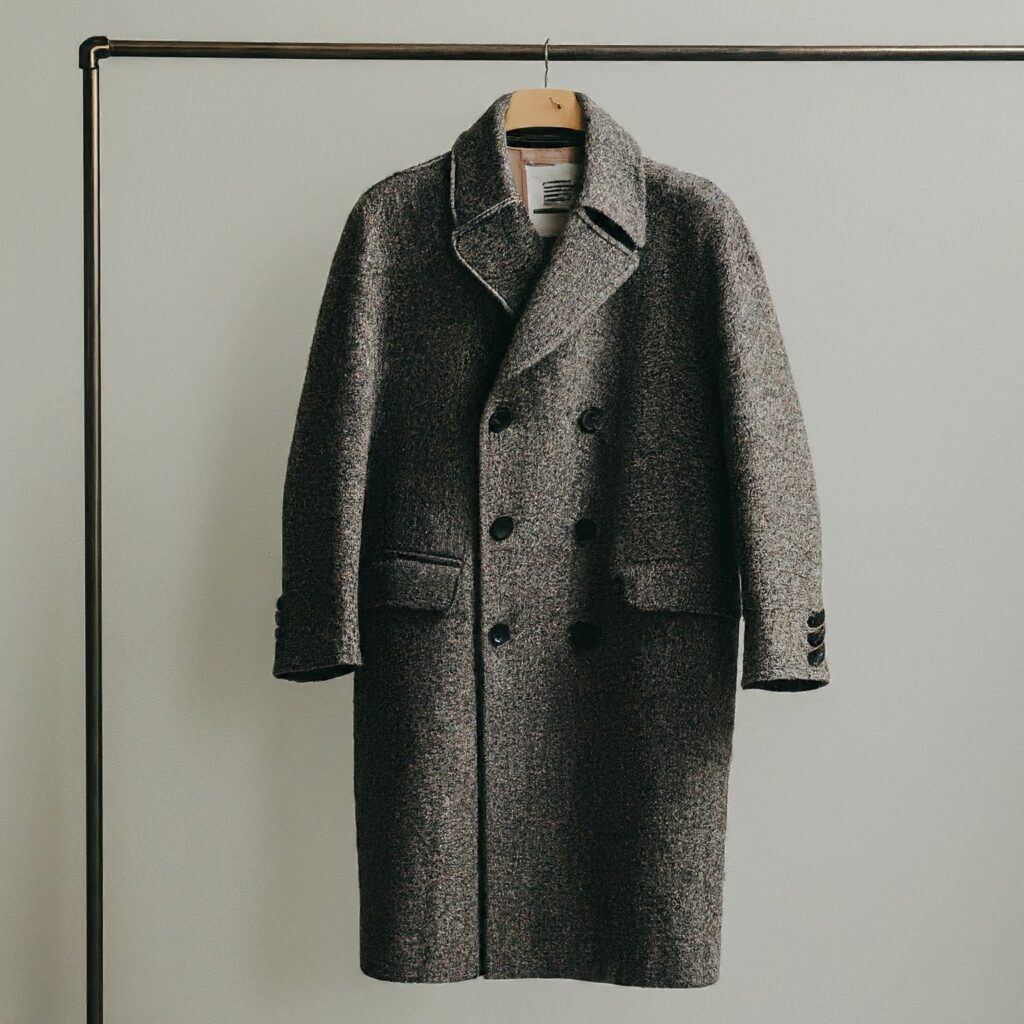
- Heavyweight (100–150 GSM) — built for full-front fusing on wool overcoats, high-grade spring jackets, coats, and structured formal wear
This is exactly why fashion manufacturers are moving away from single-grade sourcing. A woven fusible interlining supplier who stocks the entire range means your design team can move between silhouettes without hunting for a new vendor every time the collection changes.
Beyond GSM, application versatility matters too. Woven interlining fabric today is used for full front fusing on jackets, small-part fusing on collars and cuffs, front panels on formal dresses, and even reinforcement for high-grade knitwear, a single fabric category doing a lot of different jobs across a collection.
Sustainability and Certification Are Driving Sourcing Decisions
Fashion buyers, especially those supplying international markets, are asking harder questions about what goes into their garments, even the parts nobody sees. This shift has changed how interlining fabric gets sourced.
OEKO-TEX® Standard 100 certification has become one of the clearest signals a fashion brand can point to when a buyer asks about safety and compliance. It confirms the fabric has been tested for harmful substances, and for manufacturers exporting to Europe, the US, or other regulated markets, it’s often a baseline requirement rather than a differentiator.
A few other things fashion brands are increasingly checking before they place a bulk order:
- Shrink resistance and tear resistance — because returns and complaints tied to garment failure are expensive, and buyers now factor this into supplier scorecards
- Consistent bonding strength across batches — inconsistent adhesive performance leads to production floor rejects, which slows down lean manufacturing schedules
- Care compatibility — confirming the fabric performs well under both washing at 40°C and dry cleaning, since fashion garments move between both care methods depending on the fabric they’re fused to
If you’re supplying a fashion brand with export ambitions, this is worth flagging early, a supplier who can produce certification documentation on request saves you a scramble later in the order cycle.
How to Choose the Right Woven Interlining for Your Fashion Line
With so many GSM grades and coating types available, picking the right woven fusible interlining for your collection comes down to a few practical questions.
What’s the fashion fabric you’re fusing to? Lightweight chiffon and sheer fabrics need an ultralight woven interlining that won’t overpower the drape. Heavier wool or structured suiting fabric needs a heavier GSM to match.
What part of the garment are you reinforcing? Full-front fusing on a jacket or coat needs a completely different weight than a collar, cuff, or waistband. Matching GSM to garment part avoids both a floppy result and an overly stiff one.
What’s your production speed requirement? If your factory runs a tight fusing schedule, look for double-dot coating that fuses reliably within the standard 18–25 second press cycle, this keeps your line moving without sacrificing bond quality.
Does this order need export-grade certification? If you’re supplying brands with international buyers, confirm OEKO-TEX® Standard 100 certification upfront rather than after the order ships.
What colour options do you need? White works for most light fabrics, but black, grey, and charcoal options reduce show-through on darker or translucent fashion fabrics, worth specifying at the order stage rather than settling for a default.
Getting these details right before you place a bulk order saves you rework, rejects, and reordering delays further down the production line.
Why Fashion Brands Choose Double Ghoda for Woven Fusible Interlining
At Double Ghoda, woven fusible interlining is our core specialty, it’s not a side product we stock alongside other things, it’s what we focus on. We supply fashion manufacturers, suit makers, and ethnic wear producers across India with a complete range built for exactly the trends reshaping the industry today.
Here’s what you get when you source your woven interlining from us:
- A full GSM range from 22 GSM to 150 GSM, so you’re not switching suppliers every time your collection shifts silhouette
- PA double-dot coating as standard, giving you superior bonding strength and faster fusing, not as a premium add-on but as our baseline quality
- A soft handle feel with strong shrink and tear resistance, so your garments stay structured without feeling stiff
- White, black, and grey/charcoal colour options, letting you match interlining to fabric colour instead of settling for a default
- OEKO-TEX® Standard 100 certification, ready for export-facing fashion brands who need documentation on request
- 150cm width, 50-metre rolls, 6 rolls per bale, packed for efficient handling on any production floor
We built our business around high-tech finishing technology and a deep understanding of what garment factories actually need, not just what looks good on a spec sheet. Whether you’re producing suits, sherwanis, jackets, formal dresses, or lightweight women’s wear, we can help you find the right woven fusible interlining grade for your collection.
Looking to source woven fusible interlining for your next fashion line? Reach out to us with your GSM range, colour, and quantity, we’ll get back to you with a written quotation fast.
Link of related Articles
- Lightweight Interlining vs. Heavyweight Interlining
- A Beginner’s Guide to Interlining
- Choosing the Right Interlining