
When you think about garment quality, your mind probably goes straight to fabric, stitching, fit, and finishing. While these visible elements are important, experienced manufacturers know that the hidden components inside a garment often play an equally significant role in determining its final appearance and performance.
One of those critical components is fusible interlining. It provides structure, shape retention, durability, and support to different garment sections, helping clothing maintain its intended form throughout its lifespan. Whether you’re producing formal shirts, blazers, ethnic wear, uniforms, jackets, or premium fashion apparel, the quality of the interlining directly influences the quality of the finished garment.
However, selecting the right material is only half the challenge. Choosing the right fusible interlining suppliers is what truly determines whether you receive consistent products, reliable deliveries, technical support, and long-term value.
At Double Ghoda, we have worked closely with garment manufacturers and apparel businesses across India for decades, helping them find solutions that support quality production and efficient operations. Understanding what to look for in a supplier can save you time, money, and unnecessary production challenges.
Table of Contents
- Know Your Interlining Requirements Before You Start
- Evaluate Product Quality Beyond Sample Swatches
- Assess Manufacturing Strength and Quality Control Systems
- Check Delivery Reliability and Supply Consistency from Fusible Interlining Suppliers
- Look for Industry Knowledge and Technical Support
- Choose a Partner That Supports Your Business Growth

Know Your Interlining Requirements Before You Start
Before you begin comparing suppliers, it is important to clearly understand your own requirements.
Many garment manufacturers make the mistake of requesting quotations without first identifying the exact performance characteristics they need. This often leads to purchasing products that may seem suitable initially but fail to meet expectations during production.
Different garments require different types of support.
A lightweight formal shirt requires a different interlining than a blazer. A structured ethnic jacket requires different characteristics than a soft casual garment. Even within the same product category, requirements may vary depending on the fabric, construction method, and desired finish.
Consider factors such as:
- Fabric composition
- Garment category
- Required stiffness or softness
- Washing and maintenance expectations
- End-user comfort requirements
- Production methods
When you understand these factors, you can communicate more effectively with suppliers and receive more accurate recommendations.
A reliable supplier should also take the time to understand your application rather than simply offering a standard product. Suppliers that ask questions about your manufacturing process often provide more suitable solutions because they understand the relationship between interlining performance and garment construction.
At Double Ghoda, we believe that successful sourcing begins with understanding the garment itself. The more information you provide about your requirements, the easier it becomes to identify the most suitable product for your application.
Defining your needs before contacting suppliers creates a stronger foundation for making informed purchasing decisions and achieving consistent production results.
Evaluate Product Quality Beyond Sample Swatches
Many fusible interlining suppliers can provide an impressive sample book. The real test, however, is whether the product performs consistently across multiple production runs.
Sample swatches only provide a snapshot of a product. They do not always reveal how the material will behave during large-scale manufacturing, repeated washing, or long-term use.
When evaluating interlining quality, focus on performance rather than appearance alone.
- Bonding Performance
The adhesive coating should bond evenly and securely with the outer fabric. Poor bonding can lead to bubbling, separation, and garment defects.
- Shrinkage Stability
The interlining should maintain its dimensions during fusing, washing, and pressing. Excessive shrinkage can distort garment panels and negatively impact fit.
- Shape Retention
A quality interlining helps garments retain their intended structure throughout regular use.
- Hand Feel
The finished garment should achieve the desired balance between support and comfort.
- Durability
The material should continue performing effectively after repeated wear and maintenance cycles.
One of the best ways to evaluate a supplier is by conducting trial production runs. Testing products under actual manufacturing conditions often reveals important performance characteristics that may not be visible in laboratory samples.
When comparing fusible interlining suppliers, consistency across multiple batches should be one of your highest priorities. A slightly lower-cost product can become expensive if inconsistent quality leads to rework, production delays, or customer complaints.
Quality should always be evaluated based on long-term performance rather than initial appearance alone.
Assess Manufacturing Strength and Quality Control Systems
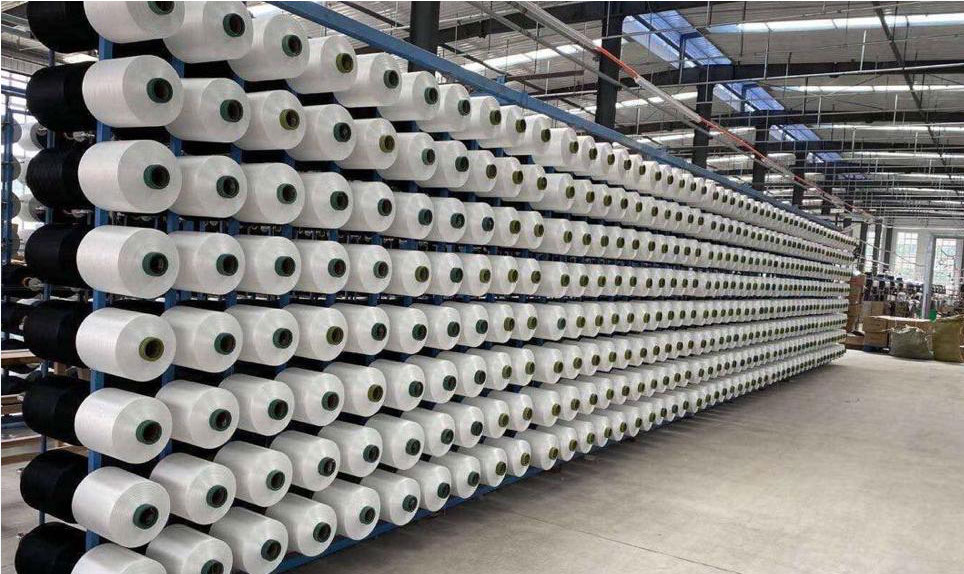
The reliability of a supplier often depends on the strength of its manufacturing processes and quality control systems.
A supplier may offer excellent samples, but without strong production controls, maintaining consistency becomes difficult.
Before selecting a supplier, try to understand how they manage quality throughout the manufacturing process.
Important questions include:
- How are products inspected?
- What quality standards are followed?
- How frequently are tests conducted?
- How is batch consistency maintained?
- What procedures exist for handling quality concerns?
Strong quality control systems help ensure that every roll delivered performs according to expected specifications.
Several quality parameters deserve particular attention.
- Adhesive Coating Uniformity
Consistent coating helps ensure predictable bonding performance.
- Dimensional Stability
Products should maintain their dimensions throughout manufacturing and use.
- Shade Consistency
Uniform coloration is particularly important when working with lighter fabrics.
- Surface Quality
Smooth and consistent surfaces contribute to better garment appearance.
- Performance Testing
Regular testing helps identify issues before products reach customers.
An experienced interlining fabric manufacturer india businesses trust will typically invest heavily in quality assurance because consistency is essential for long-term customer relationships.
At Double Ghoda, quality remains a central focus of our operations. We understand that garment manufacturers depend on consistent materials to maintain production efficiency and product quality. This is why we prioritize reliable manufacturing processes and rigorous quality checks across our product range.
A supplier’s quality systems often reveal more about their reliability than any marketing brochure ever could.
Check Delivery Reliability and Supply Consistency from Fusible Interlining Suppliers
Even the highest-quality interlining creates problems if it does not arrive when needed.
Garment manufacturing schedules are often tightly planned. Delays in raw material availability can disrupt production timelines, increase costs, and create unnecessary pressure throughout the supply chain.
For this reason, delivery reliability should be evaluated alongside product quality.
When assessing suppliers, consider the following:
- Inventory Availability
Can they maintain adequate stock levels for your regular requirements?
- Scalability
Can they support increased demand during peak production periods?
- Lead Times
How quickly can orders be fulfilled?
- Geographic Reach
Can they efficiently serve your manufacturing locations?
- Emergency Support
Can they respond effectively to urgent requirements?
Reliable supply becomes even more important as production volumes grow.
Many interlining fabric manufacturer india discover that sourcing challenges become more significant when moving from small production runs to large-scale operations. A supplier that performs well at lower volumes may struggle to support expanding requirements. Businesses evaluating fusible interlining wholesale india sourcing options should pay close attention to supply chain capabilities and inventory management systems.
Dependable suppliers understand that timely delivery is just as important as product quality. They invest in inventory planning, logistics coordination, and customer communication to ensure smooth operations. At Double Ghoda, we work continuously to support our customers with dependable supply and responsive service, helping them maintain production schedules without compromising on quality.
A reliable supply chain can often become a competitive advantage in today’s fast-moving apparel industry.
Look for Industry Knowledge and Technical Support
Not every supplier brings the same level of expertise to the table.
Some simply sell products. Others act as knowledgeable partners who help customers solve problems, improve efficiency, and achieve better garment performance.
Technical expertise becomes particularly valuable when:
- Launching new product lines
- Working with unfamiliar fabrics
- Addressing quality concerns
- Improving garment construction
- Optimizing production processes
Experienced suppliers understand how different interlinings interact with various fabrics and garment types. They can often recommend adjustments that improve both quality and efficiency.
A supplier’s technical knowledge can be evaluated through the questions they ask and the recommendations they provide.
- Do they understand garment construction?
- Can they explain performance characteristics clearly?
- Do they offer practical solutions when challenges arise?
These indicators often reveal whether a supplier is simply selling a product or genuinely supporting your business. This expertise becomes especially important in specialized garment categories. For example, products developed for an interlining for suit manufacturer must provide excellent shape retention, structural support, and long-term durability while maintaining wearer comfort.
Meeting these requirements requires a deep understanding of both garment construction and interlining performance. At Double Ghoda, we view technical guidance as an important part of customer support. By helping manufacturers understand available options, we aim to make product selection easier and more effective.
Knowledge and experience often create value that extends far beyond the product itself.
Choose a Partner That Supports Your Business Growth
Perhaps the most overlooked factor when selecting a supplier is their ability to support your future growth.
Many sourcing decisions focus only on immediate requirements. However, the most successful businesses choose suppliers capable of growing alongside them.
A strong supplier relationship offers benefits that extend beyond individual transactions.
Over time, a trusted supplier gains a deeper understanding of your:
- Product categories
- Quality expectations
- Production methods
- Seasonal requirements
- Business objectives
This familiarity enables better recommendations, faster service, and improved consistency.
Long-term partnerships often result in:
- Better Communication
Both parties develop a clearer understanding of expectations.
- Greater Efficiency
Ordering and planning become more streamlined.
- Improved Product Consistency
Standardized sourcing helps maintain quality.
- Stronger Problem Solving
Challenges can be addressed more quickly and effectively.
- Enhanced Flexibility
Established relationships often make it easier to handle unexpected requirements.
Rather than constantly changing suppliers based solely on price, many successful manufacturers focus on building stable relationships that create long-term value.
At Double Ghoda, we believe that lasting partnerships are built on trust, consistency, transparency, and customer support. Our objective is not simply to supply products but to contribute to the success of the businesses we serve.
As your manufacturing needs evolve, having a dependable partner can make a significant difference in maintaining quality, efficiency, and customer satisfaction.
Conclusion
Choosing the right supplier is about much more than comparing prices.
The ideal partner should offer consistent quality, strong manufacturing capabilities, dependable delivery, technical expertise, and the ability to support your long-term growth.
By carefully evaluating these factors, you can reduce production risks, improve garment quality, and build a more reliable supply chain.
At Double Ghoda, we understand the critical role interlining plays in garment manufacturing. Through our commitment to quality, consistency, and customer support, we strive to help manufacturers achieve superior production outcomes and create garments that stand the test of time. If you’re looking for a trusted partner for your garment manufacturing needs, taking the time to choose the right supplier today can deliver benefits for years to come.
Link of related Articles
- Lightweight Interlining vs. Heavyweight Interlining
- A Beginner’s Guide to Interlining
- Choosing the Right Interlining