
No, woven fusible interlining is not automatically suitable for every fabric. It works best on fabrics that need structure and shape retention, such as suiting-weight wool blends, brocades and heavier polyester constructions. It’s a poor match for very light, sheer or high-stretch fabrics, where the wrong grade can stiffen the drape or interfere with how the fabric is meant to move.
The right answer for your production line depends on a few practical factors: how heavy your outer fabric is, how much drape or flex the garment needs, what structure the finished piece is meant to hold, and how the interlining will be applied and cared for afterward. Get these right and the fabric-to-interlining match takes care of itself. Get them wrong, and you end up with a garment that either sags where it should hold shape, or feels boardy where it should move naturally.
This article walks through how to think about fabric compatibility specifically, not garment type, but the fabric itself, so you can make a faster, more confident call before a bulk order goes in.
Table of Contents
- Which Fabrics Are Suitable for Woven Interlining?
- When Should You Avoid Woven Interlining?
- How to Choose the Right Woven Interlining for Your Fabric
- What to Check Before Applying Woven Interlining
- Choosing Woven Interlining for Your Garments With Double Ghoda
Which Fabrics Are Suitable for Woven Interlining?
Woven interlining performs well on fabrics that are already reasonably substantial and where the finished garment is meant to hold a defined shape. In practice, that covers a fairly wide range:
- Suiting-weight wool and wool-blend fabrics. These fabrics are built for structure to begin with, and this type of interlining reinforces that without fighting the fabric’s natural hand.
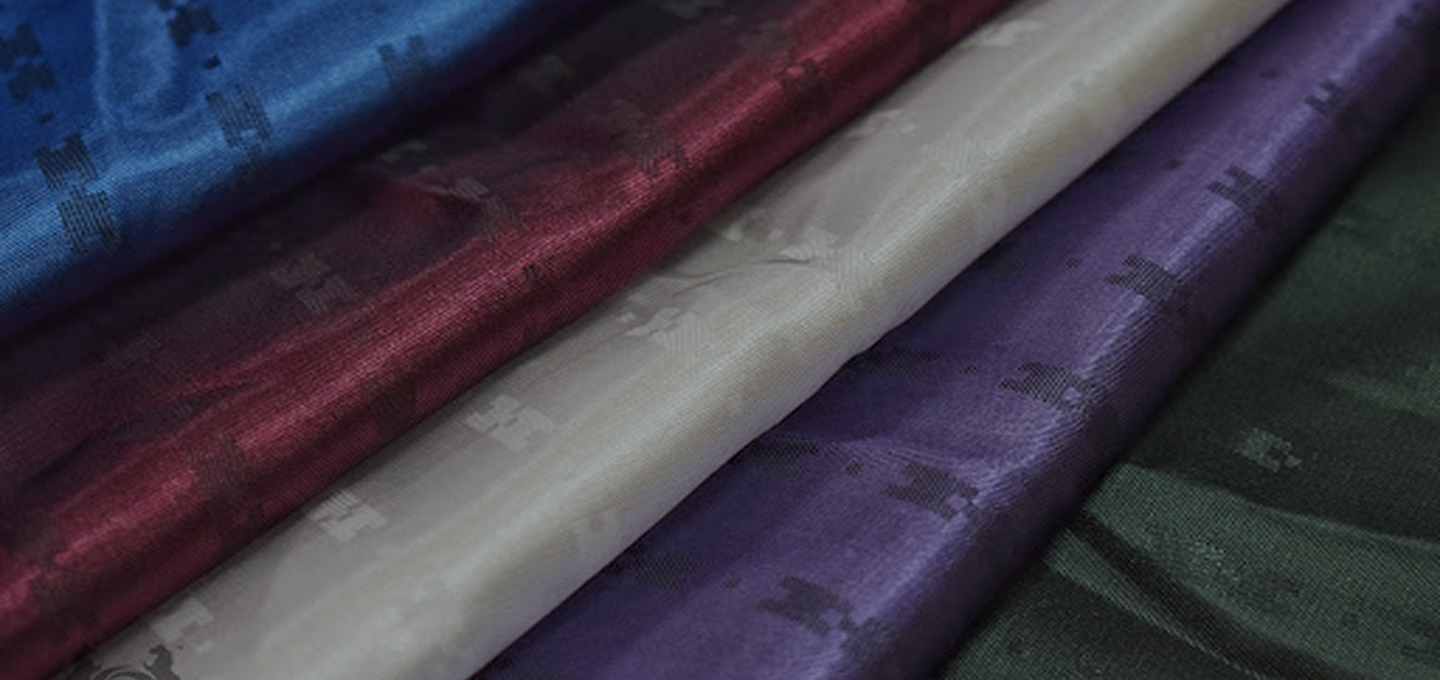
- Brocade and heavier silk-blend fabrics, commonly used for sherwanis and occasion wear. These fabrics need strong front-body support, which is exactly what a heavier woven grade is designed for.
- Mid-weight polyester and poly-blend fabrics, used in uniforms and mid-grade formal wear. A moderate GSM grade adds enough body without overwhelming the fabric.
- Cotton and cotton-blend suiting fabrics, where the garment needs to hold a crisp line through wear without feeling stiff to the touch.
The common thread across all of these: the fabric already has enough weight and body that a fusible interlining is reinforcing an existing structure, not trying to create one from nothing. That’s the difference between interlining that supports a garment and interlining that fights it.
When Should You Avoid Woven Interlining?
Just as important as knowing when this construction works is knowing when it doesn’t. A few fabric categories are worth flagging before you commit a bulk quantity:
- Sheer and very lightweight fabrics, chiffon, georgette and similarly fine constructions. Even the lightest woven grade can add more stiffness than these fabrics are meant to carry, changing how the garment drapes and moves.
- High-stretch and spandex-blended fabrics. Fusible bonding is designed for a stable, non-stretch base. Applying it to a fabric that’s meant to stretch can restrict movement and cause the bond to crack or lift over time, this is a general industry consideration, not specific to any one supplier’s product.
- Delicate lace, net or open-weave fabrics. These constructions typically aren’t dense enough for a standard fusible bond to hold evenly, and fusing can distort the open pattern.
- Fabrics where the finish must stay completely soft. If the brief calls for a soft, unstructured drape, certain ladies’ ethnic wear, for example, adding structure through interlining works against the design intent rather than supporting it.
None of this means the woven construction is a poor product, it means it’s built for a specific job. Using it outside that job is where problems start, and it’s a more common mistake than most sourcing teams expect, especially when a factory defaults to “heavier is safer” without checking the fabric first.
How to Choose the Right Woven Interlining for Your Fabric
Once you’ve confirmed the woven construction is the right category, the next decision is which grade fits your specific fabric. A few practical questions help narrow it down:
How heavy is your outer fabric? As a general rule, the interlining should complement the fabric’s own weight rather than dominate it. A very light fabric paired with a heavy interlining grade will feel unbalanced; a heavy fabric paired with too light a grade won’t get the support it needs.
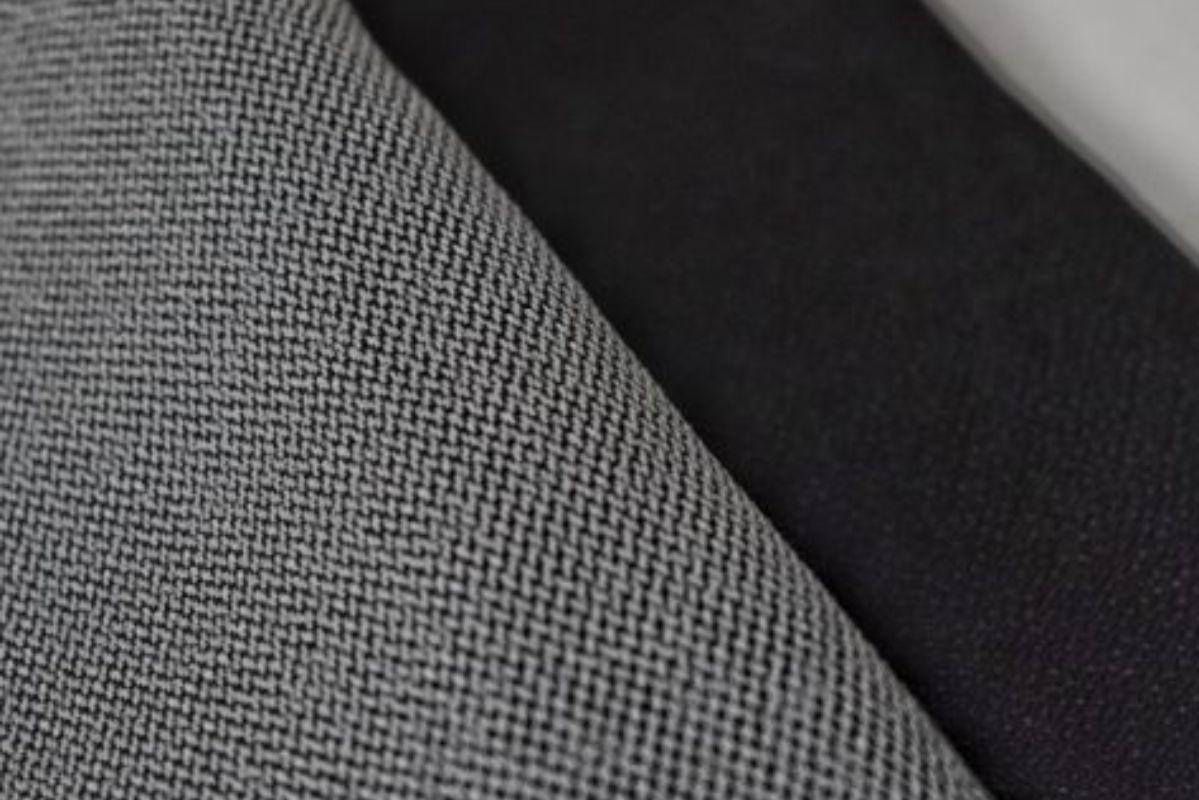
What structure does the finished garment need? A full-front suit or sherwani panel needs more body than a soft, semi-structured jacket front. The GSM range for this construction generally runs from ultralight grades meant for fine fabrics, through mid-weight grades for standard formal wear, up to heavy grades built for full-front structured construction, matching the right point on that range to your fabric is the core decision.
How will the garment be cared for? Fabrics that go through repeated dry cleaning need an interlining-and-adhesive combination built to hold up under that cycle, not just look right on day one.
Does the fabric have any special handling needs? Textured, embroidered or pre-treated fabrics sometimes behave differently under heat and pressure than a plain weave. If you’re working with an unfamiliar fabric, that’s a good reason to test before committing a full production run.
If you’re unsure where your fabric sits, the safest approach is to start with a mid-weight sample, test the fuse, and adjust up or down from there rather than guessing at the heaviest or lightest option available.
What to Check Before Applying Woven Interlining
A good fabric match can still go wrong at the application stage. Before you run a bulk batch through the press, confirm the following:
- Coating orientation. The coated, slightly rougher side must face the wrong side of the fashion fabric, a reversed panel won’t bond correctly.
- Temperature and pressure settings. Woven interlining fuses within a specific temperature and pressure range. Running fabric through settings calibrated for a different material type can under-bond or scorch the panel.
- Fusing time. Too short a press cycle leaves an incomplete bond; too long can affect the fashion fabric’s finish, especially on delicate or treated cloths.
- A cooling and inspection step. Bonded panels need to cool fully before handling. Check for bubbling or edge lifting at this stage, it’s far cheaper to catch here than after the garment is fully constructed.
- A test panel on your actual fabric. Specification sheets give you a starting point, but every fabric behaves slightly differently under heat. A short test run on your specific fabric batch is the only way to confirm the combination works before a full order goes through the press.
Skipping any one of these checks is a common reason a fabric-and-interlining pairing that looks right on paper doesn’t perform right on the factory floor.
Choosing Woven Interlining for Your Garments With Double Ghoda
Once you know your fabric and the structure your garment needs, the next step is matching it to an actual product. This is where the general guidance above turns into a sourcing decision.
We supply woven fusible interlining across a 30–150 GSM range, in eleven grades, so factories working across different fabric weights and garment types can source from a single supplier rather than juggling multiple vendors. The lighter end of that range suits finer fabrics and lighter formal wear; the heavier end, including our 140 GSM 111 quality, the trade-recognised grade for sherwani construction, is built for fabrics that need maximum structure and shape retention.
Every grade uses PA double-dot coating, and technical specifications, coating type, fusing temperature and pressure, roll length, width and colour options, are listed against each product so you can check compatibility with your fabric and press settings before ordering. Everything in that range is OEKO-TEX® Standard 100 certified, and orders run on a minimum quantity of 1,000 metres, supplied in 50-metre rolls.
Rather than defaulting to the heaviest or lightest grade available, we’d encourage you to work from your actual fabric and garment requirement, the sections above should give you a starting point, and then review the specific GSM and specification details for your application. If you’re not certain which grade suits your fabric, sharing details of your production run is the fastest way to get a clear recommendation.
Frequently Asked Questions
Can this type of interlining be used on lightweight fabrics?
Only with a suitably light grade. The ultralight version is made for fine fabrics like chiffon and georgette, but very sheer or stretch fabrics may not suit fusible interlining at all.
Does this construction suit all garments?
No. It’s built for garments that need structure and shape retention, suits, blazers, sherwanis and similar formal wear. Garments designed for a soft, unstructured drape usually aren’t a good fit.
How do I choose interlining for a particular fabric?
Start with your fabric’s weight and the structure your garment needs, then match that to an appropriate GSM grade. When in doubt, test a sample before committing to a bulk order.
Does fabric weight affect interlining selection?
Yes, it’s one of the most important factors. Interlining that’s too heavy for a light fabric changes the drape; interlining that’s too light for a heavy fabric won’t provide enough support.
What should I check before applying fusible interlining?
Coating orientation, fusing temperature, time and pressure, and a cooling and inspection step. Testing on your actual fabric before a full production run is the most reliable check of all.
Link of related Articles
- Lightweight Interlining vs. Heavyweight Interlining
- A Beginner’s Guide to Interlining
- Choosing the Right Interlining