
If you’re sourcing interlining for shirt or kurta plackets, the placket is one of the most stressed parts of a garment — it takes repeated buttoning, stretching and washing, and it needs to stay flat and stable through all of it. Getting this component right matters more than its small size suggests, and the interlining you choose plays a direct role in whether it does.
This guide walks through what this type of interlining is, how it supports placket construction, how GSM and fabric weight factor into your decision, and what to check before you place a bulk order.
What Is Non-Woven Interlining and Why Is It Used for Plackets?
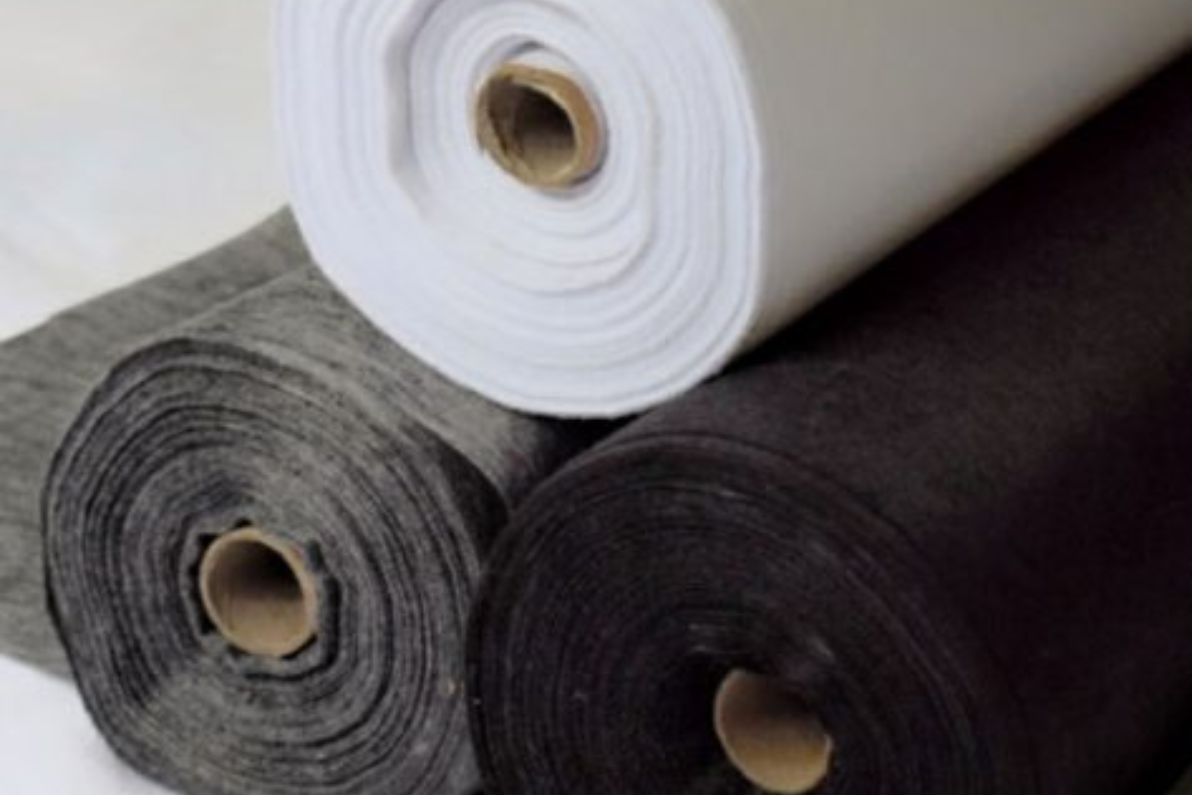
Non-woven interlining is a fusible fabric made by bonding polyester fibres together — rather than weaving them into yarns — and coating one side with a thermoplastic adhesive. When pressed with heat, that adhesive bonds the interlining to the wrong side of the garment fabric, adding stability without adding a visible layer.
Plackets — the folded, buttoned strip running down a shirt or kurta front — go through repeated stress: buttoning and unbuttoning, stretching across the chest, and regular washing. Without support underneath, this area can distort, pucker around buttonholes, or lose its flat shape over time. That’s the reason garment factories reinforce plackets with a fusible interlining layer rather than leaving the fabric unsupported.
Because plackets are a smaller, narrower garment part rather than a full structural panel, they’re typically suited to a lighter interlining category — which is where non woven fusible interlining fits, as distinct from the heavier woven grades used on full suit or jacket bodies.
How Does Non-Woven Interlining Support Placket Construction?
Interlining supports a placket by giving the fabric a stable base to hold its shape against — reinforcing the area around buttonholes and keeping the strip flat rather than letting it curl, stretch or wrinkle with wear.
In practical terms, this comes down to a few things happening at the construction stage:
- Reinforcing the buttonhole area, where repeated stitching and button stress would otherwise weaken the fabric over time.
- Preventing fabric distortion, so the placket doesn’t stretch out of shape from regular buttoning and unbuttoning.
- Keeping the strip flat, which affects how clean the finished placket looks on the garment.
These are general functions of a fusible interlining layer at this garment part, and the degree of support any specific interlining provides depends on its own construction and weight — which is why GSM and fabric compatibility matter as much as the decision to use interlining at all. It’s worth treating placket reinforcement as one input into overall garment construction rather than a standalone fix, since the outer fabric, stitching and finishing all play a role too.
How Do GSM and Fabric Weight Affect Placket Interlining Selection?
GSM — the interlining’s weight per square metre — affects how much body and stiffness it adds to a placket, and matching it to your garment fabric matters more than simply picking the heaviest option available.
A heavier GSM isn’t automatically the better choice. Too much weight in a placket can make it feel stiff or bulky against a lighter shirting or kurta fabric, while too light an interlining may not give the buttonhole area enough reinforcement. The right selection depends on:
- The weight of your garment fabric — a lightweight shirting fabric generally needs a lighter interlining than a heavier kurta fabric.
- The level of support the placket needs — some garments call for a crisper, firmer placket; others need only light stabilisation.
- How the finished garment should feel — a soft, easy-wear shirt and a structured formal shirt don’t need identical placket support.
On specific GSM references for plackets, non woven interlining fabric intended for this application is generally found toward the lighter end of the available range, rather than the heavier grades used for structural garment bodies. Beyond that, the right number for your specific run should be confirmed against your own fabric through sample testing rather than assumed from a general rule.
How to Choose Non-Woven Interlining for Different Placket Types?
Choosing the right interlining for a placket comes down to matching four things: your garment fabric, the support level you need, the interlining’s weight, and how well the two will bond together in production.
A few factors to work through when comparing options:
- Garment fabric type — cotton shirting, blended fabrics and kurta fabrics all behave differently under heat and pressure, and the interlining you pick needs to suit that base fabric.
- Required support level — a soft, casual shirt placket typically needs less reinforcement than a structured formal shirt or a heavier kurta.
- Interlining weight — lighter grades suit fine or lightweight fabrics; slightly heavier grades suit medium-weight shirting where more body is wanted.
- Application and compatibility — confirming that the interlining’s coated side bonds cleanly with your specific fabric, without show-through or an uneven surface once fused.
There isn’t a single non-woven interlining that works best across every placket — the right one depends on the specific fabric and construction you’re working with. Where you’re producing multiple garment lines with different fabric weights, it’s common to use more than one interlining grade rather than standardising on just one across the board.
What Should You Check Before Ordering Non-Woven Interlining for Plackets?
Before placing a bulk order, run through a practical checklist to confirm the interlining actually suits your placket construction — this avoids costly mismatches once production is underway.
- GSM — does the weight suit your garment fabric and the support level you need?
- Fabric suitability — has the interlining been checked against your specific shirting or kurta fabric?
- Coating and construction — is it a fusible, adhesive-coated interlining suited to your fusing equipment?
- Intended garment application — is it appropriate for placket use specifically, rather than a heavier structural application?
- Sample evaluation — has a sample been tested on your actual fabric and press before committing to volume?
- Quantity required — does your order size align with what you’re sourcing?
- Consistency across the order — will the interlining perform the same way across the full bulk quantity, not just the sample?
Testing a sample before a bulk commitment is worth the extra step here. Fusing a small cut of your actual garment fabric with the interlining you’re considering lets you check for bond quality, hand-feel and any show-through before you commit to volume — a cheaper check than discovering an issue after a full production run.
How to Source Non-Woven Interlining for Plackets From Double Ghoda?
We stock non woven fusible interlining as part of our wholesale interlining range, supplying garment factories, shirt manufacturers and formal wear producers as a B2B stockist — we’re a wholesale supplier, not a manufacturer of the fabric itself.
Our non-woven interlining is a bonded polyester fibre base coated with a PES thermoplastic adhesive, available across a GSM range that runs from lighter grades up to around 80 GSM, in white and black. Plackets specifically fall on the lighter end of this range, alongside collars, cuffs and other smaller garment parts, while our woven range is what we point buyers toward for full suit, blazer or sherwani body construction.
If you’re sourcing for placket reinforcement, it’s worth telling us your garment fabric, the GSM range you’re considering and your required quantity — we can point you to the grade in our stock that fits, and a sample is a reasonable step before finalising a bulk quantity.
Frequently Asked Questions
What is non-woven interlining used for in plackets?
It reinforces the buttonhole area, helps the placket resist stretching from repeated use, and keeps the strip flat and stable through wear and washing.
How do I choose the right GSM for placket interlining?
Match the GSM to your garment fabric’s weight and the support level you want — lighter fabrics generally pair with lighter interlining, and the right number should be confirmed with a sample on your own fabric.
Can non-woven fusible interlining be used with different garment fabrics?
Yes, but compatibility should be checked per fabric. Cotton, blended and kurta fabrics respond differently under heat and pressure, so testing a sample against your specific fabric is the safest way to confirm fit.
What should I check before buying interlining in bulk?
Confirm GSM, fabric suitability, coating type, intended application, and consistency across your order quantity — and evaluate a sample before committing to volume.
How should a buyer evaluate an interlining sample?
Fuse a small cut of your actual garment fabric with the interlining sample using your own press settings, then check bond quality, hand-feel and appearance before scaling to a bulk order.
Where can garment manufacturers source non-woven interlining fabric in bulk?
We stock non-woven fusible interlining as a wholesale supplier for bulk garment production — share your garment fabric, GSM requirement and quantity, and we’ll point you to the right grade from our stock.
Link of related Articles
- Lightweight Interlining vs. Heavyweight Interlining
- A Beginner’s Guide to Interlining
- Choosing the Right Interlining