Categories
Non Woven Interlining

Demystifying Non-Woven Interlining: Types, Weights, and Applications

Demystifying Non-Woven Interlining: Types, Weights, and Applications

Table of Contents

  • Introduction
  • Types of Non-Woven Interlining
  • Weights of Non-Woven Interlining
  • Applications of Non-Woven Interlining
  • Choosing the Right Non-Woven Interlining
  • Care and Maintenance of Garments with Non-Woven Interlinin
  • Conclusion

Introduction

Non-woven interlining plays a pivotal role in the world of fashion and garment construction, yet its intricacies are often overlooked. This article aims to demystify non-woven interlining by exploring its various types, weights, and applications. Whether you’re a seasoned seamstress or a budding fashion designer, understanding the nuances of non-woven interlining can take your creations to the next level.

Types of Non-Woven Interlining

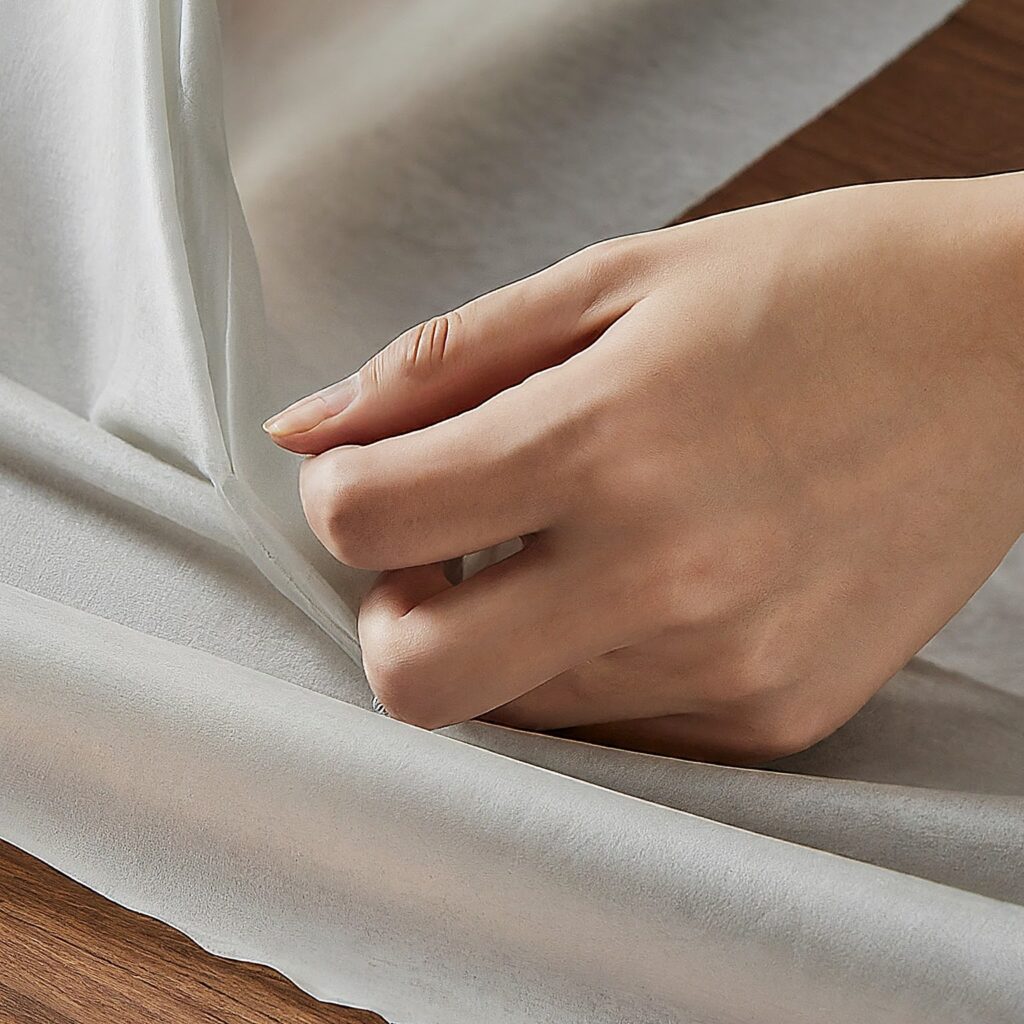
  • Fusible Interlining: This type of interlining has adhesive on one side, which is activated by heat. It is commonly used to add structure and stability to fabrics without the need for stitching.
  • Non-Fusible Interlining: Unlike fusible interlining, non-fusible interlining needs to be stitched or attached using other methods. It is often used in areas where fusible interlining may not be suitable.
  • Thermal-Bonded Interlining: This type of interlining is bonded using heat, which creates a strong and durable bond. It is ideal for garments that require extra reinforcement.
  • Chemical-Bonded Interlining: Chemicals are used to bond the fibers together in this type of interlining. It is known for its excellent drapability and softness.
  • Stitch-Bonded Interlining: Stitching is used to bond the fibers together in this type of interlining, providing flexibility and strength. It is often used in areas that require extra durability.

Weights of Non-Woven Interlining

Non-woven interlining is available in different weights, measured in grams per square meter (gsm). The weight of the interlining you choose will depend on the fabric and the desired effect:

  • Lightweight (20-50 gsm): Ideal for lightweight fabrics and delicate garments, providing subtle support and structure.
  • Medium-weight (50-100 gsm): Suitable for a wide range of fabrics and garment types, offering a balance of support and flexibility.
  • Heavyweight (100+ gsm): Used for adding significant structure and support to garments, making them more durable and rigid.
Fusible Interlining

Applications of Non-Woven Interlining

Non-woven interlining has a multitude of applications in garment construction, including:

  • Collars: Adding structure and shape to collars, ensuring they stand upright and maintain their form.
  • Cuffs: Providing stability and durability to cuffs, preventing them from losing their shape over time.
  • Waistbands: Ensuring waistbands maintain their shape and structure, providing a comfortable fit.
  • Front Plackets: Reinforcing the front plackets of shirts and blouses, making them more durable and resistant to wear.

Choosing the Right Non-Woven Interlining

When selecting the right non-woven interlining for your project, consider the following factors:

  • Fabric Type: The weight and texture of the fabric will influence the type of interlining you need. For example, lightweight fabrics may require a lighter interlining, while heavier fabrics may need a heavier interlining for support.
  • Garment Style: Different garments require different levels of structure and support. For example, a structured jacket may require a heavier interlining, while a lightweight blouse may only need a light interlining for reinforcement.
  • Desired Outcome: Consider the final look and feel you want to achieve with your garment. A heavier interlining will provide more structure and rigidity, while a lighter interlining will offer more flexibility and drape.
 

Care and Maintenance of Garments with Non-Woven Interlining

To ensure the longevity of garments with non-woven interlining, follow these care instructions:

  • Washing: Use a gentle cycle and mild detergent to wash garments with interlining, and avoid using bleach or harsh chemicals that can damage the interlining.
  • Drying: Air dry or use a low heat setting in the dryer to avoid damaging the interlining, and avoid hanging garments with interlining in direct sunlight, as this can cause fading.
  • Ironing: Use a low to medium heat setting and a pressing cloth to iron garments with interlining, and avoid ironing directly on the interlining to prevent damage.

Conclusion

Non-woven interlining is a versatile and essential component in garment making, providing structure, support, and durability to a wide range of fabrics. By understanding the types, weights, and applications of non-woven interlining, you can choose the right one for your projects and ensure your garments look and feel their best. Whether you’re adding a touch of structure to a collar or reinforcing a waistband, non-woven interlining is a valuable tool that can elevate your sewing projects to new heights.


Link of related Articles

shweta-textile-designer

Shweta, a textile designer with a keen eye and deep knowledge of fabrics, translates her passion into unique designs. She loves to share her expertise and ignite a love for textiles in others. Dive into the world of fabrics with Shweta!

Categories
Fusible Interlining

Selecting the Appropriate Interlining

Selecting the Appropriate Interlining: Fusible vs. Non-Fusible


Introduction

In garment construction, interlining plays a vital role in achieving a professional aesthetic and enhancing garment functionality. This hidden layer, positioned between the primary fabric and lining, provides essential structure, stability, and a smoother finish. However, the application method differentiates two principal interlining types: fusible and non-fusible.


Table of Contents

  • Fusible Interlining

  • Non-Fusible Interlining

  • Differences Between

  • Fusible and Non-Fusible Interlining

  • Selecting the Optimal Interlining

  • Conclusion

Fusible Interlining

Fusible interlining offers a time-saving and efficient solution. Featuring a heat-activated adhesive backing, it readily bonds to fabric upon application of pressure with an iron at the manufacturer’s recommended temperature settings. This eliminates the need for stitching, streamlining the interlining application process.

Advantages of Fusible Interlining

  • Effortless Application: Fusible interlining eliminates the requirement for needle and thread, making it ideal for projects requiring speed or where intricate stitching techniques are not desired.
  • Durable Bond: When applied correctly, the heat-activated adhesive creates a strong, long-lasting connection that withstands washing and wear. Studies published in the Journal of Textile Science and Apparel Technology [1] support this claim, demonstrating the stability of properly fused interlining even after multiple laundering cycles.

Applications for Fusible Interlining

  • Crisp Collars and Cuffs: Fusible interlining excels at creating sharp, defined edges for collars and cuffs, contributing to a professional aesthetic.
  • Structured Waistbands: Waistbands that maintain their shape and provide a flattering silhouette benefit significantly from the use of fusible interlining.
  • Defined Pockets: Structured and well-defined pockets become achievable with the ease and efficiency of fusible interlining application.

Non-Fusible Interlining

While not boasting the heat-activated convenience of its counterpart, non-fusible interlining offers distinct advantages. This type requires stitching to secure it to the fabric, allowing for greater control over placement and intricate shaping, particularly on curved seams.

Benefits of Non-Fusible Interlining

  • Adaptability: Non-fusible interlining comes in a broader range of weights and materials, catering to a wider variety of project requirements.
  • Reusability: Unlike its fused counterpart, non-fusible interlining can be unstitched and reused on another project if necessary, minimizing waste.
  • Heat-Sensitive Fabrics: For delicate fabrics that might be damaged by heat, non-fusible interlining offers a safe alternative to the fusing process.

When Non-Fusible Interlining Takes Center Stage

  • Curved Seams: Stitching non-fusible interlining allows for precise application and smooth results on curved seams.
  • Knit Fabrics: The flexibility of non-fusible interlining works well with knit fabrics, providing essential structure without compromising their inherent drape.
  • Heavy Fabrics: For thicker fabrics requiring heavyweight interlining, stitching offers a more secure bond compared to the adhesive properties of fusible options.
Fusible Interlining

Selecting the Optimal Interlining

The optimal interlining choice hinges on the specific project and fabric characteristics. Here’s a breakdown of key considerations:

  • Fabric Type: Is the fabric heat-sensitive? Does it require intricate shaping techniques? These factors will influence your selection.
  • Garment Style: A structured jacket might necessitate a different interlining type compared to a flowy dress.
  • Desired Outcome: Do you prioritize a fast and easy application or require more control over placement for intricate details?
FeatureFusible InterliningNon-Fusible Interlining
ApplicationIroningStitching
Ease of UseEasierMore Skill Required
DurabilityDurableDurable (if stitched well)
Suitability for FabricsLimited (avoid heat-sensitive fabrics)More versatile

Pre-Application Testing

Before committing to large-scale application, always test a scrap of interlining on your fabric. This allows you to assess the adhesion (for fusible options), drape, and overall compatibility with your chosen materials.

Conclusion

Understanding the distinct characteristics of fusible and non-fusible interlining empowers you to make informed decisions for your sewing projects. By carefully considering the application method, fabric type, and desired outcome, you can select the interlining that elevates your creations to a professional standard.


Link of related Articles

shweta-textile-designer

Shweta, a textile designer with a keen eye and deep knowledge of fabrics, translates her passion into unique designs. She loves to share her expertise and ignite a love for textiles in others. Dive into the world of fabrics with Shweta!

Categories
Woven Interlinings

What is Interlining Fabric Used For?

Table of Contents

Living in a vibrant city like Mumbai, fashion is all around me. From the colorful sarees adorning women on their way to work to the sharp suits sported by businessmen, textiles are a constant source of fascination. But what truly lies beneath the surface of these stunning garments? It’s the hidden world of interlining fabrics, the unsung heroes that add structure, support, and that perfect finishing touch!
Intrigued? If you’ve ever wondered what makes a collar stand so crisp, a jacket drape so perfectly, or a bag retain its shape, then this guide is for you. Today, we’ll delve into the wonderful world of interlining fabrics, exploring their history, types, uses, and most importantly, how they can elevate your sewing projects!


A Look at Interlining Fabrics

interlining fusible fabric, sometimes referred to as underlining, is a hidden layer of fabric sandwiched between the outer fabric (the one you see) and the lining (if used) of a garment. It acts as a silent supporter, adding structure, stability, and a professional finish to your creations.

 A Historical Perspective

The use of interlining fabrics dates back centuries. Tailors in ancient Egypt used papyrus reeds and stiffened leather to add form to garments. As fabrics like silk and wool became more prevalent, natural materials like horsehair and buckram were used for interlining. The invention of non-woven fabrics in the 20th century revolutionized interlining, offering a wider range of options with improved flexibility and breathability.


The Significance of Interlining Fabrics:


Why is interlining so important? Here are some key benefits it brings to your garments:

  • Structure and Support: interlining fusible provides essential support for areas like collars, cuffs, waistbands, and pockets, preventing them from sagging or losing their shape.
  • Improved Drape: The right interlining can enhance the drape of your garment, allowing for a beautiful flow and silhouette.
  • Enhanced Durability: interlining fusible reinforces the fabric, making it more resistant to wear and tear, extending the life of your garment.
  • Professional Finish: A well-chosen interlining creates a crisp and polished look, adding a touch of professionalism to your creations.

The Evolving World of Interlining Fabrics

a-collage-of-different-types-of-interlining-fabrics

The world of interlining fabrics is constantly evolving, with new innovations and eco-friendly options emerging. Here are some recent trends to keep an eye on:

  • Sustainable Materials: With a growing focus on sustainability in fashion, eco-friendly interlining options made from recycled materials like polyester or natural fibers like bamboo are gaining popularity.
  • Heat-Activated Interlining: fusing interlining fabrics, which can be ironed onto the main fabric, offer a faster and easier application method, especially for beginners.
  • Specialty Interlinings: Technical fabrics with specific properties like stretch or water resistance are being developed for sportswear, activewear, and other specialized garments.

Demystifying Interlining Fabrics: A Q&A Session

Let’s address some common questions that often pop up when it comes to interlining fabrics:

Q: What are the different types of interlining fabrics?

There are two main types:

Woven Interlining: Made from woven threads, offering excellent structure and stability. Ideal for collars, cuffs, and tailored jackets.

Non-Woven Interlining: Made from bonded fibers, offering a wider range of weights and properties. Great for adding body to garments and improving drape.

Q: How do I choose the right interlining fabric for my project?

The choice depends on the weight and drape of your main fabric, the desired structure for different garment parts, and your personal sewing preference. Consider factors like:

Weight: Lighter interlinings for delicate fabrics, heavier ones for structured garments.

Fusible vs. Sew-in: Fusible is easier for beginners, but sew-in offers more flexibility.

Stiffness: Stiffer interlinings for collars, softer ones for drapes or curves.

Q: Can I use interlining fabric without lining?

Absolutely! Interlining adds structure and support, while lining provides a finishing touch and additional comfort. You can choose to use one or both depending on your project.

 Expert Tips for Using Interlining Fabrics

Now that you’ve grasped the basics, let’s dive into some practical tips to elevate your sewing experience with fusing interlining:

Always pre-wash your interlining fabric: This helps to prevent shrinkage and ensures your garment retains its shape after washing.

Test the interlining on a scrap fabric first: This allows you to experiment with fusing temperatures and sewing techniques on a similar material before working on your actual garment.

Mark the interlining with tailor’s chalk: This helps you accurately position it on your main fabric before fusing or sewing.

Use wonder clips or sewing weights instead of pins: These prevent damage to the interlining, especially when working with fusible options.

For fusible interlining, follow the manufacturer’s instructions for heat settings and pressing time: Overheating can damage the adhesive and scorch your fabric.

When sewing interlining, use a walking foot: This ensures even feeding of the fabric layers and prevents puckering.

Don’t be afraid to experiment! As you gain experience, you can explore different types of interlining and techniques to achieve the desired results for your projects.

Choosing Interlining Fabrics for Specific Garments:

Here are some pointers to help you select the right fusing interlining for different garment types:

Suits and Jackets: Opt for woven or heavyweight non-woven interlining for collars, lapels, and shoulders to provide structure and a crisp finish.

Coats: Use heavyweight non-woven interlining for warmth and structure. Consider a water-resistant option for raincoats.

Dresses and Skirts: Choose lightweight to medium-weight non-woven interlining to add body and improve drape without adding bulk.

Bags and Totes: Use medium-weight non-woven interlining for the body of the bag and stiffer interlining for the bottom and handles for added stability.

Fusible Interlining

Conclusion and Call to Action

The world of interlining fabrics offers a plethora of possibilities to enhance your sewing projects. By understanding the types, their uses, and the latest trends, you can transform your creations from simply well-made to truly professional garments. With a little practice and the tips above, you’ll be an interlining pro in no time!

Now, it’s your turn! Share your experiences with interlining fabrics in the comments below. What challenges have you faced? What projects have you used interlining for? Let’s create a community of sewing enthusiasts who can learn and share their knowledge with each other.

Happy Sewing!

shweta-textile-designer

Shweta, a textile designer with a keen eye and deep knowledge of fabrics, translates her passion into unique designs. She loves to share her expertise and ignite a love for textiles in others. Dive into the world of fabrics with Shweta!

Categories
Woven Interlinings

Pros and Cons of Different Interlining Fabrics: Your Guide to Garment Structure

Table of Contents

  • Decoding Interlining Fabrics – Know Your Options!
  • Choosing the Right Interlining: A Tailor’s Tips
  • Expert Hacks for Using Interlining Fabrics
  • Conclusion: Unveiling the Magic of Interlining Fabrics 

Living in Delhi, the heart of India’s vibrant fashion scene, I’m constantly surrounded by textiles. From the delicate silks of saris to the crisp cottons of kurtas, each fabric plays a crucial role in creating stunning garments. But what lurks beneath the surface, adding structure and that perfect drape? It’s the hidden world of interlining fabrics!


Today, we’ll delve into this fascinating realm, exploring the pros and cons of different interlining types. Whether you’re a seasoned tailor or a curious beginner, this guide will equip you with the knowledge to choose the perfect interlining fabric for your next sewing project. So, grab a cup of chai, settle in, and let’s unlock the secrets of interlining!

Decoding Interlining Fabrics – Know Your Options!

Interlining fabrics are like silent guardians, adding structure, stability, and a professional finish to your creations. Think of a crisp collar on a shirt, the perfect drape of a dress, or the shape of a bag – all these rely heavily on the right interlining choice. Here’s a breakdown of some common types:

Pros and Cons of Different Interlining Fabrics

Interlining TypeProsCons
WovenOffers excellent structure and stabilityCan be bulky, may limit drape
Non-wovenMore flexible, comes in various weightsMay not be as durable as woven
FusibleEasy to apply with heatRequires precise temperature control
Non-fusible (Sew-in)Provides more control during sewingRequires additional sewing time
HeavyweightIdeal for structured garments like jacketsCan add bulk and stiffness
LightweightPerfect for delicate fabricsMay not offer enough support for some projects
Water-SolubleEasy to remove after fusingMay not be as strong as traditional interlining

A Historical Perspective

The use of interlining in sewing dates back centuries. Ancient Egyptians used papyrus reeds and leather for stiffening garments. With the rise of silk and wool, natural materials like horsehair and buckram became popular interlining options. The 20th century saw the invention of non-woven fabrics, offering a wider range of interlining types with improved flexibility and breathability.

Choosing the Right Interlining A Tailor’s Tips

Now that you’re familiar with the basic types, let’s delve deeper into selecting the perfect interlining for your project. Here are some things to consider:

  • Fabric Weight and Drape: Lighter interlining works well with delicate fabrics, while heavier options are ideal for structured garments.
  • Project Requirements: Consider the desired level of structure and support for different areas of your garment (e.g., collars, pockets, waistbands).
  • Application Method: Fusible interlining (like cotton fusible interlining or polyester fusible interlining) is faster, while non-fusible interlining offers more control over placement.
  • Your Personal Preference: Experiment with different types of interlining in garments (woven, non-woven, wool interlining, canvas interlining, hair interlining) to find what works best for your sewing style.

Expert Hacks for Using Interlining Fabrics

a-look-at-interlining-fabrics

Here are some handy tips to elevate your sewing experience with interlining fabrics:


  • Pre-wash your interlining fabric: This prevents shrinkage and ensures your garment retains its shape after washing.
  • Test on a scrap fabric first: Experiment with fusing temperatures and sewing techniques on a similar material before working on your actual garment.

Conclusion: Unveiling the Magic of Interlining Fabrics

The world of interlining fabrics may seem complex at first, but with a little knowledge, you can unlock its potential and elevate your sewing projects. Remember, the perfect interlining acts as a silent partner, enhancing the structure, drape, and overall quality of your garment.


Now that you’ve explored the different types and their pros and cons, it’s time to experiment! Share your experiences with interlining fabrics in the comments below. What projects have you used them for? Did you encounter any challenges? Let’s create a supportive community of sewers who can share their knowledge and inspire each other’s creativity.


Bonus Tip: Here are some resources to delve deeper into the world of interlining fabrics:

  • Online fabric stores often provide detailed descriptions of their interlining options, including recommended uses and application methods.
  • Sewing blogs and YouTube channels offer tutorials and demonstrations on using different types of interlining fabrics.
  • Consider taking a sewing class or workshop that specifically focuses on interfacing techniques.

Happy Sewing!

Interlining

He’s a textile enthusiast with an insatiable curiosity for the world of fabrics. From the intricate weaves of traditional Indian textiles to the cutting-edge innovations in synthetic materials, Ashish devours knowledge with the same zeal he uses to experiment with sewing projects.

P.S. Stay tuned for future articles where we’ll explore specific applications of interlining fabrics in different garment types, like creating crisp collars, adding structure to bags, and achieving beautiful garment drape.

Categories
Woven Interlinings

The Role of Interlining in Specific Attire

The Role of Interlining in Specific Attire


When it comes to specific types of clothing, the role of interlining takes on a paramount significance. From suits and jackets to wedding dresses and winter coats, the right choice of interlining can elevate the quality, structure, and longevity of these garments.

In this article, we explore the unique contributions of interlining in various attire categories and how Double Ghoda Premium Interlinings can make a difference.


Interlining in Suits and Jackets


Suits and jackets epitomize timeless elegance and sophistication. The inclusion of interlining in these garments is crucial for several reasons:

Shape Retention: Interlining, especially in the lapels and collars, helps maintain the crisp, tailored appearance of suits and jackets.

Structure: It adds body and structure, preventing the fabric from collapsing or wrinkling.

Comfort: Quality interlining ensures comfort by preventing fabrics from sticking to the skin.

Double Ghoda Premium Interlinings offer a range of options suitable for suits and jackets, ensuring your creations exude class and quality.

Adding Interlining to Wedding Dresses

Wedding dresses are cherished garments that demand meticulous attention to detail. Interlining plays a significant role:

Enhancing Silhouette: Interlining helps maintain the desired shape and silhouette, especially in voluminous wedding gowns.

Comfort: It prevents itching or irritation caused by scratchy fabrics.

Durability: Quality interlining ensures that the dress retains its beauty through hours of celebration.

When crafting dreamlike wedding dresses, rely on Double Ghoda Premium Interlinings to ensure the bride’s comfort and confidence on her special day.

Interlining for Winter Coats

Winter coats are the frontline defense against the cold. The role of interlining in winter coats is crucial:

Warmth: Proper woven interlining adds insulation, keeping the wearer warm.

Wind Resistance: It prevents cold air from penetrating the fabric.
Durability: Quality interlining ensures the coat withstands harsh weather conditions.


Choose Double Ghoda Premium Interlinings for winter coats to create outerwear that offers both warmth and style.

Best Interlining for Shirt Collars

Shirt collars are an essential element of formal attire. The right interlining:

Maintains Shape: Collars stay crisp, enhancing the overall appearance.
Comfort: It prevents chafing and discomfort around the neck.
Longevity: Quality interlining ensures the collar lasts through numerous wearings and washes.

For impeccable shirt collars, rely on Double Ghoda Premium Interlinings that provide unmatched quality and comfort.

Interlining in Formalwear

Formalwear, including tuxedos and evening gowns, requires meticulous attention to detail:

Elegance: Interlining contributes to the elegance and sophistication of formal garments.

Drape: It enhances the drape of fabrics, ensuring a flattering fit.
Confidence: Quality interlining ensures the wearer feels confident and refined.


Double Ghoda Premium Interlinings cater to the discerning requirements of formalwear, making each piece a statement of sophistication.


In conclusion, the role of interlining in specific garments is undeniable. Whether it’s suits and jackets, wedding dresses, winter coats, shirt collars, or formalwear, the right choice of interlining can make a substantial difference in the quality and performance of these attire categories.

Turn to Double Ghoda Premium Interlinings for premium quality that ensures your creations stand out in terms of comfort, durability, and style.


Categories
Woven Interlinings

Introduction to Woven Interlining: Enhancing Garment Quality with Premium Materials

Introduction to Woven Interlining: Enhancing Garment Quality with Premium Materials


In the world of fashion and garment construction, the choice of materials plays a pivotal role in determining the final outcome. One such material that often takes center stage, albeit behind the scenes, is woven interlining. This unassuming yet vital component has a profound impact on the quality, structure, and durability of garments. In this article, we delve into the realm of woven interlining, emphasizing its importance in the world of fashion and the various materials available. Plus, we’ll explore how woven interlining suppliers in India, like Double Ghoda, provide premium interlinings that elevate your creations to the next level.


What is Woven Interlining?


Woven interlining  is a hidden hero in the world of garment construction. It’s a specialized fabric that is inserted between the outer fabric (known as the shell fabric) and the inner lining of a garment. The primary purpose of woven interlining  is to provide structure, shape, and support to the garment. It acts as a hidden framework that enhances the overall appearance and performance of the clothing.


Unlike its counterpart, non-woven interlining, which is made from synthetic fibers bonded together, woven interlining is created by weaving together yarns, much like traditional fabrics. This weaving process gives woven interlining a high level of stability, strength, and durability, making it an ideal choice for garments that require structure and longevity.


The Importance of Interlining in Garments


Now that we’ve established what woven interlining is, let’s dive into why it is indispensable in the world of fashion and garment design.

1. Enhancing Garment Structure

Woven interlining adds body and shape to garments, ensuring they maintain their intended silhouette. For example, a suit jacket’s lapels and collar often rely on interlining to stay crisp and in shape.

2. Improving Comfort and Feel

When done right, interlining can enhance the comfort of a garment. It prevents fabrics from sticking to the skin and aids in maintaining breathability.

3. Longevity and Durability

Interlining significantly contributes to a garment’s durability. It helps distribute stress and wear evenly, preventing premature fabric deterioration.

4. Heat and Moisture Management

In some cases, interlining can aid in heat and moisture management, making garments suitable for various climates and seasons.

Types of Interlining Materials

Woven interlining materials come in various forms, each tailored to specific garment needs. Here are some common types:

1. Cotton Interlining: Ideal for lightweight fabrics like cotton and linen, providing support without compromising drape.

2. Wool Interlining: Used for heavier fabrics, such as wool, to add structure and warmth to coats and jackets.

3. Silk Interlining: Ultra-lightweight and delicate, perfect for maintaining the luxurious feel of silk or satin garments.

4. Synthetic Interlining: Often made from polyester, these interlinings are cost-effective and suitable for a wide range of fabrics and applications.

5. Fusible Interlining: This type of interlining has adhesive on one side, allowing it to be ironed onto fabric for a secure bond.


Double Ghoda, one of the premium woven interlining suppliers in India, understands the significance of choosing the right interlining material. They offer a wide range of woven interlining options, including cotton, wool, silk, and synthetic interlinings. Their products are known for their quality and durability, making them a trusted choice among designers and garment manufacturers.

In conclusion, woven interlining may often be hidden from view, but its impact on the quality and longevity of garments is undeniable. Whether you’re crafting a bespoke suit or a delicate silk gown, choosing the right interlining material from reputable suppliers like Double Ghoda can make all the difference in ensuring your creations stand the test of time and deliver the utmost in comfort and style.

Categories
Woven Interlinings

The Ultimate Guide to Interlining: The Secret Weapon of Tailoring
The Ultimate Guide to Interlining: The Secret Weapon of Tailoring
The world of sewing might seem overwhelming at first, but with a few key elements, you can create stunning garments. One such element, often overlooked but incredibly important, is interlining fabric. Today’s post delves into the fascinating world of interlining, your secret weapon for achieving professional-looking clothes.

Introduction to Interlining

Interlining, also known as interfacing, is a hidden layer of fabric sandwiched between the outer fabric and lining of your garment. It acts like a silent supporter, providing structure, stability, and shape. From crisp collars to tailored jackets, interlining in garments plays a crucial role in achieving the desired silhouette and adding a touch of elegance.

Importance of Interlining in Garments

Here’s why interlining is a must-have in your sewing kit:

  • Structure and Support: Interlining provides essential support for areas like collars, cuffs, waistbands, and buttonholes, preventing them from sagging or losing shape.
  • Enhanced Fit: It helps garments drape beautifully and conform to the body’s curves, creating a polished and tailored look.
  • Durability: Interlining reinforces fabrics, making them more resistant to wear and tear, especially for delicate or lightweight materials.
  • Professional Finish: The right interlining elevates the overall look and feel of your garment, giving it a professional and polished finish.
Types of Interlining

The world of interlining offers a variety of options to suit different needs. Here’s a breakdown of the most common types:

  • Woven Interlining: Made from woven fibers like cotton or wool, woven interlining fabric offers a natural feel and moderate weight. It’s perfect for structured jackets, collars, and cuffs
  • Non-Woven Interlining: This versatile interlining comes in various weights and textures, from lightweight fusible interlining web to heavyweight stabilizer.non woven interlining fabricis ideal for a wide range of applications, from adding body to shirt fronts to creating structured bags
  • Knit Interlining: Offering a soft and flexible drape, knit interlining is perfect for garments that require some give, like jackets with soft shoulders.
  • Fusible Interlining: This interlining fabric has a heat-activated adhesive layer that bonds with the fabric when ironed. It’s convenient for beginners and ideal for areas that need a crisp finish, like collars and pockets
  • Specialty Interlinings: There’s a world of specialty interlinings available, from heavyweight hair canvas for tailored coats to mesh interlining for breathable garments.

How to Choose the Right Interlining for Your Project

Choosing the right interlining depends on several factors:

  • Fabric Weight: Lighter fabrics require lightweight interlining, while heavier fabrics need more support.
  • Desired Effect: Do you want a crisp structure or a softer drape? Choose your interlining type accordingly.
  • Garment Area: Collars and cuffs need a different type of interlining than shirt fronts or bag straps
Tips for Working with Interlining

Pre-wash your interlining to avoid shrinkage after attaching it to your fabric.

Experiment with different weights and types on scrap fabric to find the perfect match for your project.

Fuse interlining carefully, following the manufacturer’s instructions to avoid scorching your fabric (fusing interlining).
Use sewing clips instead of pins to prevent snags and damage to the interlining non woven or woven.

Conclusion

Interlining might be a hidden element, but its role in garment construction is undeniable. By understanding the different types of interlining woven interlining fabric and non woven interlining fabric and choosing the right one for your project, you can elevate your sewing skills and create garments that look and feel truly professional. So, the next time you start a sewing project, don’t underestimate the power of interlining – it’s the secret weapon for achieving that perfect tailored look!

Ready to elevate your sewing projects withhigh-quality, premium interlinings? Mumbai boasts a variety of reliable suppliers, manufacturers, and stockists to cater to your needs. Here’s a quick starting point for your search:

  • Explore online directories like Justdial, sulekha to find a list of interlining suppliers in Mumbai.
  • Research local manufacturers like doubleghoda Interlining, known for their high-quality interlining products.
Categories
Woven Interlinings

Choosing the Right Woven Interlining: Key Factors

Choosing the Right Woven Interlining: Key Factors to Consider


Table of Contents


When it comes to enhancing the structure, durability, and overall quality of garments, choosing the right woven interlining is crucial. Woven interlining suppliers in India offer a wide array of options to cater to various fabric types and garment needs. However, making an informed choice can be daunting. In this article, we will explore the key factors you should consider when selecting woven interlining to ensure that your garments meet the desired standards of quality and aesthetics.

1. Understanding Woven Interlining:
Before delving into the selection process, let’s clarify what woven interlining is. Woven interlining is a fabric layer inserted between the main fabric and the lining of a garment. Its primary purpose is to provide structure, shape, and support. This reinforcement is crucial, particularly for lightweight and delicate fabrics.

2. Matching Interlining to Fabric Types:
The first step in selecting the right woven interlining is matching it to the specific fabric type you are working with. Different fabrics have different characteristics, and choosing an interlining that complements your fabric is essential for achieving the desired results. Here are some common fabric types and their corresponding interlining needs:

  1. Cotton and Linen: These natural fibers often require lightweight, breathable interlining to maintain their softness and drape.
  2. Silk and Satin: Delicate fabrics benefit from ultra-lightweight interlining to maintain their luxurious feel.
  3. Wool: For heavier fabrics like wool, a medium to heavyweight woven interlining may be necessary to provide structure and warmth.

3. Weight and Thickness Considerations:
The weight and thickness of the interlining are critical factors to assess. Woven interlinings come in various weights, typically measured in grams per square meter (GSM). Consider the following:

  1. Lightweight Interlining (20-60 GSM): Ideal for lightweight fabrics and summer garments.
  2. Mediumweight Interlining (60-100 GSM): Suitable for most general-purpose applications.
  3. Heavyweight Interlining (100+ GSM): Reserved for heavy fabrics and outerwear.

The thickness of the interlining also affects the final look and feel of the garment. Thicker interlining provide more structure but can make the fabric feel stiffer.

4. Cost vs. Quality:
Balancing cost and quality is always a consideration. While it’s tempting to opt for the most budget-friendly option, investing in higher-quality woven interlining can lead to better results in terms of durability and the overall appearance of your garments. Quality interlinings are less likely to bubble, pucker, or deteriorate over time, ensuring that your creations stand the test of time.

5. Woven Interlining Suppliers in India:
In India, you have access to a diverse range of woven interlining suppliers. To make an informed choice, research various suppliers, read customer reviews, and inquire about sample swatches. Don’t hesitate to ask for recommendations from fellow garment makers or designers who have experience working with interlining.


In conclusion, choosing the right woven interlining involves considering fabric type, weight, thickness, and the balance between cost and quality. By understanding these key factors and researching reputable woven interlining suppliers in India, you can elevate your garment-making projects to a whole new level of craftsmanship. Whether you’re a seasoned tailor or a budding fashion designer, selecting the right interlining is a crucial step in achieving the perfect finish for your garments.

Categories
Fusible Interlining Non Woven Interlining

Paper Fusion and Its Process.

What is Paper Fusion

Paper Fusion is also known as Non- Woven Fusible interlining. It is a material that will melt when heated. 


The woven kind is a cotton fabric with one side primed with fusible glue. The non-woven kind consists of agglutinated and compressed fibers and one side is primed with fusible glue.


Non-Woven Fusible Interlining fabrics are mainly used as a raw material in the sewing process and used in cuffs and collars of shirts.


As the name suggests it is a non-woven interlining but more like sheets of paper or cardboard. This type of material is used for bags and purses. 


It is made directly from fiber to fabric stage in the process reducing the cost of the base fabric. As there is no yarn used in producing nonwovens, it lacks the strength needed for garment use and there are many methods applied to present required power to nonwoven textiles, called Bonding.


Polyester fabrics commonly do not stain simply and are resistant to stretching or shrinking. Polyester linings are usually used for lining and insulating coats and hats but may be used for any other type of lining job. This lining polyester is equipped with a nice sheen and shows to be a part transparent.


Fusing Paper Process

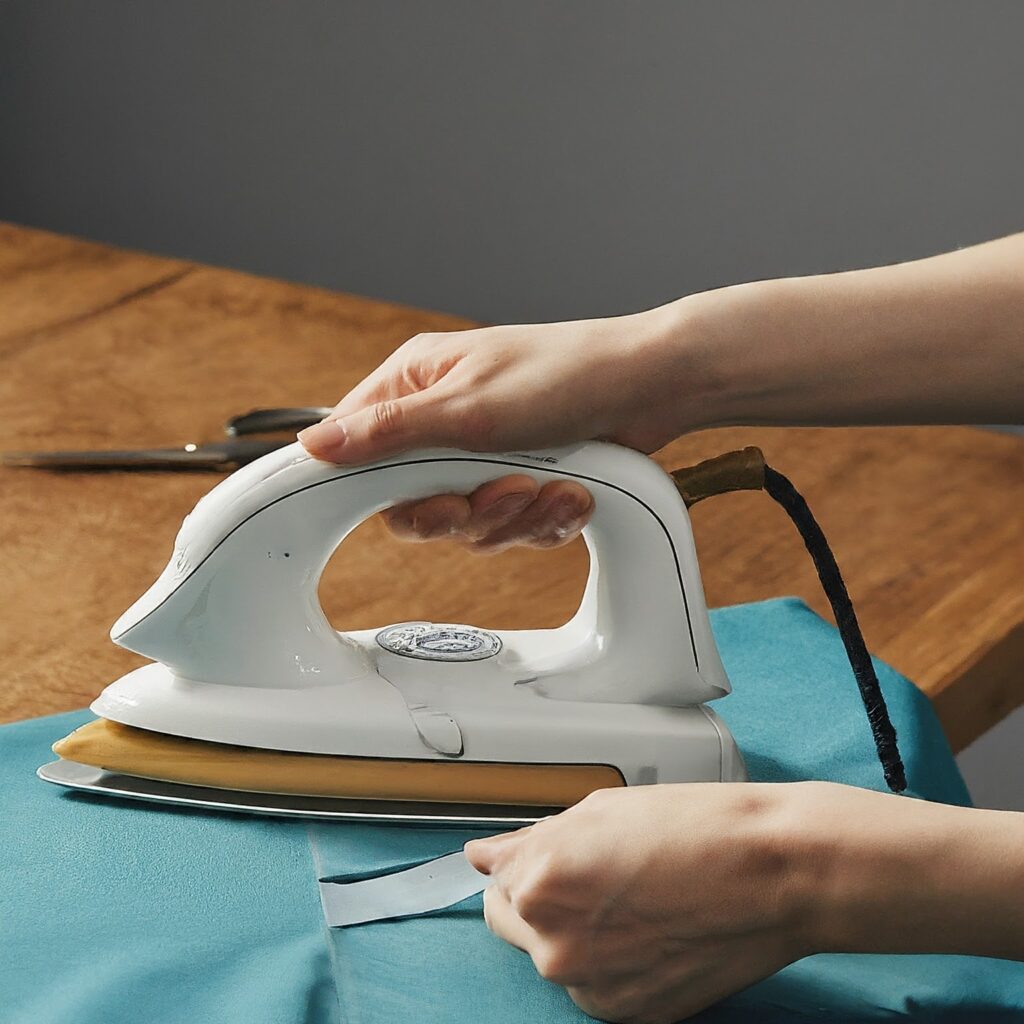
To use paper fusion, the first step is to place the resin side of the fusing on the backside of the fabric and heat it with an iron. When placed on the fabric the melting action causes the interlining to stick to the fiber. 


The paper fusion is not woven or knitted, It is used to make fabrics stiffer and especially effective for mending hems and small holes. 


There are various qualities of paper fusing to meet the needs of different products. A shi collar would require thick fusing whereas, for a woman’s dress neckline, one would have to use thin fusing paper. Paper fusing can also be used in belt rolls, the lower part of salwar, bags, and much more. 


Selecting premium quality paper fusing is highly essential to create a well-constructed garment. Using the wrong type of paper fusing could make the garment odd-looking and would fail to provide support.

+
Categories
Garment Accessories

Garment Accessories and Its Types

 What is Fusible Interlining

Fusible interlining is used in a lot of garments as well as other textiles like curtains…“a base fabric coated on one side with a thermoplastic adhesive resin which can be bonded to another fabric by the controlled application of heat and pressure.

      Garment Accessories and Its Types

The fabric is the most important component of garments which makes the garment more attractive and other supporting materials are used along with the fabric. These materials are known as garment accessories which serve the basic functions of decorative ideas. Button, Zipper, Thread, Label, etc. are some main garments accessories. 

Types of Garments Accessories

1. Basic accessories

Basic accessories are the fundamental accessories of a garment. Some of them are listed below, 

 The function of basic accessories is given below.

Thread

The thread is a long, thin strand of cotton, nylon, silk, or other fibers used for patching purposes. Thread is the main accessory of garments. Most of the time the metallic coating thread is used for decorative purposes. 

Zipper

The zipper is a binding device that is used to bind two edges of the fabric and other flexible materials. Its main function is to bind two edges as it could be easily opened. There are different types of the zipper. Some of them are given below-

  • Metallic zipper
  • Coil zipper 
  • Invisible zipper 
  • Plastic molded zipper 
  • Open-ended zipper 
  • Close-ended zipper 
  • Magnetic zipper

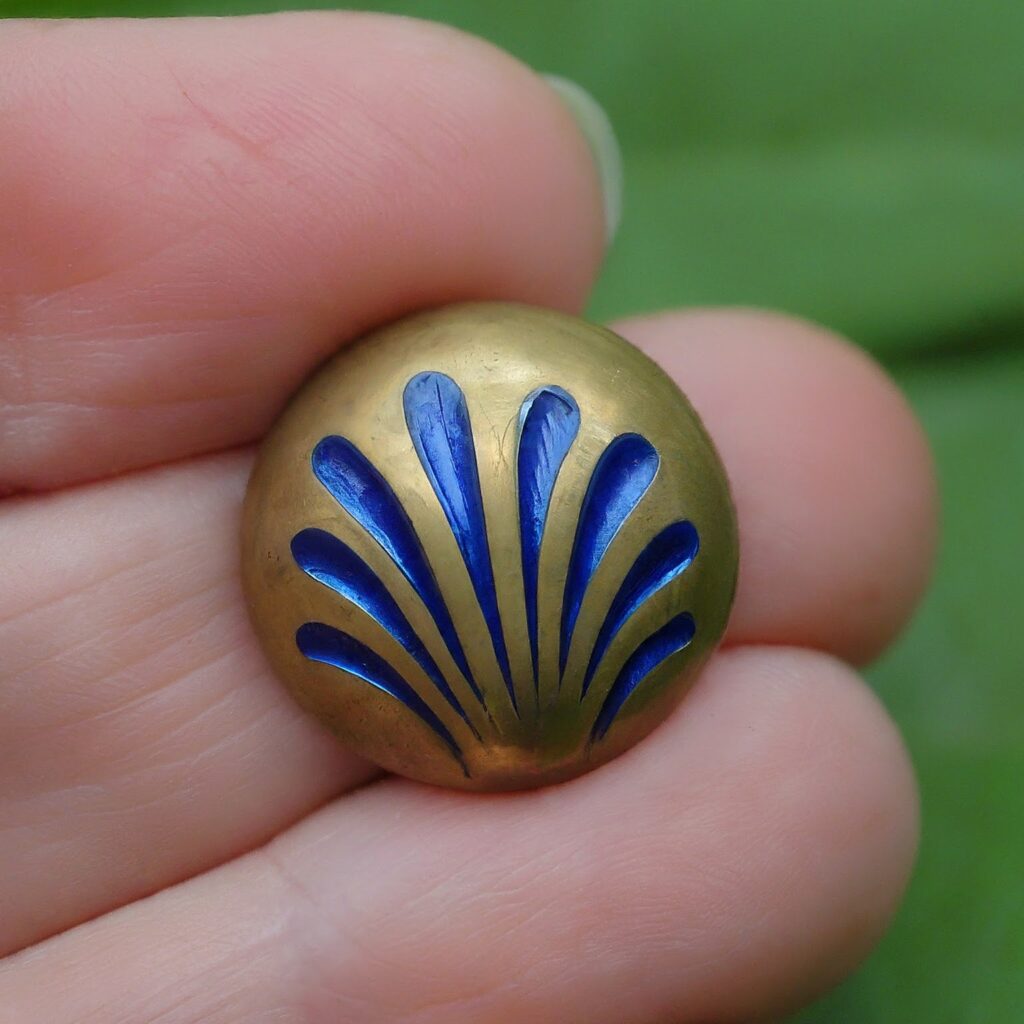
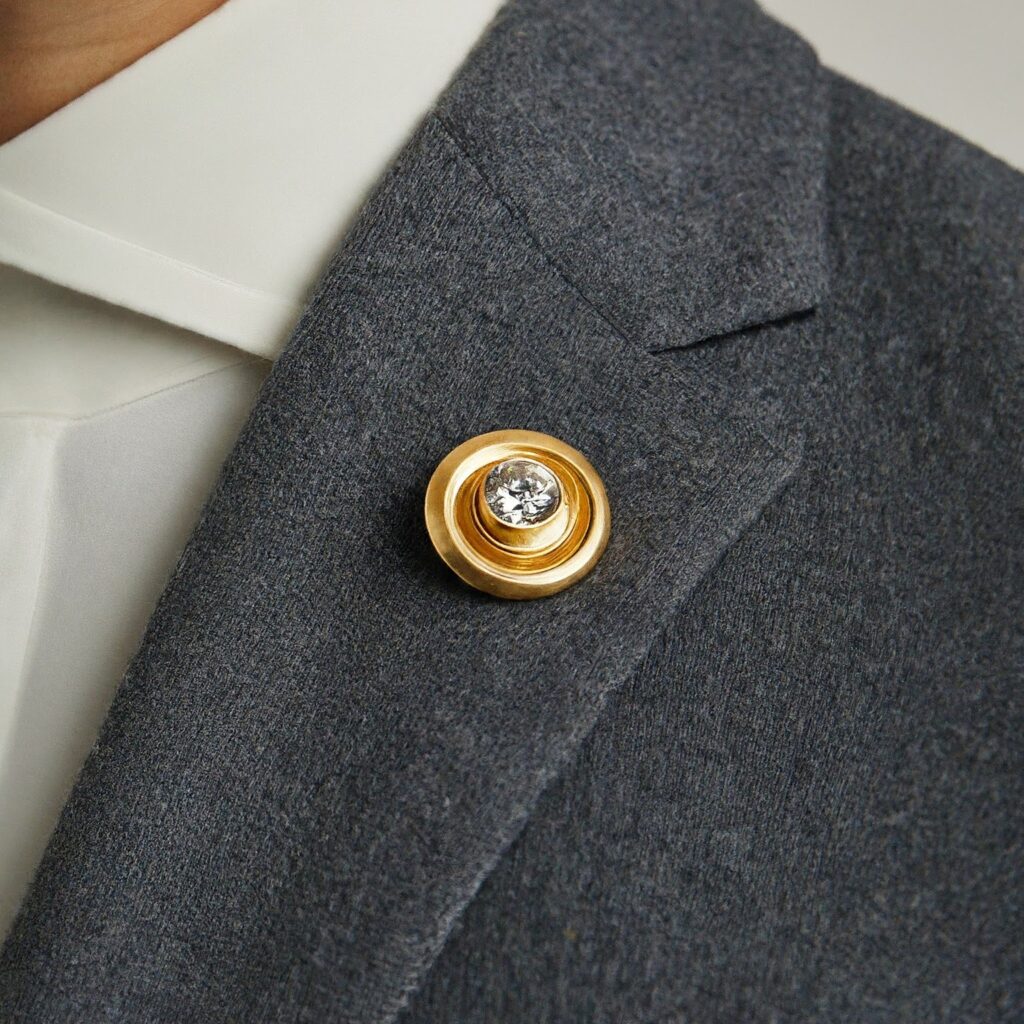
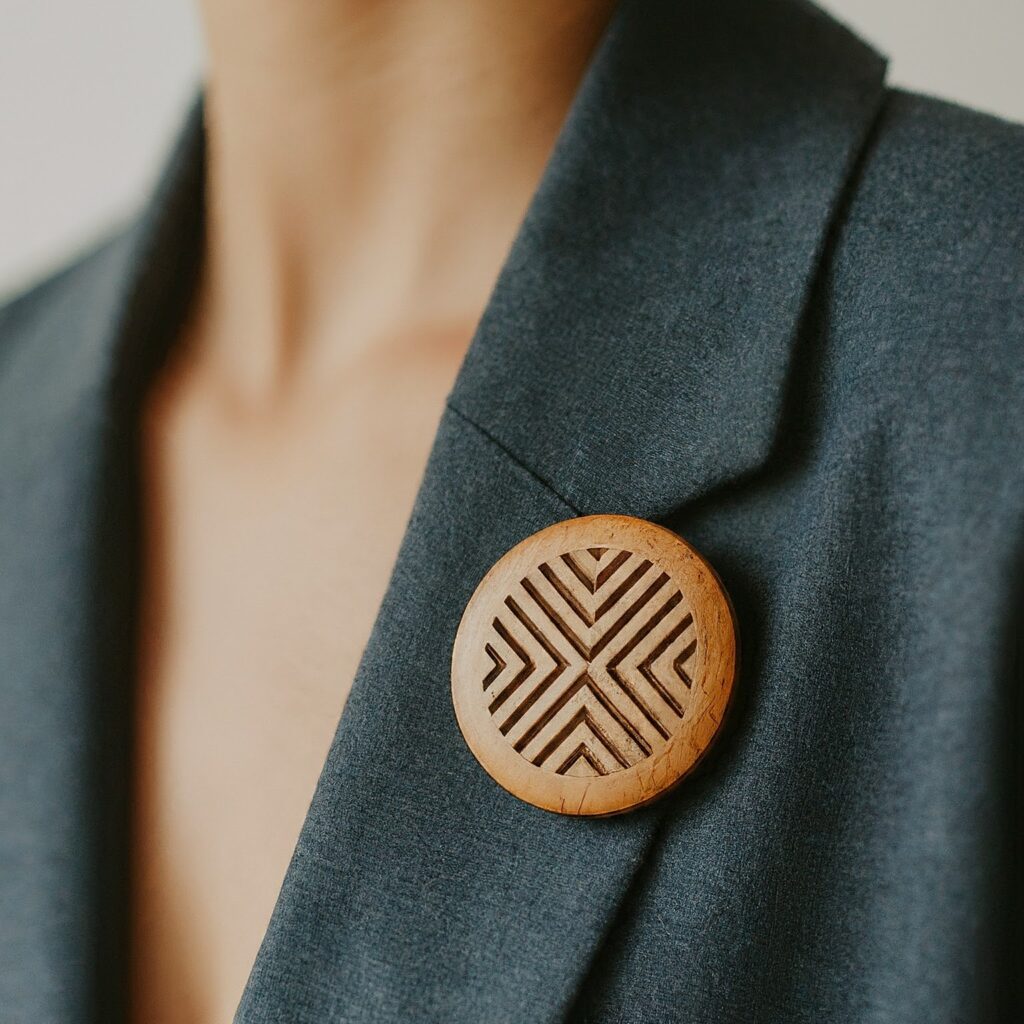
Button

 A button can be made of plastic, metal, wood, glass, and sometimes from the animal bone, shell, ivory, etc. There are different types of buttons. Those are, 

  • Shank button
  • Flat button 
  • Snap button 
  • Stud(jeans) button 
  • Lapel button
Flat buttons are most commonly used. 

Label

The label can be made of paper, plastic film, fabric, or some similar items as such. It can also be attached, printed, embossed on the garments. There are two types of labels used, 

  1. Main label
  2. Sub-label

The main label contains the Brand name, brand logo, etc.

Sub-label is divided into different categories-

  • Care label
  • Size label 
  • Price label 
  • Composition label 
  • Special label 
  • Flag label

Lining

The lining is the piece of fabric that is inserted in the inner layer of garments. 

 It helps to extend the useful life of garments by reducing wearing and tearing strain. 

Interlining

Interlining is used between two layers of fabric to give more support. The function of interlining is to hold up and keep the original shape. There are two types of interlining

  1. Fusible interlining
  2. Non-fusible interlining

Elastic

Elastic is a narrow fabric-covered strand that can stretch due to its composition. Rubber or spandex cores are covered in a fabric such as polyester, nylon, or cotton and then woven, knitted, or braided to create the elastic. There are several types of elastic- 

  1. Braided elastic
  2. Knitted elastic 
  3. Fold-over elastic 
  4. Lingerie elastic

Braided elastic is commonly used. 

Cord

The cord is a narrow, adjustable material normally made of twisted strands or fabrics. It is generally used to bind, tie, connect and support.

Ribbon

The ribbon is a light material, usually made of material but also plastic or sometimes metal. There are different types of ribbons. such as

Rivet

A rivet is a mechanical bond. The heads are made in such a form that they can be inserted into a hole. It is generally made of metal.

Collarbone

The collarbone is a thin, plastic-made accessory that is inserted into the collar point for keeping the original shape.

2. Decorative accessories

This type of accessory is focused more n appearance and to make the garment more attractive. Here is the list of decorative accessories below,

  • Piping
  • Buttonhole tape
  • Ribbed tape
  • Seaming tape
  • Moiré ribbon
  • Welt tape
  • Stamped tape
  • Bias binding
  • Pompom 
  • Soutache
  • Tassel
  • Fringe
  • Taffeta ribbon
  • Galloon
  • Rosette
  1. Finishing Accessories

Finishing Accessories are largely non-fabric elements and generally, they don’t belong to garments when it is used. Here is the list of Finishing Accessories given below,

  • Hanger
  • Hand tag
  • Polybag
  • Size tag
  • Tissue paper
  • Sticker
  • Plastic clip
  • Scotch tape
  • Safety pin
  • Butterfly
  • Backboard
  • Safety sticker
  • Brass Pin
  • Neck board
  • Carton

 Post Credithttps://engineeringtextile.com/garment/accessories/162-garments-accessories