
Open up any well-made suit, blazer or sherwani and the first thing you notice on the inside isn’t the stitching, it’s the lining. It’s the layer your customer’s hand actually touches when they try the garment on, and it says a lot about the quality standard you’re building your product around.
If you manufacture formal or ethnic wear, you already know lining does more than just look neat. It hides the construction work underneath, adds comfort against the skin, and finishes the garment the way a buyer expects at whatever price point you’re selling into. Choosing the right polyester lining weave and weight for that job isn’t complicated once you understand what each option is actually built for, and that’s what we’ll walk through here.
This matters more in the Indian formal and ethnic wear trade than it might elsewhere. Sherwanis, bandgala jackets and premium suits are often worn open or partially open, which means the lining isn’t hidden the way it would be in a fully buttoned Western jacket. Your buyer, and often their customer, sees the interior directly, so the finish you choose there is doing real work for how the finished garment is perceived.
Table of Contents
- What Lining Fabric Actually Does Inside a Garment
- How Weight Changes the Way Lining Feels and Performs
- Jacquard, Satin, Dobby and Taffeta – Weave Types Explained
- Matching Weave and Weight to Your Garment Type
- Colour and Consistency: What to Check Before You Order
- Why Manufacturers Source Their Lining from Double Ghoda
What Lining Fabric Actually Does Inside a Garment
Lining sits between the outer shell fabric and the wearer, sewn in as the final interior layer of a suit, blazer, sherwani or formal jacket. It’s easy to overlook because it’s never the star of the garment, but skip it or get it wrong, and the whole product feels unfinished.
Here’s what a good lining is actually doing for you:
- Hides the construction work — seams, interlining and tailoring details stay out of sight
- Adds comfort — a smooth interior surface means the garment slides on easily and feels good against the skin
- Protects the shell fabric — the inner face of your outer fabric stays cleaner for longer, away from direct wear and perspiration
- Signals quality — a buyer opening a sherwani or premium suit jacket notices the interior finish before anything else
In India’s ethnic and formal wear market, this last point matters more than manufacturers sometimes expect. A sherwani that opens to reveal a patterned, well-finished interior reads as a premium product even before the wearer has looked closely at the outer fabric. Polyester lining fabric is the standard choice for this job across the trade – durable, easy to source in consistent colour, and available in weave types that suit everything from everyday formal wear to premium occasion pieces.
How Weight Changes the Way Lining Feels and Performs
Like most fabric decisions in garment manufacturing, weight is the first thing to get right when you’re sourcing polyester lining for a new line. A lining that’s too light wrinkles easily and can look thin under a structured jacket. One that’s too heavy adds bulk you don’t want, especially under a fitted suit or blazer.
The general pattern is straightforward:
| Weight range | What it feels like | Where it works well |
| Lighter | Crisp, minimal bulk, good drape | Blazers, safari suits, lightweight outerwear |
| Mid-weight | Balanced weight and durability | Standard suits and blazers |
| Heavier | More body, richer interior feel | Premium sherwanis, heavily structured suits |
There’s no single “correct” weight across the board, it depends on how structured your garment is and what finish you’re going for. A safari suit or lightweight blazer benefits from a lighter lining that keeps the whole garment easy to wear. A premium sherwani, on the other hand, often calls for a heavier lining that gives the interior a fuller, richer hand-feel, something buyers notice the moment they open the garment.
This is one area where sampling before a full production run genuinely pays off. The right weight on paper can still feel different once it’s cut, sewn and worn inside your specific outer fabric.
Jacquard, Satin, Dobby and Taffeta – Weave Types Explained
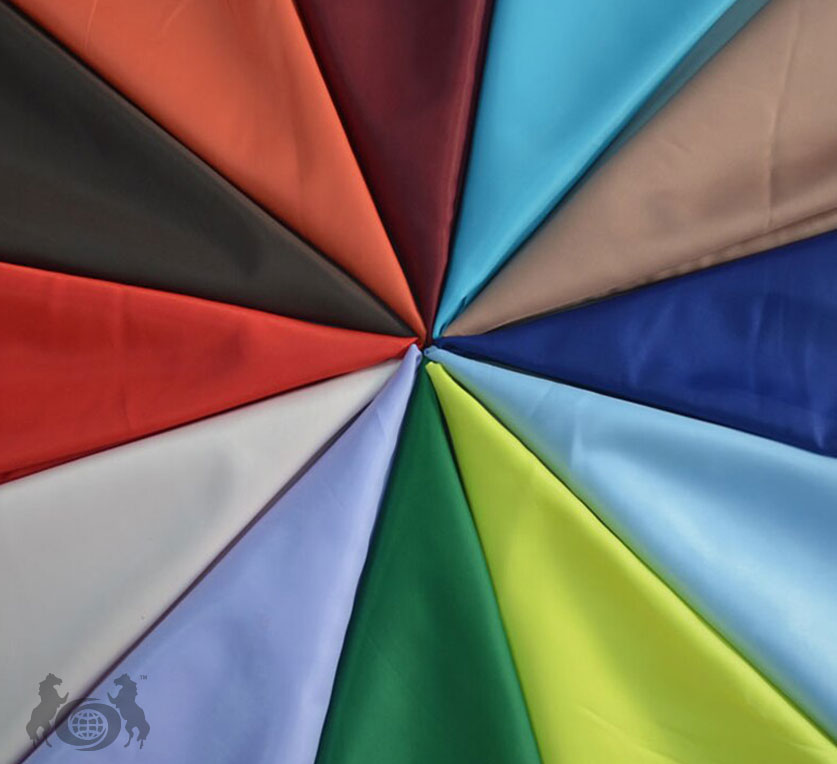
Weave type changes both the look and the performance of lining fabric, and it’s usually the first decision factories make before settling on a specific weight.
Jacquard has a woven pattern built into the surface rather than printed on top. It’s the most premium-looking option in the range and the one most associated with high-end sherwanis and formal suits, a patterned interior signals quality the moment a garment is opened.
Satin Dobby combines a dobby texture with a satin base, giving a slightly richer surface than plain satin while keeping that smooth, glossy drape. It sits a step above standard satin without moving all the way to a jacquard price point.
Plain Satin is the standard choice for suits and blazers where a smooth, glossy interior is expected without the added cost of a patterned weave. It has a comfortable, slippery feel against the skin, which is part of why it remains a common default across the trade.
Taffeta is lighter and crisper than the satin-based weaves, with a clean finish that adds minimal bulk. It’s a practical choice for blazers and safari suits where keeping the interior lightweight matters more than a premium surface finish.
A quick way to compare them:
| Weave | Look and feel | Typical use |
| Jacquard | Patterned, premium | Sherwanis, premium suits |
| Satin Dobby | Textured satin, richer hand | Suits, blazers, formal jackets |
| Plain Satin | Smooth, glossy, comfortable | Standard suits and blazers |
| Taffeta | Crisp, lightweight | Blazers, safari suits, outerwear |
None of these weaves is universally “better” than another, they’re built for different jobs, and most factories end up stocking two or three depending on the range they’re producing.
It also helps to think about how each weave behaves once it’s actually in production, not just how it looks on a swatch. Jacquard, with its woven pattern, tends to show construction detail more clearly, so cutting and sewing need a bit more care to keep the pattern aligned across panels. Satin and taffeta are more forgiving in this respect, their plain surface means alignment isn’t a concern, which is one reason factories often default to them for higher-volume, standard production runs.
Matching Weave and Weight to Your Garment Type
Once you understand the weave options, matching them to your production line becomes a fairly practical exercise. Here’s how factories typically approach it:
- Start with your outer fabric. A heavier, more structured outer fabric usually pairs well with a fuller lining; a lighter outer fabric calls for something that won’t overwhelm it.
- Consider the price point you’re building for. Premium sherwanis and suits often justify a jacquard or satin dobby lining, while everyday formal wear works well with satin or taffeta.
- Think about season and use. Outerwear and safari suits benefit from a lighter, less bulky lining, especially in warmer climates.
- Factor in your buyer’s expectations. If your customer associates a patterned interior with quality, which many premium ethnic wear buyers do, that should weigh into the decision even if a plainer lining would technically perform the same function.
Most manufacturers don’t run a single lining across their entire range. It’s common to stock a jacquard or satin dobby polyester lining fabric for premium lines, alongside a lighter satin or taffeta option for standard production, giving you flexibility without overcomplicating your sourcing.
Colour and Consistency: What to Check Before You Order
Colour consistency is one of those details that seems minor until it isn’t. A garment with slightly mismatched lining shade across a production batch looks unfinished, especially in premium suits and sherwanis where the interior is visible when the garment is worn open.
A few things worth checking with any lining supplier:
- Dye lot consistency — ask whether reorders come from the same dye batch, so colour doesn’t drift between production runs
- Core colour availability — black, navy, white and off-white cover the majority of formal and ethnic wear production, so reliable stock in these shades matters most
- Sample access before bulk commitment — a small sample lets you confirm shade, hand-feel and drape against your outer fabric before you place a full order
Getting this right at the sourcing stage avoids a frustrating problem later, a reorder that technically matches the spec sheet but looks noticeably different once it’s sewn into the garment.
It’s also worth building this check into your own quality process, not just relying on your supplier’s word for it. Keep a small swatch from each batch you receive, and compare new deliveries against it before cutting begins. This takes a few minutes per batch and catches shade drift early, before it’s sewn into hundreds of finished garments and much harder to fix.
Why Manufacturers Source Their Lining from Double Ghoda
We supply polyester lining to suit manufacturers, blazer factories and sherwani makers across India, with a range that covers jacquard, satin dobby, plain satin and taffeta weaves. Whatever finish you’re building toward, a premium sherwani interior or a lightweight blazer lining, we can point you to the right weave and weight for your garment.
What factories consistently value when they order from us:
- Consistent dye lots, so your reorders match the shade you started with
- A full range of weave types, so you’re not sourcing from multiple suppliers to cover your product range
- A supplier who understands garment construction, not just a fabric price list
Double Ghoda is a wholesale supplier, we work with garment factories, formal wear wholesalers and clothing brands, not individual tailors or retail buyers. If you’re setting up a new line or refining your current one, talk to us about your outer fabric, price point and finish before placing a bulk order. Getting the weave and weight right at the sampling stage is far easier than correcting it after a production run.
We know that lining often gets decided late in a factory’s sourcing process, after the outer fabric and interlining choices are already locked in. That’s a normal way to work, and it’s exactly why we keep a full range of weave types and core colours ready to move quickly once you’re at that stage, you shouldn’t have to wait on your lining supplier while the rest of your production schedule is already moving.
Frequently Asked Questions
What is polyester lining fabric used for?
It’s the interior finishing layer sewn inside suits, blazers, sherwanis and formal jackets. It hides the construction work, adds comfort against the skin, and gives the garment a finished, quality interior.
Which lining weave is best for a sherwani?
Jacquard is the most common choice for premium sherwanis because the patterned surface signals interior quality when the garment is worn open. Satin dobby is a common second choice for a slightly less premium price point.
What’s the difference between satin and taffeta lining?
Satin has a smooth, glossy surface with a comfortable slippery feel, commonly used in standard suits and blazers. Taffeta is lighter and crisper, adding less bulk, a practical choice for blazers and safari suits.
How do I choose the right lining weight for my garment?
Match the lining weight to your outer fabric and the finish you want. Lighter linings suit blazers and lightweight outerwear, while heavier options give a fuller, richer feel that works well in premium, structured garments like sherwanis.
Link of related Articles
- Lightweight Interlining vs. Heavyweight Interlining
- A Beginner’s Guide to Interlining
- Choosing the Right Interlining