
Before you commit to a bulk order, check these seven things: construction and finish, garment fit, GSM and roll specifications, shade consistency, a physical sample, MOQ and supply terms, and, only after all of that, the supplier’s actual product range. When sourcing polyester lining for production, skipping any one of these checks can lead to a rejected batch, a mismatched interior, or a reorder that doesn’t match the shade you started with.
This isn’t a product explainer. If you already know what jacquard, satin and taffeta are, you don’t need another rundown of weave types, you need to know what to verify before your money is committed. That’s what this checklist covers, in the order a sourcing team should actually work through it.
Table of Contents
- Before You Buy Polyester Lining Fabric, Check These 7 Things
- Check the Fabric Construction and Finish
- Make Sure the Lining Matches Your Garment Requirements
- Review GSM, Width and Roll Specifications
- Check Shade and Quality Consistency
- Test the Sample Before Placing a Bulk Order
- Confirm MOQ, Supply Requirements and Product Details
- Ready to Source Polyester Lining Fabric in Bulk?
Check the Fabric Construction and Finish
Start with construction, not colour or price. The weave and finish determine how the fabric behaves inside the finished garment, its drape, its hand-feel, and how it holds up to repeated wear.
Ask your supplier to confirm:
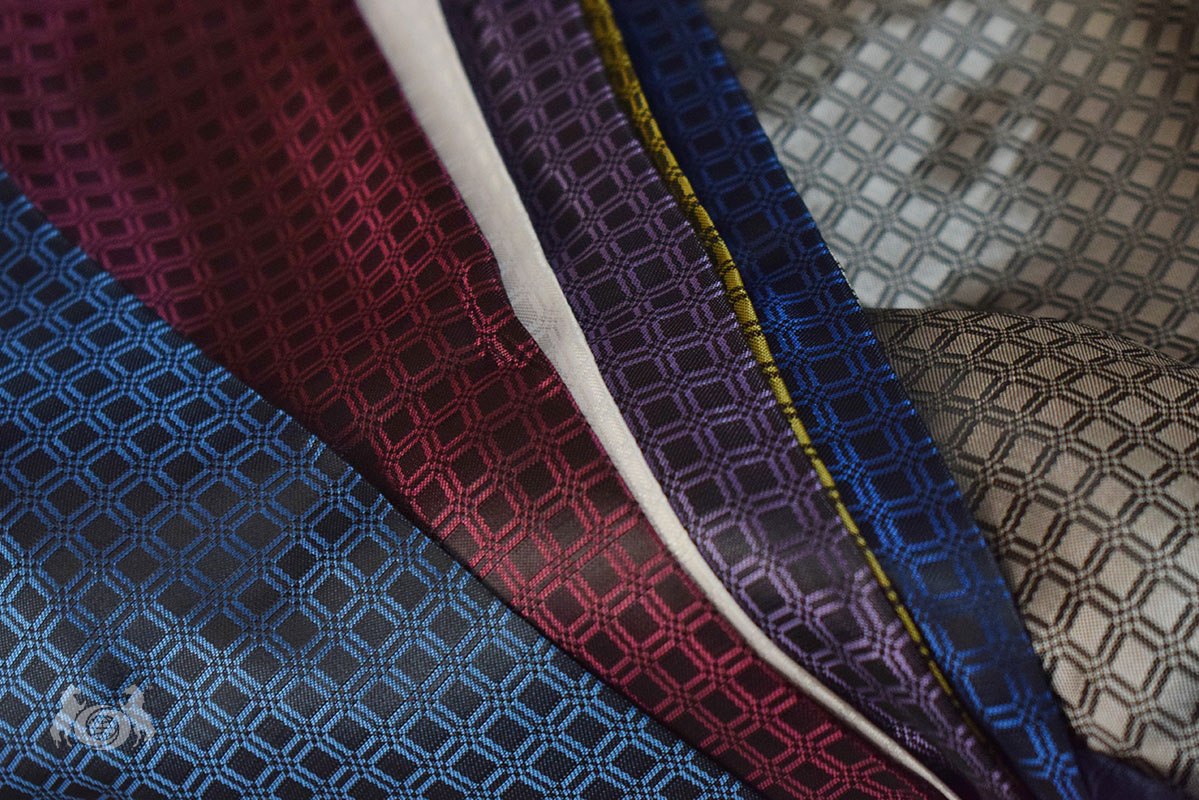
- Weave type. A patterned weave, a textured satin-base weave, a plain glossy weave and a crisp, lightweight weave all behave differently once sewn in. Confirm which one you’re actually being quoted, not just the fabric’s trade name.
- Surface finish. Smooth and glossy finishes feel different against the skin than a textured or patterned surface. If your buyer or brand has a specific interior “feel” in mind, this is where you confirm it matches.
- Drape. Heavier, structured constructions sit differently than lightweight ones. A construction that’s too stiff will fight the outer fabric’s movement; too soft, and it won’t hold its shape inside a structured garment.
Don’t take a supplier’s description at face value, ask for a swatch and check it against the garment you’re building, not against a photo.
Make Sure the Lining Matches Your Garment Requirements
The right construction for a sherwani isn’t automatically right for a safari suit. Match the fabric to the garment before you match it to a price point.
- For premium, visible interiors — sherwanis and occasion wear where the lining shows when the garment is worn open, a richer, patterned construction generally signals interior quality better than a plain finish.
- For standard suits and blazers — a smooth, glossy construction is the common industry default: comfortable against the skin, reliable drape, and priced to work at volume.
- For lightweight or non-bulky applications — safari suits and outerwear where you don’t want the lining adding weight, a lighter, crisper construction keeps the interior clean without bulking out the shell.
Before you request pricing, write down the garment type, the finish you need, and the weight range you’re targeting. A supplier can quote faster and more accurately when you lead with the requirement instead of asking “what do you have.”
Review GSM, Width and Roll Specifications
GSM tells you how the lining will behave once it’s sewn in, too light, and it wrinkles and creases in wear; too heavy, and it adds bulk the outer fabric wasn’t designed to carry. Always ask for the GSM range in writing before you commit to a quantity, and check it against your garment’s weight class rather than assuming “standard” will work.
Alongside GSM, confirm:
- Roll length. Know exactly how many linear metres each roll holds so your cutting plan and your order quantity line up, a mismatch here creates wastage that only shows up after the fabric is cut.
- Width. Fabric width determines how many panels you can cut per metre. Confirm it before finalising your order quantity, not after the rolls arrive.
- Colour-to-batch consistency. If you’re ordering multiple rolls for one production run, confirm they’re coming from the same dye lot, this matters more than most buyers expect (more on that below).
None of this is complicated, but it’s exactly the detail that gets skipped when a purchase order is written under time pressure.
Check Shade and Quality Consistency
A lining that looks fine on a single swatch can still cause problems across a bulk order if the shade shifts from roll to roll. This is one of the most common, and most preventable, quality issues in garment lining, and it’s worth checking specifically rather than assuming it won’t happen.
Before ordering in volume:
- Ask whether your order will be supplied from a single dye lot, and what happens if you reorder later, will the shade match, or could it drift?
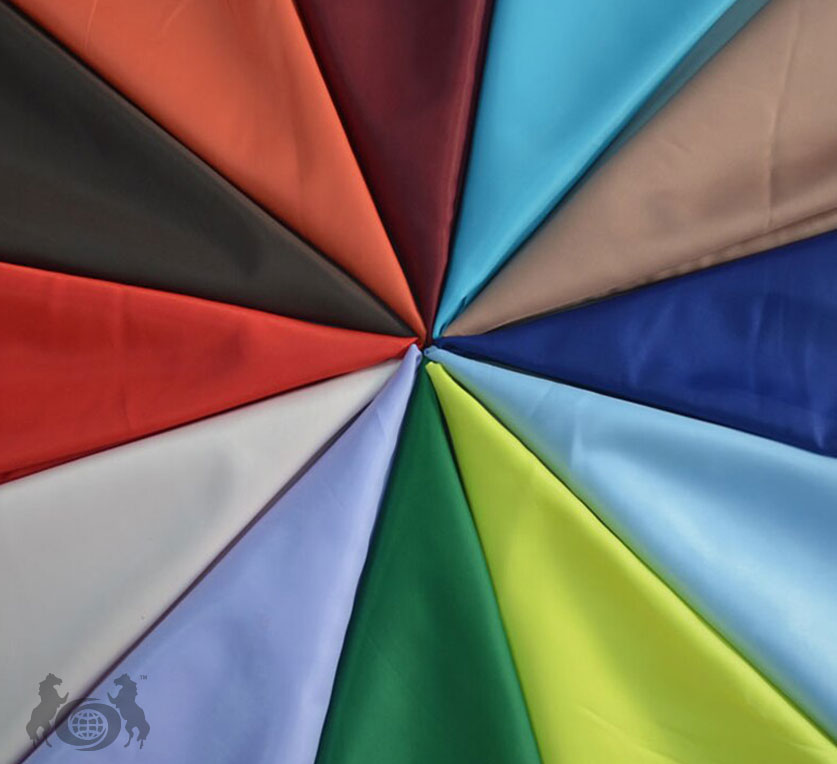
- Request a physical shade card rather than relying on a screen image, since colour rendering varies by device and lighting.
- If your production run spans multiple deliveries, ask the supplier how they maintain shade consistency across batches supplied months apart.
Shade mismatch is easy to catch before cutting and expensive to fix afterward, a finished garment with visible shade variation in the lining is very hard to sell as premium, no matter how good the outer fabric looks.
Test the Sample Before Placing a Bulk Order
No specification sheet replaces a physical test. Before you place a bulk order, get a sample cut and put it through the same conditions your production floor will use.
At minimum, check:
- Hand-feel against your outer fabric. Does the combination feel right together, or does the lining fight the shell fabric’s drape?
- Sewing behaviour. Some constructions fray more at the cut edge or shift under the needle. Run a test seam before committing to volume.
- Colour under your actual lighting. Factory lighting and daylight can shift how a shade reads, check the sample in the same light your finished garments will be seen in.
- Care compatibility. Confirm the lining’s care requirements match what your finished garment’s care label will promise the end customer.
A sample review takes a day or two. A bulk order that doesn’t perform on the factory floor costs a lot more than that, in time, material, and a delayed production schedule.
Confirm MOQ, Supply Requirements and Product Details
Once construction, specification and sample are confirmed, lock down the commercial terms before the order is placed, not after.
Confirm in writing:
- Minimum order quantity, and whether it applies per colour, per weave type, or across your total order.
- Lead time, from confirmed order to dispatch, and whether that changes for custom colours or non-standard specifications.
- Roll count and total metres, cross-checked against your cutting plan so there’s no ambiguity at delivery.
- What happens if a roll arrives outside spec, shade, GSM or length, so you’re not negotiating a resolution after the fact.
Buyers who skip this step often find out the terms only when something goes wrong. Getting it in writing upfront is a small effort that avoids a much bigger problem later.
Ready to Source Polyester Lining Fabric in Bulk?
Once you’ve worked through construction, garment fit, specification, shade consistency, sampling and supply terms, the last step is matching all of that to an actual supplier’s range, and that’s where the details matter.
We supply polyester lining fabric in four weave types, Jacquard, Satin Dobby, Plain Satin and Taffeta (190T), across a 52–85 GSM range, so garment factories can match construction and weight to the specific application rather than settling for a one-size-fits-all option. Jacquard sits at the premium end for sherwanis and structured suits; Taffeta is the lighter, more economical choice for blazers and outerwear where bulk needs to be kept down.
All of our lining is 100% polyester, supplied in 45-metre rolls, and available in a standard colour range that includes black, navy, off-white, white and several additional shades. Rolls are held in consistent dye lots so reorders match the batch you started with, the shade consistency point covered above.
Minimum order quantity is 1,000 metres, supplied on a wholesale B2B basis. If you’re working through the checks in this article and want to confirm which weave and GSM fits your garment, share your requirement and we can point you to the right specification before you commit to a bulk quantity.
Frequently Asked Questions
How do I check the quality of polyester lining fabric before ordering in bulk?
Request a physical sample, test it against your outer fabric, run a test seam, and check the shade under your actual production lighting, not just from a photo or spec sheet.
What’s the biggest mistake buyers make when sourcing lining fabric for garment production?
Ordering on price or trade name alone without confirming construction, GSM and shade consistency in writing. These are the details that cause rejected batches later.
Should I always ask for a sample before a bulk lining order?
Yes. A sample lets you check hand-feel, sewing behaviour and colour accuracy before committing to volume, it’s a small step that prevents expensive production problems.
Does GSM matter as much as weave type when choosing lining?
Both matter, but for different reasons. Weave type affects finish and perceived quality; GSM affects how the lining behaves in wear, drape, bulk and durability.
How do I make sure reorders match the original shade?
Confirm with your supplier whether lining is supplied from consistent dye lots and ask specifically how shade is maintained across deliveries placed months apart.
What should be confirmed before placing a wholesale lining fabric order?
Minimum order quantity, lead time, roll count against your cutting plan, and what happens if a delivery arrives outside the agreed specification.
Link of related Articles
- Lightweight Interlining vs. Heavyweight Interlining
- A Beginner’s Guide to Interlining
- Choosing the Right Interlining