Categories
Woven Interlinings

Woven Interlining: The Classic Choice for Structured Garments

Woven Interlining: The Classic Choice for Structured Garments

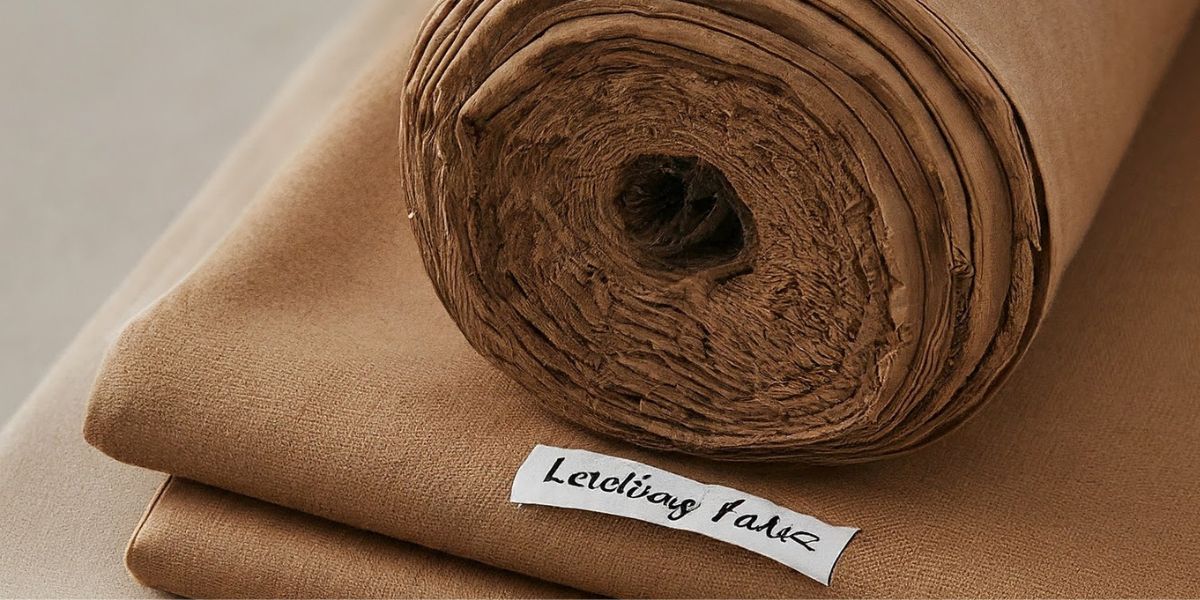
Woven interlining has been a cornerstone of garment construction for over a century, offering strength and support to various clothing pieces like jackets, coats, and tailored trousers. But with the emergence of newer technologies, how does woven interlining stack up today? Let’s delve into the world of woven interlining, exploring its advantages, disadvantages, and modern alternatives.


Woven Interlining: The Classic Choice for Structured Garments

  • A Look Back: The Early Days of Woven Interlining
  • The Rise of Fusible Interlining: A More Convenient Solution
  • Woven Interlining Today: Strength and Versatility
  • The Advantages of Woven Interlining
  • The Disadvantages of Woven Interlining
  • Alternatives to Woven Interlining: When Flexibility Matters
  • Incorporating Woven Interlining into Your Sewing Projects

A Look Back: The Early Days of Woven Interlining

Imagine a world without crisp collars and structured waistbands! In the early 1900s, that’s exactly what clothing lacked. Woven interlining, primarily made from fabric, stepped in as a game-changer. Strengthened with starch, it provided much-needed support for coats, cloaks, gowns, and even hats. However, these early versions had drawbacks. The stiffness felt uncomfortable, and washing caused shrinkage and irregularities in the interlining, making garment care a challenge.

The Rise of Fusible Interlining: A More Convenient Solution

Enter fusible interlining! This innovation addressed the limitations of its predecessor. Regular fabrics received a layer of heat-activated adhesive. By applying heat and pressure with an iron, this adhesive bonded seamlessly with the garment’s outer shell, creating a supportive yet flexible base. This advancement in interlining technology offered garment makers a more convenient and user-friendly way to achieve structure and support in their creations.

Fusible Interlining

Woven Interlining Today: Strength and Versatility

Woven interlining remains a popular choice for its core strength. It’s primarily made from fabric, often blended with polyester to prevent shrinkage and improve washability. Additionally, a variety of weaves are available, including plain weave, crepe, herringbone, and twill, offering options for specific applications:


  • Plain weave: The most common type, offering a good balance of strength and flexibility.
  • Crepe weave: Provides a slightly textured surface, ideal for adding visual interest and a touch of drape.
  • Herringbone weave: Offers a diagonal texture, adding a touch of sophistication and structure.
  • Twill weave: Provides a diagonal texture with a more pronounced rib than herringbone, often used for added strength and durability.

The Advantages of Woven Interlining

  • Strength and Stability: Woven interlining excels when it comes to providing firm structure. It’s ideal for waistbands, collars, and cuffs, ensuring they maintain their shape throughout wear and resist sagging or bagging.
  • Variety of Weaves: From classic plain weave to more textured options, woven interlining offers choices to match your desired drape and visual effect. This allows for greater design flexibility in your sewing projects.
  • Durability: Woven interlining’s strength translates to long-lasting garments. Garments with woven interlining tend to resist wear and tear better, especially in areas that experience stress, like waistbands and pockets.

The Disadvantages of Woven Interlining

  • Limited Flexibility: While strong, woven interlining can sometimes feel stiff and inflexible, which might not be ideal for garments requiring a soft drape or a lot of movement.
  • Cost: Compared to other options like knitted interlining, woven interlining tends to be more expensive. This can be a factor when creating less formal or casual garments.

Alternatives to Woven Interlining: When Flexibility Matters

In cases where a softer touch and flexibility are paramount, knitted interlining comes into play. This type of interlining uses synthetic yarns, sometimes blended with rayon or wool, to create a voluminous and soft base for garments. It offers the necessary support while maintaining a natural drape and a comfortable feel.

Incorporating Woven Interlining into Your Sewing Projects

Woven interlining, whether in its woven fusible interlining form (including the heat-activated adhesive) or as a standalone woven interlining fabric, remains a valuable tool in a garment maker’s arsenal. Its strength and stability make it perfect for structured garments like jackets, blazers, and tailored trousers. However, understanding its limitations and exploring alternatives like knitted interlining allows you to make informed choices for each unique sewing project, ensuring your creations look and feel their absolute best.

Woven Interlining: Advantages vs. Disadvantages
FeatureAdvantageDisadvantage
Strength & StabilityProvides firm structure for collars, waistbands, cuffs, preventing sagging.Can feel stiff and inflexible, not ideal for soft drape or movement.
Variety of WeavesOffers options like plain weave, crepe, twill for drape and visual effect, allowing design flexibility.Limited selection compared to some modern alternatives.
DurabilityIncreases garment longevity by resisting wear and tear in pockets and waistbands.May be more expensive than other interlining options, especially for casual garments.
ApplicationFusible interlining offers a convenient heat-activated application process.Traditional interlining requires sewing for attachment.
shweta-textile-designer

Shweta, a textile designer with a keen eye and deep knowledge of fabrics, translates her passion into unique designs. She loves to share her expertise and ignite a love for textiles in others. Dive into the world of fabrics with Shweta!

Categories
Woven Interlinings

Choosing the Perfect Woven Interlining for Your Garment

Choosing the Perfect Woven Interlining for Your Garment

Hey there, sewing enthusiast! Are you diving into the world of [garment type] construction and feeling a little overwhelmed by interfacing options? You’re not alone. Woven interlining, that magical layer – also known as woven fusible interlining or woven interlining fabric – sandwiched between your fabric and lining, can be a game-changer for structure, shape, and that oh-so-satisfying professional finish. But with a vast array of weights, materials, and applications, choosing the right woven interlining fabric can feel like wrangling a tangled spool of thread.

Fear not, fellow stitcher! This guide will be your compass, navigating you through the exciting world of woven interlinings for your dream garment type.


Table of Contents

  • Unveiling the Magic of Woven Interlinings
  • Demystifying Woven Interlining Basics
  • The Perfect Match: Choosing Your Woven Interlining

Why We Love Woven Interlinings

Before we delve into specifics, let’s talk about the superpowers woven interlinings bring to your garment type. They’re like the silent guardians, working behind the scenes to:


  • Provide Structure: Imagine a crisp collar or a sharp waistband – that’s the magic of interlining. It adds body and stability, preventing your fabric from sagging or losing its shape.
  • Enhance Drape: Depending on the weight and type, interlining can actually improve how your fabric falls. It can tame overly-drapey materials or add a touch of weight for a more luxurious flow.
  • Boost Wearability: A well-chosen interlining makes your garment type more durable. It reinforces areas prone to wear and tear, extending the life of your creation.
  • Achieve a Professional Finish: That smooth, polished look? You can thank interfacing for that. It eliminates fabric bulk and creates a clean, tailored aesthetic.
Fusible Interlining

Understanding Woven Interlining Basics

Now that you’re pumped about interlining’s potential, let’s break down some key factors to consider when choosing the perfect woven interlining fabric for your garment type


  • Weight: This refers to the thickness and density of the interlining, measured in grams per square meter (gsm). Here’s a quick guideline:
    • Lightweight (20-60 gsm): Perfect for summery fabrics or areas that need a touch of structure without losing drape (think shirt yokes or lightweight jacket facings).
    • Mediumweight (60-100 gsm): The workhorse option, ideal for most general-purpose interlining needs in garment type construction (like collars, cuffs, and waistbands).
    • Heavyweight (100+ gsm): For those heavier fabrics and outerwear projects where serious structure is required (think winter coat collars and structured jackets).
  • Material: Woven interlinings come in various materials, each with its own properties:
    • Hair Canvas: A classic choice for tailored jackets and blazers, offering excellent shape retention and a natural drape.
    • Cotton: A natural, breathable option for lighter-weight applications, ideal for maintaining a softer hand in your garment type.
    • Polyester: A popular and versatile choice, offering good structure and stability at a more affordable price point.

Choosing the Right Interlining for Your Garment Type:

Now comes the fun part – tailoring your interlining choice to your specific [garment type]! Here are some specific recommendations:

For Blazers and Jackets:

  • Aim for medium to heavyweight interlining: You want your blazer or jacket to have a structured silhouette that holds its shape. Hair canvas or a medium weight polyester interlining are great options.
  • Consider fusible interlining: This type heat-bonds to your fabric, making application of your woven fusible interlining a breeze.
  • Pay attention to drape: If you prefer a softer jacket, opt for a slightly lighter weight interlining or a more pliable material like cotton.

For Collars and Cuffs:

  • Medium weight interlining is your friend: This provides enough structure for a crisp collar or defined cuff without feeling bulky.
  • Fusible interlining makes construction easier: Especially for those curved areas when working with your woven interlining fabric.
  • For a softer collar, explore lightweight fusible interlining options.

For Waistbands:

Medium weight interlining is a good starting point: This ensures your waistband keeps its shape and provides a comfortable level of support.

Consider sew-in interlining: This might be preferable for thicker waistbands, offering more flexibility during construction.

For a structured, no-gap waistband, explore heavyweight interlining options.


Pro Tips for Interlining Success:

  • Always pre-wash your fabric: This prevents shrinkage mishaps after you’ve attached the interlining.
  • Test a scrap! Before tackling your entire project, fuse a small piece of interlining to your fabric to ensure adhesion and drape work as expected. This is especially important when using a new type of woven interlining fabric.
  • The iron is your friend: Use the correct heat setting for your chosen interlining to ensure a secure bond. Consult the manufacturer’s instructions for optimal results.
  • Don’t be afraid to experiment! As you gain experience, you can explore different weights and materials to achieve the perfect level of structure and drape for your desired look. There’s a world of woven interlining possibilities out there!

Beyond the Basics: Specialty Woven Interlinings

The world of woven interlinings extends beyond the standard varieties. Here are some specialty options you might encounter:

  • Tricot Fusible Interlining: This lightweight, knitted interlining offers a soft touch and slight stretch, making it ideal for curved areas or garments with a bit of movement.
  • Woven Fusible Webbing: This narrow, woven interlining is perfect for reinforcing seams, buttonholes, and other areas that need extra strength.
  • Fusible Fleece Interlining: This adds a layer of warmth and body to your garment, ideal for winter projects or creating a structured silhouette.

Finding the Perfect Woven Interlining Source

Now that you’re armed with knowledge, it’s time to find the perfect woven interlining for your project! Here are some tips:

  • Fabric Stores: Most well-stocked fabric stores carry a variety of woven interlining options. They can also be a great resource for advice and recommendations.
  • Online Retailers: The internet offers a vast selection of woven interlining fabrics, allowing you to compare prices and find specialty options.
  • Sewing Notions Suppliers: These companies often cater to professional sewers and may offer a wider range of high-quality woven interlinings.


With a little research and these handy tips, you’ll be a woven interlining pro in no time! Remember, the right interlining can elevate your [garment type] from good to great, giving it a polished, professional finish that will turn heads.


Happy Sewing!

shweta-textile-designer

Shweta, a textile designer with a keen eye and deep knowledge of fabrics, translates her passion into unique designs. She loves to share her expertise and ignite a love for textiles in others. Dive into the world of fabrics with Shweta!

Categories
Woven Interlinings

What is Interlining Fabric Used For?

Table of Contents

Living in a vibrant city like Mumbai, fashion is all around me. From the colorful sarees adorning women on their way to work to the sharp suits sported by businessmen, textiles are a constant source of fascination. But what truly lies beneath the surface of these stunning garments? It’s the hidden world of interlining fabrics, the unsung heroes that add structure, support, and that perfect finishing touch!
Intrigued? If you’ve ever wondered what makes a collar stand so crisp, a jacket drape so perfectly, or a bag retain its shape, then this guide is for you. Today, we’ll delve into the wonderful world of interlining fabrics, exploring their history, types, uses, and most importantly, how they can elevate your sewing projects!


A Look at Interlining Fabrics

interlining fusible fabric, sometimes referred to as underlining, is a hidden layer of fabric sandwiched between the outer fabric (the one you see) and the lining (if used) of a garment. It acts as a silent supporter, adding structure, stability, and a professional finish to your creations.

 A Historical Perspective

The use of interlining fabrics dates back centuries. Tailors in ancient Egypt used papyrus reeds and stiffened leather to add form to garments. As fabrics like silk and wool became more prevalent, natural materials like horsehair and buckram were used for interlining. The invention of non-woven fabrics in the 20th century revolutionized interlining, offering a wider range of options with improved flexibility and breathability.


The Significance of Interlining Fabrics:


Why is interlining so important? Here are some key benefits it brings to your garments:

  • Structure and Support: interlining fusible provides essential support for areas like collars, cuffs, waistbands, and pockets, preventing them from sagging or losing their shape.
  • Improved Drape: The right interlining can enhance the drape of your garment, allowing for a beautiful flow and silhouette.
  • Enhanced Durability: interlining fusible reinforces the fabric, making it more resistant to wear and tear, extending the life of your garment.
  • Professional Finish: A well-chosen interlining creates a crisp and polished look, adding a touch of professionalism to your creations.

The Evolving World of Interlining Fabrics

a-collage-of-different-types-of-interlining-fabrics

The world of interlining fabrics is constantly evolving, with new innovations and eco-friendly options emerging. Here are some recent trends to keep an eye on:

  • Sustainable Materials: With a growing focus on sustainability in fashion, eco-friendly interlining options made from recycled materials like polyester or natural fibers like bamboo are gaining popularity.
  • Heat-Activated Interlining: fusing interlining fabrics, which can be ironed onto the main fabric, offer a faster and easier application method, especially for beginners.
  • Specialty Interlinings: Technical fabrics with specific properties like stretch or water resistance are being developed for sportswear, activewear, and other specialized garments.

Demystifying Interlining Fabrics: A Q&A Session

Let’s address some common questions that often pop up when it comes to interlining fabrics:

Q: What are the different types of interlining fabrics?

There are two main types:

Woven Interlining: Made from woven threads, offering excellent structure and stability. Ideal for collars, cuffs, and tailored jackets.

Non-Woven Interlining: Made from bonded fibers, offering a wider range of weights and properties. Great for adding body to garments and improving drape.

Q: How do I choose the right interlining fabric for my project?

The choice depends on the weight and drape of your main fabric, the desired structure for different garment parts, and your personal sewing preference. Consider factors like:

Weight: Lighter interlinings for delicate fabrics, heavier ones for structured garments.

Fusible vs. Sew-in: Fusible is easier for beginners, but sew-in offers more flexibility.

Stiffness: Stiffer interlinings for collars, softer ones for drapes or curves.

Q: Can I use interlining fabric without lining?

Absolutely! Interlining adds structure and support, while lining provides a finishing touch and additional comfort. You can choose to use one or both depending on your project.

 Expert Tips for Using Interlining Fabrics

Now that you’ve grasped the basics, let’s dive into some practical tips to elevate your sewing experience with fusing interlining:

Always pre-wash your interlining fabric: This helps to prevent shrinkage and ensures your garment retains its shape after washing.

Test the interlining on a scrap fabric first: This allows you to experiment with fusing temperatures and sewing techniques on a similar material before working on your actual garment.

Mark the interlining with tailor’s chalk: This helps you accurately position it on your main fabric before fusing or sewing.

Use wonder clips or sewing weights instead of pins: These prevent damage to the interlining, especially when working with fusible options.

For fusible interlining, follow the manufacturer’s instructions for heat settings and pressing time: Overheating can damage the adhesive and scorch your fabric.

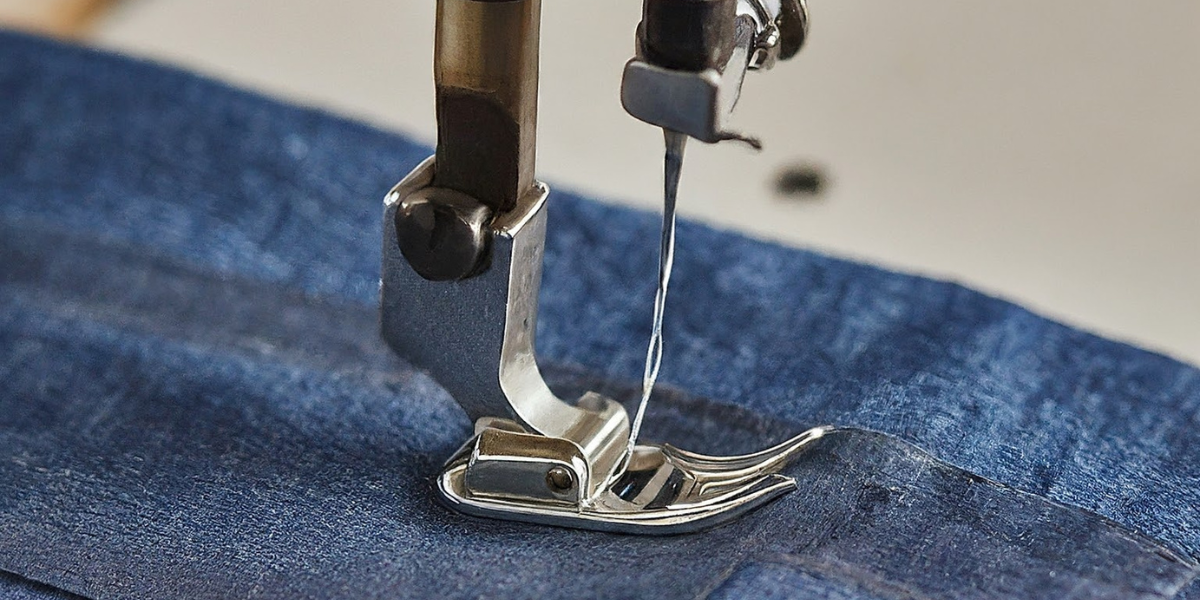
When sewing interlining, use a walking foot: This ensures even feeding of the fabric layers and prevents puckering.

Don’t be afraid to experiment! As you gain experience, you can explore different types of interlining and techniques to achieve the desired results for your projects.

Choosing Interlining Fabrics for Specific Garments:

Here are some pointers to help you select the right fusing interlining for different garment types:

Suits and Jackets: Opt for woven or heavyweight non-woven interlining for collars, lapels, and shoulders to provide structure and a crisp finish.

Coats: Use heavyweight non-woven interlining for warmth and structure. Consider a water-resistant option for raincoats.

Dresses and Skirts: Choose lightweight to medium-weight non-woven interlining to add body and improve drape without adding bulk.

Bags and Totes: Use medium-weight non-woven interlining for the body of the bag and stiffer interlining for the bottom and handles for added stability.

Fusible Interlining

Conclusion and Call to Action

The world of interlining fabrics offers a plethora of possibilities to enhance your sewing projects. By understanding the types, their uses, and the latest trends, you can transform your creations from simply well-made to truly professional garments. With a little practice and the tips above, you’ll be an interlining pro in no time!

Now, it’s your turn! Share your experiences with interlining fabrics in the comments below. What challenges have you faced? What projects have you used interlining for? Let’s create a community of sewing enthusiasts who can learn and share their knowledge with each other.

Happy Sewing!

shweta-textile-designer

Shweta, a textile designer with a keen eye and deep knowledge of fabrics, translates her passion into unique designs. She loves to share her expertise and ignite a love for textiles in others. Dive into the world of fabrics with Shweta!

Categories
Woven Interlinings

Pros and Cons of Different Interlining Fabrics: Your Guide to Garment Structure

Table of Contents

  • Decoding Interlining Fabrics – Know Your Options!
  • Choosing the Right Interlining: A Tailor’s Tips
  • Expert Hacks for Using Interlining Fabrics
  • Conclusion: Unveiling the Magic of Interlining Fabrics 

Living in Delhi, the heart of India’s vibrant fashion scene, I’m constantly surrounded by textiles. From the delicate silks of saris to the crisp cottons of kurtas, each fabric plays a crucial role in creating stunning garments. But what lurks beneath the surface, adding structure and that perfect drape? It’s the hidden world of interlining fabrics!


Today, we’ll delve into this fascinating realm, exploring the pros and cons of different interlining types. Whether you’re a seasoned tailor or a curious beginner, this guide will equip you with the knowledge to choose the perfect interlining fabric for your next sewing project. So, grab a cup of chai, settle in, and let’s unlock the secrets of interlining!

Decoding Interlining Fabrics – Know Your Options!

Interlining fabrics are like silent guardians, adding structure, stability, and a professional finish to your creations. Think of a crisp collar on a shirt, the perfect drape of a dress, or the shape of a bag – all these rely heavily on the right interlining choice. Here’s a breakdown of some common types:

Pros and Cons of Different Interlining Fabrics

Interlining TypeProsCons
WovenOffers excellent structure and stabilityCan be bulky, may limit drape
Non-wovenMore flexible, comes in various weightsMay not be as durable as woven
FusibleEasy to apply with heatRequires precise temperature control
Non-fusible (Sew-in)Provides more control during sewingRequires additional sewing time
HeavyweightIdeal for structured garments like jacketsCan add bulk and stiffness
LightweightPerfect for delicate fabricsMay not offer enough support for some projects
Water-SolubleEasy to remove after fusingMay not be as strong as traditional interlining

A Historical Perspective

The use of interlining in sewing dates back centuries. Ancient Egyptians used papyrus reeds and leather for stiffening garments. With the rise of silk and wool, natural materials like horsehair and buckram became popular interlining options. The 20th century saw the invention of non-woven fabrics, offering a wider range of interlining types with improved flexibility and breathability.

Choosing the Right Interlining A Tailor’s Tips

Now that you’re familiar with the basic types, let’s delve deeper into selecting the perfect interlining for your project. Here are some things to consider:

  • Fabric Weight and Drape: Lighter interlining works well with delicate fabrics, while heavier options are ideal for structured garments.
  • Project Requirements: Consider the desired level of structure and support for different areas of your garment (e.g., collars, pockets, waistbands).
  • Application Method: Fusible interlining (like cotton fusible interlining or polyester fusible interlining) is faster, while non-fusible interlining offers more control over placement.
  • Your Personal Preference: Experiment with different types of interlining in garments (woven, non-woven, wool interlining, canvas interlining, hair interlining) to find what works best for your sewing style.

Expert Hacks for Using Interlining Fabrics

a-look-at-interlining-fabrics

Here are some handy tips to elevate your sewing experience with interlining fabrics:


  • Pre-wash your interlining fabric: This prevents shrinkage and ensures your garment retains its shape after washing.
  • Test on a scrap fabric first: Experiment with fusing temperatures and sewing techniques on a similar material before working on your actual garment.

Conclusion: Unveiling the Magic of Interlining Fabrics

The world of interlining fabrics may seem complex at first, but with a little knowledge, you can unlock its potential and elevate your sewing projects. Remember, the perfect interlining acts as a silent partner, enhancing the structure, drape, and overall quality of your garment.


Now that you’ve explored the different types and their pros and cons, it’s time to experiment! Share your experiences with interlining fabrics in the comments below. What projects have you used them for? Did you encounter any challenges? Let’s create a supportive community of sewers who can share their knowledge and inspire each other’s creativity.


Bonus Tip: Here are some resources to delve deeper into the world of interlining fabrics:

  • Online fabric stores often provide detailed descriptions of their interlining options, including recommended uses and application methods.
  • Sewing blogs and YouTube channels offer tutorials and demonstrations on using different types of interlining fabrics.
  • Consider taking a sewing class or workshop that specifically focuses on interfacing techniques.

Happy Sewing!

Interlining

He’s a textile enthusiast with an insatiable curiosity for the world of fabrics. From the intricate weaves of traditional Indian textiles to the cutting-edge innovations in synthetic materials, Ashish devours knowledge with the same zeal he uses to experiment with sewing projects.

P.S. Stay tuned for future articles where we’ll explore specific applications of interlining fabrics in different garment types, like creating crisp collars, adding structure to bags, and achieving beautiful garment drape.

Categories
Woven Interlinings

The Role of Interlining in Specific Attire

The Role of Interlining in Specific Attire


When it comes to specific types of clothing, the role of interlining takes on a paramount significance. From suits and jackets to wedding dresses and winter coats, the right choice of interlining can elevate the quality, structure, and longevity of these garments.

In this article, we explore the unique contributions of interlining in various attire categories and how Double Ghoda Premium Interlinings can make a difference.


Interlining in Suits and Jackets


Suits and jackets epitomize timeless elegance and sophistication. The inclusion of interlining in these garments is crucial for several reasons:

Shape Retention: Interlining, especially in the lapels and collars, helps maintain the crisp, tailored appearance of suits and jackets.

Structure: It adds body and structure, preventing the fabric from collapsing or wrinkling.

Comfort: Quality interlining ensures comfort by preventing fabrics from sticking to the skin.

Double Ghoda Premium Interlinings offer a range of options suitable for suits and jackets, ensuring your creations exude class and quality.

Adding Interlining to Wedding Dresses

Wedding dresses are cherished garments that demand meticulous attention to detail. Interlining plays a significant role:

Enhancing Silhouette: Interlining helps maintain the desired shape and silhouette, especially in voluminous wedding gowns.

Comfort: It prevents itching or irritation caused by scratchy fabrics.

Durability: Quality interlining ensures that the dress retains its beauty through hours of celebration.

When crafting dreamlike wedding dresses, rely on Double Ghoda Premium Interlinings to ensure the bride’s comfort and confidence on her special day.

Interlining for Winter Coats

Winter coats are the frontline defense against the cold. The role of interlining in winter coats is crucial:

Warmth: Proper woven interlining adds insulation, keeping the wearer warm.

Wind Resistance: It prevents cold air from penetrating the fabric.
Durability: Quality interlining ensures the coat withstands harsh weather conditions.


Choose Double Ghoda Premium Interlinings for winter coats to create outerwear that offers both warmth and style.

Best Interlining for Shirt Collars

Shirt collars are an essential element of formal attire. The right interlining:

Maintains Shape: Collars stay crisp, enhancing the overall appearance.
Comfort: It prevents chafing and discomfort around the neck.
Longevity: Quality interlining ensures the collar lasts through numerous wearings and washes.

For impeccable shirt collars, rely on Double Ghoda Premium Interlinings that provide unmatched quality and comfort.

Interlining in Formalwear

Formalwear, including tuxedos and evening gowns, requires meticulous attention to detail:

Elegance: Interlining contributes to the elegance and sophistication of formal garments.

Drape: It enhances the drape of fabrics, ensuring a flattering fit.
Confidence: Quality interlining ensures the wearer feels confident and refined.


Double Ghoda Premium Interlinings cater to the discerning requirements of formalwear, making each piece a statement of sophistication.


In conclusion, the role of interlining in specific garments is undeniable. Whether it’s suits and jackets, wedding dresses, winter coats, shirt collars, or formalwear, the right choice of interlining can make a substantial difference in the quality and performance of these attire categories.

Turn to Double Ghoda Premium Interlinings for premium quality that ensures your creations stand out in terms of comfort, durability, and style.


Categories
Woven Interlinings

Introduction to Woven Interlining: Enhancing Garment Quality with Premium Materials

Introduction to Woven Interlining: Enhancing Garment Quality with Premium Materials


In the world of fashion and garment construction, the choice of materials plays a pivotal role in determining the final outcome. One such material that often takes center stage, albeit behind the scenes, is woven interlining. This unassuming yet vital component has a profound impact on the quality, structure, and durability of garments. In this article, we delve into the realm of woven interlining, emphasizing its importance in the world of fashion and the various materials available. Plus, we’ll explore how woven interlining suppliers in India, like Double Ghoda, provide premium interlinings that elevate your creations to the next level.


What is Woven Interlining?


Woven interlining  is a hidden hero in the world of garment construction. It’s a specialized fabric that is inserted between the outer fabric (known as the shell fabric) and the inner lining of a garment. The primary purpose of woven interlining  is to provide structure, shape, and support to the garment. It acts as a hidden framework that enhances the overall appearance and performance of the clothing.


Unlike its counterpart, non-woven interlining, which is made from synthetic fibers bonded together, woven interlining is created by weaving together yarns, much like traditional fabrics. This weaving process gives woven interlining a high level of stability, strength, and durability, making it an ideal choice for garments that require structure and longevity.


The Importance of Interlining in Garments


Now that we’ve established what woven interlining is, let’s dive into why it is indispensable in the world of fashion and garment design.

1. Enhancing Garment Structure

Woven interlining adds body and shape to garments, ensuring they maintain their intended silhouette. For example, a suit jacket’s lapels and collar often rely on interlining to stay crisp and in shape.

2. Improving Comfort and Feel

When done right, interlining can enhance the comfort of a garment. It prevents fabrics from sticking to the skin and aids in maintaining breathability.

3. Longevity and Durability

Interlining significantly contributes to a garment’s durability. It helps distribute stress and wear evenly, preventing premature fabric deterioration.

4. Heat and Moisture Management

In some cases, interlining can aid in heat and moisture management, making garments suitable for various climates and seasons.

Types of Interlining Materials

Woven interlining materials come in various forms, each tailored to specific garment needs. Here are some common types:

1. Cotton Interlining: Ideal for lightweight fabrics like cotton and linen, providing support without compromising drape.

2. Wool Interlining: Used for heavier fabrics, such as wool, to add structure and warmth to coats and jackets.

3. Silk Interlining: Ultra-lightweight and delicate, perfect for maintaining the luxurious feel of silk or satin garments.

4. Synthetic Interlining: Often made from polyester, these interlinings are cost-effective and suitable for a wide range of fabrics and applications.

5. Fusible Interlining: This type of interlining has adhesive on one side, allowing it to be ironed onto fabric for a secure bond.


Double Ghoda, one of the premium woven interlining suppliers in India, understands the significance of choosing the right interlining material. They offer a wide range of woven interlining options, including cotton, wool, silk, and synthetic interlinings. Their products are known for their quality and durability, making them a trusted choice among designers and garment manufacturers.

In conclusion, woven interlining may often be hidden from view, but its impact on the quality and longevity of garments is undeniable. Whether you’re crafting a bespoke suit or a delicate silk gown, choosing the right interlining material from reputable suppliers like Double Ghoda can make all the difference in ensuring your creations stand the test of time and deliver the utmost in comfort and style.

Categories
Woven Interlinings

The Ultimate Guide to Interlining: The Secret Weapon of Tailoring

The Ultimate Guide to Interlining: The Secret Weapon of Tailoring

The world of sewing might seem overwhelming at first, but with a few key elements, you can create stunning garments. One such element, often overlooked but incredibly important, is interlining fabric. Today’s post delves into the fascinating world of interlining, your secret weapon for achieving professional-looking clothes.

Introduction to Interlining

Interlining, also known as interfacing, is a hidden layer of fabric sandwiched between the outer fabric and lining of your garment. It acts like a silent supporter, providing structure, stability, and shape. From crisp collars to tailored jackets, interlining in garments plays a crucial role in achieving the desired silhouette and adding a touch of elegance.

Importance of Interlining in Garments

Here’s why interlining is a must-have in your sewing kit:

  • Structure and Support: Interlining provides essential support for areas like collars, cuffs, waistbands, and buttonholes, preventing them from sagging or losing shape.
  • Enhanced Fit: It helps garments drape beautifully and conform to the body’s curves, creating a polished and tailored look.
  • Durability: Interlining reinforces fabrics, making them more resistant to wear and tear, especially for delicate or lightweight materials.
  • Professional Finish: The right interlining elevates the overall look and feel of your garment, giving it a professional and polished finish.
Types of Interlining

The world of interlining offers a variety of options to suit different needs. Here’s a breakdown of the most common types:

  • Woven Interlining: Made from woven fibers like cotton or wool, woven interlining fabric offers a natural feel and moderate weight. It’s perfect for structured jackets, collars, and cuffs
  • Non-Woven Interlining: This versatile interlining comes in various weights and textures, from lightweight fusible interlining web to heavyweight stabilizer.non woven interlining fabricis ideal for a wide range of applications, from adding body to shirt fronts to creating structured bags
  • Knit Interlining: Offering a soft and flexible drape, knit interlining is perfect for garments that require some give, like jackets with soft shoulders.
  • Fusible Interlining: This interlining fabric has a heat-activated adhesive layer that bonds with the fabric when ironed. It’s convenient for beginners and ideal for areas that need a crisp finish, like collars and pockets
  • Specialty Interlinings: There’s a world of specialty interlinings available, from heavyweight hair canvas for tailored coats to mesh interlining for breathable garments.

How to Choose the Right Interlining for Your Project

Choosing the right interlining depends on several factors:

  • Fabric Weight: Lighter fabrics require lightweight interlining, while heavier fabrics need more support.
  • Desired Effect: Do you want a crisp structure or a softer drape? Choose your interlining type accordingly.
  • Garment Area: Collars and cuffs need a different type of interlining than shirt fronts or bag straps
Tips for Working with Interlining

Pre-wash your interlining to avoid shrinkage after attaching it to your fabric.

Experiment with different weights and types on scrap fabric to find the perfect match for your project.

Fuse interlining carefully, following the manufacturer’s instructions to avoid scorching your fabric (fusing interlining).
Use sewing clips instead of pins to prevent snags and damage to the interlining non woven or woven.

Conclusion

Interlining might be a hidden element, but its role in garment construction is undeniable. By understanding the different types of interlining woven interlining fabric and non woven interlining fabric and choosing the right one for your project, you can elevate your sewing skills and create garments that look and feel truly professional. So, the next time you start a sewing project, don’t underestimate the power of interlining – it’s the secret weapon for achieving that perfect tailored look!

Ready to elevate your sewing projects withhigh-quality, premium interlinings? Mumbai boasts a variety of reliable suppliers, manufacturers, and stockists to cater to your needs. Here’s a quick starting point for your search:

  • Explore online directories like Justdial, sulekha to find a list of interlining suppliers in Mumbai.
  • Research local manufacturers like doubleghoda Interlining, known for their high-quality interlining products.
Categories
Woven Interlinings

Choosing the Right Woven Interlining: Key Factors

Choosing the Right Woven Interlining: Key Factors to Consider


Table of Contents


When it comes to enhancing the structure, durability, and overall quality of garments, choosing the right woven interlining is crucial. Woven interlining suppliers in India offer a wide array of options to cater to various fabric types and garment needs. However, making an informed choice can be daunting. In this article, we will explore the key factors you should consider when selecting woven interlining to ensure that your garments meet the desired standards of quality and aesthetics.

1. Understanding Woven Interlining:
Before delving into the selection process, let’s clarify what woven interlining is. Woven interlining is a fabric layer inserted between the main fabric and the lining of a garment. Its primary purpose is to provide structure, shape, and support. This reinforcement is crucial, particularly for lightweight and delicate fabrics.

2. Matching Interlining to Fabric Types:
The first step in selecting the right woven interlining is matching it to the specific fabric type you are working with. Different fabrics have different characteristics, and choosing an interlining that complements your fabric is essential for achieving the desired results. Here are some common fabric types and their corresponding interlining needs:

  1. Cotton and Linen: These natural fibers often require lightweight, breathable interlining to maintain their softness and drape.
  2. Silk and Satin: Delicate fabrics benefit from ultra-lightweight interlining to maintain their luxurious feel.
  3. Wool: For heavier fabrics like wool, a medium to heavyweight woven interlining may be necessary to provide structure and warmth.

3. Weight and Thickness Considerations:
The weight and thickness of the interlining are critical factors to assess. Woven interlinings come in various weights, typically measured in grams per square meter (GSM). Consider the following:

  1. Lightweight Interlining (20-60 GSM): Ideal for lightweight fabrics and summer garments.
  2. Mediumweight Interlining (60-100 GSM): Suitable for most general-purpose applications.
  3. Heavyweight Interlining (100+ GSM): Reserved for heavy fabrics and outerwear.

The thickness of the interlining also affects the final look and feel of the garment. Thicker interlining provide more structure but can make the fabric feel stiffer.

4. Cost vs. Quality:
Balancing cost and quality is always a consideration. While it’s tempting to opt for the most budget-friendly option, investing in higher-quality woven interlining can lead to better results in terms of durability and the overall appearance of your garments. Quality interlinings are less likely to bubble, pucker, or deteriorate over time, ensuring that your creations stand the test of time.

5. Woven Interlining Suppliers in India:
In India, you have access to a diverse range of woven interlining suppliers. To make an informed choice, research various suppliers, read customer reviews, and inquire about sample swatches. Don’t hesitate to ask for recommendations from fellow garment makers or designers who have experience working with interlining.


In conclusion, choosing the right woven interlining involves considering fabric type, weight, thickness, and the balance between cost and quality. By understanding these key factors and researching reputable woven interlining suppliers in India, you can elevate your garment-making projects to a whole new level of craftsmanship. Whether you’re a seasoned tailor or a budding fashion designer, selecting the right interlining is a crucial step in achieving the perfect finish for your garments.

Categories
Woven Interlinings

All You Need to Know About Woven Interlinings

All You Need to Know About Woven Interlinings 


In textile manufacturing industries, interlining is a very common term. Interlining is nothing but binding two fabrics into a single unit that supports the manufactured piece of clothing. Depending on the outlook and usability of the manufactured item, the various woven interlining fabrics in use are cotton, silk, rayon, viscose, etc.

Know the concept

Fusion interlining has varied types of interlining processes, among which woven interlining is a variant. Here the underlining layer uses the materials made of 100% polyester woven fabric, blended materials or cotton made fabric. The materials in use are soft compared to the non-woven fabrics, and in most cases, they are also better in providing flexibility to the piece of apparel.

Key characteristics

The applications of woven interlining are more than non-woven for the various advantages of the texture of the used fabrics that brings better usability to the manufactured item. Using the woven fabric materials, you can make it malleable yet provide stability to the clothing. Go through the following to understand the properties better.

  1. Softer: The interlinings made of woven fabrics provide a soft feel to the piece of clothing that is not present with the non-woven ones. You will feel the softness, but at the same time, there is a stiffness to it that rightfully serves the purpose of the manufacturer. For this, it is more popular with apparel interlining for the sheer advantage of comfort and softness.
  1. Better stretch: As the fabric in use is a non-rigid one; it gives a better stretching advantage over the non-woven materials. The key feature of woven fabrics is better stretching under demanding conditions that increases comfort. It also helps in increasing the durability of the manufactured product in hindsight.
  1. Eco-friendly: Another reason behind the growing popularity of this type, especially in the fashion industries, is the capability of being environment friendly. Using cotton made fabrics and other naturally degradable materials help in making them nature friendly, unlike the non-woven ones with non-recyclable and artificial components.
  1. Lightweight: Interlinings made of woven fabrics are light in weight. For this, they are very popular in garment manufacturing, where they use this lining in various parts of the clothes without making them heavyweight. It can keep the manufactured item stiff and structured in a seamless way. 
  • Better bonding strength: The woven texture not only provides better flexibility but also generates better bond strength. The property of stretching of it helps in making the fusing bond stronger. It ensures lower risks of tearing and lesser damage as flexibility adds to the strength intake power of the manufactured item.

Using benefits

Interlining is a popular practice with garment manufacturers and those who require fabrics to develop other products like bags and luggage-making industries. In many cases, these work fields use woven fusion interlinings to make their product more durable and stable to damages. Look at the following to get an idea of the benefits of using it.

  1. Prevent creasing: Creases are a primary concern for the garment industries. Creased apparel is not attractive to look at and wear. For this, they use woven interlinings that help in preventing the outer crease of the cloth. Incorporating an extra layer inside helps maintain the rigidity of the outer fabric in the display. Woven materials being soft, also maintains comfort along with serving the purpose.
  1. Adding structure: In embroidery cases on the outer surface of the cloth or any manufactured object, it is better to have a stable structure underneath. Interlining helps in bringing a structure to the texture upon which any design properly fit. Also, in cases of delicate outer layers like organza or silk, it helps in adding a body with a firm layer inside.
  1. Adding density: By combining woven fabrics beneath the outer layer of clothing, it helps in bringing density to the entire apparel. Also, the fitting gets better when the garment has a better density that can sit right on the body. Many manufacturers also add extra layers or paddings that go inside the woven interlinings to hold better.

Summing up

Woven interlinings have distinct uses in the various work fields, and there are many ways to modify the used fabric. For providing better softness and malleability, woven interlinings are the best choice.