
A bulk order that looks fine on paper can still cause trouble on the cutting table. Shade variation between rolls is one of the most common, and most preventable, problems in wholesale interlining supply. Here’s what shade consistency means, why it slips between batches, and what to check before you sign off on a large order.
Table of Contents
- Why Shade Variation Happens Between Batches
- What a Mismatched Batch Does to the Finished Garment
- What to Check Before You Accept a Bulk Order
- How Double Ghoda Keeps Shade Consistent Across Bulk Rolls
- FAQs on Interlining Fabric Shade Consistency
Why Shade Variation Happens Between Batches
Dye lot variation, roll-to-roll cutting differences, and storage conditions are the three main causes.
Dye lot variation is the biggest driver. Every dye bath run by a mill produces a slightly different depth of shade, even when the recipe on paper is identical. If two rolls of fusible interlining are drawn from different dye lots, even from the same supplier, on the same order, a visible colour difference is possible. This is a known, expected variable in textile dyeing, not a defect unique to any one factory.
Roll-to-roll variation can also show up within a single dye lot, usually from uneven dye penetration at the edges of a batch, or from rolls stored at different points in a warehouse for different lengths of time. Rolls cut from the start of a dye run and rolls cut from the end of the same run can carry a very slight difference in depth of shade, even though both are technically from one lot, this is why checking a few rolls from across a delivery matters more than checking just one.
Storage conditions matter more than most buyers assume. Rolls kept near heat, direct sunlight or high humidity for extended periods can shift tone slightly compared to rolls stored under stable, dry conditions. This is why roll to roll consistency depends as much on how a supplier stores stock as on how it was dyed.
None of this means bulk interlining sourcing is unreliable. It means shade needs to be checked as a routine step, not assumed.
There’s also a practical, unavoidable factor: base fabric and yarn can carry small batch-to-batch differences even before dyeing starts, which affects how evenly a dye lot takes colour. Mills manage this with shade-band tolerances, but a tolerance band still allows for some visible movement between the lightest and darkest roll in a run. A buyer who understands this treats shade checking as normal trade practice, not a sign something has gone wrong.
Coating can play a secondary role too. On woven grades with a PA double-dot finish, the coating itself doesn’t usually shift base shade, but a heavier or uneven coat can slightly change how light reflects off the surface, which sometimes reads as a tone difference even when the underlying dye lot is identical. It’s worth ruling this out before assuming a shade issue is a dyeing problem.
What a Mismatched Batch Does to the Finished Garment
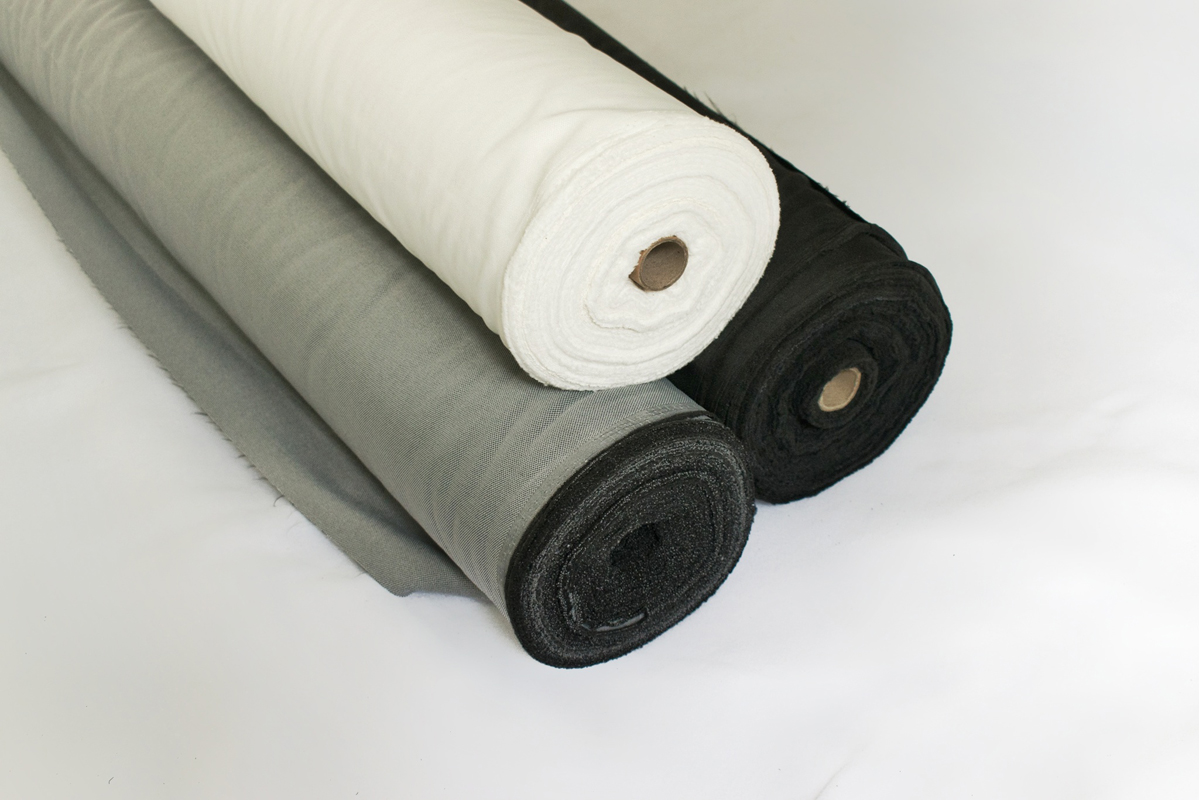
It shows up as visible shade lines, uneven fronts, and rejected pieces, after the fusing is already done.
A visible shade line under the lining of a sherwani front is the classic failure point. Buyers rarely spot it before pressing, and by the time the fusing cloth is bonded to the fashion fabric, the panel can’t be swapped without unpicking the whole front.
On blazers and suit jackets, a mismatched roll usually surfaces as one front panel reading slightly warmer or cooler than the other, visible mainly under bright showroom or daylight conditions, exactly where a finished garment gets inspected before it ships.
The downstream cost is what makes this expensive. A mismatched batch means reworked panels, delayed dispatch, and in the worst case, a full reject of finished pieces that already carry labour cost. For a factory running hundreds of pieces through cutting and fusing tables in a day, catching the issue at the roll stage is far cheaper than catching it at the finishing stage.
There’s a quieter cost too, buyer trust. A wholesale brand that receives even a small number of pieces with a visible shade issue tends to inspect the next order more closely, which slows down approvals and payment cycles on future purchase orders. For a factory supplying formal-wear brands at scale, a clean shade record across deliveries is part of what keeps repeat orders moving without added scrutiny.
Rework itself isn’t always straightforward either. Once a panel is fused, separating the base fabric from the interlining without damaging either layer is difficult and often not worth attempting, most factories simply cut a fresh panel from correctly matched material and treat the mismatched piece as waste. That waste includes the fashion fabric, not just the interlining, which is why the real cost of a shade issue is usually higher than the price of the roll that caused it.
What to Check Before You Accept a Bulk Order
Check rolls against a reference sample, under real light, across the full pallet, not just the top roll.
Use this as a quick pre-acceptance checklist:
- Ask for the dye lot or batch reference on the delivery note, and confirm it matches your approved sample.
- Compare against a physical reference swatch, not a photo or screen image, screens don’t render shade accurately.
- Check under two light sources, daylight and a warm indoor light, since some shade differences only show under specific lighting (a known phenomenon called metamerism).
- Inspect rolls from different points in the pallet, not just the top one. A shade shift can appear midway through a delivery.
- Unroll a length from each roll, not just the outer wrap, since the outside of a roll can weather differently in storage than the inside.
- Reorder against the previous lot when repeating a quality, request written confirmation that the new delivery is matched to your last approved batch, not just the same GSM and colour name.
- Keep a physical swatch library of past approved batches on file at the factory, so intake staff have something fixed to compare against instead of relying on memory.
- Flag issues before cutting starts, not after. A shade concern raised at intake can usually be resolved with the supplier before production begins; one raised after fusing rarely can.
This matters most for factories sourcing interlining fabric wholesale for repeat production, where every reorder has to match the last one already on the cutting table. A basic quality check at intake, done consistently, catches most shade issues before they reach the fusing press.
None of these checks need special equipment. A trained intake person, a reference swatch and two light sources cover most of what a factory needs to catch a shade problem before it reaches production. The habit matters more than the tooling, factories that skip this step under time pressure are the ones most likely to discover a mismatch late.
How Double Ghoda Keeps Shade Consistent Across Bulk Rolls
Batch-to-batch consistency is built into how we supply woven and non-woven interlining: uniform GSM, hand-feel and shrinkage across every delivery, so when you reorder the same quality lot, you get the same product performance every time.
Every roll of body fusing is measured and verified before dispatch on our end, which removes the short-metre problem that causes real production losses across this trade, a separate issue from shade, but one we check at the same intake stage.
For sherwani-scale orders, our 111 quality (140 GSM) remains the flagship fusing cloth grade, the one Surat buyers ask us for by name for full-front construction on heavy ethnic formal wear.
All our woven interlining fabric is OEKO-TEX Standard 100 certified and held in ready stock at our Bhiwandi, Maharashtra warehouse, with regular dispatch to Surat, Delhi, Ludhiana, Kolkata and Chandigarh. If you’re reordering, referencing your previous quality and quantity when you contact us helps us match the new roll to what’s already on your factory floor.
Ready stock also works in your favour on shade. Rolls that move faster through our warehouse spend less time in storage before dispatch, which limits the window for the kind of storage-related tone shift we covered earlier. If you’re placing repeat wholesale orders through the season, that turnover is as much a part of consistent supply as the GSM and coating specification on the roll itself.
FAQs on Interlining Fabric Shade Consistency
Can shade variation happen even within the same dye lot?
Yes, though less often. Uneven dye uptake at roll edges, or rolls stored under different conditions after dyeing, can produce a slight tone shift within one lot. It’s less common than lot-to-lot variation but worth checking for on large orders.
Does storage time affect the shade of a fusing roll?
Yes. Rolls held for long periods, especially near heat or direct light, can shift tone slightly compared to fresher stock from the same original dye batch. This is one reason ready-stock suppliers with fast turnover tend to show less variation.
Is a small shade difference always a defect?
Not always. Minor differences that are only visible under close, direct comparison may fall within normal trade tolerance. The problem is variation visible under standard inspection conditions or on the finished, pressed garment.
Should I request a batch reference on every bulk order?
Yes, particularly for repeat orders. A batch or dye lot reference lets you confirm a new delivery matches your last approved roll, rather than relying on the GSM and colour name alone.
Who should check for shade consistency at the factory, cutting staff or quality control?
Ideally quality control, at intake, before the roll reaches the cutting table. Cutting staff are focused on panel layout and yield, not shade comparison, so a mismatch is more likely to be caught early when a dedicated intake check is part of the process rather than left to whoever handles the roll first.
Link of related Articles
- Lightweight Interlining vs. Heavyweight Interlining
- A Beginner’s Guide to Interlining
- Choosing the Right Interlining