
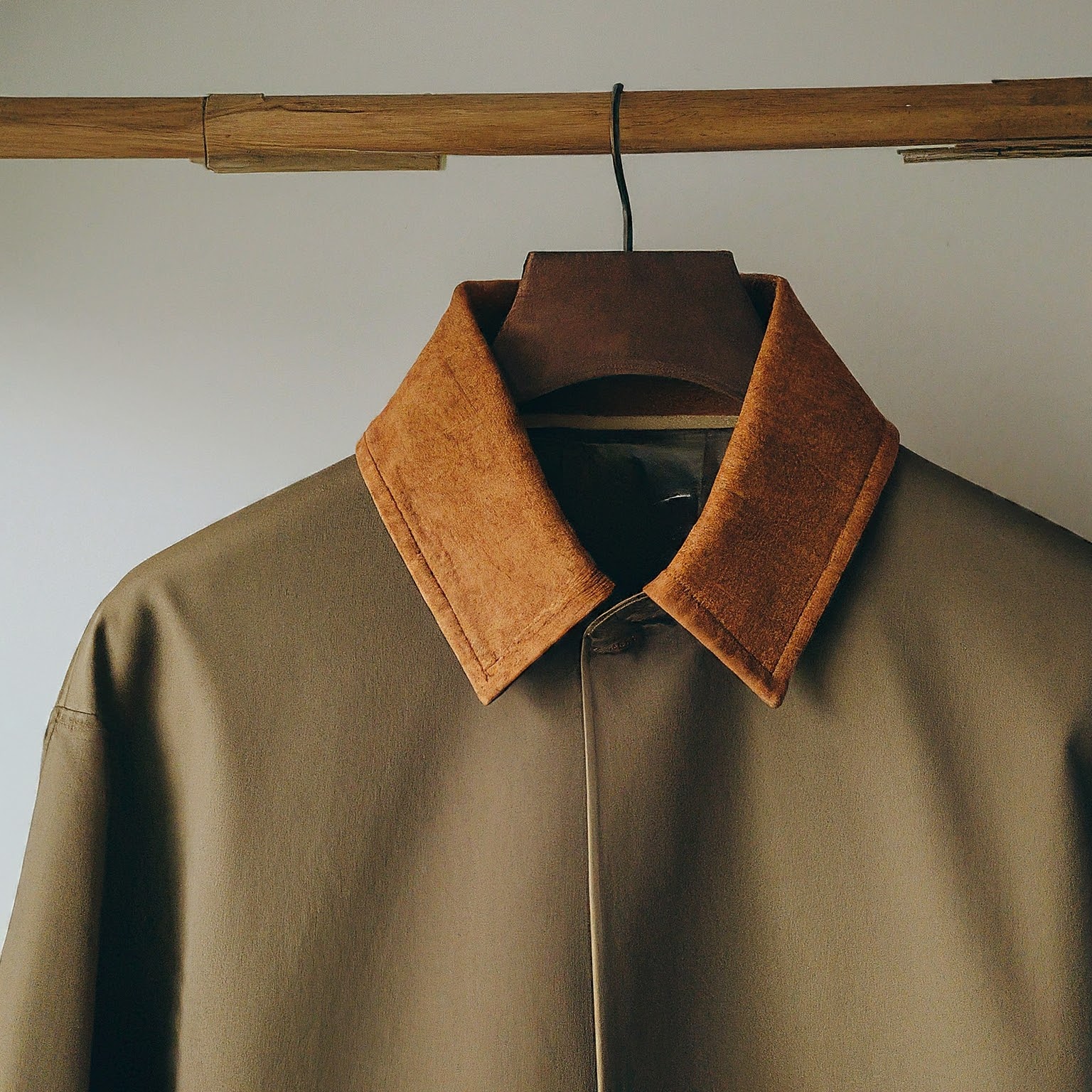
A collar that curls after one wash. A cuff that goes limp by lunchtime. If you manufacture shirts, jackets or lighter formal wear, you already know these small failures come from one place, the interlining underneath, not the outer fabric. For collars, cuffs and plackets, interlining is almost always non-woven.
At Double Ghoda, we supply non woven fusible interlining wholesale to garment factories across Surat and North India. In this article, we’ll break down exactly how it improves collar and cuff construction, how it compares to woven interlining, and what to check before you place a bulk order.
Table of Contents
- What Is Non Woven Interlining Fabric and How It Works
- Why Non Woven Fusible Interlining Is Ideal for Collars and Cuffs
- Non Woven vs Woven Interlining — Choosing the Right One for Small Parts
- Key Properties That Improve Collar and Cuff Construction
- GSM and Coating Specs to Check Before You Order
- How to Source Reliable Non Woven Interlining Fabric Wholesale
What Is Non Woven Interlining Fabric and How It Works
Non woven interlining fabric is made by bonding polyester fibres together rather than weaving them into yarns. One side carries a thermoplastic adhesive, usually applied in a double-dot or paste-dot pattern. When you press it against your fashion fabric with heat and pressure, that adhesive melts and creates a permanent bond between the two layers.
This is different from woven fusible interlining, which uses true woven yarns and is built for full-front body fusing on suits and sherwanis. Non woven interlining, by contrast, is designed for exactly the parts where you don’t need that much structural weight, collars, cuffs, plackets and other smaller garment components.
Here’s what you should know before sourcing it:
- Non woven fusible interlining is made from 100% polyester fibres, bonded and coated with adhesive
- It typically runs 30–82 GSM, lighter than most woven grades
- It’s suitable for all types of garments, not just shirts, jacket fronts, ladies’ wear and small parts across categories
- It comes in white, black and charcoal, covering most standard collar and cuff requirements
For any factory running shirt production or lighter formal wear alongside heavier suiting lines, non woven interlining fabric is the piece that keeps your collars sharp without adding unnecessary bulk.
It’s worth understanding why the bonded-fibre construction works so well here. Because the fibres run in multiple directions rather than a fixed weave pattern, non woven interlining fabric behaves more predictably when it’s cut on the bias or curved, exactly what a collar point or a rounded cuff edge requires. A woven base can fray or distort slightly when cut at an angle; a non woven base holds its edge cleanly, which is one reason it remains the standard choice for collar and cuff work across the shirt manufacturing trade.
Why Non Woven Fusible Interlining Is Ideal for Collars and Cuffs
Collars and cuffs have a different job than a suit front. They need to hold a crisp line, resist curling, and move comfortably with the wearer, not stand rigid like a structured jacket panel. This is exactly what non-woven fusible interlining is engineered to deliver.
Here’s how it improves collar and cuff construction specifically:
- Crisp, clean edges. A properly fused non woven interlining keeps the collar point sharp and the cuff edge straight, wash after wash.
- Good elasticity. Unlike a stiff woven base, it has enough give to move with the fabric, which matters on parts of the garment that flex constantly.
- Lightweight feel. Collars and cuffs shouldn’t feel heavy against the neck or wrist. It adds structure without unnecessary bulk.
- Dimensional stability after washing. A high-quality interlining resists shrinking or distorting differently than the shirt fabric around it, helping collars retain their shape wash after wash.
- Faster, more even fusing on small parts. Since collar and cuff panels are relatively small, achieving a consistent bond across the entire piece is more important than maximum strength, making this type of interlining a reliable choice.
If you’ve ever had a batch of shirts come back with collars that look tired after a few washes, the interlining is usually the first place to check, not the shirting fabric itself.
This is also where a lot of quality complaints trace back to a mismatch rather than a defect. A collar interlining that felt fine on the cutting table can behave very differently once it’s gone through a customer’s washing machine a dozen times. Checking dimensional stability and adhesive coverage before you commit to a bulk order saves you from discovering this problem after the garments are already in the market.
Non Woven vs Woven Interlining — Choosing the Right One for Small Parts
This is one of the most common sourcing questions we hear from shirt and jacket manufacturers, and the answer comes down to which part of the garment you’re fusing and what job it needs to do.
Non woven interlining is the right call when you need:
- Collars, cuffs and shirt plackets
- Lighter garments where full structural rigidity isn’t required
- A softer hand-feel that moves with the fabric
- A more economical option for high-volume, lower-weight garment parts
Woven interlining is the better choice when you need:
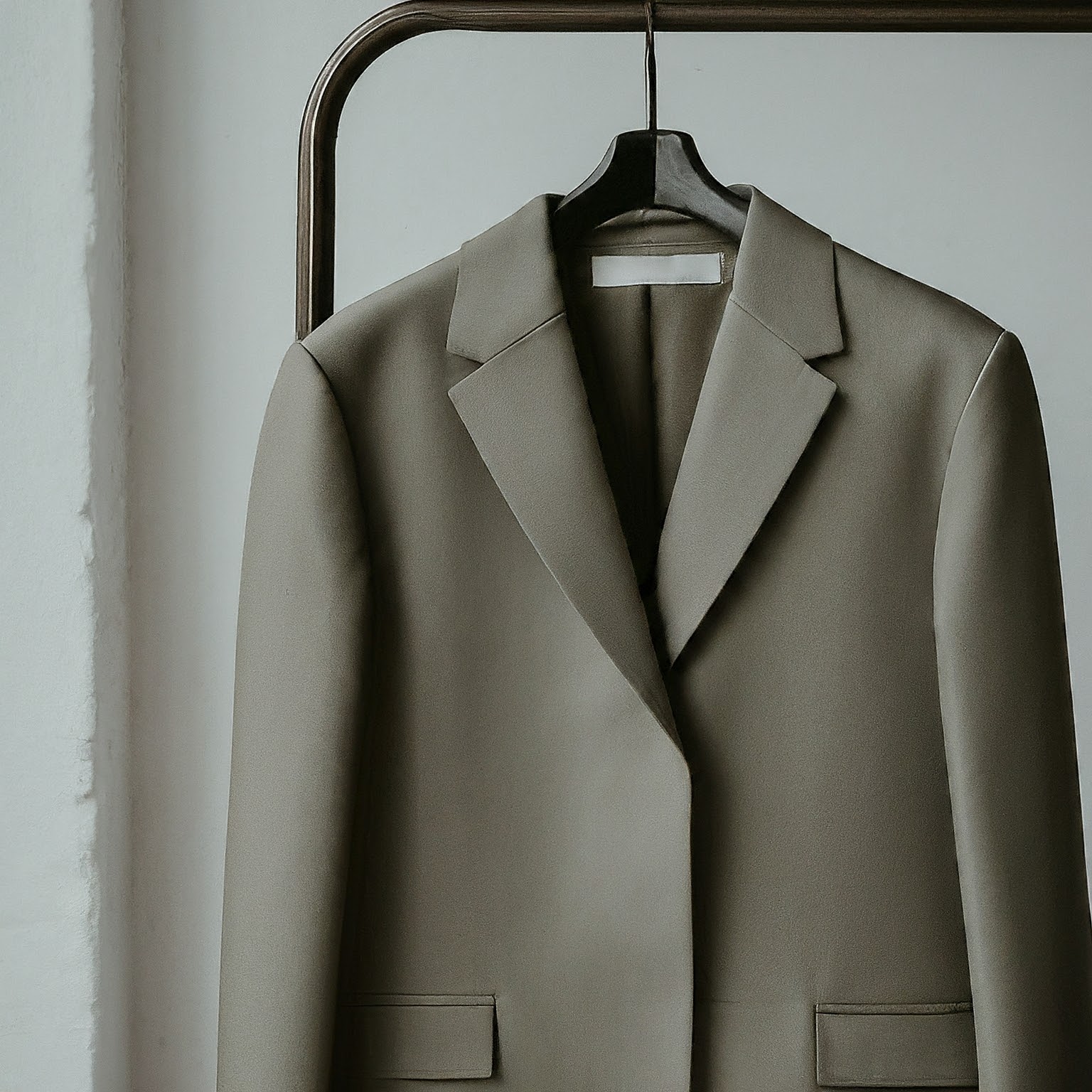
- Full-front body fusing for suits, blazers and sherwanis
- High tensile and tear strength for structural, load-bearing panels
- Heavier GSM grades for ethnic formal wear
Most factories producing a mixed range, shirts alongside suits, or blazers alongside lighter formal wear, order both. Non woven interlining fabric handles the collars and cuffs; woven interlining handles the body. The mistake to avoid is going the other way: using a heavy woven base on a shirt collar makes it stiff and uncomfortable, while using non woven on a suit front leaves the garment under-structured. Matching the right interlining to the right garment part is what keeps both your production cost and your finished quality in balance.
A simple way to think about it on the cutting floor: if a panel needs to hold its shape under load or repeated stress, reach for woven. If a panel needs to hold a clean edge while still flexing comfortably with the wearer, non woven interlining is almost always the better fit, and usually the more cost-efficient one too, since it’s priced lower than woven at comparable GSM.
Key Properties That Improve Collar and Cuff Construction
If you’re comparing suppliers, these are the properties that actually separate a good non woven fusible interlining from an average one:
- Consistent adhesive coverage. Double-dot or well-applied paste-dot coating means the bond holds evenly across the whole collar or cuff panel, not just at the edges.
- Good resistance and dimensional stability after washing. This is the property that keeps a collar from puckering or shrinking unevenly relative to the shirt fabric around it.
- Soft handle after fusing. A non woven interlining that stays soft to the touch once fused makes for a more comfortable finished garment, especially against the neck.
- OEKO-TEX® Standard 100 certification. Relevant for factories supplying export-oriented brands, where certified, tested fabric is often a buyer requirement.
- Consistent batch-to-batch quality. If GSM or coating varies from roll to roll, your collars will vary too, and that inconsistency is the kind of thing quality control teams catch quickly.
These are also the properties worth checking with a simple fuse test before committing to a bulk order: press a small sample at the recommended temperature and time, let it cool, and check the bond by hand. A properly coated non woven interlining shouldn’t lift or bubble at the edges.
GSM and Coating Specs to Check Before You Order
GSM and coating type are the two specs that decide how your non woven interlining will actually perform once it’s fused into a collar or cuff. Here’s a quick reference:
| Spec | What to Check |
| GSM range | 30–82 GSM, matched to fabric weight and garment type |
| Coating | Paste-dot or double-dot PES adhesive |
| Width | 100 cm (40 inch) standard |
| Fusing temperature | Up to 120°C |
| Pressure | 0.8–2.0 kg/cm² on flatbed presses |
| Fusing time | 12–18 seconds depending on press type |
| Care | Washing at 40°C and dry-cleaning safe |
| Certification | OEKO-TEX® Standard 100 |
Lighter GSM grades, around 30–45, suit fine shirting fabrics and ladies’ wear where you want minimal added bulk. Mid-range grades, 50–65 GSM, are the standard choice for most formal shirt collars and cuffs. Heavier non woven grades, up to 82 GSM, work for jacket fronts and small parts on slightly heavier garments where you still don’t need a full woven base.
As with any fusible interlining, matching GSM too light leaves the collar floppy, while going too heavy makes it stiff and uncomfortable. The goal is a collar that holds its shape without feeling like cardboard against the skin.

How to Source Reliable Non Woven Interlining Fabric Wholesale
Once you know the specs your collars and cuffs need, sourcing consistently is the next step. Here’s what to check before committing to a bulk order:
- Accurate roll lengths. Non woven interlining is typically supplied in longer rolls than woven, confirm actual metreage before dispatch.
- Consistent coating across batches. A supplier who varies coating weight or pattern from delivery to delivery will give you inconsistent collar quality across production runs.
- The right GSM range in stock. A supplier who only carries one or two GSM grades limits your ability to match interlining precisely to different fabric weights.
- OEKO-TEX® certification, especially if any part of your production is export-facing.
- Fast dispatch to your city. Surat, Ludhiana, Delhi, Chandigarh and Kolkata all need different lead times depending on where your supplier holds stock.
At Double Ghoda, non woven fusible interlining is one of our core product lines, supplied alongside our woven interlining and polyester lining ranges. We stock the full 30–82 GSM range in white, black and charcoal, with ready stock held at our Bhiwandi, Maharashtra warehouse for fast dispatch across Gujarat and North India. Whether you’re fusing shirt collars, jacket fronts or ladies’ wear panels, our non woven interlining fabric is built for consistent, dependable results batch after batch.
If your production line needs non woven interlining that keeps your collars and cuffs crisp through every wash, get in touch with us on WhatsApp or through our enquiry form. Tell us your GSM, colour and quantity, and we’ll send a written quotation within the hour.
Link of related Articles
- Lightweight Interlining vs. Heavyweight Interlining
- A Beginner’s Guide to Interlining
- Choosing the Right Interlining