
Every suit you send out the factory door is judged on more than the outer fabric. Buyers check the drape, the shoulder, the way the front sits when the jacket is buttoned, and every one of those depends on the interlining underneath, not just the fashion fabric on top.
At Double Ghoda, we’ve spent over a decade supplying interlining for suit manufacturer applications across Surat and North India. In this article, we’ll explain why premium interlining matters so much for suit production, what separates a reliable supplier from an average one, and how to source it without the guesswork.
This isn’t a small category of the garment trade. Suit manufacturing in India spans everything from Indian-cut formal suits to heavily structured sherwanis and bandgalas, and each of these relies on interlining choices made long before the first stitch goes into the fashion fabric. Getting those choices right at the sourcing stage is what separates factories that reorder from the same supplier for years from those that keep switching after every production run.
Table of Contents
- What Premium Interlining Actually Means for Suit Production
- Why the Right Interlining Fabric Manufacturer in India Matters
- What to Look for in Fusible Interlining Suppliers
- How Premium Interlining Reduces Rejects and Improves Suit Quality
- Sourcing Fusible Interlining Wholesale India — What Buyers Should Know
- Why Double Ghoda Is Built for Suit Manufacturer Applications
What Premium Interlining Actually Means for Suit Production
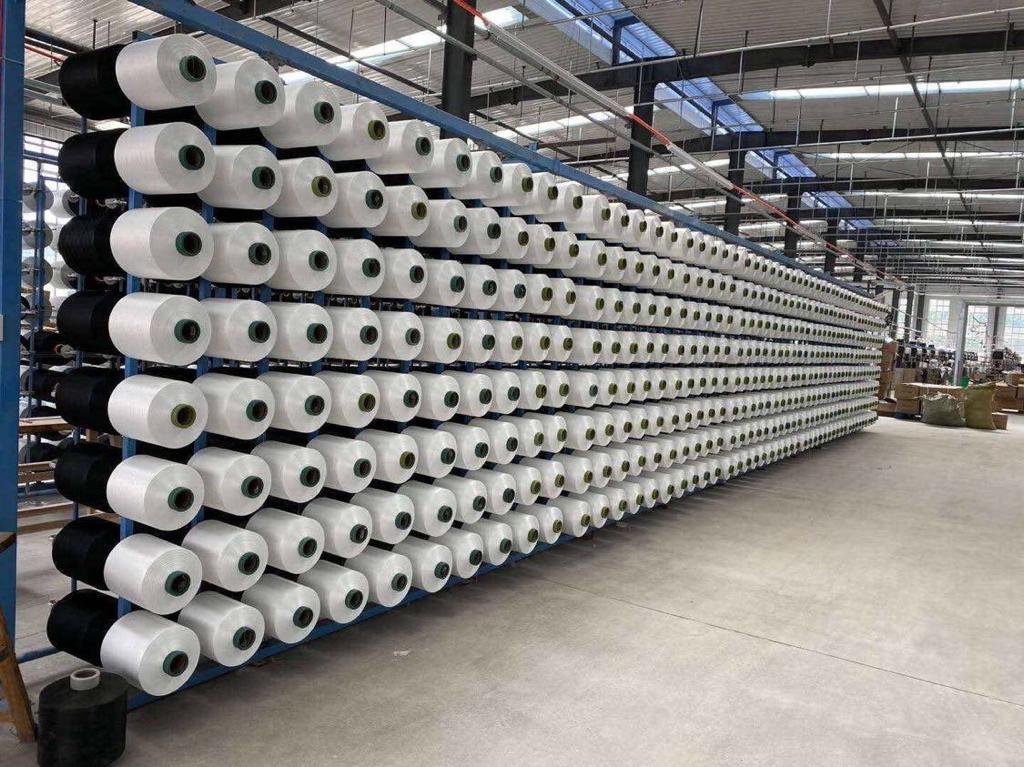
“Premium” isn’t a marketing word here, it’s a specific, checkable set of properties that decide how a suit performs from the day it’s fused to the day it’s dry-cleaned for the tenth time.
For interlining used in suit manufacturer applications, premium means:
- Consistent GSM across every roll, so the chest, front and collar all fuse to the same specification batch after batch
- Strong, even adhesive coating that bonds fully without leaving weak spots that bubble or lift later
- Controlled shrinkage, so the finished suit holds its measurements after cleaning
- A soft handle after fusing, so the interlining adds structure without making the fabric feel stiff or lifeless
- Shape and stiffness retention through repeated wear, movement and dry cleaning cycles
You won’t see any of this on the outside of the finished garment. But you’ll feel it in how the suit sits on a hanger, how the shoulder holds its line, and how the front panel resists collapsing after a few wears. Premium interlining is the difference between a suit that looks tailored and one that looks like it was thrown together, even when the outer fabric is identical.
For anyone sourcing interlining for suit manufacturer applications specifically, it’s worth remembering that this layer works alongside the rest of your internal construction, shoulder pads, chest pieces, sleeve heads, to build the complete structure of a formal jacket. Interlining sets the foundation; the accessories layered on top hold that foundation in place through the wearer’s movement. Getting the interlining spec right first makes every other structural decision downstream easier to get right too.
Why the Right Interlining Fabric Manufacturer in India Matters
India’s suit manufacturing trade has requirements that differ meaningfully from international markets. Indian buyers, especially across Gujarat and North India, consistently order heavier GSM interlining than Western suit manufacturers do, because ethnic formal wear and Indian-cut suits both call for a fuller, firmer silhouette.
This is exactly why working with an interlining fabric manufacturer in India, rather than a generic global supplier, makes a practical difference:
- They understand Indian GSM preferences. A 100+ GSM range that Indian suit and sherwani manufacturers actually need, rather than a catalogue built for lighter international garments
- They stock trade-recognised grades. Names like 111 quality (140 GSM) are understood instantly across Surat’s garment trade, a benefit you lose with a supplier unfamiliar with local terminology
- They ship faster within India. Domestic dispatch to Surat, Ludhiana, Delhi, Chandigarh and Kolkata takes days, not weeks, compared to importing from an overseas supplier
- They can hold ready stock matched to seasonal demand. Wedding season alone drives a significant spike in sherwani and suit fusing orders across North India
If you’re manufacturing suits at scale for the Indian ethnic and formal wear market, a supplier who understands this market specifically will consistently serve you better than one treating India as just another export destination.
There’s also a practical sourcing advantage to working with an interlining fabric manufacturer India-based factories can call directly. Communication is faster when your supplier’s technical team speaks the same trade language you do, GSM, ligne, dot coating, hand-feel, without needing every spec explained from scratch. That familiarity translates into fewer miscommunications on bulk orders and faster resolution if a batch needs adjustment.
What to Look for in Fusible Interlining Suppliers
Not all fusible interlining suppliers operate at the same standard, and the difference shows up in your production line long before it shows up in a customer complaint. Here’s what to check before you commit to a bulk order:
- Accurate roll lengths. Short metres are a common problem in this trade and directly disrupt your cutting plan and production schedule.
- PA double-dot coating as standard, not an optional upgrade you pay extra for. This is what determines bonding strength and resistance to delamination.
- A genuine GSM range, particularly 100–150 GSM for suits, blazers and sherwanis, since many generic suppliers don’t carry these grades consistently.
- Batch-to-batch consistency in GSM, hand-feel and shrinkage, so your reorders match your first order exactly.
- OEKO-TEX® Standard 100 certification, especially relevant if any part of your production is export-facing.
- Transparent, written quotations with per-metre pricing rather than vague verbal estimates that shift once you place a bulk order.
A supplier who checks all of these boxes isn’t necessarily the cheapest option on paper, but they’re usually the one who saves you money over a full production cycle, once you factor in fewer rejects and fewer reorders caused by inconsistent quality.
How Premium Interlining Reduces Rejects and Improves Suit Quality
The cost of interlining looks small on a per-metre basis. But its impact on your production economics is much bigger than the price tag suggests.
Here’s how premium interlining directly affects your bottom line:
- Fewer rejects at quality control. Consistent GSM and coating mean fewer panels failing inspection after fusing, which saves both fabric and labour cost.
- Fewer customer returns. A suit that delaminates or loses shape after a few dry cleans comes back to you as a return, a replacement cost, and a dent in buyer trust.
- Faster production throughput. PA double-dot coating fuses faster and more evenly, which means less time spent re-pressing panels that didn’t bond correctly the first time.
- Consistent finished garments across a production run. If your interlining varies from roll to roll, your suits will vary too, and buyers reordering the same style expect the same result every time.
- Stronger buyer relationships. Wholesalers and brands that order suits from you repeatedly are, in effect, evaluating your interlining supplier’s consistency as much as your own tailoring.
None of this shows up as a line item on your cost sheet, but it shows up clearly in your margins and your reorder rate over a full season.
It’s worth thinking about this in terms of total cost rather than per-metre price. A slightly cheaper interlining that causes even a 3–4% reject rate on a large production run can end up costing more than a premium option once you account for wasted fashion fabric, labour hours, and delayed dispatch to your buyer. Factories that track this properly tend to standardise on one reliable interlining fabric manufacturer rather than switching suppliers to chase small per-metre savings.
Sourcing Fusible Interlining Wholesale India — What Buyers Should Know
If you’re buying fusible interlining wholesale India-wide for the first time, or switching suppliers, here’s what typically differs from buyer to buyer:
- Minimum order quantities. Most reliable wholesale suppliers work on a 1,000-metre minimum, since this is a B2B wholesale trade, not a retail one.
- Roll specifications. Woven interlining is generally supplied in 50-metre rolls, non-woven in 90-metre rolls, confirm this before ordering to plan your cutting schedule accurately.
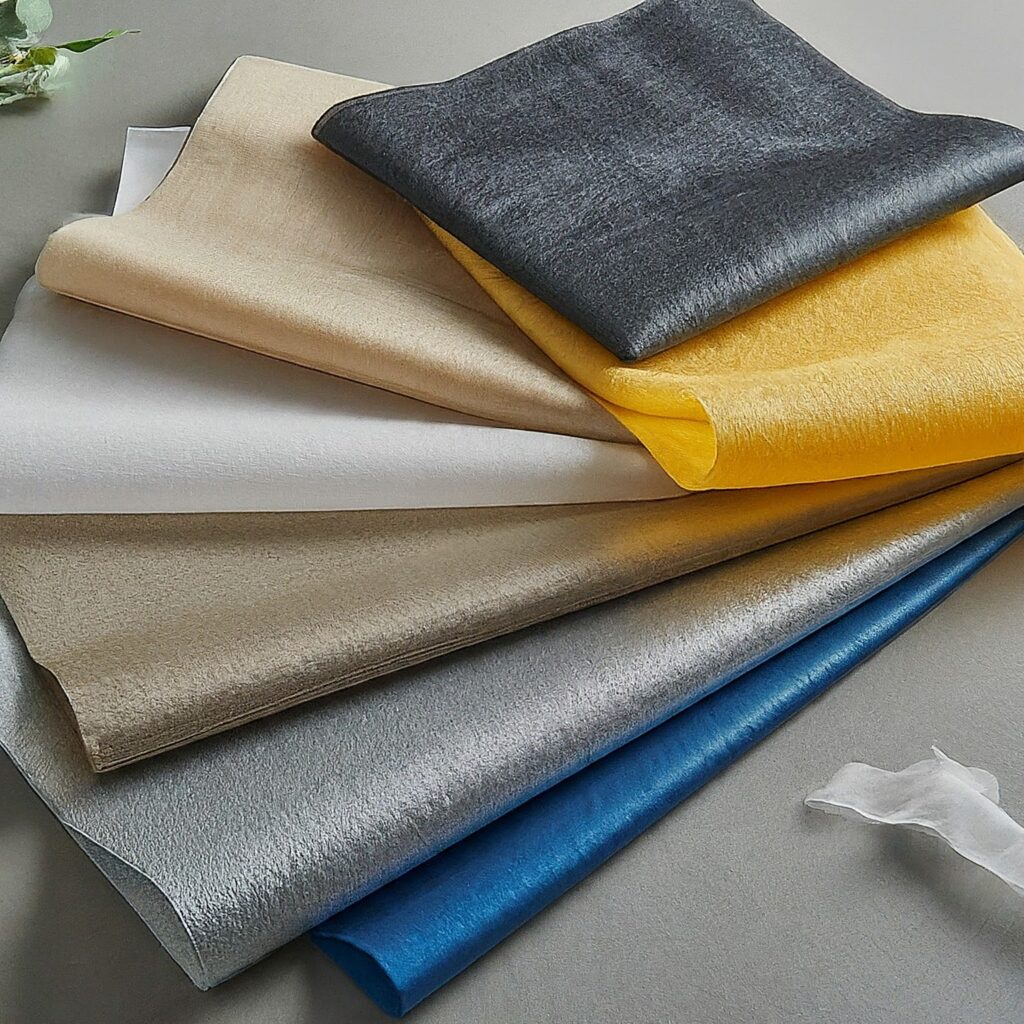
- Colour availability. White, black and grey/charcoal cover most requirements, but confirm availability of your specific shade before committing to a large order.
- Freight and delivery timelines. These vary significantly depending on where your supplier holds stock. A warehouse close to Gujarat and North India’s manufacturing hubs means faster turnaround than one based elsewhere.
- Sample availability. A supplier confident in their product will send samples before you commit to bulk, this is worth insisting on if it isn’t offered upfront.
Getting these details clear upfront saves you from mid-order surprises, which are far more disruptive once your cutting and fusing schedule is already locked in.
If your factory is sourcing fusible interlining wholesale India-wide for multiple garment lines at once, suits, blazers and sherwanis running in parallel, it also helps to consolidate your order with one supplier who can quote all your GSM grades together. This reduces the number of separate freight shipments you’re coordinating and makes it easier to keep colour and batch consistency across your full product range.
Why Double Ghoda Is Built for Suit Manufacturer Applications
Double Ghoda is B.C. Impex, a family-run interlining import and wholesale trading business with over 10 years of experience supplying India’s garment manufacturing industry specifically. We’re not a marketplace listing or a broker; we hold ready stock and dispatch directly.
Here’s what suit manufacturers consistently tell us matters most about working with us:
- Accurate metres, every roll. Every roll is measured and verified before dispatch, so short metres never disrupt your production planning.
- PA double-dot coating on every woven roll, not sold as a premium add-on.
- A genuine 30–150 GSM range, including the heavier grades, 100 to 150 GSM, that Indian suit and sherwani manufacturers need and that many generic suppliers don’t stock consistently.
- Batch-to-batch consistency, so reorders from the same quality lot perform identically to your first order.
- Ready stock at our Bhiwandi, Maharashtra warehouse, with fast dispatch to Surat, Delhi, Ludhiana, Kolkata, Chandigarh and Amritsar.
- OEKO-TEX® Standard 100 certification across our woven fusible interlining range.
If you’re evaluating fusible interlining suppliers for your next production run, we’d encourage you to compare on these specifics rather than price alone, the gap between premium and average interlining shows up in your reject rate long before it shows up on an invoice.
Get in touch with us on WhatsApp or through our enquiry form. Share your GSM, colour and quantity, and we’ll send you a written quotation within the hour.
Link of related Articles
- Lightweight Interlining vs. Heavyweight Interlining
- A Beginner’s Guide to Interlining
- Choosing the Right Interlining