Categories
Fusible Interlining Suppliers

Fusible Interlining Suppliers in India

When you think about garment quality, your mind probably goes straight to fabric, stitching, fit, and finishing. While these visible elements are important, experienced manufacturers know that the hidden components inside a garment often play an equally significant role in determining its final appearance and performance.

One of those critical components is fusible interlining. It provides structure, shape retention, durability, and support to different garment sections, helping clothing maintain its intended form throughout its lifespan. Whether you’re producing formal shirts, blazers, ethnic wear, uniforms, jackets, or premium fashion apparel, the quality of the interlining directly influences the quality of the finished garment.

However, selecting the right material is only half the challenge. Choosing the right fusible interlining suppliers is what truly determines whether you receive consistent products, reliable deliveries, technical support, and long-term value. 

At Double Ghoda, we have worked closely with garment manufacturers and apparel businesses across India for decades, helping them find solutions that support quality production and efficient operations. Understanding what to look for in a supplier can save you time, money, and unnecessary production challenges.

Table of Contents

  • Know Your Interlining Requirements Before You Start
  • Evaluate Product Quality Beyond Sample Swatches
  • Assess Manufacturing Strength and Quality Control Systems
  • Check Delivery Reliability and Supply Consistency from Fusible Interlining Suppliers
  • Look for Industry Knowledge and Technical Support
  • Choose a Partner That Supports Your Business Growth
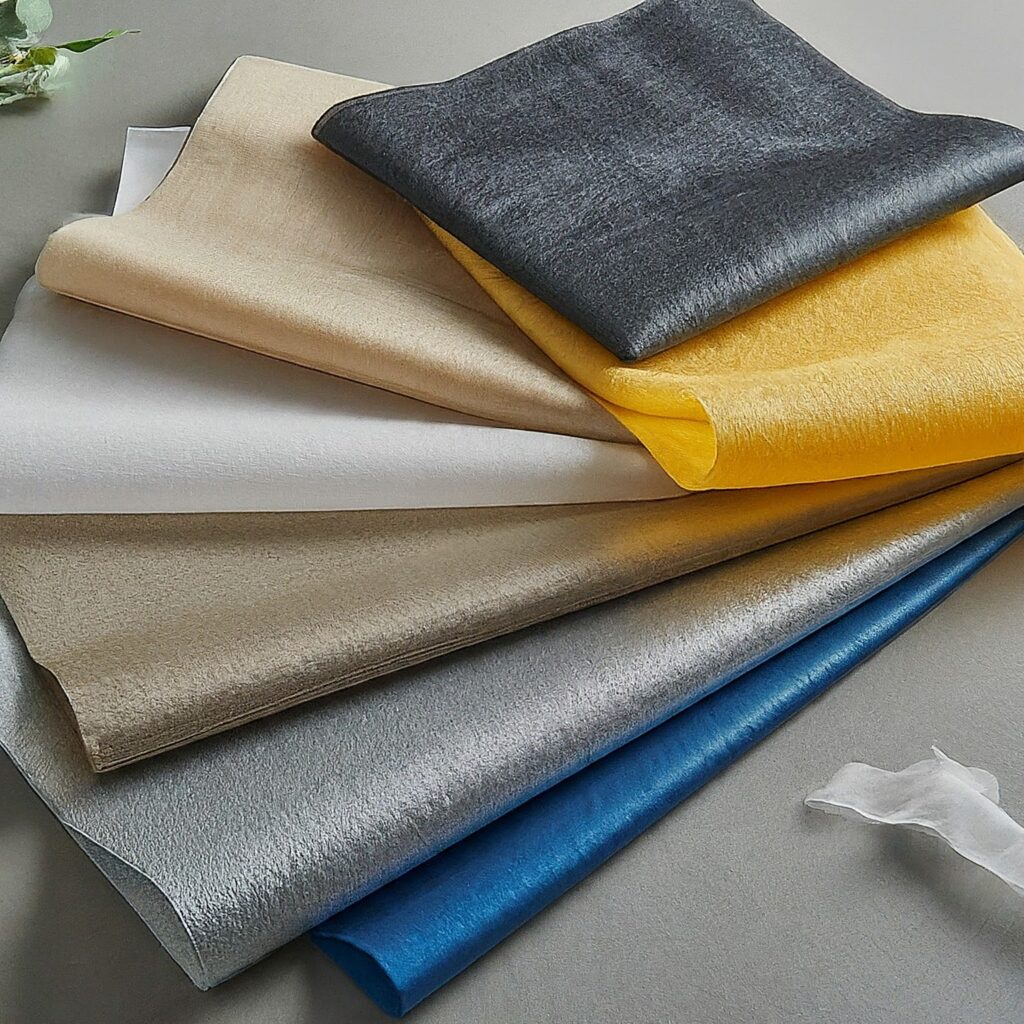
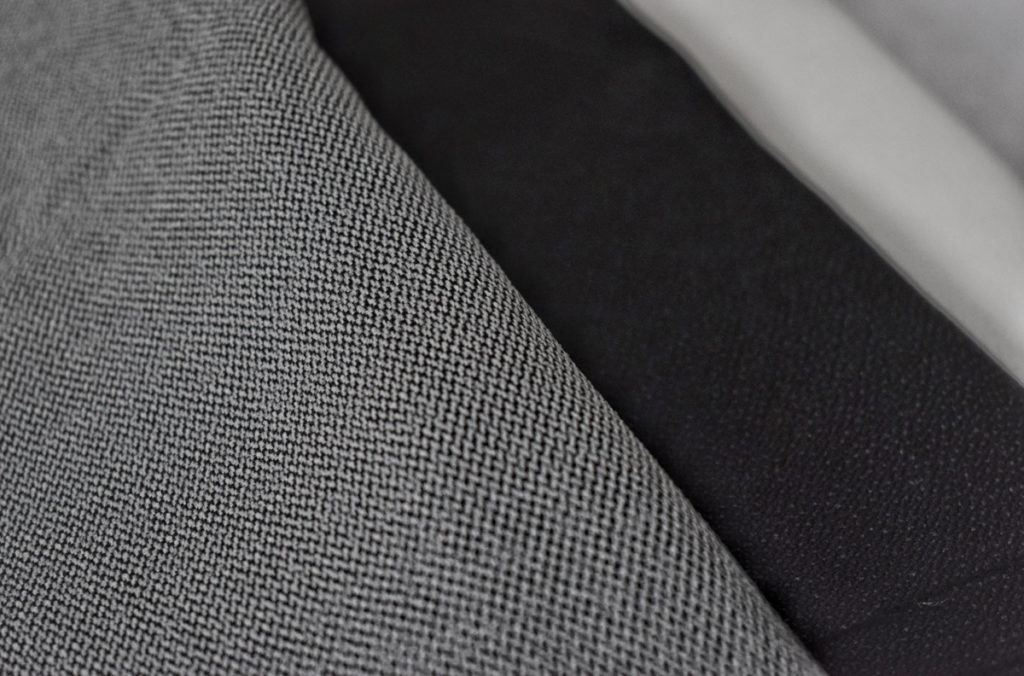
Fusible interlining is used by both professional and amateur designers in order to reinforce certain parts of garments

Know Your Interlining Requirements Before You Start

Before you begin comparing suppliers, it is important to clearly understand your own requirements.

Many garment manufacturers make the mistake of requesting quotations without first identifying the exact performance characteristics they need. This often leads to purchasing products that may seem suitable initially but fail to meet expectations during production.

Different garments require different types of support.

A lightweight formal shirt requires a different interlining than a blazer. A structured ethnic jacket requires different characteristics than a soft casual garment. Even within the same product category, requirements may vary depending on the fabric, construction method, and desired finish.

Consider factors such as:

  • Fabric composition
  • Garment category
  • Required stiffness or softness
  • Washing and maintenance expectations
  • End-user comfort requirements
  • Production methods

When you understand these factors, you can communicate more effectively with suppliers and receive more accurate recommendations.

A reliable supplier should also take the time to understand your application rather than simply offering a standard product. Suppliers that ask questions about your manufacturing process often provide more suitable solutions because they understand the relationship between interlining performance and garment construction.

At Double Ghoda, we believe that successful sourcing begins with understanding the garment itself. The more information you provide about your requirements, the easier it becomes to identify the most suitable product for your application.

Defining your needs before contacting suppliers creates a stronger foundation for making informed purchasing decisions and achieving consistent production results.

Evaluate Product Quality Beyond Sample Swatches

Many fusible interlining suppliers can provide an impressive sample book. The real test, however, is whether the product performs consistently across multiple production runs.

Sample swatches only provide a snapshot of a product. They do not always reveal how the material will behave during large-scale manufacturing, repeated washing, or long-term use.

When evaluating interlining quality, focus on performance rather than appearance alone.

  • Bonding Performance

The adhesive coating should bond evenly and securely with the outer fabric. Poor bonding can lead to bubbling, separation, and garment defects.

  • Shrinkage Stability

The interlining should maintain its dimensions during fusing, washing, and pressing. Excessive shrinkage can distort garment panels and negatively impact fit.

  • Shape Retention

A quality interlining helps garments retain their intended structure throughout regular use.

  • Hand Feel

The finished garment should achieve the desired balance between support and comfort.

  • Durability

The material should continue performing effectively after repeated wear and maintenance cycles.

One of the best ways to evaluate a supplier is by conducting trial production runs. Testing products under actual manufacturing conditions often reveals important performance characteristics that may not be visible in laboratory samples.

When comparing fusible interlining suppliers, consistency across multiple batches should be one of your highest priorities. A slightly lower-cost product can become expensive if inconsistent quality leads to rework, production delays, or customer complaints.

Quality should always be evaluated based on long-term performance rather than initial appearance alone.

Fusible Interlining Suppliers

Assess Manufacturing Strength and Quality Control Systems

The reliability of a supplier often depends on the strength of its manufacturing processes and quality control systems.

A supplier may offer excellent samples, but without strong production controls, maintaining consistency becomes difficult.

Before selecting a supplier, try to understand how they manage quality throughout the manufacturing process.

Important questions include:

  • How are products inspected?
  • What quality standards are followed?
  • How frequently are tests conducted?
  • How is batch consistency maintained?
  • What procedures exist for handling quality concerns?

Strong quality control systems help ensure that every roll delivered performs according to expected specifications.

Several quality parameters deserve particular attention.

  • Adhesive Coating Uniformity

Consistent coating helps ensure predictable bonding performance.

  • Dimensional Stability

Products should maintain their dimensions throughout manufacturing and use.

  • Shade Consistency

Uniform coloration is particularly important when working with lighter fabrics.

  • Surface Quality

Smooth and consistent surfaces contribute to better garment appearance.

  • Performance Testing

Regular testing helps identify issues before products reach customers.

An experienced interlining fabric manufacturer india businesses trust will typically invest heavily in quality assurance because consistency is essential for long-term customer relationships.

At Double Ghoda, quality remains a central focus of our operations. We understand that garment manufacturers depend on consistent materials to maintain production efficiency and product quality. This is why we prioritize reliable manufacturing processes and rigorous quality checks across our product range.

A supplier’s quality systems often reveal more about their reliability than any marketing brochure ever could.

Check Delivery Reliability and Supply Consistency from Fusible Interlining Suppliers

Even the highest-quality interlining creates problems if it does not arrive when needed.

Garment manufacturing schedules are often tightly planned. Delays in raw material availability can disrupt production timelines, increase costs, and create unnecessary pressure throughout the supply chain.

For this reason, delivery reliability should be evaluated alongside product quality.

When assessing suppliers, consider the following:

  • Inventory Availability

Can they maintain adequate stock levels for your regular requirements?

  • Scalability

Can they support increased demand during peak production periods?

  • Lead Times

How quickly can orders be fulfilled?

  • Geographic Reach

Can they efficiently serve your manufacturing locations?

  • Emergency Support

Can they respond effectively to urgent requirements?

Reliable supply becomes even more important as production volumes grow.

Many interlining fabric manufacturer india discover that sourcing challenges become more significant when moving from small production runs to large-scale operations. A supplier that performs well at lower volumes may struggle to support expanding requirements. Businesses evaluating fusible interlining wholesale india sourcing options should pay close attention to supply chain capabilities and inventory management systems.

Dependable suppliers understand that timely delivery is just as important as product quality. They invest in inventory planning, logistics coordination, and customer communication to ensure smooth operations. At Double Ghoda, we work continuously to support our customers with dependable supply and responsive service, helping them maintain production schedules without compromising on quality.

A reliable supply chain can often become a competitive advantage in today’s fast-moving apparel industry.

fusible interlining suppliers

Look for Industry Knowledge and Technical Support

Not every supplier brings the same level of expertise to the table.

Some simply sell products. Others act as knowledgeable partners who help customers solve problems, improve efficiency, and achieve better garment performance.

Technical expertise becomes particularly valuable when:

  • Launching new product lines
  • Working with unfamiliar fabrics
  • Addressing quality concerns
  • Improving garment construction
  • Optimizing production processes

Experienced suppliers understand how different interlinings interact with various fabrics and garment types. They can often recommend adjustments that improve both quality and efficiency.

A supplier’s technical knowledge can be evaluated through the questions they ask and the recommendations they provide.

  • Do they understand garment construction?
  • Can they explain performance characteristics clearly?
  • Do they offer practical solutions when challenges arise?

These indicators often reveal whether a supplier is simply selling a product or genuinely supporting your business. This expertise becomes especially important in specialized garment categories. For example, products developed for an interlining for suit manufacturer must provide excellent shape retention, structural support, and long-term durability while maintaining wearer comfort.

Meeting these requirements requires a deep understanding of both garment construction and interlining performance. At Double Ghoda, we view technical guidance as an important part of customer support. By helping manufacturers understand available options, we aim to make product selection easier and more effective.

Knowledge and experience often create value that extends far beyond the product itself.

Choose a Partner That Supports Your Business Growth

Perhaps the most overlooked factor when selecting a supplier is their ability to support your future growth.

Many sourcing decisions focus only on immediate requirements. However, the most successful businesses choose suppliers capable of growing alongside them.

A strong supplier relationship offers benefits that extend beyond individual transactions.

Over time, a trusted supplier gains a deeper understanding of your:

  • Product categories
  • Quality expectations
  • Production methods
  • Seasonal requirements
  • Business objectives

This familiarity enables better recommendations, faster service, and improved consistency.

Long-term partnerships often result in:

  • Better Communication

Both parties develop a clearer understanding of expectations.

  • Greater Efficiency

Ordering and planning become more streamlined.

  • Improved Product Consistency

Standardized sourcing helps maintain quality.

  • Stronger Problem Solving

Challenges can be addressed more quickly and effectively.

  • Enhanced Flexibility

Established relationships often make it easier to handle unexpected requirements.

Rather than constantly changing suppliers based solely on price, many successful manufacturers focus on building stable relationships that create long-term value.

At Double Ghoda, we believe that lasting partnerships are built on trust, consistency, transparency, and customer support. Our objective is not simply to supply products but to contribute to the success of the businesses we serve.

As your manufacturing needs evolve, having a dependable partner can make a significant difference in maintaining quality, efficiency, and customer satisfaction.

Conclusion

Choosing the right supplier is about much more than comparing prices.

The ideal partner should offer consistent quality, strong manufacturing capabilities, dependable delivery, technical expertise, and the ability to support your long-term growth.

By carefully evaluating these factors, you can reduce production risks, improve garment quality, and build a more reliable supply chain.

At Double Ghoda, we understand the critical role interlining plays in garment manufacturing. Through our commitment to quality, consistency, and customer support, we strive to help manufacturers achieve superior production outcomes and create garments that stand the test of time. If you’re looking for a trusted partner for your garment manufacturing needs, taking the time to choose the right supplier today can deliver benefits for years to come.

Link of related Articles

shweta-textile-designer
 
Shweta, a textile designer with a keen eye and deep knowledge of fabrics, translates her passion into unique designs. She loves to share her expertise and ignite a love for textiles in others. Dive into the world of fabrics with Shweta!

Categories
Woven Interlinings

Why Suit Manufacturers in India Prefer Heavy GSM Woven Interlining

If you have been in garment manufacturing for any length of time, you already know that the outer fabric gets all the attention. The buyer touches it, the tailor works with it, the customer sees it. But the interlining underneath is what actually determines whether the garment holds its shape — or doesn’t.

And in India, experienced suit manufacturers have a very clear preference when it comes to interlining. They go heavy. Every time.

This blog breaks down exactly why that preference exists, what GSM range works for which garment, and what to look for when you are sourcing woven interlining and fusing cloth for bulk production.

Table of Contents

  • What Heavy GSM Woven Interlining Actually Means
  • Why Indian Suit Manufacturing Needs Heavier Fusing Cloth
  • The Right GSM for Every Indian Formal Garment
  • PA Double-Dot Coating — What It Does for Your Production
  • How to Source Woven Fusible Interlining in Bulk in India
Woven Interlining

What Heavy GSM Woven Interlining Actually Means 

GSM stands for grams per square metre. It is the standard measure of how dense and heavy a fabric is — interlining included.

In the garment trade, interlining below 80 GSM is considered lightweight. It works well for collars, cuffs, shirt plackets, and lighter daily-wear garments. Anything from 100 GSM upwards moves into heavy territory — and that is exactly the range that interlining for suit manufacturers in India depends on.

Heavy GSM woven interlining gives your garment four things that lighter interlining simply cannot:

  • Body — the garment holds its silhouette without drooping or sagging at any point during the day
  • Structure — the chest, lapels, and front panel stay flat and sharply defined through wear
  • Stability — the outer fabric does not shift, stretch, or warp, even under the stress of a full day of use
  • Longevity — the garment retains its shape through repeated use, washing at 40°C, and dry cleaning

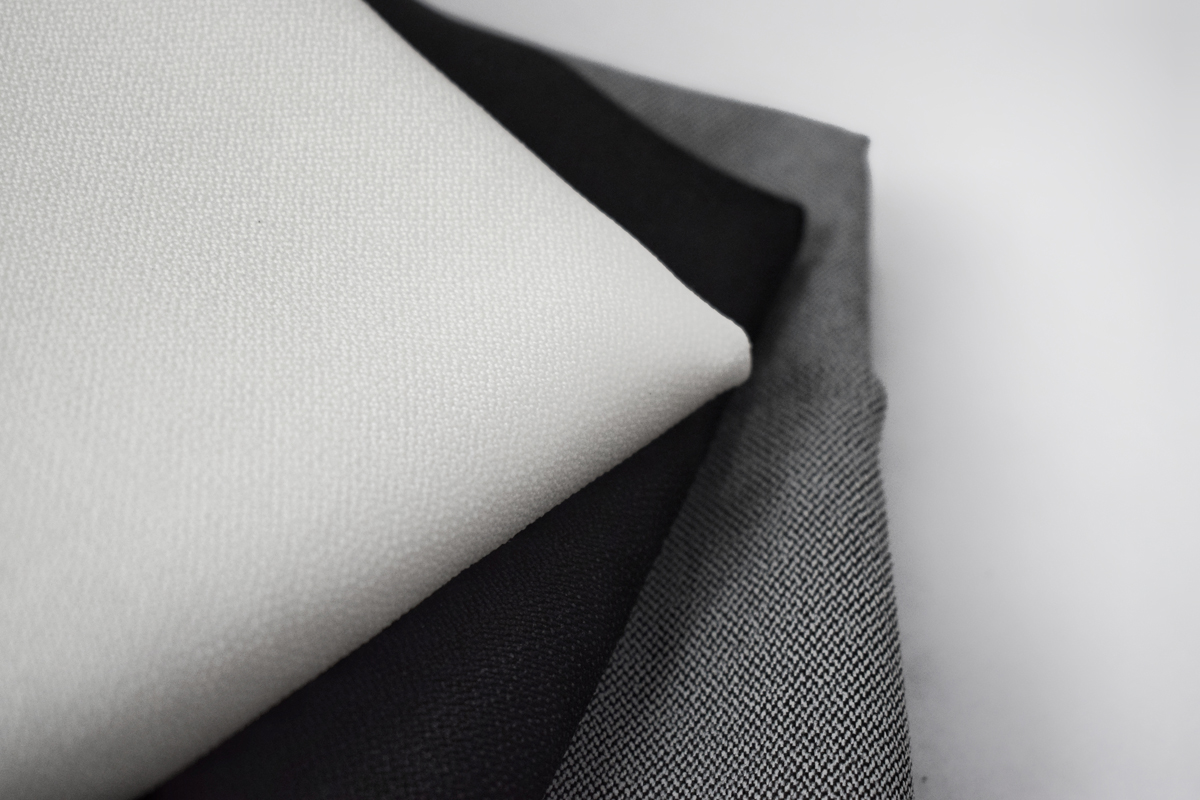
Now, “woven” is the other important word here. Woven fusible interlining is made from actual woven fabric — threads running in two directions, just like any woven textile. This gives it a grain, dimensional stability, and strength that non-woven interlining cannot match. Non-woven interlining is made by bonding fibres together without weaving. It is softer, more flexible, and works well for collars and cuffs — but it is not what you reach for when building the body of a sherwani or a structured blazer.

For structured Indian ethnic formal wear, the combination of heavy GSM and woven construction is what delivers consistent results across a production run. Our woven fusible interlining is available from 22 GSM to 150 GSM — covering everything from light collar interlining at the lower end, all the way to heavy sherwani body fusing at the top. The material is 100% polyester, 150 cm wide, available in white, black, and grey.

Why Indian Suit Manufacturing Needs Heavier Fusing Cloth 

Walk into any production unit in Surat, Ludhiana, or Delhi and you will notice something quickly — the fusing cloth being used is heavier than what most international buying guides or import catalogues recommend.

Most global interlining ranges are designed around Western suit manufacturing — lightweight wool blends, slim lapels, soft structured jackets. That market works comfortably at 60–80 GSM. Indian ethnic formal wear is an entirely different product category, and it needs interlining that reflects that.

Here is why Indian interlining for suit manufacturer consistently go heavier:

  • The outer fabrics are heavier

Indian ethnic formal wear — sherwanis, achkans, bandhgalas, heavy silk kurtas, brocade jackets — uses outer fabric that is far denser and heavier than the poly-wool used in most Western suits. When you put a light fusing cloth under a thick brocade or a heavy silk, it simply disappears. It adds no real structure. The interlining has to match the weight and density of the outer fabric to actually support it — otherwise you are fusing for the sake of fusing, not for the result.

  • The occasion is longer and more demanding

Western formal wear is typically worn for a few hours at a business event or evening function. Indian formal wear — a sherwani for a wedding, a bandhgala for a reception — is worn through ceremonies that run all day. Sometimes longer. The garment needs to look sharp from the baraat to the vidaai without wilting. Heavy GSM woven interlining gives that sustained structure through twelve or more hours of wear, sitting, standing, and everything in between.

  • The silhouette is very specific and unforgiving

A sherwani or bandhgala has a defined, structured front fall — a clean vertical line from the chest to the hem. If the interlining does not hold that line perfectly, the garment looks wrong immediately. Achieving that front fall consistently across a production run of fifty or five hundred pieces requires an interlining that holds without moving. Light body fusing cannot deliver that reliably at production scale. Experienced manufacturers know this and simply do not take the risk.

  • Woven construction adds dimensional stability

Because woven interlining has a grain — just like any woven textile — it resists stretching and distortion in a way that non-woven simply cannot. When you are producing structured ethnic formal wear, that dimensional stability matters. The interlining needs to stay exactly where it was fused — not shift, not stretch, not bubble — through every stage of tailoring and through every wash and dry clean the garment goes through over its life.

  • The climate factor is real

India’s heat and humidity are genuinely tough on garment construction. Lightweight interlining absorbs moisture and can lose its bond in humid conditions — especially if the fusing was not done at the right temperature or pressure. Woven fusible interlining with PA double-dot coating holds its bond through heat and humidity far better than lighter, non-woven alternatives. This is not a small factor in a country where wedding season often coincides with the most demanding weather.

Woven Interlining

The Right GSM for Every Indian Formal Garment 

One of the most common sourcing questions from suit manufacturers and production units is simple: what GSM should I be using for this garment?

The honest answer is that it depends on your outer fabric weight and the level of structure you want. But there is a practical reference that experienced buyers across Surat, Ludhiana, and Delhi have settled on through years of production:

Garment TypeRecommended GSMNotes
Sherwani / Achkan120 – 150 GSMMaximum body and front fall structure needed
Bandhgala / Nehru jacket100 – 140 GSMClean chest structure, defined lapel
Formal blazer100 – 130 GSMBalance of body and drape
Suit jacket (Western cut)80 – 120 GSMDepends on outer fabric weight
Safari suit80 – 100 GSMLighter structure acceptable
Collar and cuff interlining22 – 60 GSMLightweight non-woven or woven both work here

The most popular weight in the Surat market is 140 GSM — known widely in the trade as 111 quality. If you are sourcing woven fusible interlining specifically for sherwani production, this is the number experienced buyers reach for first. It gives the garment the body it needs without making it feel stiff or heavy on the wearer.

What happens when you use the wrong GSM

This is where production quality breaks down — and it happens more often than it should, especially when buyers switch suppliers or try to cut costs by going lighter.

Too light a GSM:

  • Lapels curl or fold inward instead of lying flat
  • The chest area loses its shape by early afternoon on a long wear day
  • The garment front looks soft and undefined — not sharp and structured
  • In humid conditions, the outer fabric can start to pucker or separate from the fusing over time
  • The front fall of a sherwani loses its clean vertical line

Too heavy a GSM:

  • The garment feels stiff and uncomfortable for the wearer
  • The fusing line risks becoming visible on the outer fabric surface — especially on lighter outer fabrics
  • The garment does not drape naturally — it looks rigid rather than structured
  • Fusing time per piece increases, slowing down the production line

Getting the GSM right is not a finishing detail you can correct later. It is a core production decision that affects how the finished garment looks, how long it holds its shape, and how efficiently your line runs. It is worth the time to test properly before committing to a full batch.

PA Double-Dot Coating — What It Does for Your Production 

Not all fusing cloth is made the same way. The coating method is what separates interlining that performs well at production scale from interlining that causes problems — bubbling, lifting, inconsistent bonding, slower fusing times.

Our woven fusible interlining uses PA (Polyamide) double-dot coating. For high-volume fusing operations, this matters more than most buyers realise until they have experienced the difference firsthand.

What PA coating means

PA stands for Polyamide — the adhesive resin applied to one side of the interlining. PA is the preferred coating for production-grade interlining because it bonds at lower temperatures than older coating types, holds stronger through washing and dry cleaning, and performs consistently across different outer fabrics. It is the industry standard for good reason.

What double-dot means

Instead of applying the adhesive as a continuous film across the interlining surface, double-dot coating applies it in tiny raised dots in a precise pattern. This sounds like a small technical detail but it has real, measurable effects on your production:

  • Faster fusing — the raised dots create more direct contact points between the adhesive and the outer fabric. Bonding happens faster under the press, which means more pieces per hour on your fusing machine
  • Cleaner finish — the gap between the dots allows the base fabric to breathe. The outer fabric does not go stiff or rigid after fusing, which preserves the natural drape and feel of the garment
  • Stronger, more uniform bond — adhesion is distributed evenly across the full surface rather than concentrated in patches. This reduces the risk of bubbling, lifting, or uneven bonding that causes rejects

Verified fusing parameters — confirmed from Double Ghoda product specifications:

ParameterSpecification
Temperature125°C – 145°C
Pressure1.5 – 2.5 kg/cm²
Time18 – 25 seconds
Care after fusingMachine wash at 40°C / Dry clean

These are the actual numbers from the product — not estimates. Always run a sample fuse with your specific outer fabric at these settings before starting a full production run. Every outer fabric responds slightly differently depending on its composition and weave, and a quick test saves a lot of expensive rejects.

OEKO-TEX Standard 100 certifiedOur woven fusible interlining carries OEKO-TEX Standard 100 certification. This is relevant if you supply finished garments to brands or export markets that require certified inputs at every stage of production. It confirms the interlining has been tested for harmful substances and meets international safety standards.

Woven Interlining

How to Source Woven Fusible Interlining in Bulk in India 

If you are placing a bulk order for fusible interlining wholesale India, knowing the product is only half the process. The other half is making sure your sourcing decision is sound — on specs, on quality consistency, and on practical production requirements.

Here is what to check before you commit to any bulk order:

  • Confirm the coating type before anything else

Always ask specifically for PA double-dot coating. Not all fusing cloth available in the Indian wholesale market uses it. Some suppliers stock single-dot or older PES (polyester) coated interlining — it looks similar on the roll but performs differently under the fusing press. Single-dot coating fuses slower and bonds less consistently at production temperatures, which shows up in your reject rate and your fusing machine output per shift.

  • Test with your actual outer fabric before ordering in bulk

A sample test is not optional — it is the most important step in the sourcing process. Take a metre of the interlining and fuse it with the exact outer fabric you are going to use, at the verified parameters: 125–145°C temperature, 1.5–2.5 kg/cm² pressure, 18–25 seconds dwell time. Then check three things — bond strength (try to peel the layers apart), surface finish (look for any strike-through or stiffness on the outer fabric face), and drape (does the fused panel fall the way you expect?). Only proceed to a full order once the sample passes your production standard.

  • Verify roll length and packing before ordering

Our woven fusible interlining comes in 50-metre rolls, packed 6 rolls per bale. Accurate metres per roll matter significantly on the production floor. Short rolls create planning problems, disrupt cutting schedules, and lead to billing disputes with suppliers. Confirm that your supplier guarantees accurate metres — and holds to it consistently across repeat orders, not just the first one.

  • Know your MOQ and plan your order timing

The minimum order quantity is 1,000 metres per SKU. For production units running regular garment orders, this is a standard quantity that fits comfortably into a production cycle. The more important factor is timing. Confirm availability and lead time well in advance of your production schedule — especially in the months leading up to wedding season, when demand for sherwani fusing cloth wholesale across Surat, Ludhiana, Delhi, and Kolkata spikes significantly and lead times can stretch. .

  • Source your full GSM range from one reliable supplier

One of the practical advantages of sourcing from a supplier with a full range — 22 GSM to 150 GSM — is consistency. When you are buying collar interlining, cuff interlining, and sherwani body fusing from the same source, you can expect consistent coating quality, consistent roll accuracy, and consistent performance across your entire production. Splitting your interlining sourcing across multiple suppliers introduces variability that shows up in the finished garment. When evaluating a woven interlining manufacturer in India, consistency across batches matters more than the price on the first order. 

What experienced buyers across India check for in a supplier:

  • Consistent quality batch to batch — same GSM, same bonding performance on every order
  • Accurate metres per roll — no short rolls, no planning surprises
  • PA double-dot coating confirmed, not just claimed
  • Full GSM range available from one source
  • OEKO-TEX certified for buyers supplying brands with compliance requirements

Reliable delivery to your city — not just Mumbai or Delhi. When evaluating fusible interlining suppliers in India, delivery consistency matters as much as product quality.

Heavy GSM woven interlining is not just a preference in Indian suit manufacturing — it is a production requirement. The outer fabrics are heavier, the occasions are longer, the silhouettes are more demanding, and the climate is less forgiving than what most international interlining guides are designed for.

That is why we see experienced manufacturers across Surat, Ludhiana, Delhi, and Kolkata consistently choosing 100 GSM and above — with 111 quality at 140 GSM remaining one of the most trusted choices for sherwani and ethnic formal wear production.

At Double Ghoda, we supply woven fusible interlining in bulk to garment manufacturers and wholesalers across India. With consistent quality, accurate metres, and a full GSM range, we focus on keeping sourcing simple — the right product, the right specifications, delivered reliably.

Link of related Articles

shweta-textile-designer
 
Shweta, a textile designer with a keen eye and deep knowledge of fabrics, translates her passion into unique designs. She loves to share her expertise and ignite a love for textiles in others. Dive into the world of fabrics with Shweta!

Categories
Fusible Interlining

body fusing in Garment Manufacturing

Ask any experienced tailor or production manager in a suit or sherwani unit what holds the garment together — they will not say the outer fabric. They will say the fusing.

Body fusing is the term used in the trade for the interlining applied to the front body of a structured garment. Not the collar. Not the cuffs. The chest, the front panel, the area that carries the entire silhouette of the garment from shoulder to hem. It is the single most important fusible interlining decision in the construction of a suit, blazer, or sherwani — and it is the one that gets the least attention at the sourcing stage.

If you have ever seen a sherwani front that loses its clean fall after a few hours of wear, or a blazer lapel that starts to curl within a week — that is a body fusing problem. Wrong GSM, wrong coating, wrong construction. This blog covers exactly what body fusing is, how it works, and what to get right before your next bulk order.

Table of Contents

  • What Body Fusing Actually Is — and What It Is Not
  • How Body Fusing Works in Garment Construction
  • Why GSM Is the Most Important Decision You Make
  • What Happens When You Get It Wrong
  • What to Look for When Sourcing in Bulk
body fusing interlining

What Body Fusing Actually Is — and What It Is Not 

body fusing refers specifically to the interlining used on the front body of structured outerwear — the large fused panel that runs from the shoulder down the chest and front of a garment. It is what gives the garment its silhouette, its chest definition, its front fall, and its structural memory.

It is not the same as collar interlining. It is not the same as cuff interlining. Those are small-part applications using lighter, more flexible interlining — typically non-woven. Body fusing is a different category entirely, applied to the largest and most structurally demanding part of the garment.

In Indian garment manufacturing, the term is used most commonly for:

  • The front body of a sherwani or achkan
  • The chest and front panel of a formal blazer or suit jacket
  • The front structure of a bandhgala or Nehru jacket
  • The full front fuse on heavy ethnic occasion wear

The fusing cloth used for these applications is almost always woven fusible interlining — not non-woven. The woven construction gives it the grain, dimensional stability, and tear resistance that a large structural panel demands. Non-woven interlining tops out at 82 GSM and lacks the grain structure needed to hold a sherwani front through a full wedding day.

Body fusing for ethnic formal wear typically starts at 100 GSM and goes up to 150 GSM.Body fusing is distinct from the chest piece — a separate structured component (often made from canvas or a hair cloth composite) that is used in high-end tailoring to build additional chest structure above the interlining layer. In production-scale Indian garment manufacturing, woven interlining applied as a full front fuse is the standard method. Chest pieces are used in premium bespoke and semi-bespoke tailoring. For most manufacturers, body fusing with the right GSM woven construction is the practical and effective choice.

How Body Fusing Works in Garment Construction 

Body fusing is applied before the garment is assembled. The interlining is cut to match the front body panel of the outer fabric, placed adhesive-side down on the wrong side of the fabric, and bonded permanently using a fusing press.

The result is a laminated panel — outer fabric and interlining bonded together as one — that is structurally stronger, more stable, and shape-retaining than the outer fabric alone. Every subsequent step of garment construction — attaching the lining, stitching the side seams, setting the lapels, attaching the collar — is built on top of this laminated front panel.

The fusing press parameters matter

Getting the fusing right is not just about choosing the right interlining. The temperature, pressure, and dwell time on the fusing press determine whether the bond is strong, clean, and permanent — or weak, uneven, and prone to bubbling.

For our woven fusible interlining, the verified fusing parameters are:

ParameterSpecification
Temperature125°C – 145°C
Pressure1.5 – 2.5 kg/cm²
Time18 – 25 seconds
Care after fusingMachine wash at 40°C / Dry clean

These are the actual product specifications — not estimates. If your fusing press is running too hot, the adhesive bleeds through the outer fabric. Too cool and the bond does not fully activate. Too much pressure and the outer fabric distorts. Always run a sample fuse with your specific outer fabric before starting a full production run.

PA double-dot coating is why the bond holds

The adhesive on Double Ghoda’s the woven layer uses PA (Polyamide) double-dot coating — adhesive applied in tiny raised dots across the surface rather than as a continuous film. This does three things for body fusing specifically:

  • Faster bond activation under the press — more pieces per hour on your production line
  • Cleaner finish on the outer fabric face — no strike-through, no stiffness
  • More uniform bond across the full front panel — reducing the risk of lifting or bubbling at the edges where stress is highest

For a large front body panel, a uniform bond across the full surface is critical. Any weak point in the adhesion becomes visible as the garment is worn — a small bubble or lifting edge on a sherwani front is immediately apparent and signals poor construction to the buyer.

Why GSM Is the Most Important Decision You Make 

Once you understand what body fusing does, the GSM decision becomes clear. The GSM of your body fusing determines:

  • How much structure the garment holds
  • How long that structure lasts through wear and cleaning
  • How the outer fabric falls and drapes
  • How stiff or comfortable the garment feels on the body

For Indian ethnic formal wear, the GSM requirements are heavier than most international guides suggest — because the outer fabrics are heavier, the occasions are longer, and the expected silhouette is more structured.

Here is the practical reference for body fusing GSM by garment type:

Garment TypeRecommended Body Fusing GSM
Sherwani / Achkan120 – 150 GSM
Bandhgala / Nehru jacket100 – 140 GSM
Formal blazer100 – 130 GSM
Suit jacket (Western cut)80 – 120 GSM
Safari suit80 – 100 GSM
Indo-Western structured jacket100 – 120 GSM

Every experienced interlining for suit manufacturer buyer across Surat and North India knows this number. The most widely used body fusing weight is 140 GSM — known in the trade as 111 quality. It is recognised by this name across garment manufacturing centres in India and is the default choice for sherwani production because it gives the garment the body and front fall it needs without making it feel stiff on the wearer.

Our woven interlining fabric range covers 22 GSM to 150 GSM — the full spectrum from light collar applications at the lower end to heavy sherwani body fusing at the top. Material is 100% polyester, 150 cm wide, available in white, black, and grey. OEKO-TEX Standard 100 certified.

The weight matching principle

Your body fusing GSM should relate to your outer fabric weight. Heavier outer fabric — thick brocade, heavy silk jacquard, embroidered sherwani fabric — needs heavier body fusing to support it without the interlining disappearing under the density of the outer layer. A good starting point is to ensure your interlining GSM is at least 60–70% of your outer fabric GSM, then adjust based on the structure level you want.

What Happens When You Get It Wrong 

Most body fusing problems are not visible at the point of production. They show up later — in wear, in the tailor’s hands, or in a customer complaint after delivery. Understanding what goes wrong helps you identify whether the problem is GSM, coating, or application.

Too light a GSM:

  • The sherwani front loses its clean vertical fall within a few hours of wear
  • Lapels on blazers or bandhgalas start to curl or fold — they do not lie flat under pressure
  • The chest area looks soft and undefined — no sharp, structured front
  • In humid conditions, the outer fabric starts to separate slightly from the fusing at stress points
  • The garment looks sharp on the hanger but collapses on the body

Too heavy a GSM:

  • The garment feels stiff and uncomfortable — the wearer feels the resistance in the chest area
  • The fusing line can become visible on the outer fabric, especially on lighter or thinner outer fabrics
  • The garment does not drape naturally — it looks rigid and constructed rather than structured and elegant
  • Fusing time per piece increases on your press, reducing production output per shift

Wrong coating — poor bonding:

  • Bubbling or lifting at the edges of the front panel — most common at the lapel roll line and hem
  • Uneven bonding visible from the inside — patches where the adhesive did not fully activate
  • Bond failure after washing — the interlining separates from the outer fabric after the first dry clean
  • These problems indicate either the wrong coating type or incorrect fusing parameters

Wrong construction — non-woven used where woven is needed:

  • The front panel stretches slightly during tailoring — the fused panel shifts position as the tailor works on it
  • The garment loses its front fall progressively through the tailoring process
  • The finished garment has a slightly uneven or asymmetric front — one lapel slightly different from the other
  • This is the most common and most avoidable body fusing mistake in production
body fusing

What to Look for When Sourcing in Bulk

When you are placing a bulk order for body fusing, these are the decisions and checks that matter:

  • Confirm woven construction — not non-woven

For any body fusing application on structured outerwear, always confirm you are ordering woven fusible interlining. Ask your supplier explicitly. The roll may look similar but the construction and performance are completely different. For interlining for suit manufacturer use cases — blazers, sherwanis, bandhgalas — woven is the only correct choice.

  • Confirm PA double-dot coating

Not all woven interlining uses PA coating. Some suppliers stock older PES-coated options or single-dot coating — it bonds less consistently and fuses slower at production scale. For body fusing on a high-volume press, PA double-dot is the standard. Confirm before ordering.

  • Always test your specific GSM with your specific outer fabric

Do not assume a GSM that worked on your previous outer fabric will work on your current production fabric. Different outer fabrics respond differently to the same interlining. Cut a sample metre, fuse it at 125–145°C, 1.5–2.5 kg/cm² pressure, for 18–25 seconds. Check bond strength, surface finish, and how the laminated panel drapes before committing to a full batch.

  • Check roll length and metre accuracy

Body fusing is cut in large panels — a small error in metre count per roll has a significant impact on your cutting room planning and your per-garment cost calculation. Double Ghoda’s woven construction comes in 50-metre rolls, 6 rolls per bale. Confirm accurate metres with your supplier before ordering and verify on receipt.

  • Plan your order timing around wedding season

When planning your fusible interlining wholesale India order, timing matters most for heavy GSM. Demand for heavy GSM body fusing — 120 GSM to 150 GSM — spikes significantly in the months before wedding season across Surat, Ludhiana, Delhi, and Kolkata. Lead times stretch during these periods. If you are planning a production run for wedding occasion wear, confirm availability and place your order well in advance.

MOQ and wholesale terms

For fusible interlining wholesale india sourcing, the standard MOQ is 1,000 metres per SKU. This applies to each GSM you order — if you need both 100 GSM and 140 GSM, each is a separate 1,000-metre minimum. Plan your production schedule and cutting requirements accordingly before placing your order.

Body fusing is not a material you choose by habit or by whatever is available at the lowest price. It is the structural foundation of every structured garment you produce. The right GSM, the right coating, the right construction — these decisions show up in every finished piece your production line delivers.

We supply woven layer for body fusing in bulk to garment manufacturers across India — 22 GSM to 150 GSM, PA double-dot coating, OEKO-TEX Standard 100 certified, 50m rolls, MOQ 1,000 metres.

Link of related Articles

shweta-textile-designer
 
Shweta, a textile designer with a keen eye and deep knowledge of fabrics, translates her passion into unique designs. She loves to share her expertise and ignite a love for textiles in others. Dive into the world of fabrics with Shweta!

ENQUIRE NOW