
Kolkata’s garment trade covers a lot of ground – formal wear, ethnic occasion pieces, shirting and everyday production, all running at serious volume. Whatever you’re manufacturing, choosing the right interlining fabric manufacturer India can save you far more trouble than fixing it after a batch is already cut and sewn.
This guide walks you through what to actually look for before placing a wholesale order, the practical questions, not just the spec sheet
Table of Contents
- What Kolkata Manufacturers Need From Interlining
- Woven vs Non-Woven: Choosing the Right Type
- Matching GSM and Coating to Your Garment
- Questions to Ask Before You Order Wholesale
- Common Mistakes Buyers Make When Sourcing Interlining
- Why Kolkata Manufacturers Choose Double Ghoda
What Kolkata Manufacturers Need From Interlining
Interlining is the layer that gives a garment its structure, it sits between the outer fabric and the lining, bonded with heat and pressure so it becomes a permanent part of the finished piece. It’s invisible once the garment is done, but it decides whether a collar holds its shape, a suit front stays structured, and a jacket keeps its silhouette through repeated wear and cleaning.
A few things matter more than anything else when you’re sourcing it:
- Consistency — the same GSM, hand-feel and bonding performance from batch to batch, so reorders behave the way you expect
- Accurate roll length — short metres on a roll create real production shortfalls, especially on a tight cutting schedule
- The right type for the job — woven for structural, full-front work; non-woven for smaller, lighter parts
- A supplier who understands garment construction — not just someone selling fabric off a price list
Kolkata production covers a genuinely wide range of garment types, from lightweight shirting to heavier formal and ethnic wear. That range means your interlining needs can shift significantly between product lines, which is exactly why understanding the basics before you order matters more here than in a factory producing one narrow category of garment.
Woven vs Non-Woven: Choosing the Right Type
This is the first real decision in sourcing interlining, and it comes down to what part of the garment you’re building.
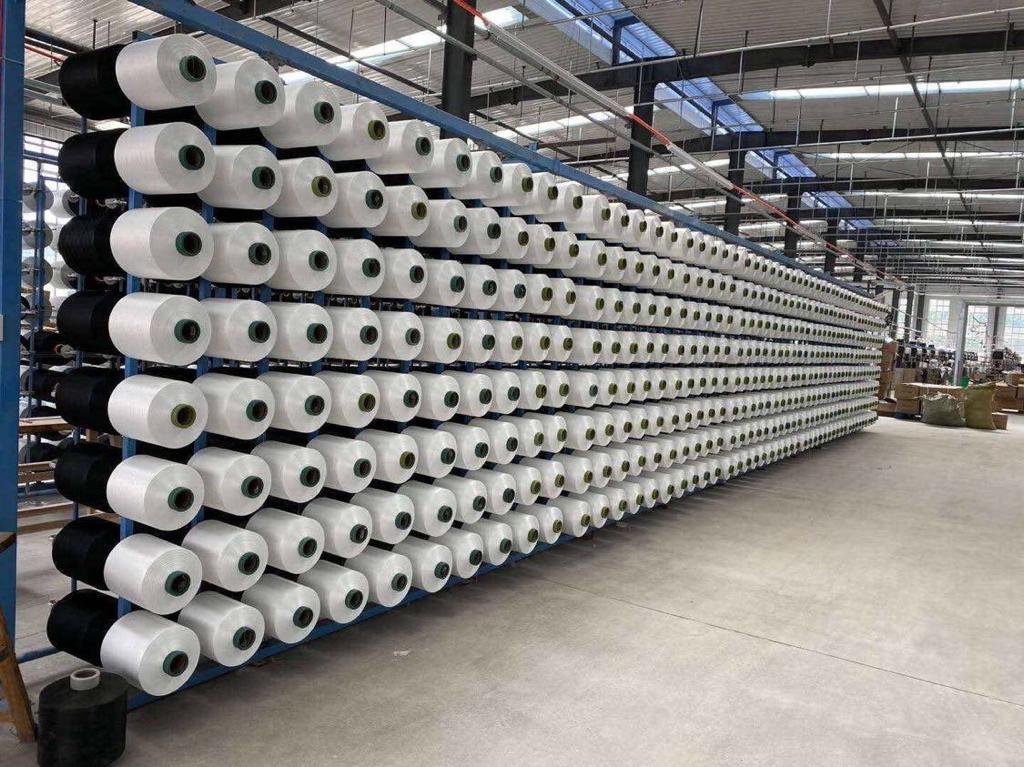
Woven interlining is made from yarns interlaced in both directions, a true fabric structure with real tensile strength. It’s built for full-front, structural work: suit bodies, blazer chests, jacket fronts and heavier formal or ethnic wear where the interlining is doing serious structural support.
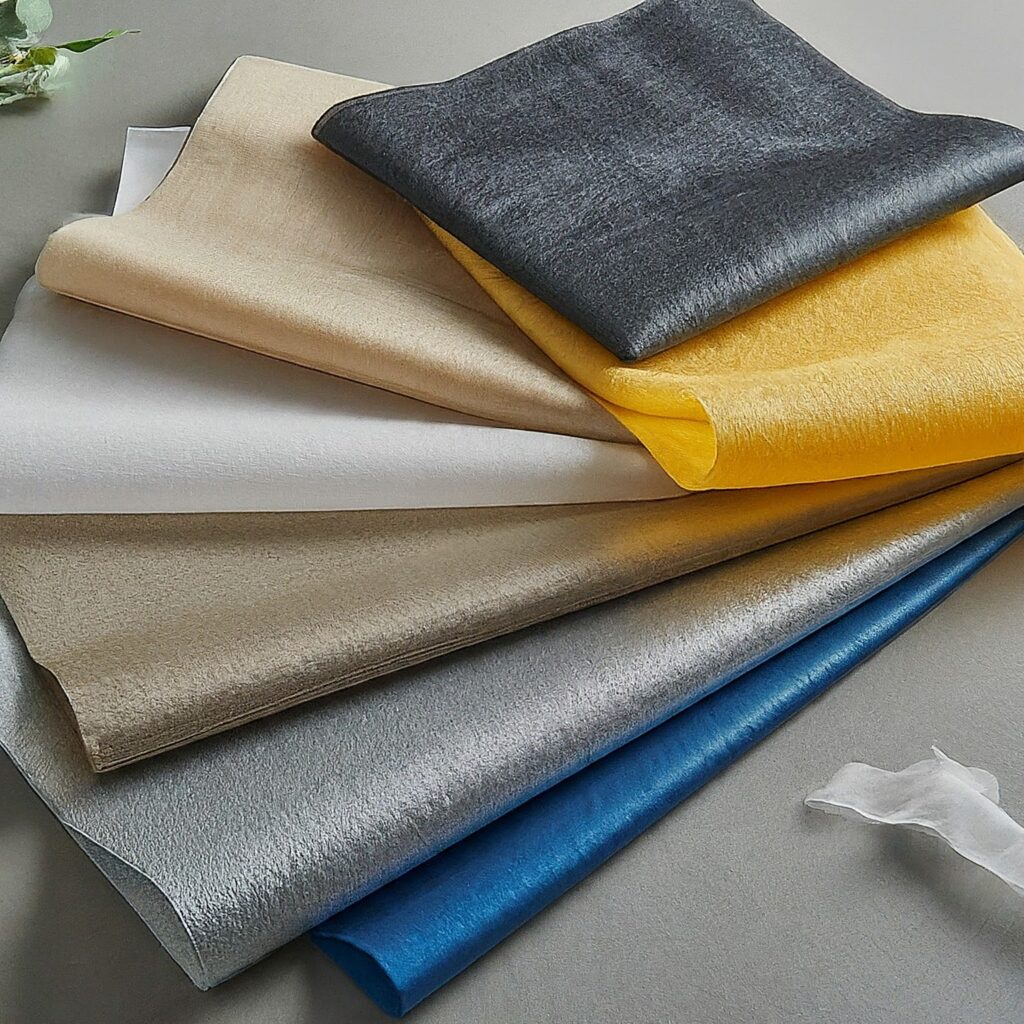
Non-woven interlining is made by bonding fibres together rather than weaving them. It’s lighter, more economical, and suited to smaller parts – collars, cuffs, plackets and pocket areas, where full structural rigidity isn’t the goal.
| Property | Woven Interlining | Non-Woven Interlining |
| Structure | Yarns woven in both directions | Bonded fibre web |
| Strength | High — resists stretching | Moderate — fine for small parts |
| Best for | Suit fronts, blazers, heavy jackets | Collars, cuffs, plackets, pockets |
| Feel | Firmer, more body | Lighter, more flexible |
Most Kolkata factories producing formal wear order both, woven for the body of the garment, non-woven for the smaller construction details. Ordering them from a single interlining fabric manufacturer India buyers already trust keeps your sourcing simpler and your quality more consistent across the whole garment.
Matching GSM and Coating to Your Garment
Once you’ve settled on woven or non-woven, weight and coating are what actually determine how the interlining performs once it’s fused.
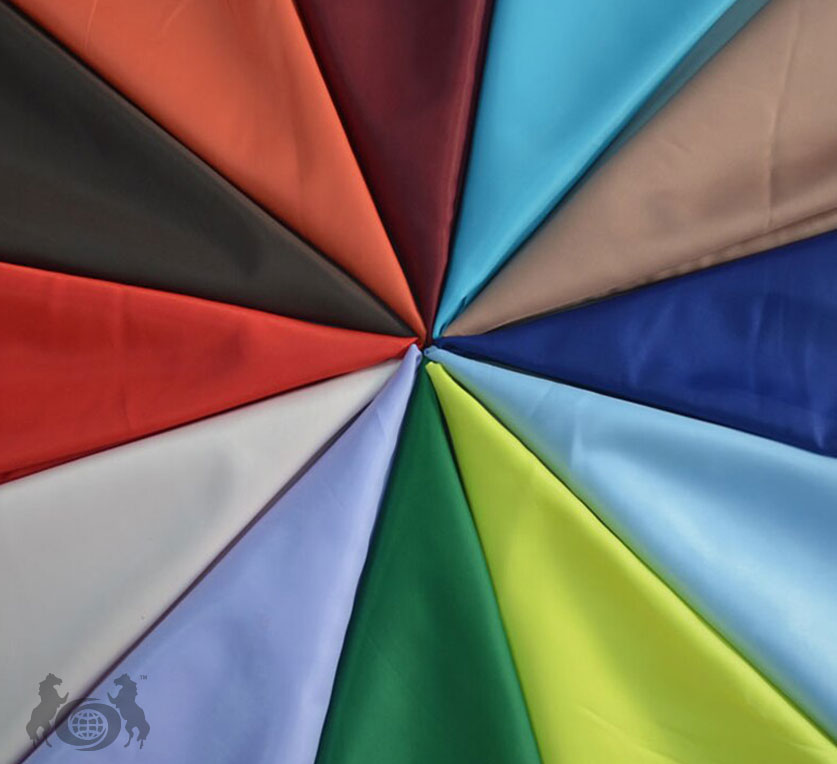
GSM (grams per square metre) tells you how heavy and dense the fabric is. Lighter grades add minimal structure and suit delicate fabrics or small parts. Heavier grades hold a firmer shape and suit structured formal wear, suits, blazers and heavy jackets.
Coating type matters just as much. A double-dot coating pattern, where adhesive is applied in a staggered two-row pattern, gives better surface coverage than a single-dot grade, which generally means faster fusing and a stronger bond.
A simple way to think through it:
- Identify the garment part. A full-front suit or jacket body versus collar, cuff or placket changes everything downstream.
- Match the weight to the outer fabric. A heavier outer fabric generally pairs with a heavier interlining; a lighter fabric needs a lighter grade to avoid overpowering the drape.
- Check the coating pattern. Double-dot coatings generally perform better on heavier, structural fusing jobs.
- Test before committing to a full batch. A small test fuse on your actual outer fabric tells you more than any spec sheet.
If you’re producing suits or structured jackets, this is where working with a supplier experienced in interlining for suit manufacturer requirements genuinely helps, the right combination of weight and coating isn’t always obvious from a catalogue alone.
Questions to Ask Before You Order Wholesale
Before you place a bulk order, it’s worth having a short checklist ready. It saves time on both sides and helps you avoid surprises once the fabric arrives.
Ask your supplier:
- What’s the minimum order quantity, and does it apply per colour or across your total order?
- What roll length should you expect, and is it consistent across every roll in the batch?
- Is the GSM and coating you need currently in ready stock, or does it need to be produced against your order?
- What are the freight terms and expected lead time to Kolkata specifically?
- Can you get a written quotation before committing to the full quantity?
Getting clear answers to these questions upfront is a big part of what separates a smooth wholesale relationship from one that causes production headaches later. A supplier who answers clearly and specifically, rather than vaguely, is usually a good early signal of how the rest of the relationship will go.
Common Mistakes Buyers Make When Sourcing Interlining
A few sourcing mistakes come up often enough that they’re worth calling out directly, so you can avoid them in your own production planning.
- Reusing one grade across every garment type. What works for a blazer front rarely works for a shirt collar, and vice versa.
- Skipping a test fuse on a new fabric batch. Even a familiar GSM can behave differently on a new outer fabric.
- Assuming heavier is always better. Over-structured interlining can make a garment feel stiff rather than premium.
- Not confirming roll length before ordering in bulk. Short metres mid-production are a common and avoidable production problem.
- Choosing a supplier purely on price. The cheapest quote rarely accounts for consistency across reorders, which matters far more over a full production run.
None of these mistakes are unusual, they happen because interlining decisions often get made quickly, late in the sourcing process, after the outer fabric is already locked in. Building in even a small amount of time to check GSM, coating and roll length properly pays off across your whole production cycle.
Why Kolkata Manufacturers Choose Double Ghoda
We’re a family-run interlining import and wholesale trading business, and garment manufacturing is the industry we’ve built our supply around from the start. If you’re comparing fusible interlining suppliers for your Kolkata production, here’s what factories consistently tell us matters most.
What we focus on:
- Accurate roll lengths on every order, so your production planning doesn’t come up short
- Consistent GSM and hand-feel across batches, so reorders perform the way your last order did
- A full range of woven and non-woven grades, so you can source your whole requirement from one supplier
- Straightforward, written quotations, so pricing and freight terms are clear before you commit
We supply garment factories and formal wear producers across India, including Kolkata, from ready stock dispatched to your city. If you’re setting up a new line or comparing your current fusible interlining wholesale India sourcing against another supplier, talk to us about your GSM, coating and quantity requirement, we’re happy to walk through it and put together a written quotation.
Frequently Asked Questions
What is the difference between woven and non-woven interlining?
Woven interlining has a true woven structure and is used for structural parts like suit fronts and blazers. Non-woven interlining is made from bonded fibres, and is lighter and more economical, suited to collars, cuffs and smaller garment parts.
How do I choose the right GSM for my garment?
Match the interlining weight to your outer fabric and the structure you need. Lighter fabrics generally pair with lighter GSM, while heavier, more structured garments call for a heavier grade. A small test fuse before full production confirms the right match.
What should I ask a supplier before placing a wholesale order?
Confirm the minimum order quantity, roll length consistency, current stock availability, freight terms to your city, and whether you can get a written quotation before committing to the full order.
Do wholesale interlining suppliers deliver to Kolkata?
Many wholesale suppliers, including Double Ghoda, dispatch to Kolkata and across India from centralised warehouse stock. It’s worth confirming freight terms and expected lead time directly with your supplier before placing an order.
Link of related Articles
- Lightweight Interlining vs. Heavyweight Interlining
- A Beginner’s Guide to Interlining
- Choosing the Right Interlining