Categories
Fusible Interlining Interlining

Fusible Interlining: What Causes Poor Bonding and How to Fix It

You already understand how it feels if you oversee a clothing production line. When a batch comes off the fusing press, it appears fine at first, but a few days later, the suit front becomes soft at the edges or the collar begins to bubble. One of those issues that seldom appears on the press table is poor bonding; instead, it appears after the garment has been shipped, dry cleaned, or, worse, worn by the customer. 

The good news is that bonding failures in fusible interlining almost always trace back to a handful of root causes, and every one of them is fixable once you know where to look. In this guide, we’ll walk through what proper bonding actually means, why it fails, and what you can do on the factory floor to get consistent results every time.

Table of Contents

  1. What Is Fusible Interlining and Why Is Proper Bonding Important?
  2. What Causes Poor Bonding in Fusible Interlining?
  3. Temperature, Pressure and Fusing Time: What Affects Bonding?
  4. Common Bonding Problems and Their Solutions
  5. Choosing the Right Fusible Interlining for Different Fabrics
  6. Our Approach to Fusible Interlining Quality at Double Ghoda

What Is Fusible Interlining and Why Is Proper Bonding Important?

A woven or non-woven base fabric with a thermoplastic adhesive coating on one side is called fusible interlining. The adhesive melts and creates a long-lasting connection between the two layers when you apply pressure and heat to your fashion fabric. The interlining joins the structure of the garment once it cools. If it doesn’t work out, you won’t be able to see it in the final product, but you will definitely sense its absence. 

This bonding step is what gives a suit front its shape, keeps a collar standing crisp, and stops a cuff from collapsing after the first wash. Garment factories across India often call this process by different names depending on the region and application. You might hear it referred to as fusing cloth in Surat’s garment belt, or as body fusing when it’s specifically the heavy woven grade used across the full front panel of a suit, sherwani or blazer. Whatever term your factory uses, the underlying goal is the same: a bond strong enough to survive wear, washing and dry cleaning without lifting, bubbling or going flat.

Proper bonding matters for a few practical reasons:

  • It protects your reputation. A garment that loses its shape after a few wears comes back as a complaint, a return, or a lost repeat order.
  • It affects how the garment looks on the hanger and on the body. Structure is part of what customers are paying for, especially in tailored and ethnic formal wear.
  • It determines how the garment performs through its lifecycle. Dry cleaning, ironing, and everyday movement all put stress on the bond, and a weak fuse won’t hold up.

When bonding goes wrong, it’s rarely the fabric’s fault alone. It’s usually a combination of process variables that didn’t line up correctly during fusing. Let’s look at what those are.
Fusing

What Causes Poor Bonding in Fusible Interlining?

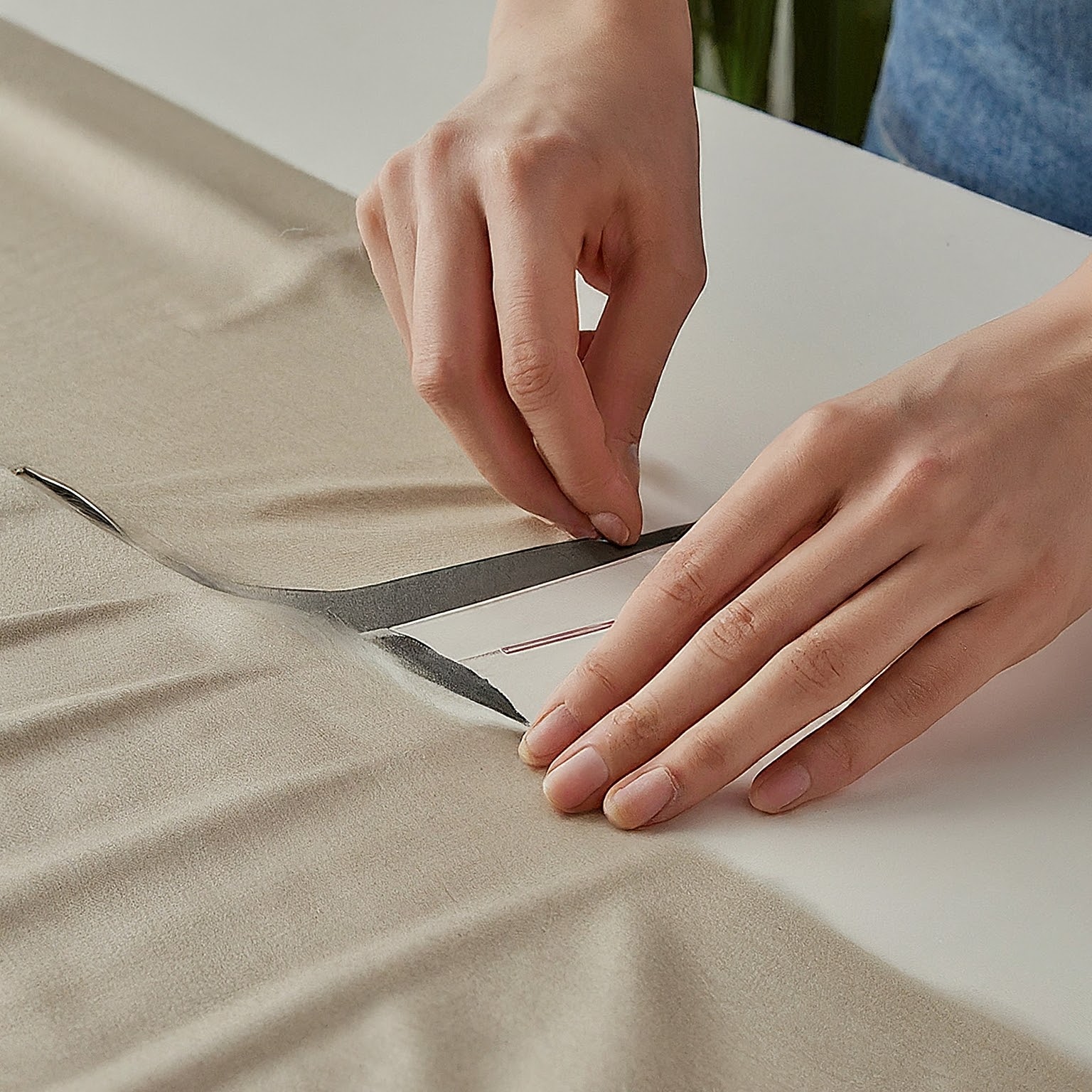
In most cases, poor bonding is not coincidental. Usually, there is a mismatch between the materials, the machine settings, or the operator’s handling of the panel before and during pressing. These are the most prevalent root causes found in clothing factories. 

1. Incorrect heat, pressure or time settings. Together, these three factors are effective. A weak or uneven bond will result from the adhesive not activating properly if even one of them is slightly off. 

2. Wrong side facing up. The interlining’s coated side must face the fashion fabric’s incorrect side. The adhesive never comes into contact with the fabric it is meant to adhere to if a panel is flipped during layout or cutting. 

3. Mismatched interlining grade for the fabric. A heavy woven grade can feel stiff and overly structured on a delicate fabric, and a lightweight non-woven interlining intended for a collar won’t last on a heavy suit front. Because the interlining and the fashion fabric behave differently under heat, the incorrect pairing frequently manifests as poor adhesion. 

4. Inconsistent pressing surface contact. The adhesive may not make complete contact throughout the panel due to wrinkled fabric, uneven panel thickness, or seams caught under the press. Only in situations of direct contact under pressure does bonding occur. 

5. Contaminated or moisture-affected fabric. Adhesive activation may be hampered by dust, oil, sizing chemicals, or moisture on the fashion fabric. Fabrics that have not been adequately conditioned prior to fusing are particularly prone to this. 

6. Adhesive coating quality. Not all coatings are equal. Because a single-dot coating has a smaller adhesive surface area than a double-dot coating, it requires more exacting conditions to form a strong bond. One of the more often disregarded reasons for bonding failure on the factory floor is lower-quality or inconsistent coating batches. 

7. Cooling the panel too soon. When the panel is taken off the press, the bond is not completely set. The adhesive may be disturbed before it has completely solidified if it is handled, folded, or stacked before it cools.

The good news is that the majority of these causes are process-related. It implies that bonding issues can be resolved with the appropriate modifications rather than necessitating a total material replacement. 

Temperature, Pressure and Fusing Time: What Affects Bonding?

Think of temperature, pressure and time as three dials that all need to be set correctly together. Change one without adjusting the others, and the bond quality shifts.

Temperature determines whether the adhesive melts enough to flow into the weave of the fashion fabric. If it is too low, the adhesive will remain partially solid, resulting in a patchy and weak bond. If you go too high, you run the risk of burning the fashion fabric, leaving shine marks, or melting the adhesive too much, causing it to spread unevenly rather than bonding cleanly.

Pressure is what forces the melted adhesive into contact with the fashion fabric’s fibres. Insufficient pressure causes the adhesive to sit on the surface rather than properly grasping the weave. Conversely, excessive pressure can push the panel out of shape, flatten texture, or result in strike-through on delicate fabrics. 

Time gives the adhesive enough dwell under heat and pressure to activate fully.Even if the temperature and pressure were right, the bond won’t have fully formed if the cycle is rushed. If you leave it too long, you run the risk of experiencing the same over-melting or scorching problems that come with too much heat.

Here’s a simple way to think about how these three variables interact:

VariableToo LowToo High
TemperatureAdhesive doesn’t melt fully; weak, patchy bondScorching, shine marks, uneven adhesive spread
PressurePoor contact between layers; adhesive sits on the surfaceFlattened texture, strike-through, panel distortion
TimeAdhesive doesn’t activate fully; incomplete bondScorching, over-melted adhesive, stiff hand-feel

The fashion fabric itself and whether you’re working with a woven or non-woven interlining will determine the best combination. Because woven interlining is designed for heavier applications like suit and sherwani fronts, it typically requires a slightly wider temperature range than non-woven interlining. Running a test fuse on a fabric swatch prior to a full production run is one of the most helpful habits a factory can develop because every fabric and interlining pairing is slightly different. 
Common Fusible Interlining Bonding Problems and Their Solutions

Let’s get specific. Here are the bonding problems factories run into most often, along with practical fixes for each.

Bubbling or blistering after pressing

This typically indicates that the adhesive melted unevenly, frequently as a result of trapped air between layers or uneven pressure across the panel.

  • Make sure your press bed is uniformly padded and level.
  • Before pressing, make sure the panels are smooth and free of folds and wrinkles.
  • If there is also scorching, shorten the dwell time a little. 

Delamination after dry cleaning or washing

At first glance, the bond appeared to be intact, but it later broke. The adhesive made contact but was never fully activated, which is a classic indication of under-fusing.

  • Test again after gradually raising the temperature or dwell time.
  • Verify that the coated side was pressed in the proper direction.
  • Verify if the interlining grade is appropriate for the garment’s maintenance needs. 

Edge lifting on collars, cuffs or plackets

The panel’s edges peel off, but the center adheres well. Particularly on smaller parts where the press doesn’t apply uniform force throughout the entire shape, this is frequently a pressure distribution problem.

  • For small parts, use an appropriately sized pressing block or attachment.
  • To prevent unsupported edges, trim the interlining slightly within the seam allowance.
  • Recheck the press’s pressure calibration, paying special attention to the platen’s edges. 

Stiff, board-like hand-feel after fusing

This indicates over-fusing, which is the use of excessive heat, pressure, or time relative to the fabric weight.

  • Retest on a swatch after lowering the temperature a little.
  • Make sure you’re using the appropriate interlining weight not a heavier grade than is required for that specific garment part.
  • If the fashion fabric is delicate or light, apply less pressure. 

Uneven bonding across a large panel (like a full suit front)

Because heat and pressure must continuously reach every area of the surface, large panels are more difficult to fuse evenly.

  • Look for press beds that are warped or uneven, as this is a common issue with older machines.
  • If your press bed is unable to cover the entire panel at once, fuse in smaller, overlapping sections.
  • Before proceeding to the next step, visually and tactilely inspect the entire panel, not just the center. 

Bonding failure traced back to the fabric itself

Sometimes contamination or finish chemicals on the fashion fabric are the problem, not the interlining or press settings.

  • Inquire about any finishing treatments that might have an impact on adhesion with your fabric supplier.
  • Before committing to a full production batch, especially with a new fabric lot, run a small test fuse.

Most of these problems can be found with a quick test fuse on a scrap swatch, checked after cooling, before they become a full batch of rejects. 

Choosing the Right Fusible Interlining for Different Fabrics

Bonding problems often start before the panel ever reaches the press they start with choosing the wrong fusing cloth for the job. Matching the right type and weight of interlining fabric to your fashion fabric is one of the simplest ways to prevent bonding issues from the outset.

As a general guide:

  • Heavy structured garments like suit fronts, sherwanis and blazers need a woven grade with enough weight to hold their shape through repeated wear and dry cleaning.
  • Collars, cuffs and plackets typically call for a lighter interlining, often non-woven, since these parts need structure without excess bulk or stiffness.
  • Lightweight or delicate fashion fabrics generally pair better with lighter interlining grades. A heavy interlining on a light fabric can lead to strike-through, poor drape, or an over-stiff finished look.
  • Ethnic formal wear, which tends to be heavier and more structured than Western formal wear, usually needs the higher end of the weight range for full-front body fusing.

Additionally, woven and non-woven interlining cannot be used interchangeably. The woven type is the standard option for full-front garment construction because it is constructed from interlaced yarns, which give it better shape retention and higher tensile strength. Because non-woven interlining is composed of bonded fibers rather than a true weave, it is more affordable, lighter, and suitable for smaller components where complete structural support isn’t a top concern.

Correct matching has an impact on the final garment’s draping, mobility, and durability in addition to bonding strength. It’s better to ask your supplier directly if you’re unsure of the grade that works best for your fabric than to make a guess and run the entire batch through the press. 

Our Approach to Fusible Interlining Quality at Double Ghoda

At Double Ghoda, we provide woven and non-woven fusible interlining to suit manufacturers, sherwani producers, and clothing factories throughout India. We consider bonding reliability throughout the supply chain, not just during the pressing phase. Even with flawless press settings, bonding issues will still arise if the interlining is inconsistent. 

Here’s how we approach it:

  • PA double-dot coating on our woven range. The adhesive is applied in a staggered two-coat pattern, which increases the adhesive surface area compared to single-dot coatings. This supports faster fusing and a stronger, more even bond, which matters especially for heavy ethnic formal wear that goes through repeated dry cleaning.
  • Batch-to-batch consistency. We keep GSM, hand-feel and coating uniform across every delivery, so if a bonding recipe works well for one batch, it should work just as well for the next.
  • A full weight range for real production needs. We stock woven interlining from 30 to 150 GSM and non-woven from 30 to 82 GSM, covering everything from delicate collar work to heavy sherwani fusing.
  • OEKO-TEX® Standard 100 certification on our woven range, tested for harmful substances — relevant if you’re supplying export-oriented production.
  • Accurate metres on every roll, so what you order is what you receive, without the short-metre issues that can throw off planning on the production floor.

We work as a wholesale supplier to garment factories, not individual tailors, with a minimum order of 1,000 metres across our range. If you’re dealing with recurring bonding issues and aren’t sure whether it’s a process problem or a material problem, reach out to our team. We’re happy to talk through your fabric, your fusing setup and the right interlining fabric for your production line.

Frequently Asked Questions

Why does fusible interlining bubble after fusing? Bubbling usually happens when the adhesive melts unevenly across the panel, often due to inconsistent pressure, trapped air, or wrinkles between the interlining and the fashion fabric during pressing. Checking that the press bed is flat and the panel is laid smooth before pressing solves this in most cases.

Why does interlining come apart after dry cleaning? This is typically a sign of under-fusing, where the adhesive made contact but never fully activated during pressing. It can also happen if the interlining grade wasn’t suited to the garment’s care requirements. Increasing dwell time or temperature slightly, and confirming the coated side was oriented correctly, usually resolves it.

Can you re-fuse a garment part if the first bond fails? In many cases, yes, especially if the failure was caught early and the fashion fabric hasn’t been damaged. The panel needs to be pressed again with corrected settings, though repeated fusing on the same fabric can sometimes affect its hand-feel, so it’s best to identify and fix the root cause before it happens again.

How do I know if I’m using the wrong interlining for my fabric? Common signs include an overly stiff or board-like finish, poor drape, strike-through on lightweight fabrics, or a bond that looks fine off the press but fails after washing or dry cleaning. Running a small test fuse on a fabric swatch before a full production run is the most reliable way to confirm the pairing is correct.

Link of related Articles

shweta-textile-designer
 
Shweta, a textile designer with a keen eye and deep knowledge of fabrics, translates her passion into unique designs. She loves to share her expertise and ignite a love for textiles in others. Dive into the world of fabrics with Shweta!

Categories
Fusible Interlining Interlining

Body Fusing Cloth for Blazers: 80, 100 or 120 GSM?

If you manufacture blazers, you already know the fabric on the outside gets all the attention. But what’s underneath, the layer nobody sees, is what decides whether that blazer holds its shape after the first wear, or after the fifth dry clean.

That layer is the body fusing. And the GSM you choose for it changes everything about how the finished jacket behaves.

This is a question we hear constantly from suit and blazer manufacturers: should you go with a lighter grade or a heavier one? The honest answer is that it depends on the fabric, the construction and the finish you’re going for. There’s no single “correct” GSM for every blazer, a wool-blend winter jacket and a lightweight summer blazer are two completely different fusing jobs, even if both end up on the same rack.

What we’ve found, after years of supplying factories across Surat and North India, is that most of the confusion isn’t really about GSM as a number. It’s about matching that number to the fabric, the season and the finish the buyer expects. Get that matching right, and the rest of the decision becomes fairly simple. Let’s walk through it properly.

Table of Contents

  1. What Body Fusing Actually Does to a Blazer
  2. Why GSM Is the Number That Matters Most
  3. 80 GSM: The Standard Blazer Choice
  4. 100 GSM: The Structured Suit Standard
  5. 120 GSM: Built for Premium and Heavy Formal Wear
  6. How to Pick the Right Weight Without Guessing

What Body Fusing Actually Does to a Blazer

Every blazer needs something inside the front panel to keep it from collapsing into a shapeless piece of cloth. That’s the job of the interlining fabric bonded to the wrong side of the outer fabric.

Here’s what it’s actually doing, in practical terms:

  • Holding the chest and lapel line so the jacket doesn’t sag or wrinkle across the front
  • Supporting the shoulder and armhole so the garment keeps its silhouette when worn
  • Giving the tailor a stable base to work with during construction, cutting and pressing
  • Surviving repeated dry cleaning without the bond breaking down or bubbling

None of this shows up on a hanger. It shows up three months later, when one blazer still looks sharp and another one is starting to sag at the chest. That difference almost always traces back to the fusing.

At Double Ghoda, this is the part of the garment we spend the most time talking about with factory owners, because it’s the input that’s easiest to get wrong and hardest to fix once the garment is stitched.

Fusing

Why GSM Is the Number That Matters Most

GSM stands for grams per square metre. In plain terms, it tells you how heavy and dense the base fabric is before any coating goes on it, and it’s the single spec that changes how a woven fusible interlining performs once it’s fused to your outer fabric.

A low GSM fabric is thin, soft and drapes easily. A high GSM fabric is thick, stiff and holds a firmer shape. Neither is “better”, the right one depends entirely on what you’re making and what the outer fabric needs.

Get the GSM wrong in either direction and you’ll see it immediately on the line:

If GSM is too lowIf GSM is too high
Chest looks flat, no shapeJacket feels board-like, stiff
Fabric collapses after a few wearsMovement feels restricted
Lapel doesn’t roll properlyOuter fabric puckers under pressing
Feels cheap even on good outer fabricToo heavy for the season or fabric weight

This is why factories rarely fuse an entire product line with one single grade. Most run two or three GSM options depending on the outer fabric and the finish the buyer wants.

There’s also a regional angle worth knowing. Buyers in Surat and across North India generally lean toward heavier grades than what’s common internationally. Ethnic formal wear and occasion blazers in this market are expected to hold a firm, structured look, so factories here tend to sit on the heavier side of the GSM range compared to Western tailoring, where a softer, more relaxed chest is often the preference. If you’re producing for export as well as domestic buyers, it’s worth keeping separate GSM standards for each market rather than fusing everything the same way.

A few common mistakes we see on the factory floor:

  • Using one GSM across an entire product range regardless of how the outer fabric changes from style to style
  • Skipping a test fuse when switching to a new outer fabric supplier, even a supplier making a similar-looking cloth
  • Assuming a heavier interlining automatically means a “better” blazer, when in fact it can overpower a lighter fabric
  • Not accounting for seasonal fabric changes, a GSM that worked for winter wool won’t necessarily suit a lighter summer blend

80 GSM: The Standard Blazer Choice

80 GSM sits at the lighter end of what’s used for blazer body fusing, and it’s a common starting point for factories producing in volume.

Best suited for:

  • Standard, everyday blazers where the fabric already has some body of its own
  • Lightweight to mid-weight suiting fabrics that don’t need heavy reinforcement
  • Warmer-weather garments where a softer handle is preferred
  • Cost-conscious production runs where the outer fabric is doing most of the structural work

At this weight, the blazer keeps a natural drape. It won’t feel stiff, and it’s a safe choice when you’re working with fabrics that are already fairly structured on their own. The trade-off is that it gives less support if your outer fabric is soft or loosely woven, in that case, 80 GSM fusing cloth alone may not hold the shape you want.

100 GSM: The Structured Suit Standard

100 GSM is the middle ground, and for a lot of factories, it’s the default choice for structured suits and blazers.

Best suited for:

  • Formal blazers that need a defined, structured chest
  • Mid-weight to slightly heavier suiting fabrics
  • Garments where the buyer expects a “proper” tailored look, not a casual drape
  • Year-round production where you don’t want to switch grades by season

This weight gives you a noticeably firmer chest and cleaner lapel roll compared to 80 GSM, without tipping into stiffness. It’s the grade we see requested most often by suit manufacturers who want consistency across a range of fabric weights, one interlining fabric that performs reliably whether the outer cloth is slightly light or slightly heavy.

120 GSM: Built for Premium and Heavy Formal Wear

120 GSM is for garments that need to hold a strong, defined shape and stay that way through heavy use.

Best suited for:

  • Premium and heavily structured blazers
  • Bandgala jackets and similar heavy formal Indian wear
  • Winter-weight or heavier outer fabrics that can carry a firmer interlining without feeling stiff
  • Occasion wear where shape retention matters more than softness

This is where fusing starts doing serious structural work rather than just supporting the fabric. It’s a common choice for factories producing premium formal wear, where the buyer is paying for a garment that holds its silhouette long after cheaper blazers have started to soften.

One thing worth flagging here: 120 GSM only performs well when it’s paired with a fabric that can carry it. Put it under a very light, delicate outer fabric and you risk the opposite problem, a garment that feels heavier and stiffer than the design intended.

It’s also worth knowing where woven and non-woven bases differ at this point, since factories sometimes ask whether a non-woven option can do the same job. For full-front blazer panels at 100 GSM and above, a woven base almost always performs better, it has genuine tensile strength in both directions and holds its shape under repeated pressing and dry cleaning. Non-woven bases are better suited to lighter jobs like collars, cuffs and plackets, where the panel is smaller and doesn’t carry the same structural load. If you’re building a full blazer front at 100–120 GSM, stick with a woven construction.

Quick Comparison: 80 vs 100 vs 120 GSM

GSMFeelTypical UseSeason
80 GSMSoft, natural drapeStandard blazers, lighter fabricsWarmer weather
100 GSMBalanced, structuredFormal suits & blazersYear-round
120 GSMFirm, strong holdPremium & heavy ethnic formal wearWinter / heavier fabric

How to Pick the Right Weight Without Guessing

If you’re still unsure which way to go, work through these four questions before you finalise a grade:

  1. How heavy is your outer fabric? Lighter fabrics generally pair with lighter fusing; heavier fabrics can carry more weight without feeling stiff.
  2. What finish is the buyer expecting? A soft, relaxed drape calls for a lower GSM. A sharp, structured chest calls for something heavier.
  3. What season is the garment for? Summer-weight blazers usually lean lighter; winter and occasion wear can go heavier.
  4. What’s your production volume and consistency need? If you’re running large volumes across multiple fabric batches, a mid-weight grade like 100 GSM often gives you the most consistent results across the board.

There’s no universal right answer here – and honestly, most experienced factories run a small test fuse before committing a full batch, especially with a new outer fabric. It costs a few minutes and saves you from a rejected batch later.

A simple way to run that test: cut a small swatch of your outer fabric, fuse it at the correct temperature and time for the GSM you’re testing, let it cool fully, then check three things, does the chest hold a natural curve when you drape it over your hand, does the lapel roll cleanly without a hard crease, and does the bond stay intact when you flex the swatch repeatedly. If all three hold up, you’ve likely found your grade. If the swatch feels stiff or board-like, drop down to the next lighter GSM and test again.

This is also where working with a supplier who actually understands garment construction helps. Double Ghoda works with suit and blazer manufacturers across Surat and North India every day, and a large part of that conversation is exactly this, matching GSM to the fabric and finish, not just selling a roll of fusing cloth off a price list. Our woven fusible interlining range runs from lighter grades right up to heavy 150 GSM options, with PA double-dot coating across the board for a faster, stronger fuse.

If you’re setting up a new blazer line or refining an existing one, it’s worth getting this decision right at the sampling stage rather than after a production run. A short conversation with someone who fuses these grades daily can save a lot of rework.

Frequently Asked Questions

What GSM is best for a standard blazer?

Most standard, everyday blazers work well with 80–100 GSM woven fusing. It gives enough structure to hold the chest and lapel without making the jacket feel stiff.

Does heavier GSM always mean a better quality blazer?

Not necessarily. Heavier GSM gives more structure, but it only works well when paired with an outer fabric that can carry that weight. The right pairing matters more than the highest number.

Can I use the same GSM for all my blazer fabrics?

You can, but it’s not usually the best approach. Different outer fabric weights respond differently to the same interlining, so many factories keep two or three GSM options on hand for flexibility.

How do I know if I’ve chosen the wrong GSM?

Watch for a flat, shapeless chest (too light) or a stiff, board-like feel with puckering after pressing (too heavy). A test fuse before full production catches this early.

Link of related Articles

shweta-textile-designer
 
Shweta, a textile designer with a keen eye and deep knowledge of fabrics, translates her passion into unique designs. She loves to share her expertise and ignite a love for textiles in others. Dive into the world of fabrics with Shweta!

Categories
Fusible Interlining Interlining

How Interlining Fabric Is Changing: Quality & Sustainability 

If you make suits, sherwanis, or blazers, you already know interlining fabric matters more than most people think. It’s hidden inside every garment, but it’s the reason a jacket holds its shape and a sherwani doesn’t go limp after one dry clean.

This material is changing. Not in a flashy way, there’s no new miracle fibre. But the way garment factories buy it, test it, and expect it to perform has shifted a lot in the last few years. Buyers ask sharper questions than they used to, certification requirements have tightened, and the gap between a good roll and a bad one shows up faster on a busy production line than it ever did before. This guide walks you through what’s changing and what to look for next time you place an order.

Table of Contents

  1. What Is Interlining Fabric?
  2. What’s Changing in Fusible Interlining Technology & Fusing Cloth 
  3. Sustainability in Interlining: What’s Real Right Now
  4. Woven vs Non-Woven Interlining: Which One Do You Need
  5. Why Garment Factories Choose Double Ghoda
  6. How to Pick the Right Interlining for Your Garment
What Is Interlining Fabric?

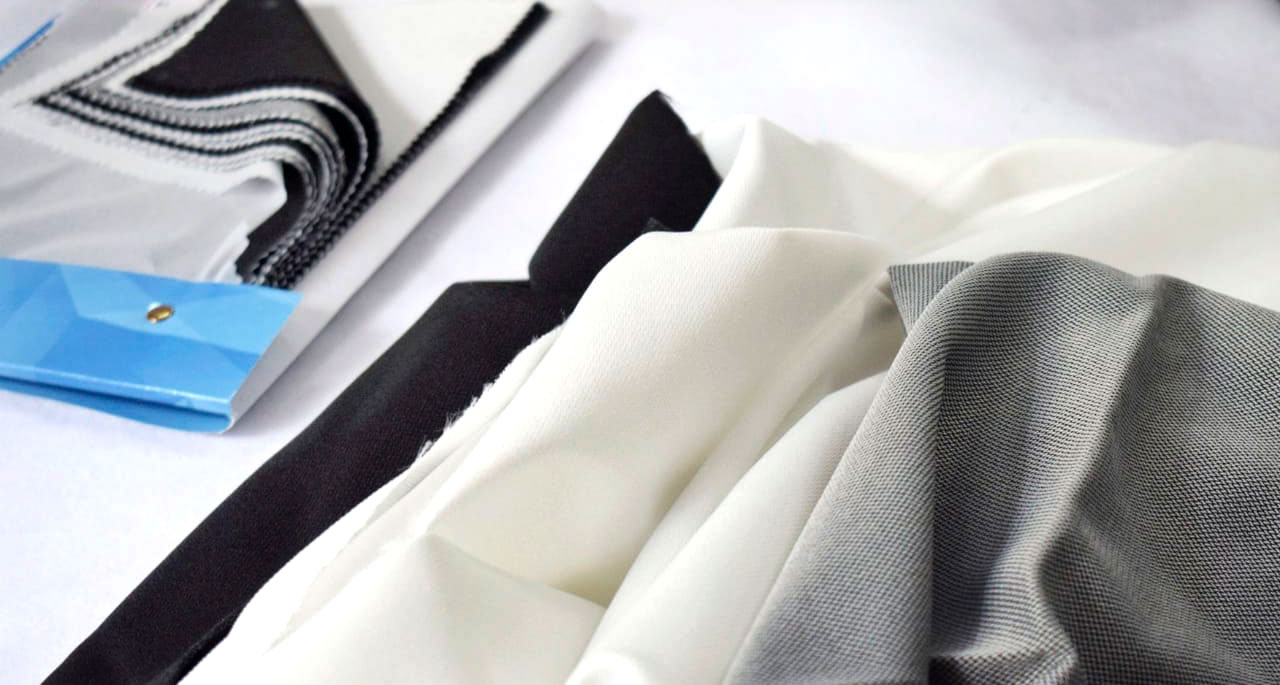
Interlining is a layer of fabric placed between the outer fabric and the lining of a garment. It’s coated with a heat-activated adhesive on one side. When you press it against fabric with heat, it bonds and gives the garment structure.

Every garment factory has run into a batch that didn’t perform the way it should, panels that bubbled after pressing, or a sherwani that lost its shape after the first dry clean. Most of the time, the root cause traces back to this one layer. Getting it right matters more than its size and price suggest.

You’ll hear it called different things depending on where you’re buying:

  • Fusing cloth — common term in Surat and Gujarat
  • Body fusing — the heavy, full-front grade used in suits and sherwanis
  • Fusible interlining — the more formal, technical name
  • Suit fusing — another name for the same product

They all mean the same thing. It’s just trade language that varies by region.

Here’s what interlining actually does for a garment:

  • Gives the garment shape and structure
  • Keeps it from stretching or sagging out of shape
  • Speeds up production, fusing is faster than sewing interlining by hand
  • Holds up through repeated dry cleaning

Without it, a suit jacket would collapse around the shoulders after a few wears, and a sherwani front would go soft and shapeless. It’s not a visible part of the finished garment, but it’s doing most of the structural work.

Fusing

What’s Changing in Fusible Interlining Technology & Fusing Cloth

The biggest shift is in how the adhesive is applied. Older, cheaper interlining uses a single row of adhesive dots. Newer, better interlining uses a double-dot pattern, which simply means more adhesive coverage on the fabric.

Here’s why that matters on the factory floor:

Single-Dot CoatingDouble-Dot Coating
Adhesive coverageLower, unevenHigher, more even
Bonding speedSlowerFaster
Bond strengthFine for light useStronger, holds up to dry cleaning
Best forLight garmentsSuits, sherwanis, blazers

Buyers today ask for double-dot coating by default, not as a premium extra. That’s a real change from a few years ago, when most factories didn’t ask about coating type at all, they just ordered by GSM. Good fusible interlining today means both the right GSM and the right coating, not one or the other.

The second shift is in how specific buyers get with GSM. Instead of asking for “medium” or “heavy” fusing, most experienced buyers now name the exact grade they want, 100 GSM, 130 GSM, 140 GSM, because they know exactly what result each one gives.

This shows up clearly in how sherwani manufacturers order. A few years ago, a buyer might have asked for “heavy fusing for sherwani.” Today, they ask for 140 GSM body fusing by name, because they’ve already tested it and know it gives them the result they want. That level of specificity makes it easier for suppliers to hold consistent stock and easier for factories to plan production without surprises.

Press equipment has also improved, which changes what buyers expect from the fabric itself. Factories running modern flatbed presses expect interlining to bond fully within a tighter time and temperature window, usually 18 to 25 seconds at 125–145°C for woven grades. Fabric that needs longer press times or higher heat to bond properly slows down the whole line and increases the risk of scorching the outer fabric.

Sustainability in Interlining: What’s Real Right Now

There isn’t a big “eco-friendly” revolution happening in interlining yet, no organic or recycled fibre option at trade scale. What’s actually changing is certification and consistency.

Here’s what buyers are asking for more often:

  1. OEKO-TEX® Standard 100 certification — this confirms the fabric has been tested for harmful substances. It’s becoming a standard requirement, especially for factories supplying bigger brands or export markets.
  2. Accurate roll length — short metres force factories to over-order, which wastes material and money.
  3. Consistent quality batch to batch — if the interlining fabric performs differently every delivery, factories end up with more rejected panels and more waste.

In short: right now, “sustainable” mostly means fewer rejects, honest metres, and proper certification, not a new type of fibre.

There’s also a quieter cost angle here that factories care about just as much as certification. Every rejected panel means wasted outer fabric too, not just wasted interlining, and outer fabric usually costs far more per metre than the interlining itself. A supplier with consistent quality isn’t just reducing their own waste; they’re protecting the more expensive material downstream in your production line. That’s a bigger deal for your margins than most buyers give it credit for.

Woven vs Non-Woven Interlining: Which One Do You Need

This is the most common question buyers ask, and it’s worth getting right before you place a bulk order.

Woven InterliningNon-Woven Interlining
Made fromInterlaced yarns, a real woven fabricBonded fibres
GSM range30–150 GSM30–82 GSM
Roll length50m90m
StrengthHigh, holds shape wellModerate, fine for small parts
Best forSuits, blazers, sherwanis (full front)Collars, cuffs, plackets
India preference100+ GSM for ethnic formal wear30–60 GSM for lighter parts

Simple rule: use woven for the main body of a suit or sherwani, and non-woven for smaller parts like collars and cuffs. Most factories order both from the same supplier to keep quality consistent across the whole garment.

A mistake newer buyers sometimes make is using non-woven on the front body to save cost. It’s cheaper per metre, but it doesn’t have the strength to hold a jacket or sherwani’s shape over time, and the savings get lost to rework and rejects later. The opposite mistake also happens: using heavy woven grades on collars and cuffs, which just adds unnecessary stiffness and cost where it isn’t needed. Matching the right construction to the right garment part is what keeps quality consistent and costs predictable.

Why Garment Factories Choose Double Ghoda

Double Ghoda supplies fusing cloth, lining, buttons, and garment accessories to garment manufacturers across India, with Surat and North India as our main markets. We’re a family-run import and wholesale trading business, and we’ve been supplying India’s garment manufacturing trade for over 10 years. We’re not a marketplace or a middleman, we hold ready stock and work directly with factories.

Here’s what factories get when they order from us:

  • Accurate meters, every roll. No short metres, which is a real problem in this trade and causes production delays.
  • Double-dot coating as standard, not an upgrade, our woven interlining fabric uses this on every grade, from 30 GSM to 150 GSM.
  • 111 quality (140 GSM), our top-selling grade for sherwanis, recognised by name across Surat’s trade.
  • Consistent quality, order after order. Same GSM, same hand-feel, same performance every time you reorder.
  • One supplier for the full order, woven and non-woven interlining, polyester lining, buttons, and accessories like shoulder pads and hem tape, all in one place.

Our minimum order is 1,000 meters, and we work with garment manufacturers, wholesalers, and factories, not individual tailors or retail buyers.

How to Pick the Right Interlining for Your Garment
Use this as a quick reference before you order:

  • Sherwani: 130–150 GSM woven. Our 111 quality (140 GSM) is the standard choice.
  • Structured suit: 100–130 GSM woven.
  • Blazer: 80–120 GSM woven, depending on how structured you want it.
  • Collars, cuffs, plackets: 30–80 GSM non-woven.
  • Light ethnic wear or waistbands: 30–60 GSM, woven or non-woven depending on how much durability you need.

A few things worth checking before you commit to a full order:

  • Confirm the exact GSM, not just “light” or “heavy”
  • Ask if the coating is double-dot
  • Ask for OEKO-TEX certification if you supply bigger brands or export
  • Test a small sample batch at your own press settings first

Getting these details right upfront saves you rework, rejected panels, and delays later, especially during busy wedding and festive season order cycles.

It also helps to ask your supplier how they hold quality steady across large orders. GSM and hand-feel can drift between production lots if a supplier isn’t checking every batch. A short conversation about this before you place a large order tells you a lot about how reliable that supplier will be once you’re a few hundred rolls into a relationship, not just on the first sample.

None of this needs to be complicated. Most quality problems in interlining come down to a handful of basics: the right GSM for the garment, a proper double-dot bond, honest metres on every roll, and a supplier who gives you the same product every time you reorder. Get those four things right, and the rest of your garment construction has a solid foundation to build on.

If you’re placing your next bulk order, reach out to Double Ghoda for a quote on interlining, lining, buttons, or accessories.

Frequently Asked Questions

What is fusible interlining used for?

It’s used to give structure to suits, blazers, sherwanis, and other formal wear. It’s placed between the outer fabric and the lining, and bonds with heat to keep the garment from losing its shape.

What is the difference between fusing cloth, body fusing, and fusible interlining?

They’re the same product, just called different things depending on the region. Fusing cloth is common in Surat and Gujarat. Body fusing usually refers to the heavy grade used on the front body of a suit or sherwani. Fusible interlining is the more formal, technical name.

What GSM interlining is best for a sherwani?

Most sherwani manufacturers use 130–150 GSM woven interlining. The 140 GSM grade, known in the trade as 111 quality, is the most common choice because it gives heavy ethnic wear the structure it needs to hold shape through construction and wear.

What is the minimum order quantity for interlining from Double Ghoda?

1,000 meters. We supply garment manufacturers and wholesalers, not individual tailors or retail buyers.

Link of related Articles

shweta-textile-designer
 
Shweta, a textile designer with a keen eye and deep knowledge of fabrics, translates her passion into unique designs. She loves to share her expertise and ignite a love for textiles in others. Dive into the world of fabrics with Shweta!

Categories
Fusible Interlining Interlining

Common Problems with Fusible Interlining and How to Avoid Them

One bad roll of interlining can wreck a full production batch. Bubbling fronts, curling collars, interlining that peels off after the first dry clean, these problems cost fabric, labour hours, and buyer trust. Most fusing defects trace back to a small set of root causes, and each one has a clear fix.

This guide covers the problems garment manufacturers run into most often during fusing, why they happen, and how to prevent them.

Table of Contents

  1. Why Fusing Defects Happen in the First Place
  2. Problem 1: Bubbling and Delamination After Pressing
  3. Problem 2: Interlining Shrinkage and Garment Puckering
  4. Problem 3: Wrong GSM Selection for the Garment
  5. Problem 4: Inconsistent Adhesive Coating Across Rolls
  6. Problem 5: Poor Bond Strength After Dry Cleaning
  7. How Double Ghoda Helps You Avoid These Problems

Why Fusing Defects Happen in the First Place

A fusible interlining fabric is a base cloth, woven or non-woven, coated on one side with a thermoplastic adhesive. Press it against your fashion fabric with heat and pressure, and the adhesive melts and bonds the two layers together.

That bond depends on three things lining up: correct press settings, the right interlining grade, and consistent material quality. When one of these is off, defects follow. Most fusing problems come down to one of these four areas:

  • Process errors — wrong temperature, pressure, or dwell time on the press
  • Material mismatch — an interlining that doesn’t suit the outer fabric or garment type
  • Quality inconsistency — coating or GSM variation between rolls or batches
  • Storage and handling issues — moisture, creasing, or improper cutting before fusing

The five problems below each map back to one of these areas, along with a straightforward way to prevent them.

Fusing

Problem 1: Bubbling and Delamination After Pressing

Bubbling, small raised pockets where the interlining hasn’t bonded flat, is usually the first defect a factory notices, right off the press or after the first wash. Delamination is the more serious version: the interlining separates from the shell fabric over time.

What causes it:

  • Press temperature too low to fully activate the adhesive dots
  • Insufficient dwell time (rushing the press cycle to hit output targets)
  • Uneven pressure across the platen, especially on older or poorly maintained presses
  • Cutting the interlining panel slightly larger than the fashion fabric, so edges lift

How to avoid it:

  1. Match press settings to the interlining type. Woven grades typically need 125–145°C; non-woven grades fuse at lower temperatures, up to around 120°C.
  2. Hold pressure steady at roughly 1.5–2.5 kg/cm² for 18–25 seconds. Don’t shortcut this to speed up the line.
  3. Let the fused panel cool flat before handling it. A hot-pressed panel moved too soon loses bond strength before it sets.
  4. Test a panel from every new roll before running a full batch, especially when you switch suppliers or receive a fresh delivery of fusing cloth.

Problem 2: Interlining Shrinkage and Garment Puckering

A panel presses flat, but after the first wash or dry clean, the garment front puckers or the collar warps. This is almost always a shrinkage mismatch between the interlining and the shell fabric.

What causes it:

  • The interlining shrinks at a different rate than the outer fabric during pressing or cleaning
  • Skipping pre-shrinking or conditioning steps before cutting
  • Using a lightweight interlining on a heavier, more stable shell fabric (or vice versa)

How to avoid it:

  • Test-fuse a sample swatch and run it through your standard wash or dry-clean cycle before committing to full production.
  • Choose an interlining with a similar fibre composition and weight profile to your shell fabric wherever possible.
  • Store rolls in a climate-controlled area. Humidity swings change how fabric behaves under heat, factories that store interlining near open windows or loading docks see more shrinkage complaints.
  • Work with a supplier that holds batch-to-batch consistency in shrinkage and hand-feel, so each delivery performs the same way.
Fusible

Problem 3: Wrong GSM Selection for the Garment

This is less a defect and more a design mistake that shows up later as one, a suit front that feels floppy, or a shirt collar so stiff it won’t sit right. GSM (grams per square metre) determines how much structure the interlining fabric adds. Picking the wrong grade is one of the most common sourcing errors in Indian garment manufacturing.

Here’s a quick reference for common garment types:

Garment TypeRecommended GSMConstruction
Sherwani (full-front)140 GSM (111 quality)Woven
Structured suits80–130 GSMWoven
Blazers80–120 GSMWoven
Bandgala / Nehru jacket / achkan100–150 GSMWoven
Shirt collars and cuffs40–82 GSMNon-woven
Lightweight ladies’ ethnic wear30–60 GSMWoven or Non-woven

How to avoid the mistake:

  • Match GSM to the garment’s structural requirement, not to what’s cheapest on hand.
  • For heavy occasion wear like sherwanis and bandgalas, don’t undersize the GSM to save cost, the garment will look under-structured and buyers will notice.
  • For collars, cuffs, and plackets, a lighter non-woven grade usually performs better than an oversized woven one, since it needs to move with the garment part rather than stiffen it.
  • When in doubt, ask your supplier which grade matches your garment category rather than guessing.

Problem 4: Inconsistent Adhesive Coating Across Rolls

A fusing line runs cleanly for weeks, then bond failures start showing up without any change to the press settings. Nine times out of ten, the interlining itself has changed. Inconsistent coating between rolls or batches is one of the harder problems to catch, since it stays invisible until production is already underway.

What causes it:

  • Single-dot or paste-dot coating with uneven adhesive distribution
  • Supplier quality drift between production lots
  • Short metres or mixed-batch rolls that don’t match the specification you ordered

How to avoid it:

  • Look for suppliers using a double-dot coating pattern rather than single-dot. The staggered two-row adhesive application increases surface coverage for a faster, more even, more reliable bond.
  • Ask for the same production lot when reordering a fusing cloth you’ve already tested and approved, rather than accepting whatever stock is available.
  • Verify roll length on arrival. Short metres are a known issue in the interlining trade and throw off cutting and consumption planning until the roll runs out early.
  • Build a simple incoming-QC check: fuse a swatch from every new delivery and compare bond quality against your reference sample before releasing it to the floor.

Problem 5: Poor Bond Strength After Dry Cleaning

A garment can pass every quality check on the day it’s fused and still fail after the customer’s first dry clean, when the interlining starts lifting at the edges or the chest panel goes soft. This shows up downstream, but it starts entirely at the fusing stage.

What causes it:

  • Under-fusing at the press stage, so the adhesive never fully bonded in the first place
  • Using an interlining that isn’t rated for repeated dry-clean cycles
  • Skipping the cooling step, which weakens the initial bond before it fully sets

How to avoid it:

  1. Don’t treat a visually flat panel as proof of a good bond, cross-check press temperature, time, and pressure logs against your spec sheet.
  2. Choose a fusible interlining specifically rated as dry-clean safe, and confirm this with your supplier rather than assuming it by default.
  3. Run periodic bond-strength testing, a simple peel test on a sample swatch, as part of your quality process, not just a one-time approval when you onboard a new fabric.
  4. Favour suppliers who are OEKO-TEX® Standard 100 certified. Certification won’t guarantee bond strength on its own, but it confirms the material has been tested to a recognised benchmark, which is a useful baseline when evaluating a new supplier for body fusing fabric.

Quick Reference: Fusing Problems at a Glance

ProblemRoot CauseQuick Fix
Bubbling/delaminationWrong press temp, time, or pressureMatch settings to interlining type; test before full run
Shrinkage/puckeringFibre or weight mismatch with shell fabricPre-test wash/dry-clean cycle before cutting
Wrong GSMPoor grade selection for garment typeUse a GSM reference chart matched to garment category
Inconsistent coatingBatch-to-batch supplier variationSource from a consistent, quality-checked supplier
Bond failure after cleaningUnder-fusing or wrong fabric ratingConfirm dry-clean rating; run peel tests periodically

Getting fusing right isn’t about one big fix, it’s about controlling these five variables consistently, order after order. Factories that treat interlining sourcing and press calibration as a routine quality checkpoint, rather than an afterthought, see fewer rejects and fewer returns from buyers.

How Double Ghoda Helps You Avoid These Problems

Most of the problems above start before the panel ever reaches the press, with the interlining itself. That’s where your choice of supplier matters as much as your press calibration.

Double Ghoda supplies woven and non-woven interlining across the full 30–150 GSM range, with PA double-dot coating on every woven grade as standard, not an upgrade. That directly addresses the coating inconsistency covered in Problem 4, the staggered two-row adhesive pattern is built into every roll, not just the premium ones.

A few specifics that map back to the problems in this guide:

  • Accurate metres on every roll. Short metres, covered under Problem 4, throw off cutting plans and cost you production time. Every Double Ghoda roll is measured and verified before dispatch.
  • Batch-to-batch consistency. Uniform GSM, hand-feel, and shrinkage across every delivery, which addresses the puckering and warping covered in Problem 2.
  • A full GSM range built for Indian ethnic wear. From 30 GSM non-woven for collars and cuffs to the 140 GSM 111 quality flagship for sherwanis, so you’re not choosing between the wrong grades covered in Problem 3.
  • OEKO-TEX® Standard 100 certified. All woven interlining is tested for harmful substances, relevant for export-oriented factories.
  • Ready stock, fast dispatch. Core SKUs are held at the Bhiwandi warehouse for dispatch to Surat, Delhi, Ludhiana, Kolkata, and across North India, minimum order 1,000 metres.

If you manufacture suits, sherwanis, blazers, or formal ethnic wear and want a supplier that treats consistency as the baseline rather than a selling point, contact Double Ghoda for a quotation on your GSM, colour, and quantity.

Frequently Asked Questions

What is the main cause of bubbling in fusible interlining? Bubbling usually happens when the press temperature or dwell time is too low to fully activate the adhesive, or when the interlining panel is cut larger than the fashion fabric, causing the edges to lift.

How do I know if I’m using the wrong GSM for my garment? If the finished garment feels floppy and lacks shape, the GSM is likely too low. If it feels stiff or board-like, the GSM is too high. Match GSM to garment type using a reference chart, and always test-fuse a swatch first.

Can fusible interlining shrink after washing? Yes, if it shrinks at a different rate than the shell fabric. This is why pre-testing a fused swatch through your standard wash or dry-clean cycle before full production is essential.

What’s the difference between single-dot and double-dot coating? Single-dot coating applies adhesive in one row of dots, while double-dot applies it in two staggered rows, increasing surface coverage. Double-dot coating generally fuses faster and bonds more strongly.

Why does interlining sometimes separate after dry cleaning? This is typically due to under-fusing at the press stage or using an interlining fabric that isn’t rated for repeated dry-clean cycles. Confirm the dry-clean rating with your supplier before production.

How can I check the quality of a new interlining roll before using it in full production? Fuse a test swatch, check for even bonding with no bubbles or edge lifting, and run it through a wash or dry-clean cycle to confirm the bond holds. Also verify roll length to rule out short metres.

Is woven or non-woven interlining better for preventing fusing defects? Neither is inherently “better”, it depends on the garment part. Woven interlining suits structured areas like suit fronts and sherwani bodies, while non-woven works well for collars, cuffs, and lighter parts. Using the wrong type for the application is itself a common source of defects.

Link of related Articles

shweta-textile-designer
 
Shweta, a textile designer with a keen eye and deep knowledge of fabrics, translates her passion into unique designs. She loves to share her expertise and ignite a love for textiles in others. Dive into the world of fabrics with Shweta!

Categories
Fusible Interlining Interlining

Best Fusing Cloth for Uniform Manufacturing

If you manufacture uniforms, you know the outer fabric only tells half the story. What holds the collar sharp after twenty washes? What keeps the front panel from sagging by lunchtime? The answer sits inside the garment, invisible to anyone wearing it, and it’s the single biggest factor separating a uniform that looks sharp for years from one that looks tired in a month.

That’s where fusing cloth comes in. Choosing the right one isn’t a small decision. It affects your reject rate, your production speed, and how your uniforms perform after hundreds of industrial washes. This guide walks you through everything you need to know before you place your next order.

Table of Contents

  1. What Is Fusing Cloth and Why Uniforms Need It
  2. Fusible Interlining vs Body Fusing, Know the Difference
  3. How to Choose the Right Interlining Fabric for Your Uniform

  4. GSM Guide for Uniform Fusing Cloth
  5. Woven vs Non-Woven Fusing Cloth for Uniforms
  6. Why Manufacturers Choose Double Ghoda for Uniform Fusing Cloth

What Is Fusing Cloth and Why Uniforms Need It 

Let’s start with the basics. Fusing cloth is a base fabric, woven or non-woven, coated on one side with a thermoplastic adhesive. When you press it against your outer fabric using heat and pressure, the adhesive melts and bonds the two layers permanently. No stitching required.

For uniform manufacturing, this matters more than it might for casual wear. Uniforms go through repeated washing, ironing, and heavy daily use. Without proper structural support, collars curl, cuffs go limp, and front panels lose their crisp shape within weeks. You end up with unhappy clients and returns you didn’t budget for.

Here’s what a good fusing cloth does for your uniforms:

  • Adds structure and shape — the garment holds its silhouette wash after wash
  • Speeds up production — fusing takes seconds per panel, far faster than sew-in interlining
  • Survives industrial laundering — the bond resists repeated washing and dry cleaning cycles
  • Keeps quality consistent — every batch fuses the same way, so your line doesn’t slow down for rework
  • Meets safety standards — look for OEKO-TEX® Standard 100 certification, especially if you’re supplying institutional or export orders

If you’re producing corporate uniforms, school uniforms, hospitality wear, or formal institutional attire, this one component decides whether your finished product holds up in real-world conditions or falls apart after a few wash cycles.

Fusing

Fusible Interlining vs Body Fusing, Know the Difference 

You’ve probably heard several terms thrown around on the factory floor, fusing cloth, body fusing, suit fusing, fusible interlining. Here’s the truth: they’re mostly the same product, just named differently depending on where you’re sourcing from and how you’re using it.

Fusible interlining is the technical term. It refers to any adhesive-coated base fabric used to reinforce a garment part, whether that’s a collar, cuff, waistband, or full front panel.

Body fusing (sometimes called body fusing cloth) refers specifically to the heavier woven grades, typically 100 to 150 GSM, applied across the full front body of a structured garment like a blazer, suit jacket, or formal uniform coat. If your uniform program includes blazers or structured jackets, this is the grade you’ll be ordering most.

For lighter uniform components, shirt collars, cuffs, plackets, you don’t need the heavy body fusing grade. A lighter interlining fabric, usually non-woven, does the job without adding unnecessary bulk or stiffness.

Knowing which term applies to which part of your garment helps you communicate clearly with your supplier and avoid ordering the wrong grade for the job.

How to Choose the Right Interlining Fabric for Your Uniform 

Not every uniform needs the same interlining fabric. A hospitality uniform blazer needs different support than a school shirt collar. Here’s how to match the fabric to your garment type.

For structured uniform jackets and blazers (corporate, hospitality, security): You need woven fusing cloth in the 80–120 GSM range. This gives the front panel enough body to hold its shape through a full shift without feeling stiff or uncomfortable to wear.

For formal ceremonial or institutional uniforms: Heavier woven grades between 100 and 150 GSM give you the full structure needed for formal jackets, coats, and heavily tailored pieces.

For shirts, kurtas, and lighter uniform tops: A 40–60 GSM interlining works well for collars and cuffs. This is the standard grade used across the garment trade for everyday formal shirting.

For lightweight or economy uniform lines: 30–60 GSM non-woven fusing cloth keeps costs down while still giving waistbands, pockets, and light panels enough support.

A few questions worth asking yourself before you order:

  • How often will this uniform be washed, and at what temperature?
  • Does the garment need a firm, structured look, or a softer drape?
  • Are you working with a heavier outer fabric that needs stronger adhesive bonding?
  • Is this order headed for export, where certification requirements matter?

Getting these answers right before you place a bulk order saves you from costly reordering later.

Fusing

GSM Guide for Uniform Fusing Cloth

GSM (grams per square metre) is the single most important spec when you’re sourcing fusing cloth. Order the wrong GSM and you’ll end up with a garment that’s either under-structured and floppy, or stiff and uncomfortable, neither one passes quality checks. Here’s a quick reference guide built for uniform manufacturers.

GSM GradeTypeBest ForNotes
30–40 GSMWoven/Non-wovenSheer or delicate uniform fabricsMinimum stiffness
40–60 GSMWovenShirt collars, cuffs, placketsStandard collar grade
55–70 GSMWoven (light)Waistbands, pocket areas, light jacket partsBalance of drape and support
80 GSMWovenStandard uniform blazer bodyEconomy structured grade
100 GSMWovenFull-front structured uniform jacketsMinimum for tailored jackets
120 GSMWovenPremium uniform blazers, formal coatsHigh structure grade
130–150 GSMWovenHeavy ceremonial or winter uniform jacketsMaximum structure

If you’re unsure where your garment falls, it’s always better to ask your supplier directly with your fabric type, garment part, and end use, a quick conversation saves you from an expensive misorder.

Woven vs Non-Woven Fusing Cloth for Uniforms 

This is probably the most common question uniform manufacturers ask before placing an order. The short answer: use woven for structured body panels, and non-woven for smaller parts. Here’s the full breakdown.

PropertyWoven Fusible InterliningNon-Woven Fusible Interlining
ConstructionTrue woven fabric, interlaced yarnsBonded polyester fibres
StrengthHigh tensile and tear strengthModerate, fine for small parts
GSM range30–150 GSM30–82 GSM
Best forBlazer fronts, structured jackets, formal coatsCollars, cuffs, plackets, pockets
CostHigher, but stronger and longer-lastingMore economical
Wash durabilityExcellent, dry-clean and industrial-wash safeGood, best for lighter-use garments

Most uniform manufacturing units end up ordering both, woven for the body, non-woven for the smaller construction details. That combination gives you the right balance of durability and cost-efficiency across a full uniform range.

One more thing worth checking with any supplier: the coating type. A PA (polyamide) double-dot coating applies adhesive in a staggered two-row pattern, which means faster fusing, a stronger bond, and better resistance to delamination, something that matters a lot when your uniforms are going through weekly or even daily washing.

Why Manufacturers Choose Double Ghoda for Uniform Fusing Cloth 

If you’re sourcing fusing cloth for a uniform manufacturing line, consistency matters more than almost anything else. You need every roll to perform exactly like the last one, or your quality checks turn into a bottleneck.

At Double Ghoda, we supply woven and non-woven fusible interlining wholesale to garment factories across India, from 30 GSM up to 150 GSM, covering everything from light shirt collars to full-front structured jackets. Here’s what sets our supply apart:

  • PA double-dot coating as standard, not an upgrade, you get faster fusing and a stronger bond on every roll
  • Accurate metres, every roll — measured and verified before dispatch, so you’re not losing production time to short deliveries
  • Batch-to-batch consistency — the same GSM, hand-feel, and shrinkage every time you reorder
  • OEKO-TEX® Standard 100 certified woven interlining, tested for harmful substances, relevant if your uniform contracts include export or institutional buyers
  • Ready stock at our Bhiwandi, Maharashtra warehouse, with fast dispatch across Surat, Delhi, Mumbai, Ludhiana, Kolkata, and North India

We’re not a marketplace or a catalogue aggregator. Double Ghoda is a family-run interlining supply business with over 10 years of experience serving India’s garment manufacturing industry, and we know exactly what uniform manufacturers need because we’ve supplied fusing cloth for this segment for years.

Whether you’re producing corporate blazers, school uniforms, hospitality wear, or institutional formal uniforms, we can help you find the right GSM and coating for your production line. Our minimum order is 1,000 metres for both woven and non-woven grades, and we typically respond to enquiries within an hour.

Ready to source fusing cloth for your next uniform order? Reach out to us with your GSM, colour, quantity, and city, we’ll get you a written quotation fast.

Link of related Articles

shweta-textile-designer
 
Shweta, a textile designer with a keen eye and deep knowledge of fabrics, translates her passion into unique designs. She loves to share her expertise and ignite a love for textiles in others. Dive into the world of fabrics with Shweta!

Categories
Fusible Interlining Interlining

Fusible Interlining Enhance Garment Durability & Shape

If you manufacture suits, blazers or sherwanis, you already know the finished garment is only as good as what’s inside it. The outer fabric gets the attention, but the layer underneath, the fusible interlining, is what decides whether your garment holds its shape after the first wear or after the fiftieth.

At Double Ghoda, we supply fusing cloth and fusible interlining to garment factories across Surat and North India every day. In this article, we’ll walk you through exactly how interlining fabric improves durability and structure, and how to choose the right one for your production line, whether you’re fusing sherwani panels, blazer chests or shirt collars.

Table of Contents

  1. What Fusible Interlining Actually Does to a Garment
  2. How Fusible Interlining Improves Garment Durability
  3. Fusing Cloth, Body Fusing, Interlining Fabric — Are They the Same?
  4. Choosing the Right GSM for Shape and Structure
  5. Why PA Double-Dot Coating Matters for Bonding Strength
  6. How to Choose a Fusible Interlining Supplier You Can Rely On

What Fusible Interlining Actually Does to a Garment

Fusible interlining is a base fabric, woven or non-woven, coated on one side with a thermoplastic adhesive. When you press it against your fashion fabric with heat and pressure, that adhesive melts and bonds the two layers together permanently.

You won’t see this layer in the finished garment. But you’ll feel its absence immediately if it’s missing or poorly matched. Without proper interlining fabric, a suit front collapses, a sherwani collar loses its crispness, and a blazer lapel folds instead of rolling cleanly.

Here’s what interlining does for you on the production floor:

  • Gives structure to suit fronts, sherwani panels, blazer chests and collars
  • Prevents the outer fabric from stretching, sagging or losing shape over time
  • Adds a firmness that tailors and buyers can feel, the difference between a garment that looks “off the rack” and one that looks tailored
  • Improves how the fashion fabric drapes and moves once it’s on the body

For anyone sourcing at scale, this isn’t a minor add-on. It’s a structural decision that affects every unit you produce.

Think about what happens on your cutting table when the wrong support fabric goes in. A collar without proper interlining folds unevenly under the presser foot. A blazer front without body fusing looks limp on the hanger, no matter how good the outer fabric is. Your tailors end up compensating with extra stitching or extra pressing time, and that eats into your production schedule. Getting the interlining right at the sourcing stage saves you that rework further down the line.

It’s also worth remembering that this layer works alongside your lining fabric and your accessories, shoulder pads, chest pieces, sleeve heads, to build the complete internal structure of a formal garment. Interlining gives the shape; the rest of the internal components hold that shape in place. When all of these are matched correctly, the finished suit or sherwani looks and feels the way a buyer expects it to.

How Fusible Interlining Improves Garment Durability

Shape is only half the story. The other half is how long that shape lasts, through wear, through movement, and through dry cleaning cycles that heavy ethnic formal wear routinely goes through.

Here’s how the right fusible interlining directly improves durability:

  • Resists distortion through repeated wear. A well-bonded interlining keeps the outer fabric from stretching out of shape at stress points, shoulders, chest, collar edges.
  • Withstands dry cleaning. Sherwanis, blazers and suits are dry-cleaned repeatedly. A weak bond means the interlining separates or bubbles after a few cleans. A strong fuse holds through the garment’s full lifespan.
  • Prevents delamination. When adhesive coverage is inconsistent, you get peeling or bubbling at the seams over time. This is one of the most common complaints factories have with low-quality fusing cloth.
  • Reduces production rejects. Consistent GSM and bonding strength mean fewer garments failing quality checks after fusing, which saves both fabric and labour cost.
  • Maintains a consistent hand-feel batch after batch. If your interlining fabric varies from roll to roll, your finished garments will vary too, and that inconsistency shows up in customer returns.

This is exactly why we build every roll of Double Ghoda woven interlining with PA double-dot coating and controlled GSM, because durability isn’t something you can fix after the garment is stitched. It has to be built in at the fusing stage.

There’s also a cost angle here that’s easy to overlook. A garment that comes back with a bubbled collar or a sagging front panel after a customer’s first dry clean isn’t just a reputation problem, it’s a direct cost in returns, replacements and damaged trust with your buyer. Factories that standardise on a reliable fusing cloth see far fewer of these complaints, which is why experienced buyers treat interlining quality as seriously as they treat the outer fabric itself.

Fusing

Fusing Cloth, Body Fusing, Interlining Fabric — Are They the Same?

If you’re sourcing across Surat, Ludhiana or Delhi, you’ve probably heard your supplier, your tailor and your factory floor use three or four different names for the same product. This confuses a lot of first-time buyers, so let’s clear it up.

  • Fusing cloth — the term most commonly used on the ground in Surat and Gujarat’s garment trade.
  • Body fusing — refers specifically to the heavier woven grades (100 GSM and above) applied across the full front body of a suit or sherwani.
  • Fusible interlining — the technical, trade-standard term used across India and international markets.
  • Suit fusing / interlining fabric — variations of the same product, used interchangeably depending on region and buyer.

Whatever your team calls it, the product is the same: a woven or non-woven base coated with adhesive, designed to bond permanently to your fashion fabric. At Double Ghoda, we stock the full range regardless of which name you use to order, 111 quality, suit fusing, body fusing or fusible interlining, we know exactly what you mean.

This naming overlap causes real confusion when factories are sourcing from multiple suppliers or onboarding a new procurement team. A buyer in Ludhiana might ask for “suit fusing” while their counterpart in Surat asks for the same product by its GSM and calls it “111 quality.” Neither is wrong, it’s simply how the trade language has evolved regionally. A supplier who understands all these names, and who can match them to the correct GSM and coating spec without back-and-forth, saves you time on every order.

Choosing the Right GSM for Shape and Structure

GSM (grams per square metre) is the single most important spec when you’re sourcing fusing cloth. Get it wrong, and your garment ends up either under-structured or stiff as cardboard, neither is acceptable for a finished product headed to a wholesaler or a brand.

Here’s a quick reference for Indian ethnic and formal wear:

GSM RangeBest For
30–60 GSMCollars, cuffs, plackets, shirts, light ethnic wear
80–100 GSMStandard blazers, structured suits
100–130 GSMPremium suits, bandgala jackets, heavier formal wear
140 GSM (111 quality)Full-front sherwani fusing, India’s top-selling grade
150 GSMHeavily embroidered sherwanis, maximum structure

International markets generally use lighter weight fusing. Indian buyers, especially in Surat, consistently prefer 100+ GSM because ethnic formal wear demands more rigidity and a fuller silhouette. If you’re manufacturing sherwanis, our 140 GSM 111 quality is the grade the trade already recognises by name, no need to explain the spec twice to your tailoring team.

It helps to think of GSM selection as a balance rather than a fixed rule. Too light, and your sherwani front won’t hold its silhouette through a full day of wear. Too heavy, and the garment feels stiff and uncomfortable, which shows up in customer feedback just as fast as under-structuring does. That’s why factories producing across multiple garment types, suits, blazers and heavier ethnic wear, usually keep two or three GSM grades in stock rather than standardising on just one. It gives your production team the flexibility to match the interlining to the fashion fabric and the garment style, rather than forcing every panel through the same spec.

fusible

Why PA Double-Dot Coating Matters for Bonding Strength

Once you’ve picked the right GSM, the coating is what actually determines how well your interlining performs on the fusing table.

PA stands for polyamide, the adhesive used on woven fusible interlining. Double-dot means the adhesive is applied in two staggered rows instead of one, which increases the surface area of contact between the interlining and your fashion fabric.

What this means for you in production:

  • Faster fusing — the adhesive activates more completely at the same press time
  • Stronger bonds — more contact area means a more even fuse across the panel
  • Better resistance to delamination — critical for garments that go through repeated dry cleaning

Single-dot or paste-dot alternatives can look similar on the roll, but they don’t hold up the same way after a few wears and cleans. This is one of the details experienced buyers check for before they commit to a supplier, and it’s exactly why PA double-dot is our standard on every woven roll, not an upgrade you pay extra for.

If you want to check coating quality on the factory floor, run a simple fuse test before committing to a bulk order: press a sample panel at spec, 125–145°C for woven interlining, 18–25 seconds, moderate pressure, then let it cool fully and try to peel a corner by hand. A properly coated fusing cloth won’t lift cleanly; the bond should feel permanent, not tacky. This one check tells you more about long-term durability than looking at the roll alone ever will.

How to Choose a Fusible Interlining Supplier You Can Rely On

Your interlining supplier affects far more than your per-metre cost. It affects your rejects, your reorders, and how consistent your garments look season after season. Here’s what to check before you commit to a bulk order:

  • Accurate metres on every roll. Short metres are a common, and costly, problem in this trade. Ask for verified roll lengths before dispatch.
  • Batch-to-batch consistency. Your reorders should match your first order in GSM, hand-feel and shrinkage. If they don’t, your production line pays for it.
  • The right GSM range for ethnic wear. Many generic suppliers don’t stock 100–150 GSM consistently. If you’re in Surat producing sherwanis and blazers, this range should be your supplier’s core stock, not a special request.
  • PA double-dot coating as standard, not an optional upgrade.
  • Fast dispatch to your city. Surat, Ludhiana, Delhi, Chandigarh and Kolkata all have different lead times depending on where your supplier holds stock.

At Double Ghoda, we’ve supplied woven and non-woven fusible interlining, polyester lining and garment accessories to factories across Gujarat and North India for over a decade. We hold ready stock of our flagship 111 quality and our full GSM range at our Bhiwandi warehouse, so your orders move fast, accurate meters, consistent quality, every single roll.

If your production line needs fusing cloth that holds its shape and its bond, get in touch with us on WhatsApp or through our enquiry form. Tell us your GSM, colour and quantity, and we’ll quote you within the hour.

Link of related Articles

shweta-textile-designer
 
Shweta, a textile designer with a keen eye and deep knowledge of fabrics, translates her passion into unique designs. She loves to share her expertise and ignite a love for textiles in others. Dive into the world of fabrics with Shweta!

Categories
Fusible Interlining Interlining

What Is the Difference Between Fusing Cloth and Interlining Fabric?

If you’ve been sourcing for a while, you’ve probably heard your supplier, your tailor, and your factory floor use different words for what looks like the same roll of material. One calls it fusing cloth. Another calls it interlining fabric. Someone else says body fusing. Are you buying three different products, or one product with three names?

We get this question from suit manufacturers, sherwani factories, and formal wear wholesalers often. So let’s clear it up, what each term actually means, where the real technical differences lie, and how you can pick the right one for your production.

Table of Contents

  1. Understanding Fusing Cloth vs Interlining Fabric
  2. How Fusible Interlining Supports Garment Structure
  3. Body Fusing: The Specific Term You’ll Hear in Surat
  4. Fusing Cloth vs Interlining Fabric: Which Term Should You Use When Ordering?
  5. Which GSM Should You Choose for Your Product?
  6. Why Manufacturers Choose Double Ghoda for This Material

1. Understanding Fusing Cloth vs Interlining Fabric

Short answer: yes, mostly. Fusing cloth and interlining fabric refer to the same category of product, a base material that gets bonded to your outer fabric to give it shape. The difference between the two names comes down to regional trade language, not chemistry.

Here’s how you’ll hear it used on the ground:

  • The word “fusing” is the term you’ll hear most often in Surat and across Gujarat’s garment trade
  • “Interlining” is the broader, more formal word used in trade documents, technical specs, and international sourcing conversations
  • Suit fusing is a variant used specifically when talking about suit body construction
  • Body fusing is a term we’ll unpack in detail below

So when your supplier asks which one you need, you’re not choosing between two different products. You’re working across two versions of the same trade vocabulary. At Double Ghoda, we stock the same product range regardless of which name you use to ask for it. Tell us what you’re making, and we’ll tell you what to call it and what GSM you need.

This distinction matters more than it sounds. If you’re comparing quotes from different suppliers and one uses one name while another uses the other, don’t assume they’re quoting different products. Always confirm GSM, construction (woven or non-woven), and coating type before you compare price.

2. How Fusible Interlining Supports Garment Structure

Before you decide what to buy, it helps to understand what this material is actually for.

Fusible interlining is a base fabric, woven or non-woven, coated on one side with a thermoplastic adhesive. When you press it against your fashion fabric with heat and pressure, that adhesive melts and bonds the two layers together permanently. You never see it in the finished garment. It sits invisibly between your outer fabric and your lining, doing one job: giving the garment structure.

Here’s what it delivers when you use the right grade:

  • Shape retention — your suit front, collar, or cuff holds its silhouette through wear, not just off the hanger
  • Faster construction — fusing takes 18–25 seconds under a press, compared to hand-stitching sew-in interlining
  • Dry-clean durability — the bond has to survive repeated cleaning cycles without bubbling or lifting
  • Consistency — every panel across a production run needs to feel and behave the same way

This is also where sourcing mistakes happen. Use too light a GSM, and your sherwani front collapses after the first wash. Use too heavy a GSM, and a lightweight kurta ends up stiff and board-like. Getting this right is most of what your interlining material decision comes down to.

The coating matters just as much as the base fabric. We use PA double-dot coating across our woven range, which fuses faster and holds a stronger bond than single-dot alternatives, useful when your press timing is fixed and you can’t afford a weak bond on a heavy panel.

Fusing

3. Body Fusing: The Specific Term You’ll Hear in Surat

Now let’s talk about the term that causes the most confusion, since it’s not just a casual synonym, it has a precise meaning in the trade.

Body fusing refers to the heavier woven grades, typically 100–150 GSM, applied across the full front body of a suit, sherwani, or blazer. It’s not the light interlining you’d use on a collar or placket. It’s the structural layer that shapes the entire chest and front panel of a heavy formal garment.

If you’re manufacturing sherwanis at scale, this term comes up constantly, because full-front construction is where most of your fabric cost and structure decisions live. Our flagship 140 GSM woven grade, known across the trade simply as 111 quality, is the most recognised heavy fusing grade for sherwani manufacturers in Surat and North India. Buyers ask for it by name, and we know exactly what that means.

A quick way to remember the distinction:

  • Heavy full-front fusing means the 100–150 GSM range used for suit, blazer, and sherwani bodies
  • Collar interlining and cuff support means a lighter grade for smaller parts, usually 30–80 GSM and often non-woven

4. Fusing Cloth vs Interlining Fabric: Which Term Should You Use When Ordering?

This is the practical question behind everything above. When you’re placing an order, does it matter which name you use? Mostly, no, but a few small habits will make your sourcing conversations faster and reduce back-and-forth with your supplier.

Use “fusing cloth” or “fusing” when:

  • You’re speaking with a Surat-based supplier, tailor, or trade contact
  • You’re referring to a specific quality by trade name, such as 111 quality
  • You want a quick, informal quote over a call or WhatsApp message

Use “interlining fabric” or “interlining” when:

  • You’re documenting a purchase order, spec sheet, or export paperwork
  • You’re speaking with a buyer or brand outside Gujarat who may not use local trade terms
  • You’re comparing technical specs like GSM, coating type, and construction across suppliers

What actually matters more than the name you use:

  • GSM — this decides how much structure the garment gets
  • Construction type — woven for structural body panels, non-woven for lighter parts like collars and cuffs
  • Coating — PA double-dot bonds faster and holds stronger than basic single-dot coatings
  • Roll length and MOQ — confirm this upfront so your production planning isn’t disrupted mid-run

If you tell us the garment, the fabric weight, and the quantity, we’ll tell you the right grade and the correct name for your paperwork. You don’t need to get the terminology exactly right before you call us. That part is our job.

Fusing

5. Which GSM Should You Choose for Your Product?

GSM (grams per square metre) is the single most important spec when you’re sourcing this kind of interlining material. Get this wrong, and no coating or construction detail will save the finished garment. Here’s a quick reference:

  • 30–60 GSM — light woven or non-woven, for collars, cuffs, and lightweight garments
  • 80 GSM — standard blazer body fusing
  • 100–120 GSM — structured suits and premium blazers
  • 130–150 GSM — heavy ethnic formal wear, bandgala, achkan, and sherwani full-front construction
  • 140 GSM (111 quality) — the industry-standard grade specifically for sherwani

A related choice is woven versus non-woven. Woven interlining is a true woven fabric, made from yarns interlaced in both directions, with higher tensile and tear strength. It’s what you want for structural areas, suit fronts, blazer bodies, sherwani panels, anywhere the garment needs to hold its shape under regular wear. Non-woven interlining is made from bonded fibres rather than woven yarns. It costs less, comes in a lighter GSM range (usually 30–80 GSM), and works well for collars, cuffs, plackets, and pockets, where you need light support rather than structure.

Most factories we work with order both in the same production cycle: woven for the body, non-woven for the smaller construction points, including coat interlining details on heavier jackets. Some buyers also use the older term “fusible interfacing” for the same category of product, again, same idea, different corner of the trade.

If you’re not sure which grade fits your product, tell us what you’re constructing and we’ll match you to the right GSM. This is one of the most common conversations we have with new factories, especially those still working with a fixed idea of what “types of fusing” their old supplier offered.

6. Why Manufacturers Choose Double Ghoda for This Material

We’re a family-run import and wholesale business supplying India’s garment manufacturing trade for over 10 years, with a focus on formal wear and ethnic wear factories. We don’t sell to retail buyers, and we don’t handle single-meter orders. Our business is built around consistent, bulk supply to people who make garments for a living.

Here’s what you get when you order from us:

  • Accurate metres on every roll, measured and verified before dispatch, so you’re not losing production time to short rolls
  • PA double-dot coating as standard, not an upgrade, on every woven grade we supply
  • Batch-to-batch consistency, so the GSM, hand-feel, and shrinkage stay the same every time you reorder
  • A full 30–150 GSM range, including the 100+ GSM grades many suppliers don’t stock reliably
  • OEKO-TEX® Standard 100 certification, relevant if you’re exporting or working with export-focused brands
  • Ready stock in our Bhiwandi warehouse, with dispatch to Surat, Delhi, Ludhiana, Kolkata, Chandigarh, Amritsar, and Chhattisgarh

Beyond fusible interlining, we also supply polyester lining in satin, satin dobby, jacquard, and taffeta, plastic buttons in 24 and 32 ligne across 50-plus colours, and garment accessories including shoulder pads, chest piece, sleeve head, reversible hem tape, undercollar felt, and foam lappa. Most of our repeat buyers order more than one of these together, since a single sherwani or blazer run typically needs fusing, lining, and buttons at the same time.

Whatever your factory calls it, fusing cloth, body fusing, or interlining fabric, the product you need is the same, and we stock the complete range under one roof. Our minimum order is 1,000 metres, and we work exclusively with garment factories, wholesalers, and brands.

If you’d like a quote or want help picking the right grade for your next production run, WhatsApp us with your quantity, colour, and city, and we’ll get back to you within the hour.

Link of related Articles

shweta-textile-designer
 
Shweta, a textile designer with a keen eye and deep knowledge of fabrics, translates her passion into unique designs. She loves to share her expertise and ignite a love for textiles in others. Dive into the world of fabrics with Shweta!

Categories
Woven Interlinings

What Is 111 Quality?

If you have been sourcing interlining for sherwani or suit production in India, you have heard the number. “Give me 111 quality.” No GSM mentioned. No specification sheet needed. Just that number, and both sides of the transaction know exactly what is being discussed, 140 GSM woven fusible interlining, PA double-dot coated, 50-metre rolls. 

At Double Ghoda, 111 quality is our most-ordered product. Buyers across Surat, Ludhiana, Delhi and Kolkata reach for it by name. But if you are newer to the market, or switching suppliers, or trying to understand whether it is the right specification for your production, this blog gives you the complete answer.

Table of Contents

  • What 111 Quality Actually Means
  • Why 140 GSM Became the Standard for Ethnic Formal Wear
  • Where 111 Quality Is Used, Garment by Garment
  • Full GSM Reference, Which Weight for Which Garment
  • How to Verify Quality Before You Order in Bulk
  • Ordering 111 Quality From Us
Woven Fusible Interlining

What 111 Quality Actually Means 

111 quality is a trade name, not a brand, not a certification, not a global standard. It is market shorthand that has developed over decades in India’s ethnic formal wear manufacturing cluster, particularly in Surat. When garment manufacturers and interlining suppliers use the term, they are referring to one specific specification:

  • 140 GSM — the fabric weight
  • Woven base construction — threads interlocked in two directions, not bonded fibres
  • PA double-dot coating — polyamide adhesive applied in a raised dot pattern
  • 50-metre rolls — standard packing for this product
  • 100% polyester — the base material
  • Available in white, black and grey — the standard colour options
  • 150 cm width — the standard width for cutting large front panels

That is the complete specification. When your production unit orders 111 quality from us, we supply exactly this, every time, with consistent quality across batches.

The name has survived because precision in trade communication has practical value. In a high-volume market where buyers and suppliers transact fast, a two-syllable reference that encodes an entire specification saves time and eliminates ambiguity. It also functions as a quality benchmark. Experienced manufacturers know what a properly fused 111 quality panel should feel like, structured, clean, consistent. If a roll does not perform to that standard, it is immediately recognisable.

Our woven fusible interlining carries OEKO-TEX Standard 100 certification, relevant if your production supplies garment brands or export markets that require certified inputs at every stage.

Why 140 GSM Became the Standard for Ethnic Formal Wear

To understand why 111 quality settled at 140 GSM, you need to understand what the outer fabrics in Indian ethnic formal wear demand from their interlining layer.

Sherwanis, bandhgalas, achkans and heavy occasion wear use outer fabrics that are significantly heavier than what Western formalwear uses. Brocade, raw silk, heavy polyester jacquard, embroidered surfaces, these carry weight. A light fusing cloth in the 40–80 GSM range, designed for shirts and lightweight jackets, simply disappears under that density. When you switch to the right weight, 111 quality fusing cloth at 140 GSM, the difference in your finished garment is immediate. It adds no meaningful structure. Your garment loses its front fall, its chest definition collapses, and the button stand goes soft.

140 GSM at woven construction holds because it matches the weight class of the outer fabric. It has enough density to resist the pull of heavy material without being overpowered by it.

Here is what 140 GSM delivers that lighter weights cannot:

  • Holds the front body panel flat against heavy outer fabric, maintaining chest definition across the full length of a sherwani
  • Keeps the button stand clean and consistent throughout the day
  • Prevents drape collapse at the shoulder-to-hem transition, a common failure point on lighter-fused ethnic wear
  • Maintains structure through professional dry-cleaning cycles, where lighter interlinings often delaminate or soften
  • Supports embroidered and embellished surfaces without buckling under the additional surface weight

Below 140 GSM, say 120 GSM, your sherwani holds its shape initially but softens after the first dry-clean. The heavy outer fabric slowly overpowers a lighter interlining layer over time. Above 140 GSM, towards 150 GSM, the garment gains rigidity but loses the natural fall that makes woven construction the right choice over a sew-in canvas. 140 GSM is the balance point, where structure and wearability hold together.

PA double-dot coating: why it matters for your production

The coating on our body fusing is PA (Polyamide) double-dot, adhesive applied in tiny raised dots across the interlining surface rather than as a continuous film. For your production floor, this means:

  • Faster fusing time under your press — more pieces per hour
  • Cleaner finish on the face fabric — no adhesive bleed-through to the visible surface
  • More uniform bond across the full front panel — reducing bubbling and lifting at stress points
  • Bond integrity through dry-cleaning — PA holds through solvent cleaning, critical for sherwanis and bandhgalas cleaned professionally

Verified fusing parameters for our 111 quality woven interlining:

ParameterSpecification
Temperature125°C – 145°C
Pressure1.5 – 2.5 kg/cm²
Time18 – 25 seconds
Care after fusingMachine wash at 40°C / Dry clean

Always run a sample fuse with your specific outer fabric at these settings before starting a full production run. Different outer fabrics, especially embroidered or coated surfaces, respond slightly differently under the press.

Woven Fusible Interlining

Where 111 Quality Is Used, Garment by Garment 

Our buyers use 111 quality across a consistent set of garment applications. Here is where it works, and why:

  • Sherwanis and achkans

The front body of a sherwani carries the silhouette of the entire garment. Getting the body fusing specification right here determines everything, front fall, chest definition, shape retention. It needs maximum body, dimensional stability, and resistance to the weight of heavy outer fabrics. 140 GSM woven construction holds that front fall through a full wedding day, standing, sitting, bending, without the panel shifting or softening. This is the single largest application for 111 quality in your production.

  • Bandhgalas and Nehru jackets

A bandhgala’s defining feature is its clean, structured front, a precise vertical line from the chest down. Your lapels need to lie flat, your button band needs to hold without curling, and your chest definition needs to stay consistent from the first fitting to the hundredth wear. 111 quality at 140 GSM delivers that. The button-band of a bandhgala in particular benefits from the rigidity that woven construction provides at this GSM.

  • Formal blazers and suit jackets

For any suit manufacturer application, whether Western cut, Indo-Western, or safari suit, the chest piece, front panel and lapels need woven construction. The 80–130 GSM range covers most blazer applications, but if your outer fabric is heavy, thick suiting fabric, heavy poly-wool blends, 140 GSM gives you the additional body that prevents the front panel from softening over time. Many interlining suit manufacturer buyers producing premium branded suits specify 111 quality as a standard input across their full jacket range.

  • Heavy ethnic occasion wear

For wedding sherwanis, ceremonial achkans, and heavy brocade occasion pieces, where the outer fabric is at its heaviest and the wearing occasion is at its longest, 111 quality is the correct and only practical specification. No lighter weight holds through a full wedding day under a heavy brocade outer fabric.

What 111 quality is not used for:

Lighter Indo-Western jackets and casual formal wear — 80–100 GSM woven covers these applications without over-specifying

Shirt collars and cuffs — these need non-woven in the 30–60 GSM range, which is softer and more flexible

Shirt plackets — lighter non-woven handles this application correctly

Full GSM Reference, Which Weight for Which Garment 

Our woven interlining range covers 22 GSM to 150 GSM — and the interlining fabric you choose from this range should directly match your outer fabric weight. Here is the practical reference our buyers use to match GSM to garment type:

GSM RangeRecommended Application
22–60 GSMCollar interlinings, cuffs, kurta fronts, lightweight applications
70–90 GSMLight blazers, summer suits, structured kurtas, medium-weight formal jackets
100–120 GSMMen’s suits, structured blazers, lighter sherwanis, polyester outer fabrics
130–140 GSM, 111 qualityHeavy sherwanis, bandhgalas, achkans, brocade outer garments, ceremonial ethnic formal wear
150 GSMMaximum structure, very heavy ceremonial wear

If your production runs primarily sherwanis and heavy ethnic formal wear, 111 quality at 140 GSM covers the majority of your interlining requirement. For lighter garments in the same production, collars, cuffs, lighter jacket fronts, you need non-woven in the 30–60 GSM range. We supply both, which means you can consolidate your full interlining sourcing with us.

A practical note on GSM selection:

Your interlining GSM should relate to the weight of your outer fabric. A general starting point: your interlining should be at least 60–70% of your outer fabric GSM as a baseline, then adjusted up or down based on the structure level you want. For heavy brocade sherwani fabric, this calculation will consistently land you at 130–140 GSM.

If you are currently using 100–120 GSM for your sherwani production and your garments are losing their front fall after the first dry-clean, the fix is straightforward, move to 111 quality. That single specification change will resolve the issue.

Woven Fusible Interlining

How to Verify Quality Before You Order in Bulk 

111 quality is a specification. Two rolls from different suppliers stating the same GSM can perform differently depending on base fabric consistency, coating quality, and roll-to-roll uniformity. Before you commit to a bulk order, whether with us or with any supplier, verify these four things:

  • Dot uniformity

Hold the interlining fabric up to a light source. The adhesive dots should be evenly distributed across the full width, consistent density, no bare patches, no clustering. Uneven dots produce an uneven bond, which means soft spots on your fused panel that only become visible when your garment comes back from dry-cleaning.

  • Peel strength

Fuse a test swatch at your standard press settings, 125–145°C, 1.5–2.5 kg/cm², 18–25 seconds. After cooling, attempt to peel the interlining from the outer fabric by hand. A properly bonded 140 GSM panel should resist clean separation. If it peels easily, the coating quality is substandard regardless of the stated GSM.

  • Roll length accuracy

Each roll should measure 50 metres. Short-measure rolls are a known issue in the interlining supply market, a roll 1–2 metres short on a 6-roll-per-bale order compounds into material loss across large orders. Measure the first few rolls of any new shipment from any supplier.

  • Dry-clean stability

Run one dry-clean cycle on a fused test piece before your production starts. Bond failure, delamination, bubbling, or panel softening, will show up here before it shows up on a finished garment returned from your customer. PA-coated 140 GSM should hold cleanly through the first cycle with no visible change.

Ordering 111 Quality From Us 

We supply 111 quality, 140 GSM fusible interlining, in bulk to garment manufacturers, production houses and wholesalers across India. If you are sourcing fusible interlining wholesale India for sherwani, bandhgala, blazer or suit production, here is what your order looks like with us:

  • GSM: 140 GSM (111 quality)
  • Material: 100% Polyester
  • Width: 150 cm
  • Colours: White, Black, Grey
  • Coating: PA Double-Dot
  • Packing: 50 metres per roll, 6 rolls per bale
  • MOQ: 1,000 metres per SKU
  • Certification: OEKO-TEX Standard 100
  • Supply cities: Surat, Ludhiana, Delhi, Kolkata, Chandigarh, Amritsar and across India

We supply wholesale only, no single-metre or retail orders.

If you are switching from a current supplier and want to test our 111 quality before committing to a bulk order, reach out to us directly. We can arrange a sample so you can fuse it against your outer fabric and verify the bond strength, surface finish and drape before you place your first order.

Link of related Articles

shweta-textile-designer
 
Shweta, a textile designer with a keen eye and deep knowledge of fabrics, translates her passion into unique designs. She loves to share her expertise and ignite a love for textiles in others. Dive into the world of fabrics with Shweta!

Categories
Fusible Interlining

Understanding Fusing Cloth: Structure, Performance, and Applications

When you are building garments that need structure, shape retention, and long-term durability, the material sitting between the outer fabric and the garment body often matters as much as the outer fabric itself. Most buyers focus on fabric quality, stitching, trims, and finishing. Yet the hidden layer responsible for maintaining shape after repeated wear is usually the deciding factor in how professional the finished garment looks.

At Double Ghoda, we have spent years supplying garment manufacturers across India, and one thing remains consistent: the right support layer improves not only the appearance of a garment but also its performance throughout its lifecycle. Whether you are producing formalwear, ethnic garments, jackets, uniforms, or structured apparel, understanding the fundamentals behind these materials helps you make better sourcing decisions and avoid costly production issues later.

A well-selected fusing cloth supports the outer fabric, improves shape retention, and contributes to the overall quality of the finished garment.

Table of Contents

  • Why Internal Garment Structure Matters
  • Understanding Construction Types
  • The Role of Coating Technology
  • How Weight Influences Performance
  • Common Production Challenges and Their Causes
  • Choosing the Right Specification for Your Application
fusing cloth

Why Internal Garment Structure Matters

When customers evaluate a garment, they rarely think about what is hidden inside it. Instead, they focus on how it looks, how it fits, and how well it maintains its appearance over time. What many buyers do not realize is that these qualities often depend on the reinforcement layer sitting beneath the outer fabric.

A garment’s visual appeal depends on more than design and tailoring. The way it holds its shape, supports seams, and maintains a clean silhouette throughout its lifespan is heavily influenced by the materials used inside its construction.

Without proper support, garments can begin losing their definition surprisingly quickly. Front panels may soften, collars can collapse, and structured areas may start to distort after regular wear. These issues often become noticeable after only a few cleaning cycles, even when premium outer fabrics are used.

This is where fusing cloth plays an important role. Its purpose is to provide stability while allowing the garment to remain comfortable and wearable. Rather than making a garment stiff, it helps preserve its intended shape and appearance.

The importance of internal structure becomes even more evident in garments such as:

  • Formal suits
  • Blazers
  • Uniforms
  • Bandhgalas
  • Jackets
  • Structured ethnic wear
  • Corporate apparel

In these categories, appearance is often linked directly to quality perception. A garment that maintains its shape communicates professionalism, craftsmanship, and durability.

At Double Ghoda, we often remind manufacturers that internal support is not simply an accessory. It is a critical component of garment engineering that influences performance from the day the garment is produced until the day it reaches the end of its lifecycle.

Understanding Construction Types

One of the first decisions you will face when sourcing support materials is choosing between woven and non-woven constructions. Although these materials may appear similar at first glance, their construction methods create significant differences in performance.

Non-woven materials are produced by bonding fibres together through mechanical, chemical, or thermal processes. They are widely used because they are cost-effective, lightweight, and easy to process. Woven materials, on the other hand, are created by interlacing warp and weft yarns on a loom. This creates a structured grid that provides improved stability and durability.

A woven interlining offers several advantages:

  • Better dimensional stability
  • Improved resistance to stretching
  • Greater durability
  • More natural drape
  • Better shape retention

Because woven constructions follow a grain direction similar to most garment fabrics, they tend to move more naturally with the garment itself.

This becomes especially valuable in garments where maintaining a consistent silhouette is important. Many manufacturers choose woven fusible interlining for applications requiring long-term performance because it provides a balance between structure and flexibility.

Another benefit of woven construction is its ability to withstand repeated cleaning and regular wear without significant distortion. This makes it a preferred option for structured garments that are expected to maintain a premium appearance over time. The choice between woven and non-woven construction should always be based on the garment’s requirements rather than simply its cost.

Understanding how construction influences performance allows manufacturers to make more informed sourcing decisions and achieve more consistent production results.

Woven Interlining

The Role of Coating Technology

Construction is only one part of the equation. The adhesive coating applied to the reinforcement layer plays an equally important role in determining overall performance.

The coating is responsible for creating the bond between the reinforcement material and the outer fabric. Whether you are working with an interlining fabric for shirts, jackets, uniforms, or structured formalwear, the quality of the adhesive system directly influences the final result.  Modern garment manufacturing relies on thermoplastic adhesive systems that activate under controlled heat, pressure, and time. Once activated, the adhesive creates a durable bond that allows the reinforcement layer to function as part of the garment structure.

The effectiveness of this bond influences:

  • Shape retention
  • Cleaning resistance
  • Garment durability
  • Production efficiency
  • Long-term appearance

A high-quality coating provides consistent adhesion across the entire garment panel. Poor coating quality, however, can create a range of production challenges.

Common coating-related issues include:

  • Bubbling
  • Delamination
  • Uneven bonding
  • Surface defects
  • Poor cleaning performance

The distribution of adhesive is particularly important. Uneven coating can create areas with excessive bonding and areas with insufficient bonding, resulting in inconsistent garment performance. At Double Ghoda, we encourage manufacturers to evaluate adhesive quality as carefully as they evaluate fabric construction. Many production issues that appear to be fabric problems are actually coating problems.

A reliable coating system improves not only product quality but also production consistency, helping manufacturers reduce rework and improve efficiency.

How Weight Influences Performance

Weight is one of the most misunderstood specifications in garment reinforcement materials.

A lighter option does not automatically mean greater comfort, just as a heavier option does not automatically mean better support. The correct selection depends entirely on the outer fabric and the garment’s intended use.

Lightweight constructions work well for collars, cuffs, lightweight shirts, and delicate fabrics. Medium-weight options are often selected for blazers, uniforms, and structured garments. Heavier specifications are chosen when the outer fabric itself carries substantial weight or requires significant shape retention.

This is why body fusing specifications vary considerably across different garment categories. A material that performs exceptionally well in a lightweight jacket may be completely unsuitable for a heavily structured garment.

The objective is always to match support levels to the requirements of the outer fabric rather than choosing the heaviest available option.

Fusing Cloth

Common Production Challenges and Their Causes

Many garment defects that appear during production or after sale can be traced back to reinforcement selection.

Some of the most common issues include:

  • Bubbling After Cleaning

Usually caused by insufficient bonding, inconsistent adhesive application, or incorrect fusing parameters.

  • Loss of Shape

Often the result of selecting a specification that lacks sufficient support for the outer material.

  • Visible Reinforcement Lines

Can occur when an excessively rigid material is paired with a lightweight face fabric.

  • Delamination

Typically caused by poor adhesive quality or improper fusing conditions.

  • Distortion and Panel Movement

Often linked to construction types that cannot maintain dimensional stability during wear.

Understanding these causes helps reduce reject rates, minimize returns, and improve overall garment quality.

Choosing the Right Specification for Your Application

There is no universal specification that works for every garment. The ideal choice depends on several factors:

  • Outer fabric weight
  • Garment category
  • Desired level of structure
  • Cleaning requirements
  • Production equipment
  • Customer expectations

When evaluating options, it is important to test samples under actual production conditions. A material that performs well during initial bonding should also be evaluated after wear simulation and cleaning tests.

At Double Ghoda, we encourage buyers to assess the complete performance cycle rather than making decisions based solely on price or weight. A slightly higher investment at the sourcing stage often prevents significantly higher costs associated with rework, quality complaints, and product returns.

The selection process should always begin with understanding the garment’s intended function. A lightweight shirt, a structured blazer, and a formal jacket all require different levels of support and stability. Choosing a specification that complements the outer fabric helps ensure the garment performs as intended throughout its lifespan.

For applications where shape retention, durability, and dimensional stability are priorities, many manufacturers prefer woven fusible interlining because it combines structural support with a natural drape. Its woven construction allows the garment to move more naturally while maintaining a clean silhouette, making it suitable for a wide range of structured apparel.

Before approving any material for bulk production, it is advisable to conduct bonding, cleaning, and wear-performance tests. These evaluations provide valuable insights into how the reinforcement will behave under real-world conditions, helping you make a more informed sourcing decision and reduce the risk of production issues later.

Final Thoughts

The hidden structural layer inside a garment may never be seen by the end customer, but its impact is visible every time the garment is worn. From shape retention and comfort to durability and appearance, selecting the right interlining fabric contributes directly to the quality of the finished product.

As garment expectations continue to rise, manufacturers increasingly rely on technically advanced solutions that combine stability, durability, and ease of processing. Whether you are sourcing materials for formalwear, uniforms, jackets, or ethnic garments, understanding how reinforcement materials function will help you achieve more consistent production results.

At Double Ghoda, we believe better garments begin with better materials. By understanding construction methods, adhesive technology, and application requirements, you can confidently select the right fusible interlining and woven interlining solutions for your production needs, ensuring garments continue to perform long after they leave the factory floor.

Link of related Articles

shweta-textile-designer
 
Shweta, a textile designer with a keen eye and deep knowledge of fabrics, translates her passion into unique designs. She loves to share her expertise and ignite a love for textiles in others. Dive into the world of fabrics with Shweta!

Categories
Woven Interlinings

Why Suit Manufacturers in India Prefer Heavy GSM Woven Interlining

If you have been in garment manufacturing for any length of time, you already know that the outer fabric gets all the attention. The buyer touches it, the tailor works with it, the customer sees it. But the interlining underneath is what actually determines whether the garment holds its shape — or doesn’t.

And in India, experienced suit manufacturers have a very clear preference when it comes to interlining. They go heavy. Every time.

This blog breaks down exactly why that preference exists, what GSM range works for which garment, and what to look for when you are sourcing woven interlining and fusing cloth for bulk production.

Table of Contents

  • What Heavy GSM Woven Interlining Actually Means
  • Why Indian Suit Manufacturing Needs Heavier Fusing Cloth
  • The Right GSM for Every Indian Formal Garment
  • PA Double-Dot Coating — What It Does for Your Production
  • How to Source Woven Fusible Interlining in Bulk in India
Woven Interlining

What Heavy GSM Woven Interlining Actually Means 

GSM stands for grams per square metre. It is the standard measure of how dense and heavy a fabric is — interlining included.

In the garment trade, interlining below 80 GSM is considered lightweight. It works well for collars, cuffs, shirt plackets, and lighter daily-wear garments. Anything from 100 GSM upwards moves into heavy territory — and that is exactly the range that interlining for suit manufacturers in India depends on.

Heavy GSM woven interlining gives your garment four things that lighter interlining simply cannot:

  • Body — the garment holds its silhouette without drooping or sagging at any point during the day
  • Structure — the chest, lapels, and front panel stay flat and sharply defined through wear
  • Stability — the outer fabric does not shift, stretch, or warp, even under the stress of a full day of use
  • Longevity — the garment retains its shape through repeated use, washing at 40°C, and dry cleaning

Now, “woven” is the other important word here. Woven fusible interlining is made from actual woven fabric — threads running in two directions, just like any woven textile. This gives it a grain, dimensional stability, and strength that non-woven interlining cannot match. Non-woven interlining is made by bonding fibres together without weaving. It is softer, more flexible, and works well for collars and cuffs — but it is not what you reach for when building the body of a sherwani or a structured blazer.

For structured Indian ethnic formal wear, the combination of heavy GSM and woven construction is what delivers consistent results across a production run. Our woven fusible interlining is available from 22 GSM to 150 GSM — covering everything from light collar interlining at the lower end, all the way to heavy sherwani body fusing at the top. The material is 100% polyester, 150 cm wide, available in white, black, and grey.

Why Indian Suit Manufacturing Needs Heavier Fusing Cloth 

Walk into any production unit in Surat, Ludhiana, or Delhi and you will notice something quickly — the fusing cloth being used is heavier than what most international buying guides or import catalogues recommend.

Most global interlining ranges are designed around Western suit manufacturing — lightweight wool blends, slim lapels, soft structured jackets. That market works comfortably at 60–80 GSM. Indian ethnic formal wear is an entirely different product category, and it needs interlining that reflects that.

Here is why Indian interlining for suit manufacturer consistently go heavier:

  • The outer fabrics are heavier

Indian ethnic formal wear — sherwanis, achkans, bandhgalas, heavy silk kurtas, brocade jackets — uses outer fabric that is far denser and heavier than the poly-wool used in most Western suits. When you put a light fusing cloth under a thick brocade or a heavy silk, it simply disappears. It adds no real structure. The interlining has to match the weight and density of the outer fabric to actually support it — otherwise you are fusing for the sake of fusing, not for the result.

  • The occasion is longer and more demanding

Western formal wear is typically worn for a few hours at a business event or evening function. Indian formal wear — a sherwani for a wedding, a bandhgala for a reception — is worn through ceremonies that run all day. Sometimes longer. The garment needs to look sharp from the baraat to the vidaai without wilting. Heavy GSM woven interlining gives that sustained structure through twelve or more hours of wear, sitting, standing, and everything in between.

  • The silhouette is very specific and unforgiving

A sherwani or bandhgala has a defined, structured front fall — a clean vertical line from the chest to the hem. If the interlining does not hold that line perfectly, the garment looks wrong immediately. Achieving that front fall consistently across a production run of fifty or five hundred pieces requires an interlining that holds without moving. Light body fusing cannot deliver that reliably at production scale. Experienced manufacturers know this and simply do not take the risk.

  • Woven construction adds dimensional stability

Because woven interlining has a grain — just like any woven textile — it resists stretching and distortion in a way that non-woven simply cannot. When you are producing structured ethnic formal wear, that dimensional stability matters. The interlining needs to stay exactly where it was fused — not shift, not stretch, not bubble — through every stage of tailoring and through every wash and dry clean the garment goes through over its life.

  • The climate factor is real

India’s heat and humidity are genuinely tough on garment construction. Lightweight interlining absorbs moisture and can lose its bond in humid conditions — especially if the fusing was not done at the right temperature or pressure. Woven fusible interlining with PA double-dot coating holds its bond through heat and humidity far better than lighter, non-woven alternatives. This is not a small factor in a country where wedding season often coincides with the most demanding weather.

Woven Interlining

The Right GSM for Every Indian Formal Garment 

One of the most common sourcing questions from suit manufacturers and production units is simple: what GSM should I be using for this garment?

The honest answer is that it depends on your outer fabric weight and the level of structure you want. But there is a practical reference that experienced buyers across Surat, Ludhiana, and Delhi have settled on through years of production:

Garment TypeRecommended GSMNotes
Sherwani / Achkan120 – 150 GSMMaximum body and front fall structure needed
Bandhgala / Nehru jacket100 – 140 GSMClean chest structure, defined lapel
Formal blazer100 – 130 GSMBalance of body and drape
Suit jacket (Western cut)80 – 120 GSMDepends on outer fabric weight
Safari suit80 – 100 GSMLighter structure acceptable
Collar and cuff interlining22 – 60 GSMLightweight non-woven or woven both work here

The most popular weight in the Surat market is 140 GSM — known widely in the trade as 111 quality. If you are sourcing woven fusible interlining specifically for sherwani production, this is the number experienced buyers reach for first. It gives the garment the body it needs without making it feel stiff or heavy on the wearer.

What happens when you use the wrong GSM

This is where production quality breaks down — and it happens more often than it should, especially when buyers switch suppliers or try to cut costs by going lighter.

Too light a GSM:

  • Lapels curl or fold inward instead of lying flat
  • The chest area loses its shape by early afternoon on a long wear day
  • The garment front looks soft and undefined — not sharp and structured
  • In humid conditions, the outer fabric can start to pucker or separate from the fusing over time
  • The front fall of a sherwani loses its clean vertical line

Too heavy a GSM:

  • The garment feels stiff and uncomfortable for the wearer
  • The fusing line risks becoming visible on the outer fabric surface — especially on lighter outer fabrics
  • The garment does not drape naturally — it looks rigid rather than structured
  • Fusing time per piece increases, slowing down the production line

Getting the GSM right is not a finishing detail you can correct later. It is a core production decision that affects how the finished garment looks, how long it holds its shape, and how efficiently your line runs. It is worth the time to test properly before committing to a full batch.

PA Double-Dot Coating — What It Does for Your Production 

Not all fusing cloth is made the same way. The coating method is what separates interlining that performs well at production scale from interlining that causes problems — bubbling, lifting, inconsistent bonding, slower fusing times.

Our woven fusible interlining uses PA (Polyamide) double-dot coating. For high-volume fusing operations, this matters more than most buyers realise until they have experienced the difference firsthand.

What PA coating means

PA stands for Polyamide — the adhesive resin applied to one side of the interlining. PA is the preferred coating for production-grade interlining because it bonds at lower temperatures than older coating types, holds stronger through washing and dry cleaning, and performs consistently across different outer fabrics. It is the industry standard for good reason.

What double-dot means

Instead of applying the adhesive as a continuous film across the interlining surface, double-dot coating applies it in tiny raised dots in a precise pattern. This sounds like a small technical detail but it has real, measurable effects on your production:

  • Faster fusing — the raised dots create more direct contact points between the adhesive and the outer fabric. Bonding happens faster under the press, which means more pieces per hour on your fusing machine
  • Cleaner finish — the gap between the dots allows the base fabric to breathe. The outer fabric does not go stiff or rigid after fusing, which preserves the natural drape and feel of the garment
  • Stronger, more uniform bond — adhesion is distributed evenly across the full surface rather than concentrated in patches. This reduces the risk of bubbling, lifting, or uneven bonding that causes rejects

Verified fusing parameters — confirmed from Double Ghoda product specifications:

ParameterSpecification
Temperature125°C – 145°C
Pressure1.5 – 2.5 kg/cm²
Time18 – 25 seconds
Care after fusingMachine wash at 40°C / Dry clean

These are the actual numbers from the product — not estimates. Always run a sample fuse with your specific outer fabric at these settings before starting a full production run. Every outer fabric responds slightly differently depending on its composition and weave, and a quick test saves a lot of expensive rejects.

OEKO-TEX Standard 100 certifiedOur woven fusible interlining carries OEKO-TEX Standard 100 certification. This is relevant if you supply finished garments to brands or export markets that require certified inputs at every stage of production. It confirms the interlining has been tested for harmful substances and meets international safety standards.

Woven Interlining

How to Source Woven Fusible Interlining in Bulk in India 

If you are placing a bulk order for fusible interlining wholesale India, knowing the product is only half the process. The other half is making sure your sourcing decision is sound — on specs, on quality consistency, and on practical production requirements.

Here is what to check before you commit to any bulk order:

  • Confirm the coating type before anything else

Always ask specifically for PA double-dot coating. Not all fusing cloth available in the Indian wholesale market uses it. Some suppliers stock single-dot or older PES (polyester) coated interlining — it looks similar on the roll but performs differently under the fusing press. Single-dot coating fuses slower and bonds less consistently at production temperatures, which shows up in your reject rate and your fusing machine output per shift.

  • Test with your actual outer fabric before ordering in bulk

A sample test is not optional — it is the most important step in the sourcing process. Take a metre of the interlining and fuse it with the exact outer fabric you are going to use, at the verified parameters: 125–145°C temperature, 1.5–2.5 kg/cm² pressure, 18–25 seconds dwell time. Then check three things — bond strength (try to peel the layers apart), surface finish (look for any strike-through or stiffness on the outer fabric face), and drape (does the fused panel fall the way you expect?). Only proceed to a full order once the sample passes your production standard.

  • Verify roll length and packing before ordering

Our woven fusible interlining comes in 50-metre rolls, packed 6 rolls per bale. Accurate metres per roll matter significantly on the production floor. Short rolls create planning problems, disrupt cutting schedules, and lead to billing disputes with suppliers. Confirm that your supplier guarantees accurate metres — and holds to it consistently across repeat orders, not just the first one.

  • Know your MOQ and plan your order timing

The minimum order quantity is 1,000 metres per SKU. For production units running regular garment orders, this is a standard quantity that fits comfortably into a production cycle. The more important factor is timing. Confirm availability and lead time well in advance of your production schedule — especially in the months leading up to wedding season, when demand for sherwani fusing cloth wholesale across Surat, Ludhiana, Delhi, and Kolkata spikes significantly and lead times can stretch. .

  • Source your full GSM range from one reliable supplier

One of the practical advantages of sourcing from a supplier with a full range — 22 GSM to 150 GSM — is consistency. When you are buying collar interlining, cuff interlining, and sherwani body fusing from the same source, you can expect consistent coating quality, consistent roll accuracy, and consistent performance across your entire production. Splitting your interlining sourcing across multiple suppliers introduces variability that shows up in the finished garment. When evaluating a woven interlining manufacturer in India, consistency across batches matters more than the price on the first order. 

What experienced buyers across India check for in a supplier:

  • Consistent quality batch to batch — same GSM, same bonding performance on every order
  • Accurate metres per roll — no short rolls, no planning surprises
  • PA double-dot coating confirmed, not just claimed
  • Full GSM range available from one source
  • OEKO-TEX certified for buyers supplying brands with compliance requirements

Reliable delivery to your city — not just Mumbai or Delhi. When evaluating fusible interlining suppliers in India, delivery consistency matters as much as product quality.

Heavy GSM woven interlining is not just a preference in Indian suit manufacturing — it is a production requirement. The outer fabrics are heavier, the occasions are longer, the silhouettes are more demanding, and the climate is less forgiving than what most international interlining guides are designed for.

That is why we see experienced manufacturers across Surat, Ludhiana, Delhi, and Kolkata consistently choosing 100 GSM and above — with 111 quality at 140 GSM remaining one of the most trusted choices for sherwani and ethnic formal wear production.

At Double Ghoda, we supply woven fusible interlining in bulk to garment manufacturers and wholesalers across India. With consistent quality, accurate metres, and a full GSM range, we focus on keeping sourcing simple — the right product, the right specifications, delivered reliably.

Link of related Articles

shweta-textile-designer
 
Shweta, a textile designer with a keen eye and deep knowledge of fabrics, translates her passion into unique designs. She loves to share her expertise and ignite a love for textiles in others. Dive into the world of fabrics with Shweta!

ENQUIRE NOW