Categories
Interlining

How to Apply Woven Interlining for Optimal Results: Tips from the Experts

How to Apply Woven Interlining for Optimal Results: Tips from the Experts

If you’re serious about interlining in garment construction, you know how crucial interlining fabric is for achieving that perfect structure, fit, and finish. Among the various interlining types available, woven interlining stands out for its ability to provide natural drape and flexibility while adding the necessary support to your garments. In this guide, you will go through how to apply woven interlining for optimal results, drawing on expert tips to ensure your garments look and feel professional.

Table of Contents

  • Understanding Woven Interlining: The Basics
  • Types of Interlinings
  • Benefits of Using Multiple Interlinings
  • Choosing the Right Interlining Combination
  • Application Techniques
  • Conclusion

Understanding Woven Interlining: The Basics

Before we dive into the application process, it’s important to understand what woven interlining fabric is and why it’s a preferred choice for many garments.

What Is Woven Interlining?

Woven interlining is a type of interlining fabric made from woven material, often cotton, polyester, or a blend. Unlike non-woven interlining, which is made by bonding fibers together, woven interlining has a grain, just like the fabric it’s being applied to. This gives it a more natural drape and flexibility, making it ideal for interlining garments that require a softer finish.

Why Choose Woven Interlining?

  • Natural Feel: Woven interlining moves with the fabric, offering a more organic look and feel.
  • Versatility: Suitable for a wide range of interlining garments, from blouses to jackets.
  • Durability: When applied correctly, woven interlining can significantly extend the life of your garments.

Whether you’re working on a tailored jacket or a delicate blouse, woven interlining fabric can be the key to elevating your garment construction.

Types of Interlinings

There are several types of interlinings available, each with its own unique properties:

  • Woven interlining: This type of interlining is made from woven fabric, typically cotton, wool, or a blend of the two. It is known for its strength, durability, and ability to maintain its shape. Woven interlining is often used in jackets, coats, and blazers to provide structure and support. It can also be used in other garments, such as dresses and skirts, to create a more defined silhouette.
  • Non-woven interlining: This type of interlining fabric is made from fibers that are bonded together without weaving or knitting. It is typically softer and more flexible than woven interlining, making it ideal for garments that require a more delicate drape, such as blouses, dresses, and skirts. Non-woven interlining can also be used in combination with woven interlining to create a more complex structure.
  • Fusible interlining: This type of interlining has an adhesive coating that bonds to the fabric with heat. It is available in both woven and non-woven varieties. Fusible interlining is easy to apply and can save time, but it is important to follow the manufacturer’s instructions carefully to avoid damaging the fabric.
  • Horsehair interlining: This type of interlining is made from horsehair fibers that have been processed and bonded together. It is known for its ability to add volume and shape to garments, and it is often used in formalwear, such as wedding dresses and evening gowns.

Benefits of Using Multiple Interlinings

Using multiple interlinings fabrics can offer several advantages, including:

  • Enhanced structure and support: Combining different types of interlinings can create a more robust and supportive foundation for your garment.
  • Improved drape and shape: By strategically layering interlinings, you can achieve the desired drape and shape for your garment.
  • Enhanced durability: Using multiple interlinings can increase the durability of your garment, especially in high-stress areas.
  • Customization: You can tailor the interlining combination to specific garment requirements and design elements.

Choosing the Right Interlining Combination
Selecting the right combination of interlinings fabrics depends on several factors, including:

  • Garment type and style: Consider the intended use and desired look of the garment.
  • Fabric weight and drape: The weight and drape of the outer fabric will influence the choice of interlining.
  • Desired level of support and structure: Determine the amount of support and structure needed for the garment.
  • Design details: Consider any design elements that require specific interlining support, such as collars, cuffs, and pockets.

Application Techniques

Proper application of interlining is crucial for achieving optimal results. Here are some general guidelines:

  • Cutting and preparation: Cut the interlining slightly smaller than the fabric pieces to prevent bulkiness.
  • Basting or fusing: Choose the appropriate method based on the type of interlining fabrics and interlining garment construction.
  • Seams and darts: Reinforce seams and darts with additional interlining for durability.
  • Finishing touches: Trim excess interlining and finish edges to prevent fraying.

Conclusion

Applying woven interlining fabric might seem like an extra step, but the difference it makes in the quality and durability of your interlining garments is well worth the effort. By following these expert tips and avoiding common mistakes, you’ll be able to achieve professional results that elevate your sewing projects. Whether you’re working on a simple blouse or a tailored jacket, woven interlining fabric can be the key to creating interlining garments that not only look fantastic but also stand the test of time.

Link of related Articles

shweta-textile-designer
 
Shweta, a textile designer with a keen eye and deep knowledge of fabrics, translates her passion into unique designs. She loves to share her expertise and ignite a love for textiles in others. Dive into the world of fabrics with Shweta!

Categories
Interlining Fusible Interlining

Fusible vs. Sew-In Interlining: Which is Perfect for Your Sewing Project?

Fusible vs. Sew-In Interlining: Which is Perfect for Your Sewing Project?

When it comes to selecting the right interlining fabric for your sewing projects, the choice often boils down to fusible interlining versus sew-in interlining. Each has its own set of advantages and specific applications, making it essential to understand which one suits your project best. In this comprehensive guide, we’ll explore the differences between fusible interlining and sew-in interlining, their benefits, and how to choose the right one for your needs.

Table of Contents

  • What is Fusible Interlining?
  • Key Differences Between Fusible and Sew-In Interlining
  • When to Use Fusible Interlining and Sew-In Interlining
  • Pros and Cons of Fusible Interlining and Sew-In Interlining
  • How to Choose the Right Interlining Fabric for Your Project
  • Conclusion

What is Fusible Interlining?

Interlining fabric is a hidden layer placed between the outer fabric and the lining of a garment. It adds structure, stability, and support, ensuring that the finished product looks polished and professional. But with various types of interlining fabric available, such as fusible interlining and sew-in interlining, selecting the right one can be a bit daunting.

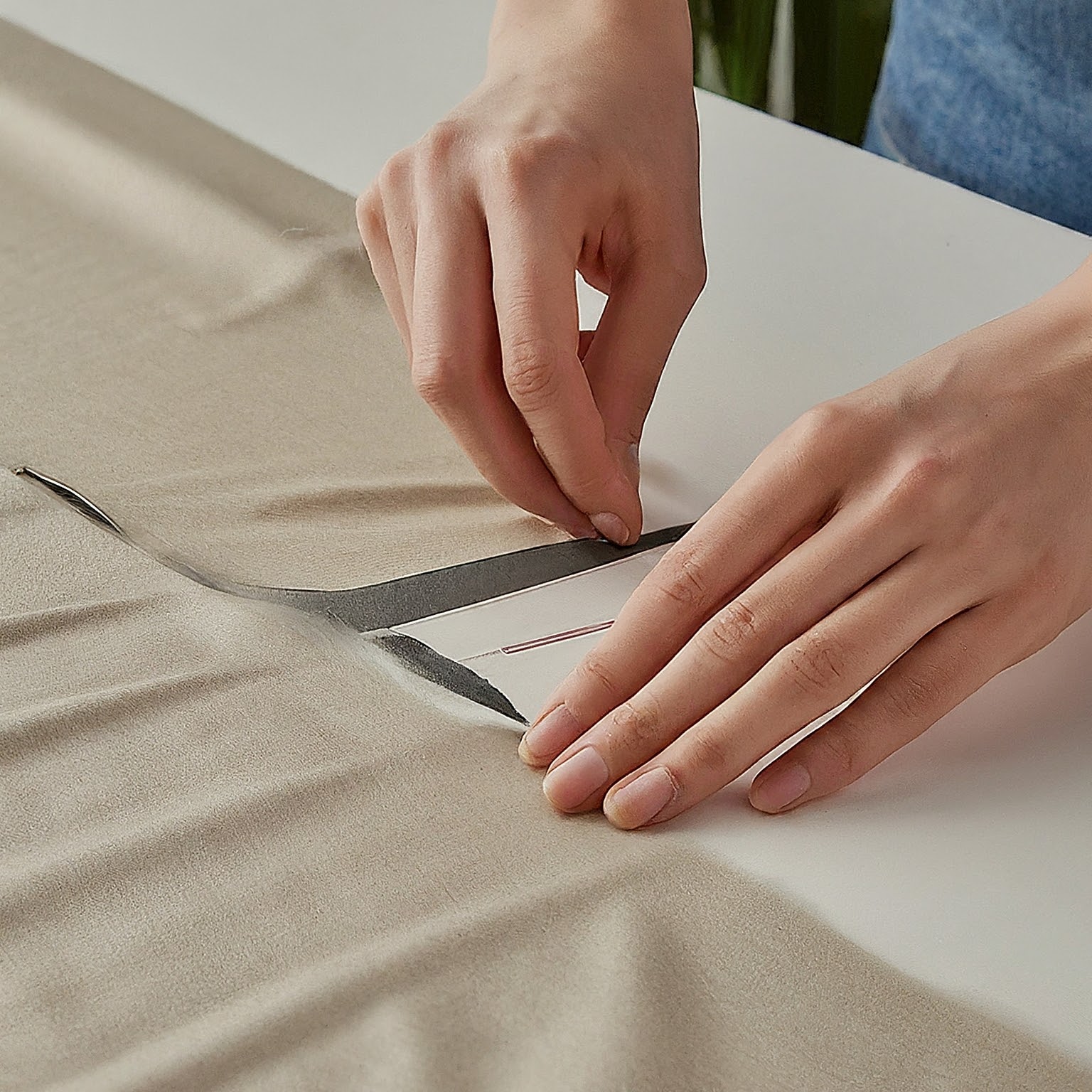
Fusible interlining is a type of interlining fabric that comes with a heat-activated adhesive on one side. When you apply heat, typically using an iron, the adhesive melts and bonds the interlining fabric to the garment fabric. This creates a strong bond without the need for stitching, making it a popular choice for many sewing enthusiasts.

Key Differences Between Fusible and Sew-In Interlining

Understanding the key differences between fusible interlining and sew-in interlining can help you make an informed decision:

  • Application: Fusible interlining is applied with heat, while sew-in interlining is attached with stitches.
  • Bonding: Fusible interlining creates a strong, permanent bond, while sew-in interlining provides a softer, more flexible hold.
  • Fabric Compatibility: Fusible interlining is not suitable for all fabrics, especially those sensitive to heat, whereas sew-in interlining can be used with any interlining fabric.
  • Finish: Fusible interlining provides a crisp finish, while sew-in interlining offers a more natural drape.

When to Use Fusible Interlining and Sew-In Interlining

Fusible interlining is ideal for projects where you need a quick, easy application and a firm structure. Here’s when you should consider using it:

  • Crisp collars and cuffs: Provides the stiffness needed for a polished look.
  • Tailored garments: Adds structure to blazers, jackets, and coats.
  • Quick projects: Saves time as it eliminates the need for stitching.

Sew-in interlining is best for projects that require a more flexible finish or involve delicate fabrics. Consider sew-in interlining for:

  • Evening gowns and delicate fabrics: Provides support without risking fabric damage.
  • Flowing garments: Offers a softer drape, ideal for dresses and skirts.
  • Handmade or couture projects: Allows for precise placement and control.

Pros and Cons of Fusible Interlining and sew-in interlining

Pros:

  • Ease of use: Simple to apply with an iron.
  • Time-saving: No need for sewing, making it faster to work with.
  • Wide availability: Comes in various weights and interlining types for different fabrics.
  • Versatile: Works with all interlining types of fabrics, including delicate and heat-sensitive ones.
  • Flexible finish: Offers a softer, more natural drape.
  • Durable: Stitched in place, so it won’t shift or peel.

Cons:

  • Heat sensitivity: Not suitable for all fabrics, particularly those that can’t withstand high heat.
  • Stiffness: Can make the garment too stiff if not chosen carefully.
  • Permanent bond: Once fused, it’s challenging to adjust or remove.
  • Time-consuming: Requires additional time and effort to sew in place.
  • Complexity: More challenging for beginners or quick projects.
  • Bulk: Can add extra bulk to seams if not carefully managed.

How to Choose the Right Interlining Fabric for Your Project
Choosing between fusible interlining and sew-in interlining depends on several factors, including the fabric you’re using, the type of garment, and the desired finish. Here’s a quick guide to help you decide:

  • Fabric Type: Use fusible interlining for fabrics that can withstand heat, and sew-in interlining for delicate or heat-sensitive fabrics.
  • Garment Type: For structured garments like blazers, choose fusible interlining. For softer, flowing garments, opt for sew-in interlining.
  • Experience Level: If you’re new to sewing, fusible interlining might be easier to work with. For more advanced projects, sew-in interlining offers greater control.

Conclusion

When it comes to choosing between fusible interlining and sew-in interlining, there’s no one-size-fits-all answer. It’s all about understanding your project’s needs, the fabric you’re working with, and the finish you want to achieve. Both fusible interlining and sew-in interlining offer unique benefits, so you can’t go wrong if you make your choice based on the specific requirements of your sewing project.

Remember, interlining fabric plays a crucial role in the overall quality and finish of your garment. Whether you choose fusible interlining for its ease and speed or sew-in interlining for its versatility and soft finish, you’ll be on your way to creating beautifully finished projects that look professional and polished.

Link of related Articles

shweta-textile-designer
 
Shweta, a textile designer with a keen eye and deep knowledge of fabrics, translates her passion into unique designs. She loves to share her expertise and ignite a love for textiles in others. Dive into the world of fabrics with Shweta!

Categories
Interlining

Benefits of using both lining and interlining fabric

Benefits of using both lining and interlining fabric

When it comes to sewing, the choices you make during the sewing process can significantly impact the quality, comfort, and longevity of the finished product. That’s where lining and interlining fabric come into play. While many people use these fabrics separately, combining both lining and interlining fabric can bring out the best in your garments. In this guide, you will know why using both lining and interlining can elevate your sewing projects, creating garments that not only look fantastic but also last longer.

Table of Contents

  • What is Lining Fabric?
  • What is Interlining?
  • Benefits of Using Both Lining and Interlining

What is Interlining?

Interlining fabric is a fabric or non-woven material placed between the outer and inner layers of a garment to provide support, structure, and shape. It can be made from various materials, including cotton, wool, polyester, and blends.

What is Lining?

Lining is a fabric that covers the inside of a garment, providing a smooth finish, durability, and additional warmth. It can be made from various materials, including silk, cotton, polyester, and blends.

Benefits of Using Both Lining and Interlining

Using both lining and interlining fabric can offer several advantages, including:

  • Enhanced structure and support: Interlining fabric provides the necessary support and shape to the garment, while lining adds an extra layer of protection and finish.
  • Improved drape and shape: Lining can help to improve the drape and shape of the garment, while interlining fabric can enhance the structure and support.
  • Increased durability: Both lining and interlining fabric can contribute to the overall durability of the garment, protecting it from wear and tear.
  • Enhanced comfort: Lining can add an extra layer of comfort, especially in colder weather.
  • Improved appearance: A well-lined garment with proper interlining garments will have a more polished and professional look.

Choosing the Right Lining and Interlining Combination

Selecting the right combination of lining and interlining fabric depends on several factors, including:

  • Garment type and style: Consider the intended use and desired look of the garment.
  • Fabric weight and drape: The weight and drape of the outer fabric will influence the choice of lining and interlining.
  • Desired level of support and structure: Determine the amount of support and structure needed for the garment.
  • Design details: Consider any design elements that require specific lining and interlining fabric support, such as collars, cuffs, and pockets.

Application Techniques

Proper application of lining and interlining fabric is crucial for achieving optimal results. Here are some general guidelines:

  • Cutting and preparation: Cut the lining and interlining slightly smaller than the fabric pieces to prevent bulkiness.
  • Basting or fusing: Choose the appropriate method based on the type of lining and interlining and garment construction.
  • Seams and darts: Reinforce seams and darts with additional interlining for durability.
  • Finishing touches: Trim excess lining and interlining garments and finish edges to prevent fraying.

Tips for Success

  • Experiment with different lining and interlining fabric combinations to find the perfect combination for your project.
  • Consider the climate and intended use of the garment when selecting lining and interlining.
  • Test the stability and drape of the lining and interlining combination before cutting into your main fabric.
  • Use high-quality lining and interlining fabric for the best results.

Conclusion

By mastering the art of using both lining and interlining, you can elevate your garment construction to new heights. Experimentation and practice are key to achieving optimal results. With careful consideration of garment type, fabric, and desired outcome, you can create exceptional garments with superior structure, support, and drape.

Link of related Articles

shweta-textile-designer
 
Shweta, a textile designer with a keen eye and deep knowledge of fabrics, translates her passion into unique designs. She loves to share her expertise and ignite a love for textiles in others. Dive into the world of fabrics with Shweta!

Categories
Woven Interlinings

Woven Interlining for Men’s Shirts & Suits | Enhance Garment Structure

Woven Interlining for Men’s Shirts & Suits | Enhance Garment Structure

When it comes to men’s fashion, the secret to a perfectly structured shirt or suit often lies in what you can’t see – the interlining. You may have noticed how some garments maintain their crispness and shape, even after hours of wear, while others tend to lose their form. The difference is woven interlining. This essential yet often overlooked component plays a crucial role in enhancing the structure, durability, and overall appearance of men’s shirts and suits.

In this article, I’ll guide you through the ins and outs of woven interlining, why it’s important in garment construction, and how choosing the right type can elevate your wardrobe to new heights. Whether you’re a fashion enthusiast, a designer, or simply someone who values a well-tailored look, understanding woven interlining fabric is key to achieving that polished, professional finish in your attire.

Table of Contents

  • What is Woven Interlining?
  • Why is Woven Interlining Important?
  • Types of Woven Interlining
  • Why Woven Interlining is Essential for Men’s Shirts & Suits
  • Choosing the Right Woven Interlining
  • Benefits of Using Woven Interlining
  • Best Practices for Applying Woven Interlining
  • Care Tips for Woven Interlining

What is Woven Interlining?

You might be wondering, what exactly is woven interlining? Well, woven interlining is a crucial component in fashion, especially when it comes to men’s shirts and suits. It’s a fabric layer inserted between the outer fabric and the inner lining of a garment. This fabric layer is made using a weaving technique, which gives it a sturdy yet flexible structure.

Woven interlining fabric enhances the shape, drape, and overall structure of your garments, ensuring they look polished and professional every time you wear them. While non-woven interlining offers certain advantages, woven interlining excels in providing superior support and durability due to its interlaced yarn construction.

Why is Woven Interlining Important?

You might be wondering why you should care about something you can’t see. Well, woven interlining is like the skeleton of your garment. It provides:

  • Shape Retention: Prevents your shirt or suit from sagging or losing its form over time.
  • Drape: Contributes to the elegant fall of the fabric.
  • Comfort: Adds a layer of softness and warmth.
  • Durability: Extends the life of your garment.

Types of Woven Interlining for Men’s Garments

Interlining types vary widely, each offering distinct properties. There are several types of woven interlining available, each offering different benefits depending on the garment and desired outcome. Here’s a quick breakdown:

  • Lightweight Woven Interlining: Ideal for dress shirts where you want to maintain a soft and natural feel.
  • Medium Weight Woven Interlining: Best for structured garments like suit jackets and blazers, offering a balance between flexibility and rigidity.
  • Heavyweight Woven Interlining: Used in areas that require maximum structure, like collars and cuffs.

Choosing the right type of woven interlining can make all the difference in how your garment looks and feels.

Why Woven Interlining is Essential for Men’s Shirts & Suits

If you’ve ever worn a well-tailored shirt or suit, you’ve likely experienced the difference between woven interlining and non-woven interlining. Woven interlining is what makes the difference. Here’s why it’s so important:

  • Enhanced Structure: Woven interlining helps your shirts and suits maintain their shape, even after multiple wears and washes.
  • Improved Durability: It adds an extra layer of strength, making your garments last longer.
  • Professional Appearance: This interlining fabric provides a crisp, clean look that’s essential for business attire.

Choosing the Right Woven Interlining

Selecting the appropriate interlining fabric is essential for achieving the desired garment outcome. Consider these factors:

  • Garment Style: The desired shape and drape will influence the choice of interlining.
  • Fabric Weight: The interlining should complement the weight of the outer fabric for optimal results.
  • Climate: Consider the climate when selecting the weight and warmth of the interlining.

Benefits of Using Woven Interlining

Investing in high-quality woven interlining is a wise decision. It offers numerous advantages:

  • Shape Retention: Woven interlining helps your garments hold their shape, so they always look sharp.
  • Comfort: Despite adding structure, it doesn’t compromise on comfort. You’ll feel just as good as you look.
  • Versatility: It’s suitable for a wide range of garments, from everyday shirts to high-end suits.
  • Increased Lifespan: Garments with woven interlining fabric are more durable, meaning you get more wear out of each piece.

Best Practices for Applying Woven Interlining

Applying woven interlining might seem like a task best left to professionals, but if you’re a DIY enthusiast or simply curious, here are some best practices to follow:

  • Pre-Shrink the Interlining: Always pre-shrink the woven interlining fabric before applying it to prevent any unwanted shrinking after the garment is made.
  • Align with Grain Lines: Make sure the interlining fabric is aligned with the grain lines for a smooth, natural drape.
  • Use a Press Cloth: When fusing the interlining fabric, use a press cloth to avoid direct heat contact, which can damage both the interlining and the garment fabric.
  • Test on Scrap Fabric: Before applying it to the actual garment, test the interlining on a scrap piece of fabric to ensure it behaves as expected.

Care Tips for Woven Interlining

To preserve the quality of your garments, follow these care guidelines:

  • Dry Cleaning: Most woven interlinings require professional dry cleaning.
  • Avoid Heat: Excessive heat can damage the interlining fibers.
  • Proper Storage: Store your garments on hangers to maintain their shape.

Conclusion

Woven interlining may not be visible on the outside, but its impact is undeniable. By enhancing the structure, durability, and appearance of your shirts and suits, woven interlining ensures that you always look your best, whether you’re at the office or at a formal event.

Link of related Articles

shweta-textile-designer
 
Shweta, a textile designer with a keen eye and deep knowledge of fabrics, translates her passion into unique designs. She loves to share her expertise and ignite a love for textiles in others. Dive into the world of fabrics with Shweta!

Categories
Non Woven Interlining

Non-Woven Fabric Manufacturing Process: A Detailed Guide

Non-Woven Fabric Manufacturing Process: A Detailed Guide

Are you curious about non-woven interlining fabrics and their manufacturing process? Let’s dive in! Understanding how non-woven interlining is made can enhance your appreciation of their widespread use and functional benefits. In this guide, we’ll explore the different manufacturing techniques and processes used to create these versatile materials.

Table of Contents

  • What is non-Woven interlining
  • Key Non-Woven Fabric Manufacturing Techniques
  • The Non-Woven Fabric Manufacturing Process
  • Advantages of Non-Woven Fabrics
  • Applications of Non-Woven Fabrics
  • Choosing the Right Non-Woven Fabric for Your Needs
  • Conclusion: Mastering the Non-Woven Fabric Manufacturing Process

What is non-Woven interlining

Non-woven interlining fabrics are incredibly versatile materials created by bonding fibers together using various methods, rather than weaving or knitting. These fabrics are utilized in a wide range of applications, from medical supplies to household items.

Non-woven interlining offers a host of unique advantages, including:

  • Durability: They are designed to withstand various stresses and strains.
  • Cost-Effectiveness: The manufacturing process is generally less expensive compared to traditional fabrics.
  • Flexibility: These fabrics can be engineered to meet specific needs and applications.

Non-woven fabrics offer:

  • Durability: Designed to handle various stresses.
  • Cost-Effectiveness: Typically cheaper to produce than woven fabrics.
  • Flexibility: Can be customized for specific needs.

Key Non-Woven Fabric Manufacturing Techniques

When it comes to producing non-woven interlining fabrics, there are several key techniques to consider:

  • Spunbonding: This process involves extruding molten polymer through spinnerets to form continuous filaments. These filaments are then laid down randomly and bonded together using heat and pressure. This method is somewhat analogous to creating woven interlining fabric, where fibers are meticulously laid out and fused.
  • Melt Blowing: Similar to spunbonding, melt blowing involves extruding polymer through fine nozzles to create extremely fine fibers. These fibers are collected on a conveyor belt and bonded using hot air. This technique is often used for creating non-woven fusible interlining, adding unique properties to the fabric.
  • Needle Punching: This method uses barbed needles to entangle fibers, creating a dense mat. The mat is then further processed to enhance its properties. For applications requiring sturdier fabrics, this method is akin to the woven interlining process.
  • Hydroentangling (Spunlacing): In this technique, high-pressure water jets are used to entangle fibers, creating a fabric with a soft, textile-like feel. This technique is similar to how non-woven interlining fabrics are processed for softer, more flexible applications.

Each technique has its own set of advantages and is chosen based on the desired characteristics of the final fabric.

The Non-Woven Fabric Manufacturing Process

Let’s break down the non-woven interlining fabric manufacturing process into manageable steps:

1. Fiber Preparation

  • Selection: Choose the right type of fiber for your application, such as polyester, polypropylene, or nylon. For interlining fabrics, selecting the right fiber is crucial for achieving the desired properties.
  • Blending: Fibers are blended to achieve the desired properties, such as strength or softness. This step is similar to preparing fibers for woven interlining fabric.

2. Web Formation

  • Spunbonding: Involves melting and extruding polymer, then laying the filaments onto a conveyor belt to form a web. This process is essential for creating woven interlining materials.
  • Melt Blowing: Fine fibers are created by extruding polymer through nozzles and collecting them on a belt. This is often used for non-woven fusible interlining to enhance the fabric’s performance.
  • Needle Punching: Fibers are laid out in a mat and then punched with needles to interlock the fibers. This method is crucial for producing durable non-woven interlining.
  • Hydroentangling: Water jets entangle fibers to form a cohesive web. This method creates fabrics with a texture similar to woven interlining fabric.

3. Web Bonding

  • Heat Bonding: Involves applying heat to melt and fuse the fibers together, creating a stable fabric. This technique is akin to the fusing interlining process used for interlining fabrics.
  • Chemical Bonding: Uses adhesive chemicals to bond the fibers, which are then cured to create a solid fabric. This process is similar to creating interlining fusible materials.
  • Mechanical Bonding: Employs methods like needle punching or hydroentangling to mechanically bond the fibers without heat or chemicals. This is also used in creating non-woven interlining fabrics.

4. Finishing

  • Calendering: The fabric is passed through rollers to improve its texture and density. This finishing step is essential for both non-woven interlining and woven interlining fabric.
  • Coating: Sometimes, a coating is applied to add specific properties, such as water resistance. This is particularly relevant for non-woven fusible interlining.
  • Cutting and Shaping: The final fabric is cut and shaped according to its intended use. This step ensures the fabric meets the specifications for various applications, including lining and interlining fabrics.

Advantages of Non-Woven Fabrics

Why choose non-woven interlining fabrics? Here are some key benefits:

  • Cost-Effective: The manufacturing process for non-woven fabrics is generally less expensive than traditional weaving or knitting. This is also true for interlining fabrics, making them a cost-effective choice for various applications.
  • Customizable: You can modify the fabric’s properties, such as thickness and texture, to suit different applications. This flexibility is similar to how woven interlining and interlining in garments are tailored to specific needs.
  • Durable: Many non-woven fabrics are designed to be strong and long-lasting. This durability is a significant advantage for woven interlining fabrics used in demanding applications.
  • Versatile: These fabrics can be used in a wide range of applications, from medical supplies to industrial uses. This versatility extends to various interlining types, including woven fusible interlining and non-woven interlining.

Applications of Non-Woven Fabrics

Non-woven fabrics are incredibly versatile and used in many industries:

  • Medical Industry: Used for surgical gowns, masks, and dressings due to their sterile and breathable properties. This is similar to how interlining fabrics are used in medical garments.
  • Automotive Industry: Applied in filters, soundproofing materials, and upholstery. The principles of non-woven interlining can be applied here for enhanced performance.
  • Construction Industry: Utilized for geotextiles, insulation, and vapor barriers. Non-woven fusible interlining can offer additional benefits for construction applications.
  • Consumer Goods: Found in household products like cleaning wipes, disposable diapers, and protective clothing. This mirrors the applications of various interlining types.

Choosing the Right Non-Woven Fabric for Your Needs

Selecting the appropriate non-woven fabric depends on several factors:

By evaluating these factors, you can choose the right non-woven interlining fabric to meet your project’s requirements.

Conclusion

Understanding the non-woven interlining fabric manufacturing process is key to appreciating the versatility and functionality of these materials. From fiber preparation to web formation and bonding, each step plays a crucial role in creating high-quality non-woven interlining.

By mastering the intricacies of non-woven interlining fabric production, you can make better choices for your projects, ensuring you achieve the desired results in terms of performance, durability, and cost-effectiveness. So, whether you’re working on medical supplies, automotive components, or consumer products, knowing the ins and outs of non-woven interlining manufacturing will set you up for success.

Link of related Articles

shweta-textile-designer
 
Shweta, a textile designer with a keen eye and deep knowledge of fabrics, translates her passion into unique designs. She loves to share her expertise and ignite a love for textiles in others. Dive into the world of fabrics with Shweta!

Categories
Interlining

Interlining Fabric Characteristics | Complete Guide

Interlining Fabric Characteristics | Complete Guide

Interlining is like the secret ingredient in a great outfit. It’s the stuff you don’t see, but it makes a big difference. It helps your clothes keep their shape, feel good, and look amazing. This guide will help you understand interlining better, so you can choose the right one for your sewing projects.

In this guide, we will explore the world of interlining fabric, uncovering its importance, types, and how to select the perfect one for your next creation. Whether you’re a beginner or a seasoned seamstress, this information will empower you to make informed choices and elevate your sewing projects.

Table of Contents

  • What is Interlining Fabric?
  • Key Characteristics of Interlining Fabric
  • Types of Interlining Fabrics
  • How to Choose the Right Interlining Fabric
  • Benefits of Using Interlining Fabric
  • Tips for Working with Interlining Fabric
  • Conclusion: Mastering Interlining Fabric for Better Garments

What is Interlining Fabric?

Interlining fabric is an essential component in garment construction that provides additional support and structure to your clothing. It’s a layer of fabric placed between the outer fabric and the lining of a garment, designed to enhance its shape and durability.

You might find interlining fabric in various garments, from jackets and coats to shirts and suits. Its primary role is to ensure that the final product looks polished and maintains its form over time.

dg-banner

Key Characteristics of Interlining Fabric

Understanding the key characteristics of interlining fabric can help you make informed choices when it comes to garment construction. Here’s what you need to know:

  • Thickness and Weight: Interlining fabric comes in various thicknesses and weights. Light interlinings are used for softer, more flexible garments, while heavy interlinings provide a firmer structure.
  • Material Composition: It can be made from a variety of materials, including cotton, polyester, and blends. The choice of material affects the fabric’s drape and durability.
  • Fusibility: Some interlining fabrics are fusible, meaning they can be adhered to the main fabric using heat. This type of interlining is easy to apply and provides a stable structure.
  • Breathability: Good interlining fabric should allow the garment to breathe, ensuring comfort even when worn for extended periods.
  • Durability: A high-quality interlining fabric enhances the longevity of your garments by providing additional strength and resistance to wear and tear.

Types of Interlining Fabrics

Choosing the right type of interlining fabric is crucial for achieving the desired look and feel of your garment. Here are the main types:

  • Woven Interlining: Made by weaving threads together, woven interlining type offers a structured finish and is commonly used in tailored garments like suits and blazers.
  • Non-Woven Interlining: Created by bonding fibers together, non-woven interlining is often used for lighter garments and offers flexibility and ease of use.
  • Fusible Interlining: This type of interlining fabric has an adhesive on one side, which bonds to the main fabric when heat is applied. Fusible interlining is great for a crisp, stable finish.
  • Non-Fusible Interlining: Unlike fusible types, non-fusible interlining requires stitching or tacking to attach it to the fabric. It’s ideal for garments that require extra flexibility.
  • Woven Fusible Interlining: Combining the benefits of woven fabric with fusibility, woven fusible interlining provides both structure and ease of application.

How to Choose the Right Interlining Fabric
Selecting the right interlining fabric can make all the difference in your garment’s performance and appearance. Here’s how you can choose wisely:

  • Consider the Garment Type: The purpose of the garment will determine the type of interlining fabric you need. For example, use a heavier interlining for a structured suit jacket and a lighter one for a casual shirt.
  • Match the Fabric Weight: Ensure that the interlining fabric weight matches the weight of your outer fabric. This ensures a consistent drape and fit.
  • Assess Comfort Needs: Choose an interlining fabric that allows for breathability and comfort, especially for garments worn close to the skin.
  • Check for Compatibility: Ensure that the interlining is compatible with your outer fabric, especially if you’re using fusible types that require heat application.

By considering these factors, you’ll be able to select the perfect interlining fabric for your needs.

Benefits of Using Interlining Fabric

Integrating interlining fabric into your garments offers several advantages:

  • Improved Structure: Interlining fabric helps garments maintain their shape and structure, giving them a professional appearance.
  • Enhanced Durability: It adds strength to the garment, making it more resistant to wear and tear.
  • Better Fit: Proper use of interlining fabric ensures that garments fit well and stay in place.
  • Increased Comfort: High-quality interlining fabric enhances the comfort of the garment by allowing for better breathability and flexibility.

Tips for Working with Interlining Fabric

If you’re planning to work with interlining fabric, here are some tips to help you achieve the best results:

  • Pre-Shrink Your Interlining: Always pre-shrink your interlining fabric to avoid any surprises after it’s been applied.
  • Test on Scraps: Before applying interlining to your main fabric, test it on scrap pieces to ensure compatibility and desired results.
  • Follow Application Instructions: For fusible interlinings, follow the manufacturer’s instructions carefully to ensure proper adhesion and avoid damage.
  • Use Proper Tools: A pressing cloth and a suitable iron are essential for applying fusible interlining effectively without damaging the fabric.

Conclusion

Understanding interlining fabric is essential for anyone involved in garment construction. Whether you’re crafting a sleek suit or a stylish shirt, the choice of interlining fabric plays a pivotal role in achieving a polished, well-structured, and durable final product. By familiarizing yourself with the different types of interlining fabrics—including woven interlining, non-woven interlining, and fusible interlining—you can make informed decisions that enhance your garment’s fit and appearance.

Incorporating the right interlining fabric ensures improved structure, better durability, and increased comfort. With options like woven fusible interlining and non-woven fusible interlining, you can tailor your choice to match the specific needs of your garment, whether it’s for a formal suit or a casual shirt.

Link of related Articles

shweta-textile-designer
 
Shweta, a textile designer with a keen eye and deep knowledge of fabrics, translates her passion into unique designs. She loves to share her expertise and ignite a love for textiles in others. Dive into the world of fabrics with Shweta!

Categories
Garment Accessories

How to Sew on Blazer Buttons: A Step-by-Step Guide

How to Sew on Blazer Buttons: A Step-by-Step Guide

Sewing on blazer buttons might seem like a simple task, but doing it correctly can make a significant difference in the appearance and functionality of your blazer. Whether you’re replacing a lost button or adding a new one, knowing how to properly sew on a button ensures your blazer looks sharp and stays secure. This guide also covers similar tasks like attaching button coats and buttons for jackets, making it versatile for different types of outerwear.

In this guide, I’ll walk you through the entire process of sewing blazer buttons, offering practical tips and tricks to help you achieve a professional finish.

Table of Contents

  • Tools and Materials You’ll Need
  • Preparing Your Blazer for Button Sewing
  • Step-by-Step Guide to Sewing Blazer Buttons
  • Tips for a Professional Finish
  • Common Mistakes to Avoid
  • Conclusion

Tools and Materials You’ll Need

Before we dive into the actual sewing, let’s gather the necessary tools and materials:

  • Blazer Buttons: Choose buttons for jackets or specifically for blazers that match or complement your garment. Ensure they are the right size and style.
  • Needle and Thread: Opt for a strong, matching thread that complements the color of your blazer. A needle with an appropriate size for the thread is also essential.
  • Buttonhole Opener (if needed): If your blazer doesn’t already have buttonholes, you might need a buttonhole opener to create them.
  • Tailor’s Chalk or Fabric Marker: For marking button positions on your blazer.
  • Scissors: To trim excess thread.

Preparing Your Blazer for Button Sewing

Before you start sewing, it’s essential to prepare your blazer properly:

  • Inspect the Area: Check the spot where you’ll be sewing the button. If there was an old button, remove any remnants and threads.
  • Mark the Position: Use tailor’s chalk or a fabric marker to mark the exact position where the button will go. Ensure it aligns with existing buttonholes or the intended placement.
  • Create Buttonholes: If your blazer doesn’t have buttonholes, carefully create them using a buttonhole opener or a sewing machine, if you’re comfortable with that.

Step-by-Step Guide to Sewing Blazer Buttons

Here’s a detailed guide to sewing your blazer buttons:

1. Thread the Needle

  • Cut the Thread: Cut a length of thread about 18 inches long. This is manageable and helps avoid tangling.
  • Thread the Needle: Pass the thread through the needle’s eye and tie a knot at the end of the thread.

2. Position the Button

  • Align the Button: Place the blazer button over the marked position on the blazer. Make sure it’s centered and aligned with any existing buttonholes.
  • Insert the Needle: Start from the back of the blazer fabric and bring the needle up through one of the button’s holes.

3. Sew the Button

  • First Stitch: Pull the thread tight and push the needle down through the adjacent hole of the button. Repeat this process for each hole of the button, sewing through all the holes.
  • Create a Shank: For a more secure attachment, especially on thicker fabrics, create a shank by placing a small piece of thread or a matchstick between the button and the fabric. This adds space between the button and the fabric, allowing for easier buttoning and unbuttoning.

4. Secure the Button

  • Cross-Stitching: To strengthen the attachment, especially for button coat and blazer buttons, cross-stitch over the button by sewing diagonally across the button’s holes. This creates a crisscross pattern, adding stability.
  • Tie Off the Thread: On the backside of the fabric, make a few small stitches to secure the thread. Trim any excess thread with scissors.

5. Check the Button

  • Test the Fit: Ensure the blazer button is secure and doesn’t wobble. Test it in the buttonhole to make sure it fits properly.

Following these steps will ensure your blazer buttons are sewn on securely and professionally.

Tips for a Professional Finish

To achieve a polished look when sewing on blazer buttons:

  • Use Matching Thread: Choose a thread color that matches your blazer for a seamless appearance.
  • Keep Stitches Even: Make sure your stitches are even and consistent in length to enhance the button’s appearance.
  • Reinforce the Button: For added durability, sew through the button’s holes several times to ensure it stays firmly in place.

Common Mistakes to Avoid

Avoid these common pitfalls when sewing on blazer buttons:

  • Incorrect Thread Length: Using too long or too short a thread can cause problems. Aim for about 18 inches of thread for optimal control.
  • Misaligned Buttonholes: Ensure that the button is correctly aligned with the buttonholes. Misalignment can make buttoning difficult.
  • Skipping the Shank: Not creating a shank can cause the button to sit too close to the fabric, making it hard to button or unbutton.

By avoiding these mistakes, you’ll ensure a smoother and more effective button sewing process.

Conclusion

Sewing on blazer buttons is a simple yet essential skill for maintaining and enhancing your wardrobe. By following the steps outlined in this guide and applying the tips provided, you can ensure that your blazer buttons are securely attached and professionally finished. Whether you’re working with button coats or buttons for jackets, these techniques will help you achieve a sharp and stylish look for all your outerwear.

Link of related Articles

shweta-textile-designer
 
Shweta, a textile designer with a keen eye and deep knowledge of fabrics, translates her passion into unique designs. She loves to share her expertise and ignite a love for textiles in others. Dive into the world of fabrics with Shweta!

Categories
Fusible Interlining

Fusing Interlining on Delicate Fabrics: Tips and Tricks

Fusing Interlining on Delicate Fabrics: Tips and Tricks

If you’ve ever worked with delicate fabrics, you know the challenge of adding structure without damaging the material. Fusing interlining is a technique that can help you achieve this balance. This approach allows you to reinforce and support your garment, giving it the shape and durability it needs while preserving the delicate nature of fabrics like silk and chiffon.

In this article, I’ll guide you through the process of using fusing interlining on delicate fabrics. You’ll get practical tips and tricks to ensure you achieve the best results, making sure your garments look professional and hold their shape without compromising their delicate quality.

Table of Contents

  • What is Fusible Interlining?
  • Why Use Fusing Interlining on Delicate Fabrics?
  • Preparing Your Fabric and Interlining
  • Step-by-Step Guide to Fusing Interlining
  • Tips for Successful Fusing on Delicate Fabrics
  • Common Mistakes to Avoid
  • Conclusion

What is Fusible Interlining?

Fusible interlining is a specialized type of interlining fabric designed to provide structure and support to garments. It has an adhesive backing that allows it to bond with your main fabric when heat is applied.

Why Use Fusing Interlining on Delicate Fabrics?

Fusing interlining serves several important purposes when working with delicate fabrics:

  • Stability and Structure: It helps to maintain the shape of your garment, preventing it from becoming too soft or floppy. For delicate fabrics like silk or chiffon, interlining provides the necessary support without compromising the fabric’s drape. Woven interlining is often used in these situations for its strength and stability.
  • Enhanced Durability: Adding fusing interlining can increase the longevity of your garments by reducing wear and tear. This is crucial for delicate fabrics that are prone to stretching or sagging.
  • Improved Finish: Fusing interlining gives a professional, polished look to your finished garment. It ensures that collars, cuffs, and other areas maintain their shape and structure.

Preparing Your Fabric and Interlining

Before you start fusing, proper preparation is key:

  • Choose the Right Interlining Fabric: Opt for a lightweight, fusible interlining that matches the delicate nature of your fabric. Non-woven fusible interlining is often a good choice for this purpose, providing the necessary support without added bulk.
  • Pre-Wash Your Fabrics: Wash and iron both your main fabric and interlining fabric before fusing. This step pre-shrinks the materials and ensures they react uniformly during the fusing process.
  • Test on a Sample: Always test the fusing interlining on a small, inconspicuous area of your fabric. This will help you gauge how the materials interact and make adjustments if necessary.

Step-by-Step Guide to Fusing Interlining

Here’s a straightforward guide to help you fuse interlining onto delicate fabrics:

1. Cut the Interlining

  • Cut to Size: Cut your fusing interlining to the same size and shape as the fabric pieces you plan to fuse. Ensure you align it precisely with the fabric pieces to avoid any misalignment.
  • Allow for Seam Allowance: If you’re working on garment pieces, add a bit of extra space for seam allowances to ensure a perfect fit.

2. Position the Interlining

  • Align the Layers: Place the interlining on the wrong side of the fabric, ensuring that the adhesive side of the interlining is facing the fabric.
  • Smooth Out Wrinkles: Gently smooth out any wrinkles or bubbles between the interlining and the fabric to ensure an even bond.

3. Fuse the Interlining

  • Set Your Iron: Preheat your iron to the appropriate temperature for your fabric type. Typically, a medium to high setting works best, but always refer to the interlining fabric manufacturer’s instructions.
  • Press with Care: Place a pressing cloth over the fabric to protect it from direct heat. Press the iron down firmly without moving it around. Apply even pressure for the time specified on the interlining instructions.
  • Check for Bonding: Lift the pressing cloth occasionally to check if the interlining has bonded well. If it hasn’t, press it again for a few more seconds.

Following these steps will help you achieve a solid bond between the interlining and your delicate fabric.

Tips for Successful Fusing on Delicate Fabrics

Here are some practical tips to ensure success when fusing interlining on delicate fabrics:

  • Use a Pressing Cloth: Always use a pressing cloth to protect your delicate fabric from direct heat and potential damage.
  • Avoid Steam: Steam can cause delicate fabrics to stretch or become misshapen. Stick to dry pressing for best results.
  • Do Not Overheat: Avoid using an excessively hot iron, as this can scorch or damage delicate fabrics. Check the manufacturer’s recommendations for optimal temperature settings.
  • Press, Don’t Iron: Gently press the iron down rather than sliding it over the fabric. This technique minimizes the risk of stretching or distorting the fabric.

Applying these tips will help you achieve the best possible results and maintain the integrity of your delicate fabrics.

Common Mistakes to Avoid

Here are some common pitfalls to avoid when fusing interlining on delicate fabrics:

  • Skipping the Test: Failing to test on a sample piece can lead to unexpected results. Always test first to avoid any surprises.
  • Using the Wrong Temperature: Using an iron that’s too hot can damage your fabric or cause the interlining to bond unevenly. Stick to the recommended temperature settings.
  • Not Using a Pressing Cloth: Direct heat can harm delicate fabrics. Always use a pressing cloth to provide a protective layer between the iron and the fabric.

Conclusion

Fusing interlining on delicate fabrics is a delicate process that requires care and attention. By following the tips and steps outlined in this guide, you can add structure and stability to your garments without compromising the integrity of your fabric.

Remember, preparation is key, and using the right techniques will ensure that your fusing process is smooth and effective. With these insights, you’ll be well-equipped to handle fusing interlining on even the most delicate of fabrics, achieving professional results every time.

Link of related Articles

shweta-textile-designer
 
Shweta, a textile designer with a keen eye and deep knowledge of fabrics, translates her passion into unique designs. She loves to share her expertise and ignite a love for textiles in others. Dive into the world of fabrics with Shweta!

Categories
Garment Accessories

How to Choose the Right Blazer Buttons: A Complete Guide

How to Choose the Right Blazer Buttons: A Complete Guide

Choosing the right blazer buttons might seem like a small detail, but it can make a big difference in the overall look and feel of your blazer. Whether you’re customizing a new blazer or updating an old one, the buttons play a crucial role in defining the style and functionality of your garment. In this article, I’ll guide you through the process of selecting the perfect blazer buttons, so you can enhance your blazer’s appearance and make a stylish statement.

Table of Contents

  • Understand the Purpose of Blazer Buttons
  • The Impact of Buttons on Your Blazer’s Style
  • Types of Blazer Buttons
  • How to Match Buttons with Your Blazer
  • Tips for Selecting High-Quality Blazer Buttons
  • Conclusion

Understand the Purpose of Blazer Buttons

Blazer buttons serve both functional and aesthetic purposes. They fasten the blazer, providing structure and support, while also adding to the overall style and elegance. Choosing the right blazer buttons ensures that your blazer fits well, looks polished, and reflects your personal taste.

The Impact of Buttons on Your Blazer’s Style

Believe it or not, those tiny little blazer buttons can make a huge difference in its overall look and feel. They’re like the jewelry of your outfit, adding a touch of personality and style.

  • Button size: The larger the button, the more casual the look. Smaller buttons tend to be more formal.
  • Button shape: Round buttons are classic, while square or rectangular buttons can add a modern edge.
  • Button number: The number of buttons on your blazer can influence its formality. More buttons generally equate to a more formal look.

Types of Blazer Buttons

Understanding the different interlining types can help you make an informed decision when purchasing your next coat. Here are the main types of interlining fabric:

1. Material Options

  • Metal Buttons: These are classic and durable, offering a sophisticated look. Common metals include brass, gold, and silver. Metal blazer buttons are often used in formal blazers and can add a touch of elegance to your outfit.
  • Plastic Buttons: These are versatile and come in various finishes. They’re a more affordable option and can mimic the look of metal or natural materials. Plastic buttons are ideal for casual or everyday blazers.
  • Fabric Covered Buttons: These buttons are covered with the same fabric as your blazer, creating a seamless and uniform appearance. They’re great for a coordinated look and work well with both formal and casual blazers.

2. Button Sizes

  • Small Buttons: These are subtle and often used on blazers with a minimalist design. They’re perfect for a sleek, understated look.
  • Medium Buttons: The most common size for blazers, offering a balanced appearance that works well with various styles and fabrics.
  • Large Buttons: These make a bold statement and are typically used on fashion-forward blazers. They can add a distinctive touch and are great for highlighting your personal style.

3. Button Styles

  • Shank Buttons: These have a small loop on the back that attaches to the blazer, allowing the button to sit slightly away from the fabric. They’re ideal for thicker fabrics and provide a classic look.
  • Flat Buttons: These sit flush against the fabric and are commonly used in modern blazer designs. They offer a clean and contemporary appearance.
  • Four-Hole Buttons: These provide extra security and are less likely to come loose. They’re practical and often used in both casual and formal blazers.
  • Two-Hole Buttons: These are simpler and more traditional, offering a straightforward look. They’re often used in classic blazer designs.

How to Match Buttons with Your Blazer

  • Fabric Coordination: Ensure the button material complements the blazer fabric. For example, metal buttons work well with wool and tweed blazers, while fabric-covered buttons are ideal for lighter fabrics like linen.
  • Color Matching: Choose button colors that either match or contrast with your blazer color. Matching buttons create a cohesive look, while contrasting buttons can add a pop of interest.
  • Occasion Consideration: For formal occasions, opt for classic and elegant buttons, like metal or fabric-covered ones. For casual wear, you can experiment with different styles and materials.

Tips for Selecting High-Quality Blazer Buttons

  • Check the Finish: High-quality blazer buttons have a smooth, even finish with no imperfections. Inspect the buttons closely to ensure they meet your standards.
  • Evaluate the Durability: Choose buttons made from durable materials that can withstand regular use. Metal and horn buttons tend to be more durable than plastic ones.
  • Ensure Proper Attachment: Make sure the buttons are securely attached to the blazer. A well-attached button ensures functionality and longevity.

Conclusion

Choosing the right blazer buttons can significantly impact the look and functionality of your blazer. By considering the material, size, style, and how they match with your blazer, you can enhance both its appearance and comfort. Whether you’re aiming for a classic, elegant look or a modern, stylish statement, the right buttons will help you achieve your desired result.So next time you’re selecting buttons for your blazer or a button coat, keep these tips in mind to make an informed decision and elevate your style. Happy button choosing!

Link of related Articles

shweta-textile-designer
 
Shweta, a textile designer with a keen eye and deep knowledge of fabrics, translates her passion into unique designs. She loves to share her expertise and ignite a love for textiles in others. Dive into the world of fabrics with Shweta!

Categories
Interlining

What is Interlining and Why Does Your Coat Need It ? | Ultimate Guide

What is Interlining and Why Does Your Coat Need It? | Ultimate Guide

Have you ever wondered why some coats feel so much more comfortable and durable than others? The secret often lies in a hidden layer called interlining fabric. But what is interlining, and why does your coat need it? In this article, you will learn about interlining fabric and discover its importance in enhancing your coat’s quality.

Table of Contents

  • What is Interlining?
  • Why Does Your Coat Need Interlining?
  • Types of Interlining
  • How to Choose the Right Interlining
  • Benefits of Interlining
  • Can you add Interlining to an Existing Coat?
  • Conclusion

What is Interlining?

Imagine your coat as a sandwich. The outer fabric is the bread, the warm filling is the insulation, and the secret ingredient that holds it all together, giving your coat its structure and shape, is the interlining.

Interlining fabric is a thin layer of fabric or non-woven interlining material placed between the outer and inner fabric of your coat. It’s like the skeleton of your coat, providing support, warmth, and durability.

Why Does Your Coat Need Interlining?

You might be wondering, “Can’t my coat just be made with thicker fabric?” While that might add some warmth, it won’t give your coat the same structure, drape, or durability as interlining. Here’s why interlining is crucial:

  • Shape and Structure: Interlining provides the backbone of your coat, helping it maintain its shape even after multiple wears and washes.
  • Warmth: While not the primary source of warmth, interlining can trap a bit of extra heat, enhancing your coat’s overall coziness.
  • Durability: Interlining reinforces the coat’s fabric, preventing it from tearing or stretching out of shape.
  • Drape:Interlining contributes to the way your coat hangs and falls, influencing its overall look and feel.

Types of Interlining

Understanding the different interlining types can help you make an informed decision when purchasing your next coat. Here are the main types of interlining fabric:

1. Fusible Interlining

Fusible interlining is a type of interlining that has an adhesive on one side, which melts when heated and bonds to the fabric.

  • Use: Commonly used in collars, cuffs, and front facings of coats.
  • Benefits: Easy to apply, provides a firm structure, and helps in maintaining the shape of the coat.

2. Non-Fusible Interlining

Non-fusible interlining does not have adhesive and is sewn into the garment.

  • Use: Ideal for delicate fabrics that cannot withstand high heat.
  • Benefits: Adds softness and flexibility to the coat, making it comfortable to wear.

3. Woven Interlining

Woven interlining is made from woven fabrics and offers a strong, stable structure.

  • Use: Suitable for heavy-duty coats and jackets.
  • Benefits: Provides excellent durability and support.

4. Non-Woven Interlining

Non-woven interlining is made from bonded fibers and is less structured than woven interlining.

  • Use: Common in lightweight coats and garments.
  • Benefits: Adds a soft layer without adding much bulk.

How to Choose the Right Interlining

Selecting the right interlining fabric depends on the type of coat you’re making or repairing. Here are some factors to consider:

  • Coat style: A heavy winter coat might require a thicker, warmer interlining, while a lightweight spring coat might need a thinner, more breathable option.
  • Fabric weight: The weight of your outer fabric will influence the type of interlining needed.
  • Desired drape: If you want a structured coat, choose a stiffer interlining. For a softer drape, opt for a lighter option.
  • Climate: Consider your local climate when choosing interlining fabric. A warmer climate might call for a lighter interlining.

Benefits of Interlining

Interlining offers numerous advantages:

  • Improved fit: A well-interlined coat will drape beautifully and flatter your figure.
  • Longer lifespan: Interlining helps your coat resist wear and tear, extending its life.
  • Enhanced warmth: While not a primary source of warmth, interlining can add a layer of insulation.
  • Professional finish: A coat with interlining looks and feels more luxurious.

Conclusion

Interlining fabric enhances warmth, improves structure, increases durability, and ensures a comfortable fit. Whether you’re buying a new coat or looking to understand more about the ones you already own, knowing about interlining fabric will help you appreciate the craftsmanship that goes into making a quality garment.

Link of related Articles

shweta-textile-designer
 
Shweta, a textile designer with a keen eye and deep knowledge of fabrics, translates her passion into unique designs. She loves to share her expertise and ignite a love for textiles in others. Dive into the world of fabrics with Shweta!