Categories
Non Woven Interlining

The Benefits of Non-Woven Interlining for Cuffs and Collars

Ever wondered how your favorite shirts and jackets maintain those crisp, well-defined cuffs and collars? The secret often lies in non-woven interlining. In this article, You’ll go through the benefits of non-woven interlining for cuffs and collars, showing you why it’s a game-changer in garment construction. Whether you’re designing clothes, tackling a DIY project, or just curious, you’ll find valuable insights here.

Table of Contents

  • Understanding Non-Woven Interlining for Garment Components
  • Why Non-Woven Interlining Is Ideal for Cuffs and Collars
  • How Non-Woven Interlining Works
  • Choosing the Right Non-Woven Interlining
  • Tips for Using Non-Woven Interlining Effectively
  • Conclusion
non-woven-interlining

Understanding Non-Woven Interlining for Garment Components

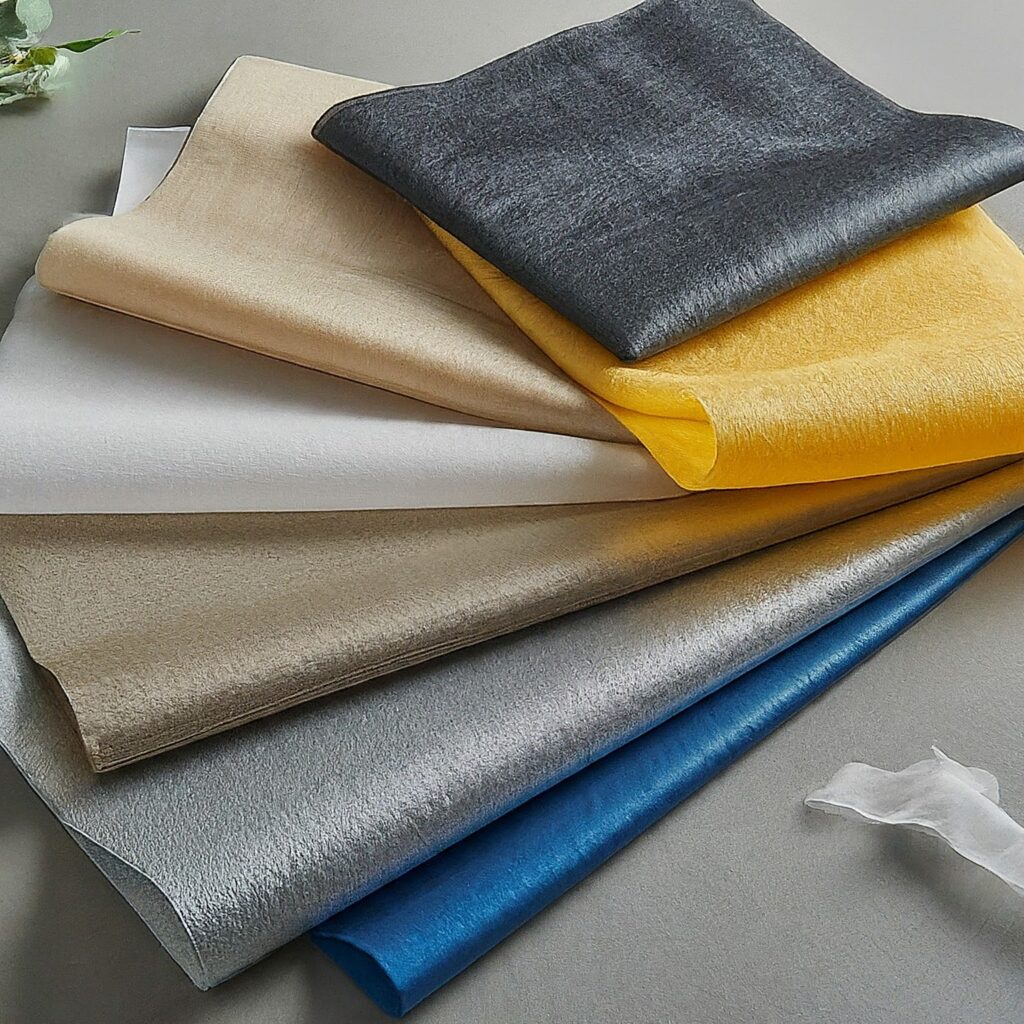
Non-woven interlining is a type of interlining fabric used to add structure and stability to garments. Unlike woven fabrics, non-woven interlining is created by bonding fibers together through heat, pressure, or adhesives. This process results in a fabric that’s lightweight, flexible, and effective in reinforcing garment parts like cuffs and collars.

Key Features:

  • Manufacturing Process: Created by bonding fibers, not weaving.
  • Flexibility: Provides structure without bulk.
  • Variety: Comes in different weights and types, including woven interlining fabric and fusible interlining, to suit various needs.

Why Non-Woven Interlining Is Ideal for Cuffs and Collars

Using non-woven interlining for cuffs and collars offers several advantages. Here’s why it’s an excellent choice:

Enhances Structure and Shape

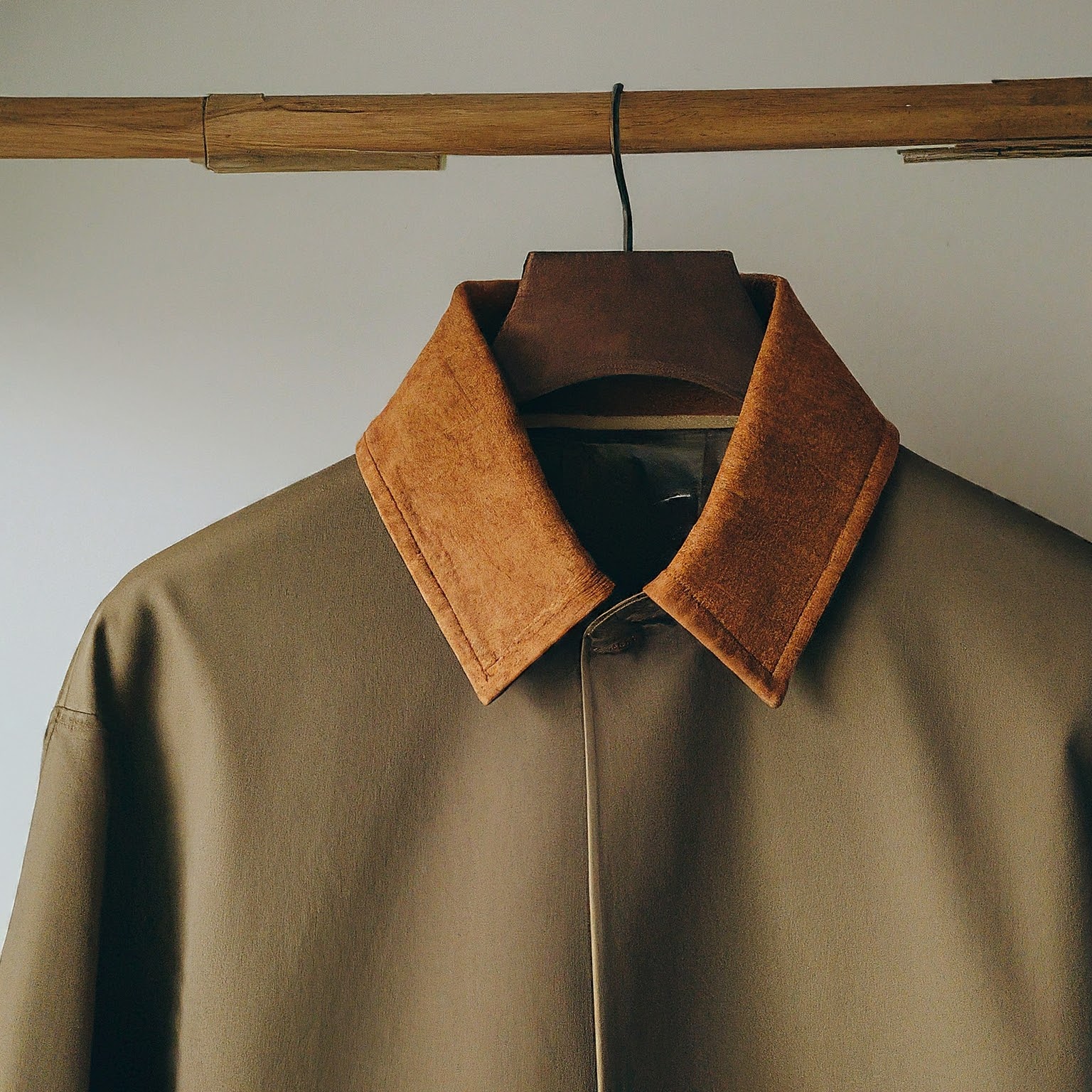
Non-woven interlining is perfect for adding the right amount of stiffness to cuffs and collars, helping them maintain their shape and structure. This is crucial for achieving a polished look and ensuring that the cuffs and collars stay in place throughout wear.

  • Firmness: Adds essential stiffness to maintain a crisp appearance, similar to the benefits of woven fusible interlining.
  • Shape Retention: Prevents sagging and distortion, keeping cuffs and collars looking sharp, much like woven interlining fabric.
non-woven-interlining

Increases Durability

By reinforcing cuffs and collars, non-woven interlining also enhances the overall durability of the garment. It helps prevent common issues like fraying, stretching, or wear and tear, extending the lifespan of your clothing.

  • Fraying Prevention: Keeps edges from unraveling, akin to interlining non-woven.
  • Extended Lifespan: Reduces the need for repairs and maintenance.

Improves Appearance

A well-structured cuff or collar can significantly elevate the look of a garment. Non-woven interlining ensures that these elements lay flat and look polished, contributing to a high-quality finish that reflects professionalism and attention to detail, much like fusing interlining.

  • Professional Finish: Provides a clean, crisp look, similar to the effects of woven interlining fabric.
  • Consistent Quality: Keeps cuffs and collars looking their best, even after multiple washes.
non-woven-interlining

How Non-Woven Interlining Works

To appreciate the benefits of non-woven interlining, it helps to understand how it functions. Here’s a brief overview:

  • Bonding Process: Non-woven interlining is made by bonding fibers together using heat, pressure, or adhesives, much like interlining fusible.
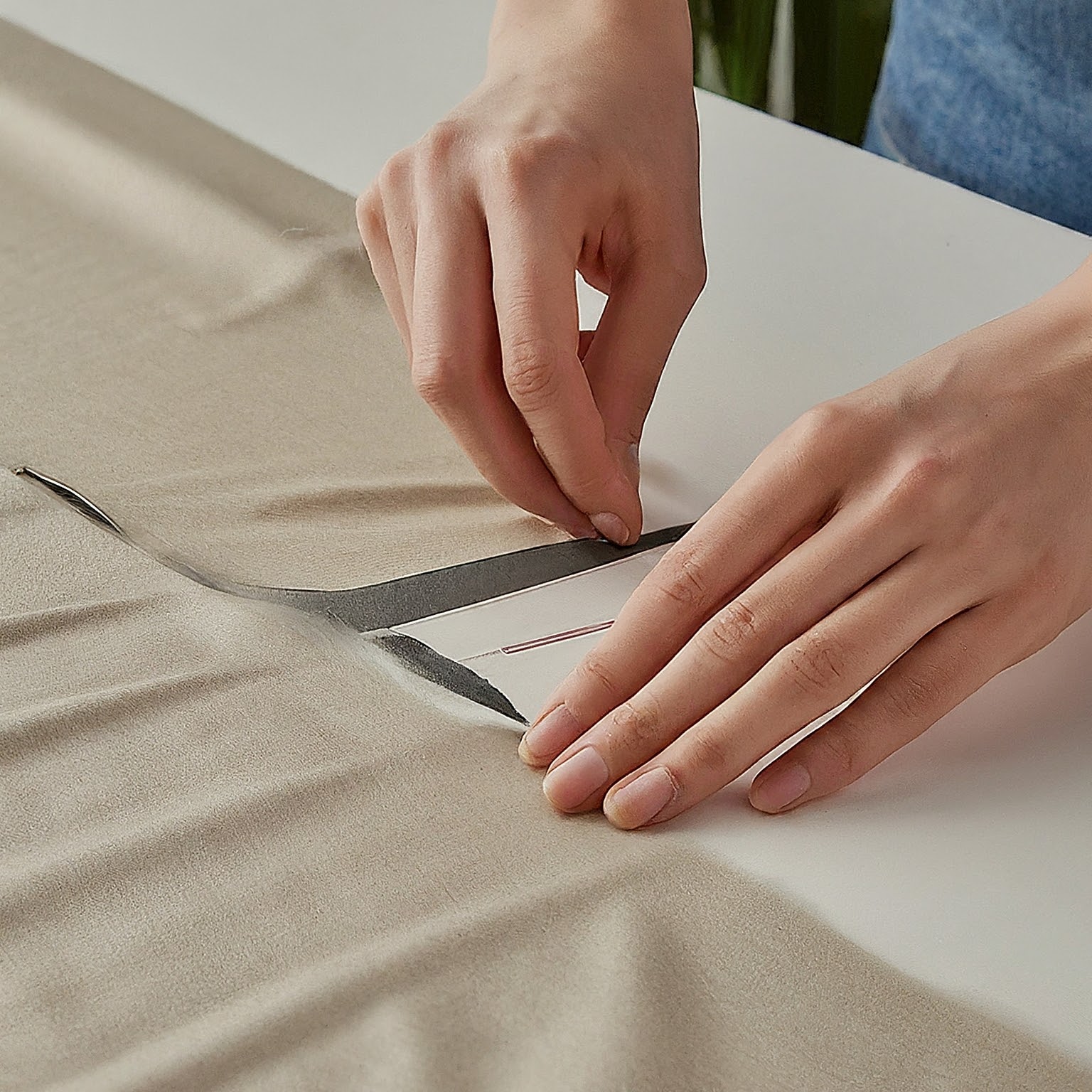
  • Application: It is placed between the outer fabric and the lining of the cuff or collar. Heat is applied to fuse the interlining with the fabric, creating a firm bond.
  • Result: The interlining adds structure and stability, ensuring the cuffs and collars retain their shape.

Application Tips:

  • Even Heat Distribution: Make sure heat is applied evenly to avoid uneven bonding.
  • Proper Alignment: Align the interlining carefully with the fabric to ensure a smooth finish, similar to interlining in garments.

Choosing the Right Non-Woven Interlining

Selecting the right non-woven interlining is crucial for achieving the best results. Consider the following when choosing:

  • Fabric Compatibility: Ensure the interlining matches the type of fabric you’re using, such as woven interlining fabric or non woven fusible interlining.
  • Weight and Thickness: Choose based on the level of structure needed for your cuffs and collars.
  • Adhesive Strength: Opt for an adhesive that meets your durability requirements, akin to interlining woven.
non-woven-interlining

Selection Tips:

  • Test Samples: Try a small piece of interlining with your fabric before applying it to the entire garment.
  • Consult Experts: If unsure, seek advice from textile professionals to select the best type of lining and interlining fabric for your project.

Tips for Using Non-Woven Interlining Effectively

  • Choose the right weight: The weight of the non-woven interlining should match the weight of the fabric.
  • Cut the non-woven interlining to size: Make sure the non-woven interlining is the same size as the cuffs or collars.
  • Apply the non-woven interlining correctly: Follow the manufacturer’s instructions for applying the non-woven interlining.
  • Test the non-woven interlining first: Before using a new type of non-woven interlining, test it on a scrap piece of fabric to make sure it’s compatible with your fabric.

Conclusion

Non-woven interlining offers numerous benefits for enhancing cuffs and collars, including added structure, durability, and a polished appearance. By incorporating non-woven interlining into your garment construction, you can achieve a professional finish that stands the test of time. I hope this guide has helped you understand the advantages of non-woven interlining and how it can benefit your clothing projects.

Link of related Articles

shweta-textile-designer
 
Shweta, a textile designer with a keen eye and deep knowledge of fabrics, translates her passion into unique designs. She loves to share her expertise and ignite a love for textiles in others. Dive into the world of fabrics with Shweta!

Categories
Fusible Interlining

Importance of Fusible Interlining for Structured Collars

If you’ve ever admired a perfectly crisp collar on a shirt or jacket, you might be wondering what makes it stand out. The secret often lies in fusible interlining. In this article, I’ll explain why fusible interlining is crucial for creating structured collars and how it enhances the overall quality of garments. Whether you’re a fashion designer, a DIY enthusiast, or just someone interested in garment construction, you’ll find this guide useful.

Table of Contents

  • Understanding Fusible Interlining for Collar Construction
  • How Fusible Interlining Improves Collar Structure
  • How Fusible Interlining Works
  • Choosing the Right Fusible Interlining
  • Tips for Using Fusible Interlining Effectively
  • Conclusion
fusible interling

Understanding Fusible Interlining for Collar Construction

Fusible interlining is a type of interlining fabric that is used to add structure and stability to garments. It is bonded to the outer fabric using heat, creating a permanent bond that provides firmness and shape. Unlike other interlinings, fusible interlining comes with an adhesive coating that activates when heated, making it easy to apply and ensuring a strong, lasting hold.

Key Features:

  • Adhesive Coating: Activated by heat for a strong bond.
  • Thin and Flexible: Adds structure without bulk.
  • Variety: Available in different weights and types, such as non woven interlining and woven interlining, to suit various fabrics and needs.

How Fusible Interlining Improves Collar Structure

Using fusible interlining is essential for creating well-defined, structured collars. Here’s why it’s so important:

Enhances Structure and Shape

Fusible interlining provides the necessary stiffness to collars, helping them maintain their shape and stay crisp throughout wear. It prevents collars from sagging or losing their form, ensuring a polished look. This effect is similar to what you achieve with woven interlining fabric.

Benefits:

  • Firmness: Provides the right amount of stiffness for a sharp collar, akin to the effects of woven fusible interlining.
  • Shape Retention: Maintains collar shape over time.
fusible interling

Increases Durability

By reinforcing the collar, fusible interlining also increases the overall durability of the garment. It helps prevent wear and tear, such as fraying or stretching, extending the lifespan of your clothing. This is especially true for lining and interlining fabric, which contributes to the garment’s longevity.

Durability Features:

  • Resistance to Fraying: Helps edges stay intact, similar to the benefits of non-woven interlining.
  • Enhanced Lifespan: Reduces the need for frequent repairs.

Improves Appearance

A well-structured collar enhances the appearance of any garment, giving it a professional and polished look. Fusible interlining ensures that collars lay flat and look crisp, contributing to the garment’s overall quality. This is crucial for garments that require a high level of finish, like those with fusing interlining.

Appearance Benefits:

  • Professional Finish: Provides a clean, sharp look, much like woven interlining fabric.
  • Consistent Quality: Ensures collars always look their best.

How Fusible Interlining Works

Understanding how fusible interlining works can help you appreciate its role in garment construction. Here’s a quick overview:

  • Heat Activation: The adhesive coating on fusible interlining melts when heated, bonding it to the outer fabric.
  • Bonding Process: The interlining is placed between the outer fabric and the collar lining. Heat is applied using an iron or pressing machine.
  • Result: The interlining adheres firmly to the fabric, providing structure and stability. This process is similar to applying interlining fusible.

Application Tips:

Even Heat Distribution: Ensure that heat is evenly applied to avoid uneven bonding.
Proper Alignment: Align the interlining carefully to prevent misalignment of the collar.

Choosing the Right Fusible Interlining

Selecting the right fusible interlining is crucial for achieving the desired results. Consider these factors when choosing:

  • Fabric Compatibility: Ensure that the interlining is suitable for the type of fabric you are using, whether it’s woven interlining or non woven fusible interlining.
  • Weight and Thickness: Choose the appropriate weight and thickness based on the level of structure needed.
  • Adhesive Strength: Opt for an adhesive that matches the durability requirements of your project.
fusible interling

Tips for Using Fusible Interlining Effectively

  • Choose the right weight: The weight of the fusible interlining should match the weight of the fabric.
  • Cut the fusible interlining to size: Make sure the fusible interlining is the same size as the collar.
  • Apply the fusible interlining correctly: Follow the manufacturer’s instructions for applying the fusible interlining.
  • Test the fusible interlining first: Before using a new type of fusible interlining, test it on a scrap piece of fabric to make sure it’s compatible with your fabric.

Conclusion

Fusible interlining plays a vital role in creating structured collars and enhancing the overall quality of garments. It adds the necessary stiffness and durability, ensuring that collars remain crisp and professional-looking. By understanding and using fusible interlining, you can significantly improve the appearance and lifespan of your clothing. I hope this guide has provided you with valuable insights into the importance of fusible interlining and its impact on your garment construction projects.

Link of related Articles

shweta-textile-designer
 
Shweta, a textile designer with a keen eye and deep knowledge of fabrics, translates her passion into unique designs. She loves to share her expertise and ignite a love for textiles in others. Dive into the world of fabrics with Shweta!

Categories
Interlining

How Lightweight Interlining Enhances Woven Fabrics

Have you ever wondered how your favorite garments maintain their shape and feel so comfortable? In this article, You will go through how lightweight interlining enhances woven fabrics and why it’s a game-changer for both designers and consumers. Whether you’re a fashion enthusiast, a textile professional, or simply curious, I’ll break it all down for you.

Table of Contents

  • Understanding Lightweight Interlining
  • Popular Types of Lightweight Interlining Fabrics
  • Benefits of Lightweight Interlining
  • Applications of Lightweight Interlining
  • How to Choose the Right Lightweight Interlining
  • Tips for Using Lightweight Interlining Effectively
  • Conclusion
lightweight-interlining

Understanding Lightweight Interlining

Lightweight interlining is a type of interlining fabric used between the outer fabric and the lining of a garment. It’s designed to provide additional structure, support, and performance benefits to the final product. Unlike traditional interlinings, lightweight interlining is made from materials that are both thin and flexible, ensuring that it doesn’t add unnecessary bulk to the garment.

Key Features:

  • Thin and Flexible: Designed to maintain the fabric’s drape and movement.
  • Breathable: Allows for better air circulation within the garment.
  • Adhesive Properties: Often bonded to the outer fabric using heat or adhesive, such as fusible interlining.

Popular Types of Lightweight Interlining Fabrics

There are several types of lightweight interlining available, each with its own unique properties:

  • Fusible Interlining: This type of interlining fabric is bonded to the fabric using heat, making it easy to apply.
  • Non-Woven Interlining: Non-Woven Interlining is made from fibers that are bonded together mechanically, making it lightweight and breathable.
  • Woven Interlining: Woven Interlining is made from woven threads, providing a more structured and supportive base.

lightweight-interlining

Benefits of Lightweight Interlining

Understanding the benefits of lightweight interlining can help you appreciate its role in enhancing woven fabrics. Here’s how it boosts performance:

Enhances Fabric Structure

Lightweight interlining provides a subtle structure to woven fabrics without compromising their natural drape. This added structure helps garments retain their shape, ensuring they look crisp and well-finished. You’ll notice this in tailored suits, dresses, and even home furnishings where a sleek appearance is desired.

How It Works:

Stiffness and Shape: Adds just the right amount of firmness, similar to the effects of woven interlining fabric.
Consistent Appearance: Prevents sagging or stretching.

Increases Durability

One of the major benefits of lightweight interlining is its ability to increase the durability of woven fabrics. By reinforcing the fabric, it helps prevent wear and tear, extending the life of your garments and textiles. This is especially important for high-use items like jackets and upholstery.

Durability Features:

Resistance to Fraying: Helps prevent edge fraying, especially in woven interlining fabric.
Enhanced Longevity: Reduces overall wear on the outer fabric.

Improves Comfort.

Even though lightweight interlining fabric adds structure, it does so without sacrificing comfort. The materials used are often designed to be soft and pliable, ensuring that the garment remains comfortable for extended wear. This balance of support and comfort is crucial for garments worn close to the skin.

Comfort Aspects:

  • Soft Touch: Feels gentle against the skin.
  • Breathable: Allows for better air circulation.

Applications of Lightweight Interlining

Lightweight interlining fabric is versatile and finds applications in various sectors. Here’s where it shines:

Fashion and Apparel

In the fashion industry, interlining fabric is essential for creating garments with a polished look. Designers use it to enhance the structure of blazers, coats, and formalwear. It’s also used in collars, cuffs, and waistbands to ensure they stay in place and look sharp.

Fashion Benefits:

  • Tailored Fit: Provides structure without bulk, much like the effect of fusible interlining.
  • Professional Finish: Enhances overall garment appearance.

Home Furnishings

In home furnishings, lightweight interlining is used to give drapes, blinds, and cushions a more refined finish. It helps maintain the shape of curtains and provides a smoother drape, enhancing the overall aesthetic of your home.

Home Benefits:

  • Improved Drape: Ensures curtains hang beautifully.
  • Enhanced Longevity: Helps furnishings last longer.

Technical Textiles

Technical textiles, such as those used in outdoor gear and sportswear, also benefit from lightweight interlining fabric . It adds performance features like water resistance and windproofing without compromising flexibility or comfort.

Technical Benefits:

  • Enhanced Performance: Adds functional benefits similar to fusing interlining.
  • Flexible Use: Maintains ease of movement.
lightweight-interlining

How to Choose the Right Lightweight Interlining

Selecting the right lightweight interlining can make a significant difference in the performance of your woven fabrics. Here’s what you should consider:

  • Material Compatibility: Ensure the interlining fabric is compatible with the outer fabric. Different fabrics may require specific types of interlining for optimal performance, such as non woven interlining or woven interlining.
  • Adhesive Type: Choose between fusible (heat-activated) and sew-in types based on your project needs.
  • Thickness and Flexibility: Select a thickness that provides the desired level of structure without adding bulk.

Tips for Using Lightweight Interlining Effectively

  • Choose the right weight: The weight of the interlining should match the weight of the woven fabric.
  • Cut the interlining to size: Make sure the interlining is the same size as the woven fabric.
  • Apply the interlining correctly: Follow the manufacturer’s instructions for applying the interlining fabric .
  • Test the interlining first: Before using a new type of interlining, test it on a scrap piece of fabric to make sure it’s compatible with your woven fabric.

Conclusion

Lightweight interlining fabric is a powerful tool in the world of textiles, enhancing the performance of woven fabrics in ways that you might not immediately notice but will appreciate in the finished product. Whether you’re working in fashion, home décor, or technical textiles, understanding and utilizing lightweight interlining fabric can elevate the quality and durability of your fabrics. I hope this guide has helped you see the value of lightweight interlining fabric and how it can make a difference in your projects.

Link of related Articles

shweta-textile-designer
 
Shweta, a textile designer with a keen eye and deep knowledge of fabrics, translates her passion into unique designs. She loves to share her expertise and ignite a love for textiles in others. Dive into the world of fabrics with Shweta!

Categories
Garment Accessories

The Ultimate Guide to Heavyweight Fusible Interlining

When it comes to creating high-quality, durable garments, heavyweight fusible interlining is a game-changer. Whether you’re a seasoned tailor or just starting, understanding this essential material can make a significant difference in your sewing projects. In this ultimate guide, I’ll walk you through everything you need to know about heavyweight fusible interlining, from its benefits to its applications and more. Let’s dive in!

Table of Contents

  • Understanding Heavyweight Fusible Interlining
  • Key Advantages of Heavyweight Fusible Interlining
  • Applications of Heavyweight Fusible Interlining
  • How to Choose the Right Heavyweight Fusible Interlining
  • Tips for Applying Heavyweight Fusible Interlining
  • Common Mistakes to Avoid
  • Conclusion
fusible

Understanding Heavyweight Fusible Interlining

Heavyweight fusible interlining is a type of interfacing used in garment construction to provide extra support and structure. Unlike other types of interlining, heavyweight fusible interlining is designed to add considerable strength to fabrics, making it ideal for projects that require a firm, sturdy finish.

This interlining fabric is bonded to the outer fabric using heat and pressure, which helps maintain the shape and structure of the garment. It’s especially useful in tailoring and other high-stress garment areas like collars, cuffs, and lapels.

Key Advantages of Heavyweight Fusible Interlining

Using heavyweight fusible interlining offers numerous advantages for your sewing projects:

  • Enhanced Structure: Provides firm support, ensuring that garments hold their shape and structure, even after multiple washes.
  • Improved Durability: Adds strength to fabrics, reducing wear and tear and extending the garment’s lifespan.
  • Smooth Finish: Helps eliminate wrinkles and maintains a smooth, professional appearance.
  • Versatility: Suitable for a wide range of fabrics, from heavy wool to light cotton, depending on the garment’s requirements.

By incorporating heavyweight fusible interlining into your projects, you can achieve a more polished and professional finish that enhances both the appearance and longevity of your garments.

fusible

Applications of Heavyweight Fusible Interlining

Heavyweight fusible interlining is versatile and can be used in various garment types and areas:

  • Jackets and Coats: Provides stiffness and structure, making them look more tailored and polished.
  • Suits and Blazers: Ensures that the garment maintains its shape and formality.
  • Collars and Cuffs: Adds firmness to collars and cuffs, preventing them from sagging or losing their shape.
  • Skirts and Dresses: Gives body to skirts and dresses, helping them maintain their silhouette.

Understanding where and how to use heavyweight fusible interlining allows you to enhance various garment elements, ensuring they look and feel their best.

How to Choose the Right Heavyweight Fusible Interlining

Selecting the appropriate heavyweight fusible interlining involves considering several factors:

  • Fabric Type: Match the interlining to your outer fabric’s weight and texture to achieve the best results. For instance, use a heavier interlining for thick wool and a lighter one for cotton.
  • Garment Purpose: Determine the level of stiffness and support needed based on the garment’s function and design.
  • Interlining Weight: Choose a weight that complements your fabric and desired garment structure.

Making the right choice ensures that your garment has the appropriate structure and support, enhancing both its look and functionality.

Tips for Applying Heavyweight Fusible Interlining

To get the best results from heavyweight fusible interlining, follow these tips:

  • Pre-Wash Your Fabric: Pre-wash both the outer fabric and interlining to prevent shrinkage and ensure proper adhesion.
  • Use Proper Heat Settings: Apply the interlining using the correct heat setting on your iron to ensure it bonds properly without damaging the fabric.
  • Press, Don’t Iron: Use a pressing motion rather than ironing to avoid shifting the fabric or causing wrinkles.
  • Check Bonding: Test the bonding on a fabric scrap to ensure that the interlining adheres correctly and that you achieve the desired effect.

These tips will help you apply heavyweight fusible interlining effectively, resulting in a professional and long-lasting finish.

Common Mistakes to Avoid

When working with heavyweight fusible interlining, be mindful of these common mistakes:

  • Using the Wrong Interlining Weight: Choosing an interlining that is too heavy or too light for your fabric can affect the garment’s appearance and fit.
  • Incorrect Heat Application: Applying too much heat can damage the fabric, while too little heat may prevent proper bonding.
  • Skipping Pre-Washing: Not pre-washing fabric and interlining can lead to shrinkage issues and poor adhesion.

Avoiding these pitfalls ensures that your garments turn out exactly as you envision, with the right amount of structure and support.

Conclusion

Heavyweight fusible interlining is a vital component in creating durable, well-structured garments. Understanding its benefits, applications, and proper usage can make a significant difference in the quality of your sewing projects. By choosing the right type of interlining and applying it correctly, you can enhance the durability, appearance, and longevity of your garments.

Happy tailoring!

Link of related Articles

shweta-textile-designer
 
Shweta, a textile designer with a keen eye and deep knowledge of fabrics, translates her passion into unique designs. She loves to share her expertise and ignite a love for textiles in others. Dive into the world of fabrics with Shweta!

Categories
Garment Accessories

The Role of Woven Interlining in High-Quality Tailoring

Tailoring is an art, and to master it, understanding every component that contributes to a well-crafted garment is crucial. One such essential component is woven interlining. If you’re passionate about high-quality tailoring or simply interested in the intricacies of garment construction, then knowing about woven interlining can elevate your knowledge and skills. Let’s dive into why woven interlining is so important in achieving top-notch tailoring.

Table of Contents

  • Understanding Woven Interlining in Tailoring
  • How Woven Interlining Enhances Tailored Garments
  • Types of Woven Interlining
  • How Woven Interlining Enhances Tailoring
  • Choosing the Right Woven Interlining
  • Benefits of Using Woven Interlining in Tailoring
  • Tips for Using Woven Interlining Effectively
  • Conclusion
tailoring

Understanding Woven Interlining in Tailoring

Woven interlining is a type of fabric used in tailoring to provide structure and support to garments. Unlike fusible interlining, which bonds to the outer fabric with heat, woven interlining is sewn or fused into place, making it a versatile choice for high-end tailoring.

How Woven Interlining Enhances Tailored Garments

Woven interlining offers numerous benefits to tailored garments:

  • Provides Structure and Shape: It gives garments a defined shape and prevents them from sagging or losing their form over time.
  • Ensures Durability and Longevity: By reinforcing the fabric, woven interlining helps garments withstand wear and tear, extending their lifespan.
  • Improves Comfort and Drapability: Woven interlining can enhance the comfort and drape of a garment, making it feel luxurious and enjoyable to wear.
  • Enhances Insulation and Temperature Regulation: Depending on the type of woven interlining used, it can provide insulation or breathability, helping to regulate body temperature.
tailoring

Types of Woven Interlining

There are several types of woven interlining, each with its own unique properties:

  • Canvas Interlining: Known for its durability and structure, canvas is often used in heavier garments like coats and blazers.
  • Crisp Interlining: Provides a stiff, crisp feel ideal for formal jackets and blazers that need a structured look.
  • Soft Interlining: Adds a softer, more flexible support, suitable for lightweight garments and dresses.
  • Lightweight Interlining: Perfect for delicate fabrics where you need minimal additional weight.
  • Fusible Interlining: While not technically woven, fusible interlining is often used in tailoring for its convenience. It’s bonded to the outer fabric using heat.
  • Non-Fusible Interlining: This is the traditional type of interlining, sewn into place for added durability and control.

Understanding these types will help you choose the right woven interlining for your specific tailoring needs, ensuring the best results for your garments.

How Woven Interlining Enhances Tailoring

Woven interlining does more than just add support; it transforms the quality of your tailoring. Here’s how:

  • Defines Shape: Woven interlining helps garments maintain their intended shape, whether it’s the structured shoulders of a blazer or the clean lines of a coat.
  • Smooths Out Wrinkles: It reduces the appearance of wrinkles, keeping your garments looking sharp throughout the day.
  • Improves Draping: High-quality interlining enhances the way fabric falls and drapes, giving garments a more polished and elegant appearance.

When you incorporate woven interlining into your tailoring process, you’re not just improving the garment’s structure but also enhancing its overall aesthetic appeal.

Choosing the Right Woven Interlining

Selecting the appropriate woven interlining is crucial for achieving the desired results in your tailoring projects. Consider the following factors:

  • Fabric Type: The weight, drape, and composition of the outer fabric will influence your choice of interlining.
  • Garment Style: Different garment styles may require different types of interlining to achieve the desired shape and structure.
  • Desired Weight and Body: The thickness and stiffness of the interlining will affect the overall weight and body of the garment.
  • Environmental Factors: If the garment will be exposed to extreme temperatures or humidity, choose an interlining that can withstand those conditions.

Benefits of Using Woven Interlining in Tailoring

Using woven interlining in your tailoring projects offers several advantages:

  • Superior Fit and Finish: Woven interlining helps to achieve a more precise and tailored fit, resulting in a garment that looks and feels exceptional.
  • Enhanced Garment Performance: By providing structure, durability, and comfort, woven interlining improves the overall performance of a garment.
  • Increased Customer Satisfaction: Tailored garments made with high-quality woven interlining are more likely to satisfy customers and exceed their expectations.
tailoring

Tips for Using Woven Interlining Effectively

To get the most out of woven interlining in your tailoring projects, keep these tips in mind:

  • Quality Matters: Invest in high-quality woven interlining to ensure the best results.
  • Proper Application Techniques: Follow the manufacturer’s instructions for proper application and sewing techniques.
  • Consider Environmental Factors: Choose an interlining that is suitable for the climate and conditions in which the garment will be worn.
  • Experiment and Find What Works Best: Don’t be afraid to experiment with different types of woven interlining to find what works best for your specific tailoring needs.

Conclusion

Woven interlining is a fundamental component in high-quality tailoring, providing structure, durability, and enhanced fit to your garments. By understanding its types, benefits, and proper application, you can elevate your tailoring skills and produce garments that are not only stylish but also built to last.

So, next time you’re working on a tailoring project, remember the critical role that woven interlining plays in achieving that perfect, polished look. Whether you’re crafting a bespoke suit or a stylish dress, integrating the right woven interlining can make all the difference

Link of related Articles

shweta-textile-designer
 
Shweta, a textile designer with a keen eye and deep knowledge of fabrics, translates her passion into unique designs. She loves to share her expertise and ignite a love for textiles in others. Dive into the world of fabrics with Shweta!

Categories
Garment Accessories

Lining and Interlining Fabric for Different Fabrics

When it comes to garment construction, choosing the right lining and interlining fabric can make all the difference. Whether you’re working with knits, denim, or any other fabric, the right lining and interlining not only enhance the look of your garment but also its durability and comfort. Let’s dive into how you can make the best choices for different fabrics to achieve stunning results.

Table of Contents

  • What is Lining and Interlining Fabric?
  • Why Lining and Interlining Matter
  • Lining and Interlining for Knits
  • Lining and Interlining for Denim
  • Lining and Interlining for Other Fabrics
  • How to Choose the Right Lining and Interlining Fabric
  • Tips for Using Lining and Interlining Fabric Effectively
  • Conclusion
Interlining

What is Lining and Interlining Fabric?

lining and interlining fabric is used on the inside of garments to provide a finished look and improve wearability. It hides seams, adds comfort, and often makes the garment easier to put on and take off.

Interlining fabric, on the other hand, is used between the outer fabric and the lining to add structure, support, and insulation. Unlike lining and interlining is not usually visible from the outside but plays a crucial role in the garment’s overall appearance and durability.

Why Lining and Interlining Matter

Using the right lining and interlining fabric is essential for several reasons:

  • Enhances Structure: Provides necessary support and shape to garments. Woven interlining, for example, offers substantial structure.
  • Improves Comfort: Makes the garment more comfortable to wear by reducing friction and adding softness.
  • Increases Durability: Helps garments withstand wear and tear. Non woven fusible interlining can be particularly effective in this regard.
  • Adds Professional Finish: Gives a clean, finished look to the inside of your garments.

Choosing the right lining and interlining can transform your garment, making it look polished and professional while ensuring it lasts longer.

Interlining

Lining and Interlining for Knits

Knits are stretchy fabrics that require special consideration when choosing lining and interlining fabric:

  • Lining for Knits: Opt for a lightweight, stretchable lining fabric like polyester or spandex. This allows the lining to move with the fabric without adding bulk or restricting stretch.
  • Interlining for Knits: Use a stretchable interlining that complements the fabric’s natural stretch. Fusible interlining can work well if it maintains flexibility.

For knits, flexibility is key. Choose linings and interlinings that can move with the fabric to maintain comfort and fit.

Interlining

Lining and Interlining for Denim

Denim is a sturdy fabric that requires specific types of lining and interlining fabric:

  • Lining for Denim: A soft cotton or cotton blend lining works well to add comfort without compromising the durability of the denim.
  • Interlining for Denim: For added structure, use a heavyweight interlining such as canvas or non woven interlining. This provides support while retaining the garment’s shape.

When working with denim, you need linings and interlinings that complement its robustness while enhancing comfort and maintaining shape.

Lining and Interlining for Other Fabrics

Different fabrics require different approaches:

  • Silk and Satin: Use silk lining or polyester for a smooth, luxurious feel. Lightweight interlining helps maintain the fabric’s flow.
  • Wool: A soft wool lining keeps warmth while a medium-weight interlining adds structure and shape.
  • Cotton: A cotton lining is breathable and comfortable. For interlining, a lightweight or medium-weight option works best.

Tailoring your choice of lining and interlining to the fabric ensures that each garment is both functional and aesthetically pleasing.

Interlining

How to Choose the Right Lining and Interlining Fabric

Selecting the appropriate lining and interlining fabric involves several considerations:

  • Fabric Type: Match the lining and interlining to the outer fabric’s weight and texture. For instance, use woven interlining for structured fabrics and non woven interlining for softer ones.
  • Garment Purpose: Consider the garment’s intended use (e.g., formal vs. casual) to determine the level of structure and comfort needed.
  • Desired Effect: Decide whether you want extra support, a smooth finish, or enhanced comfort. Interlining fusible or fusing interlining might be required for additional support.

Choosing wisely ensures that your garment meets both your design and functional needs.

Interlining

Tips for Using Lining and Interlining Fabric Effectively

To get the most out of your lining and interlining fabric, follow these tips:

  • Pre-Wash Fabrics: Wash and iron your lining and interlining fabrics before use to prevent shrinkage and ensure a perfect fit.
  • Use Proper Techniques: Ensure that linings and interlinings are attached correctly to avoid puckering or shifting. Woven fusible interlining can help in creating a seamless finish.
  • Test on Scraps: Always test your chosen linings and interlinings on fabric scraps before applying them to your final garment.

Following these tips will help you achieve a professional finish and enhance the overall quality of your garments.

Conclusion

Choosing the right lining and interlining fabric for your projects is crucial in achieving high-quality, well-constructed garments. Whether you’re working with knits, denim, or other fabrics, understanding how to select and use the appropriate lining and interlining can make all the difference in the final result.

By considering the fabric type, garment purpose, and desired effects, you can ensure that your garments not only look great but also offer comfort and durability. With the right lining and interlining, your garments will have that polished, professional touch that makes them stand out.

Link of related Articles

shweta-textile-designer
 
Shweta, a textile designer with a keen eye and deep knowledge of fabrics, translates her passion into unique designs. She loves to share her expertise and ignite a love for textiles in others. Dive into the world of fabrics with Shweta!

Categories
Garment Accessories

How Non-Woven Interlining Enhances Garment Durability and Quality

When it comes to creating high-quality garments that stand the test of time, one key element often overlooked is non-woven interlining. This crucial component not only enhances the durability of your garments but also significantly improves their overall quality.

Table of Contents

  • Understanding Non-Woven Interlining for Garments
  • How Non-Woven Interlining Improves Garment Performance
  • How Non-Woven Interlining Enhances Durability
  • The Impact on Garment Quality
  • Applications in Different Types of Garments
  • Choosing the Right Non-Woven Interlining
  • Tips for Using Non-Woven Interlining Effectively
  • Conclusion

Understanding Non-Woven Interlining for Garments

Non-woven interlining is a type of fabric used between the outer fabric of a garment and its lining. Unlike woven fabrics, which are made by weaving threads together, non-woven interlining is created by bonding fibers together through mechanical, chemical, or thermal processes. This results in a fabric that is lightweight, flexible, and offers excellent support.

How Non-Woven Interlining Improves Garment Performance

Using non-woven interlining offers several advantages for garment construction:

  • Metal Buttons: Classic and elegant, metal buttons come in gold, silver, or brass and add a sophisticated touch.
  • Pearl Buttons: Ideal for formal events, pearl buttons offer a refined and timeless look.
  • Fabric-Covered Buttons: These buttons are covered with the same fabric as your blazer, providing a seamless and understated appearance.
  • Enamel Buttons: Vibrant and unique, enamel buttons can add a splash of color and personality to your blazer.

By integrating non-woven interlining into your garments, you can achieve superior quality that stands up to everyday use and provides a comfortable wearing experience.

How Non-Woven Interlining Enhances Durability

Non-woven interlining plays a crucial role in extending the lifespan of garments. Here’s how:

  • Structural Support: Adds structure to fabrics that may otherwise be too soft or flimsy. For example, it helps jackets maintain their shape and provides firmness to collars and cuffs.
  • Wear Resistance: Improves the garment’s ability to withstand friction and stress. This is particularly useful for high-use areas like elbows and knees.
  • Shape Retention: Helps garments keep their shape even after multiple washes and wears. This is essential for maintaining the garment’s original fit and appearance.

When used correctly, non-woven interlining ensures that your garments not only look great but also last longer, giving you more value from your investment.

The Impact on Garment Quality

Integrating non-woven interlining into your garment design can drastically enhance its overall quality:

  • Smooth Appearance: Contributes to a polished and refined look by preventing wrinkles and bunching.
  • Soft Touch: Adds a layer of softness, making the garment more comfortable to wear.
  • Consistent Shape: Ensures that the garment maintains its intended shape and structure throughout its lifecycle.

With non-woven interlining, you can elevate the quality of your garments, making them more attractive and comfortable for the wearer.

Nonwoven-interlining3

Applications in Different Types of Garments

Non-woven interlining is highly versatile and can be used in various types of garments:

  • Jackets and Coats: Provides stiffness and structure to outerwear, ensuring a tailored look.
  • Shirts and Blouses: Enhances collar and cuff structure while maintaining a soft feel.
  • Suits and Blazers: Offers shape and support to keep the garment looking sharp and well-fitted.
  • Skirts and Dresses: Adds volume and helps maintain the garment’s silhouette.

Choosing the Right Non-Woven Interlining

Selecting the right non-woven interlining involves considering several factors:

  • Fabric Compatibility: Choose an interlining that matches the outer fabric in terms of weight and flexibility.
  • Garment Purpose: Consider the end use of the garment to determine the level of support and comfort needed.
  • Thickness and Weight: Opt for a thickness that provides adequate support without compromising the garment’s drape.

Making the right choice ensures that your garment benefits from the optimal combination of durability and quality.

Tips for Using Non-Woven Interlining Effectively

To maximize the benefits of non-woven interlining, follow these tips:

  • Pre-Wash Interlining: Pre-wash the interlining fabric to prevent any potential shrinkage or distortion.
  • Proper Application: Ensure that the interlining is properly fused or sewn into place to avoid wrinkles or shifting.
  • Test Before Use: Always test the interlining on fabric scraps before applying it to your final garment to ensure compatibility and performance.

These tips will help you achieve a professional finish and ensure that your garments perform well over time.

Conclusion

Non-woven interlining is a game-changer in garment construction, offering enhanced durability and superior quality. By understanding how to select and apply non-woven interlining, you can significantly improve the longevity and overall look of your garments. Whether you’re working with jackets, shirts, or dresses, integrating non-woven interlining can elevate your creations to new heights of quality and performance.

Happy tailoring!

Link of related Articles

shweta-textile-designer
 
Shweta, a textile designer with a keen eye and deep knowledge of fabrics, translates her passion into unique designs. She loves to share her expertise and ignite a love for textiles in others. Dive into the world of fabrics with Shweta!

Categories
Garment Accessories

Blazer Buttons for a Special Occasion: Stylish Choices & Tips

When it comes to dressing up for a special occasion, the details make all the difference. One such detail that often gets overlooked is the blazer button. Whether you’re gearing up for a wedding, a gala, or a formal dinner, choosing the right blazer buttons can elevate your look and add a touch of elegance. In this guide, you go through everything you need to know about blazer buttons for a special occasion.

Table of Contents

  • Why Blazer Buttons Matter
  • Types of Blazer Buttons for Special Occasions
  • How to Choose the Perfect Blazer Button
  • Styling Tips for Blazer Buttons
  • Care and Maintenance of Blazer Buttons
  • Conclusion
blazer-buttons

Why Blazer Buttons Matter

Blazer buttons may seem like a small detail, but they play a crucial role in defining the overall appearance of your blazer. The right blazer buttons can:

  • Enhance the Blazer’s Look: Buttons for jackets can complement or contrast with your blazer’s fabric, adding a unique touch.
  • Add Personal Style: Choose blazer buttons that reflect your personality and the formality of the event.
  • Create a Cohesive Outfit: Matching your blazer buttons with other accessories can bring your entire outfit together.

By paying attention to your blazer buttons, you ensure that every element of your outfit is polished and intentional.

Types of Blazer Buttons for Special Occasions

Choosing the right type of blazer button is essential for making the best impression. Here are some popular options for special occasions:

  • Metal Buttons: Classic and elegant, metal buttons come in gold, silver, or brass and add a sophisticated touch.
  • Pearl Buttons: Ideal for formal events, pearl buttons offer a refined and timeless look.
  • Fabric-Covered Buttons: These buttons are covered with the same fabric as your blazer, providing a seamless and understated appearance.
  • Enamel Buttons: Vibrant and unique, enamel buttons can add a splash of color and personality to your blazer.

Each type of button offers a different aesthetic, allowing you to choose one that best fits the occasion and your style.

How to Choose the Perfect Blazer Button

Selecting the right blazer button involves several considerations:

  • Match the Occasion: For formal events, opt for classic options like metal or pearl buttons. For more casual or creative events, enamel or fabric-covered buttons may work well.
  • Consider the Fabric: Choose buttons that complement the fabric of your blazer. For instance, metal buttons work well with wool blazers, while fabric-covered buttons are great for lighter fabrics.
  • Think About Color: Coordinate the color of the buttons with the overall color scheme of your outfit. For a cohesive look, choose buttons that match or complement your blazer and other accessories.

Styling Tips for Blazer Buttonss

To make the most of your blazer buttons, consider these styling tips:

  • Coordinate with Accessories: Match your blazer buttons with other accessories like cufflinks, ties, or pocket squares for a cohesive look.
  • Balance the Look: If your blazer buttons are bold or decorative, keep other elements of your outfit more subdued to avoid overwhelming your look.
  • Pay Attention to Placement: Ensure that the buttons are properly aligned and fastened to maintain a polished appearance.

These tips will help you showcase your blazer buttons in the best light, ensuring a stylish and sophisticated appearance.

Care and Maintenance of Blazer Buttons

To keep your blazer buttons looking their best:

  • Clean Regularly: Wipe metal buttons with a soft cloth to prevent tarnishing. For pearl buttons, use a damp cloth to avoid damage.
  • Store Properly: Store your blazer in a garment bag to protect the buttons from scratches and damage.
  • Check for Loose Buttons: Regularly inspect your blazer buttons to ensure they are securely attached and replace any that are loose or damaged.

Proper care will ensure that your blazer buttons remain in excellent condition and continue to enhance your blazers for years to come.

Conclusion

Choosing the right blazer buttons for a special occasion can significantly impact your overall look. By understanding the different types of blazer buttons, how to select the perfect one, and how to style and care for them, you can elevate your blazer and make a memorable impression. Remember, attention to detail is key, and blazer buttons are a small but important element of a polished and elegant outfit. Enjoy selecting your buttons and making your special occasion even more memorable!

Link of related Articles

shweta-textile-designer
 
Shweta, a textile designer with a keen eye and deep knowledge of fabrics, translates her passion into unique designs. She loves to share her expertise and ignite a love for textiles in others. Dive into the world of fabrics with Shweta!

Categories
Non Woven Interlining

The Future of Non-Woven Interlining

As we look towards the future of the fashion and textile industries, one material could be the best non-woven interlining. Whether you’re a seasoned designer or a hobbyist seamstress, you’ve likely encountered interlining fabric in your work. But have you ever considered how non-woven interlining is shaping the future of interlining in garments? In this article, you will learn the latest innovations, trends, and applications of non-woven interlining and explore why it’s becoming increasingly essential in modern fashion.

Table of Contents

  • Understanding Modern Non-Woven Interlining
  • Emerging Trends in Non-Woven Interlining
  • Applications of Non-Woven Interlining
  • The Future of Non-Woven Interlining
  • Conclusion

Understanding Modern Non-Woven Interlining

Non-woven interlining is made by bonding fibers together using heat, pressure, or a chemical process. This creates a woven interlining fabric that doesn’t rely on a traditional weave, giving it unique properties that make it highly versatile.

Key Characteristics of Non-Woven Interlining:

  • Lightweight: Ideal for adding structure without adding bulk.
  • Versatile: Can be used in various types of garments.
  • Cost-Effective: Often more affordable than woven alternatives.
  • Easy to Use: Simplifies the manufacturing process.

Non-woven interlining offers the perfect blend of structure, durability, and ease of use, making it a popular choice in both fashion and technical textiles.

Emerging Trends in Non-Woven Interlining

As with any material, innovation drives the evolution of non-woven interlining. The future of this material is being shaped by advancements in technology that are pushing the boundaries of what non-woven interlining can do.

1. Smart Textiles

  • Integration of Electronics: Imagine interlining fabric that can monitor body temperature, moisture, or even heart rate. This isn’t science fiction—it’s the future of non-woven interlining. By integrating electronic components into non-woven fabrics, manufacturers are creating garments that do more than just look good—they perform.
  • Conductive Fibers: Non-woven interlining made with conductive fibers can be used in garments that interact with electronic devices, making wearable technology more comfortable and efficient.

2. Biodegradable Materials

  • Eco-Friendly Options: The textile industry is under increasing pressure to reduce its environmental impact. Non-woven interlining made from biodegradable fibers is leading the charge in sustainable fashion, offering an eco-friendly alternative to traditional materials.
  • Recyclable Interlining: Future non-woven interlining could be designed with recycling in mind, allowing the fabric to be easily repurposed or broken down into its raw materials.

3. Advanced Bonding Techniques

  • Laser Bonding: New bonding techniques like laser bonding are making non-woven interlining even more durable and versatile. This technology allows for precise control over the bonding process, resulting in stronger and more consistent fabrics.
  • Nano-Coating: Adding a nano-coating to non-woven interlining can enhance its water resistance, stain resistance, and even its antimicrobial properties.

Applications of Non-Woven Interlining

Non-woven interlining has a wide range of applications. Let’s explore some of the key areas.

  • Apparel: This is the most obvious application. Interlining fabric is used in everything from shirts and jackets to dresses and trousers.
  • Automotive: Believe it or not, non-woven interlining is used in cars for headliners, door panels, and seat covers.
  • Home Furnishings: From curtains to upholstery, non-woven interlining adds structure and durability.
  • Medical: The healthcare industry uses non-woven interlinings for products like surgical gowns, masks, and wound dressings.

The Future of Non-Woven Interlining

As technology continues to evolve, you can expect non-woven interlining to play an even more significant role in fashion and beyond.1.

1. Integration with Wearable Technology

  • Smart Garments: Non-woven interlining will increasingly be used in smart garments that can monitor health, adjust to temperature changes, and even interact with electronic devices.
  • Innovative Designs: Designers will experiment with non-woven interlining to create garments that are not only functional but also innovative and trendsetting.

2. Increased Use of Sustainable Practices

  • Eco-Friendly Production: The production of non-woven interlining will continue to shift toward more sustainable methods, with a focus on reducing water and energy use.
  • Green Certifications: Expect to see more non-woven interlining products certified for their eco-friendly properties, providing consumers with more sustainable options.

3. Customization and Personalization

  • Tailored Solutions: The ability to customize non-woven interlining to meet specific garment needs will become more prevalent, allowing for greater flexibility in design and function.
  • On-Demand Manufacturing: Advances in manufacturing technology will support on-demand production of non-woven interlining, reducing waste and catering to specific consumer needs.

Conclusion

As we look to the future, it’s clear that non-woven interlining will continue to evolve and make a significant impact on the fashion industry. From technological advancements to sustainable practices, non-woven interlining is at the forefront of innovation in textiles. Embrace these changes, and you’ll be well-prepared to leverage the benefits of non-woven interlining in your own fashion endeavors.

Link of related Articles

shweta-textile-designer
 
Shweta, a textile designer with a keen eye and deep knowledge of fabrics, translates her passion into unique designs. She loves to share her expertise and ignite a love for textiles in others. Dive into the world of fabrics with Shweta!

Categories
Garment Accessories

Peacoat vs Button Coat: Key Differences

When it comes to outerwear, the choice between a peacoat and a button coat can be challenging. Both are stylish, timeless, and functional, but they have distinct characteristics that make them suitable for different occasions, weather conditions, and personal styles. In this article, I’ll walk you through the key differences between these two popular coat styles, helping you decide which one is the perfect addition to your wardrobe.

Table of Contents

  • Understanding the Peacoat
  • Understanding the Button Coat
  • Peacoat vs Button Coat
  • How to Style a Peacoat
  • How to Style a Button Coat
  • Key Differences Between Peacoat and Button Coat
  • Choosing Between a Peacoat and a Button Coat
  • conclusion

Understanding the Peacoat

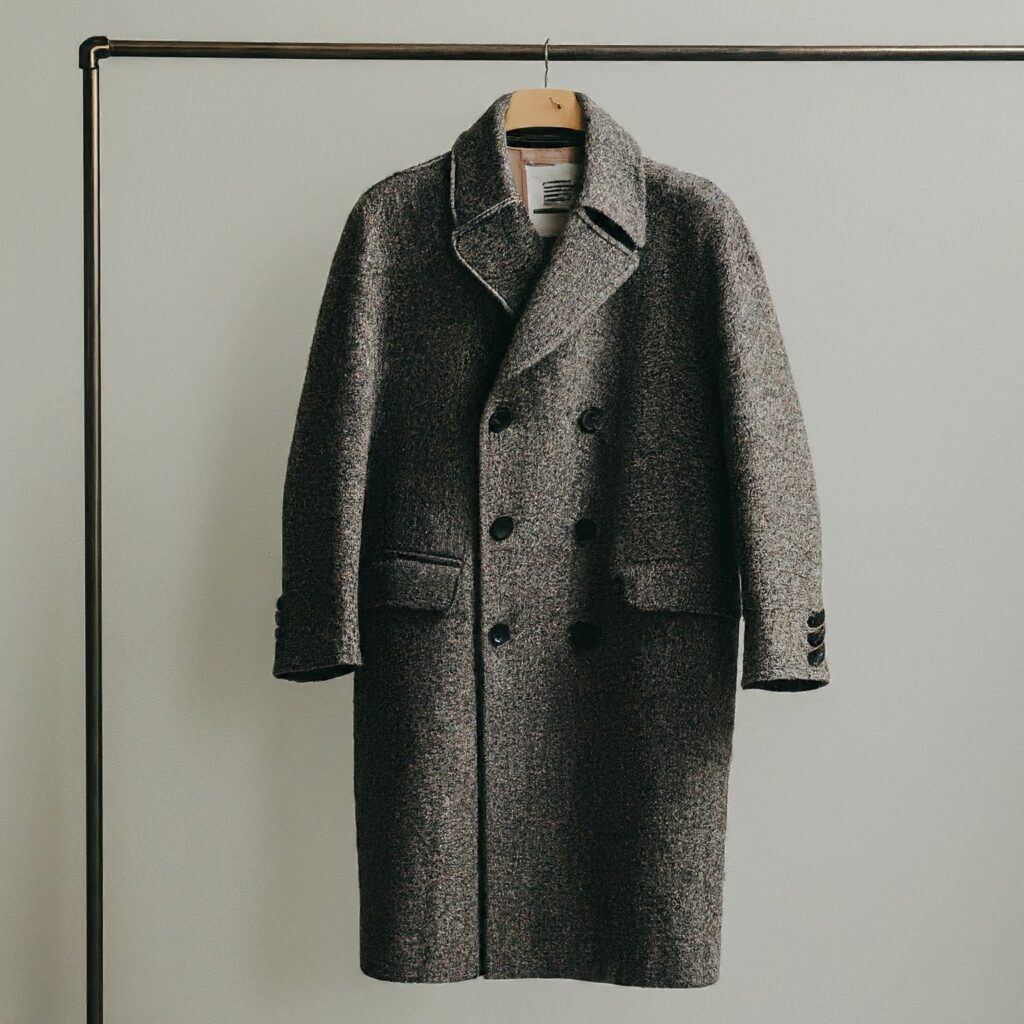
A peacoat is a classic outerwear piece with a rich history rooted in naval uniforms. Traditionally made from wool, it’s known for its double-breasted design, often with a distinctive notched lapel. The length typically falls just below the hips.

Key features of a peacoat:

  • Double-breasted design
  • Notched lapel
  • Wool construction
  • Hip-length

Understanding the Button Coat

A button coat is a broader term encompassing various coat styles. It’s essentially any coat that closes with buttons. This category includes a wide range of designs, from trench coats to car coats.

Peacoat vs Button Coat

Let’s break down the key differences between a peacoat and a button coat:

FeaturePeacoatButton Coat
StyleClassic, nauticalVersatile, varied
LengthTypically hip-lengthVaries
MaterialTraditionally woolVarious materials
ClosureDouble-breastedSingle or double-breasted
OccasionCasual to formalDepends on style

How to Style a Peacoat

A peacoat is a versatile piece that can be dressed up or down. Here are some styling tips:

  • Casual: Pair with jeans and a sweater for a relaxed look.
  • Smart casual: Combine with chinos and a button-down shirt for a polished ensemble.
  • Dressy: Layer over a dress or skirt for a sophisticated outfit.

How to Style a Button Coat

The styling possibilities for a button coat are endless, as it’s a broad category. However, here are some general tips:

  • Consider the coat’s style: A trench coat looks great with jeans and a t-shirt, while a car coat pairs well with tailored trousers.
  • Accessorize: Add a scarf or hat to complete your look.
  • Play with proportions: Balance the length of the coat with your bottom half.

Key Differences Between Peacoat and Button Coat

Now, let’s dive into the key differences between the peacoat and the button coat:

  • Length: Peacoats are generally shorter, ending at the hips, while button coats can vary in length, often extending to the knees or ankles.
  • Material: Peacoats are typically made from thick wool, making them ideal for cold weather, whereas button coats can be made from various materials, including lighter options for transitional seasons.
  • Formality: While both can be dressed up or down, button coats, especially longer styles, tend to have a more formal appearance.
  • Origins: The peacoat has a military background, giving it a rugged, masculine appeal, whereas button coats have more varied origins, offering a range of styles from casual to formal.

Choosing Between a Peacoat and a Button Coat

Ultimately, the choice between a peacoat and a button coat depends on your personal style and needs. Consider these factors:

  • Your wardrobe: Do you already have similar styles?
  • Climate: A peacoat is ideal for colder weather, while a button coat can be more versatile.
  • Occasion: Think about where you’ll wear the coat most often.
  • Budget: Peacoats can be more expensive than some button coat options.

Conclusion

In the debate between the peacoat and the button coat, there’s no definitive winner—it all comes down to your personal style, the climate you live in, and the occasions you need the coat for. If you’re after something short, warm, and stylish with a touch of history, the peacoat is an excellent choice. On the other hand, if you need a versatile, longer coat that can adapt to various settings, the button coat should be your go-to.

By understanding the differences and considering your needs, you can confidently choose the coat that will not only keep you warm but also elevate your style. And don’t forget, the choice of blazer buttons or buttons for jackets can further personalize your look, adding a unique touch to your outerwear.

Link of related Articles

shweta-textile-designer
 
Shweta, a textile designer with a keen eye and deep knowledge of fabrics, translates her passion into unique designs. She loves to share her expertise and ignite a love for textiles in others. Dive into the world of fabrics with Shweta!