Categories
Non Woven Interlining

The Future of Non-Woven Interlining: Innovations, Trends, and Applications

The Future of Non-Woven Interlining: Innovations, Trends, and Applications

As we look towards the future of the fashion and textile industries, one material could be the best non-woven interlining. Whether you’re a seasoned designer or a hobbyist seamstress, you’ve likely encountered interlining fabric in your work. But have you ever considered how non-woven interlining is shaping the future of interlining in garments? In this article, you will learn the latest innovations, trends, and applications of non-woven interlining and explore why it’s becoming increasingly essential in modern fashion.

Table of Contents

  • What is Non-Woven Interlining?
  • Innovations in Non-Woven Interlining Technology
  • Applications of Non-Woven Interlining
  • The Future of Non-Woven Interlining
  • Conclusion

What is Non-Woven Interlining?

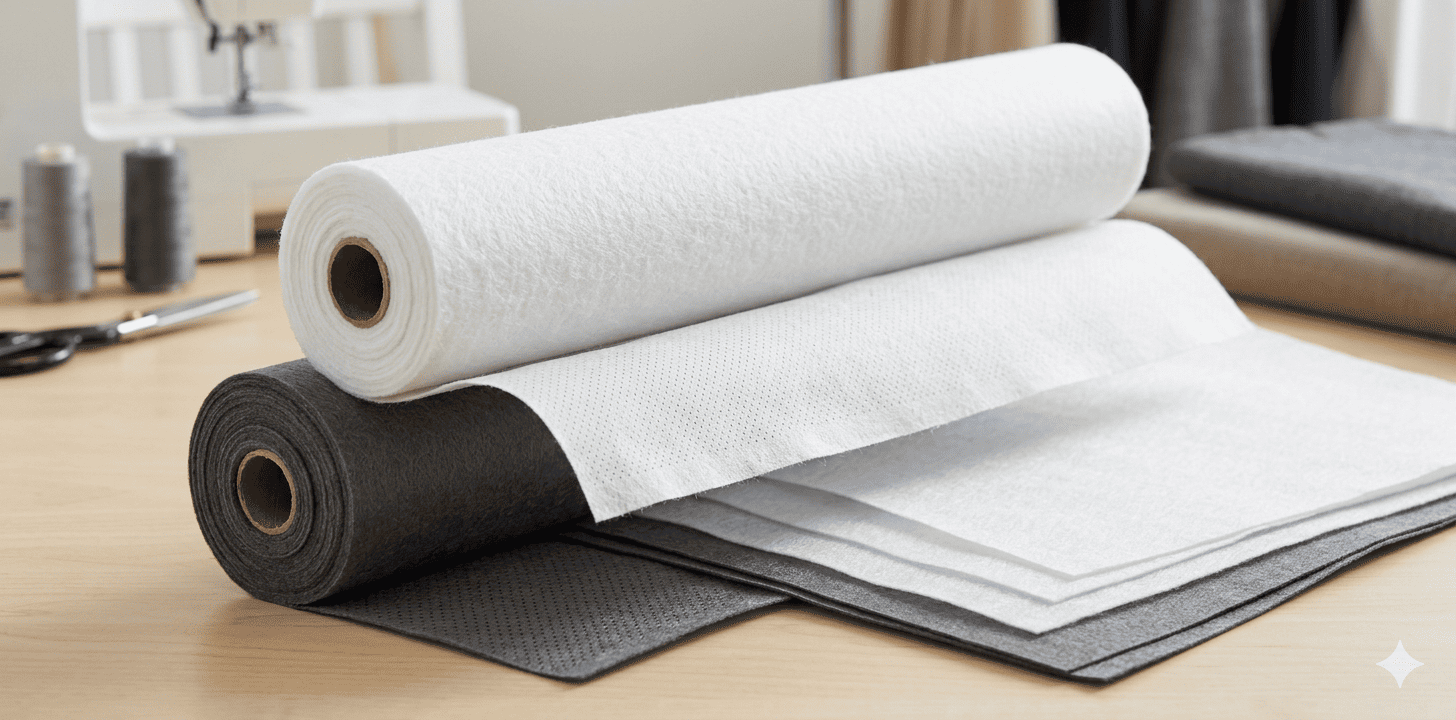
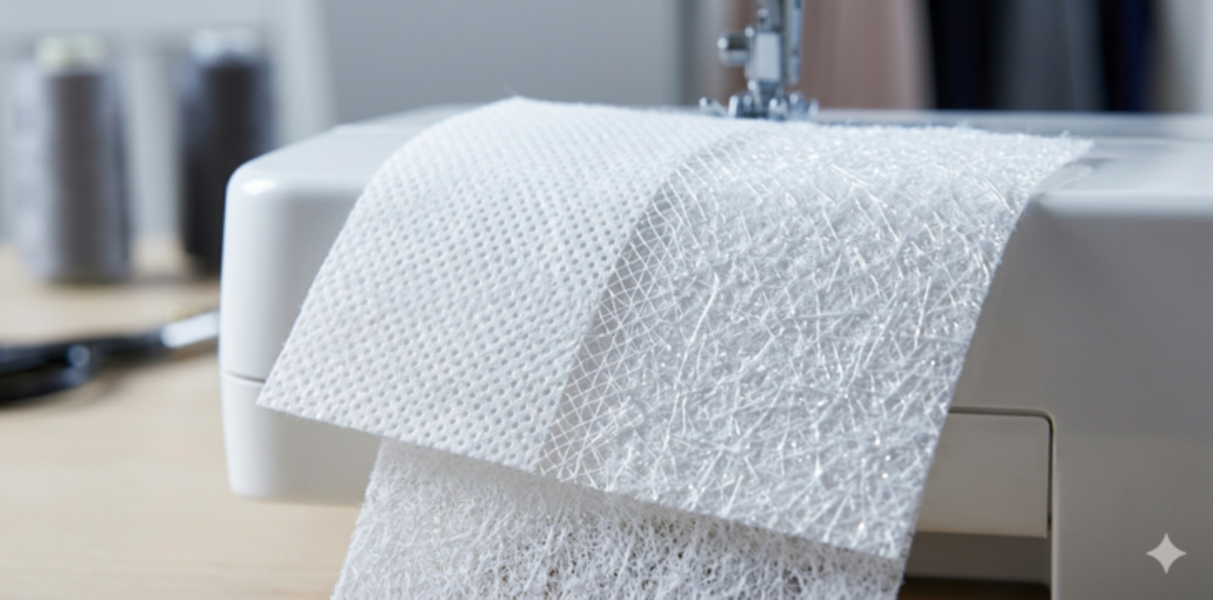
Non-woven interlining is made by bonding fibers together using heat, pressure, or a chemical process. This creates a woven interlining fabric that doesn’t rely on a traditional weave, giving it unique properties that make it highly versatile.

Key Characteristics of Non-Woven Interlining:

  • Lightweight: Ideal for adding structure without adding bulk.
  • Versatile: Can be used in various types of garments.
  • Cost-Effective: Often more affordable than woven alternatives.
  • Easy to Use: Simplifies the manufacturing process.

Non-woven interlining offers the perfect blend of structure, durability, and ease of use, making it a popular choice in both fashion and technical textiles.

Innovations in Non-Woven Interlining Technology

As with any material, innovation drives the evolution of non-woven interlining. The future of this material is being shaped by advancements in technology that are pushing the boundaries of what non-woven interlining can do.

1. Smart Textiles

  • Integration of Electronics: Imagine interlining fabric that can monitor body temperature, moisture, or even heart rate. This isn’t science fiction—it’s the future of non-woven interlining. By integrating electronic components into non-woven fabrics, manufacturers are creating garments that do more than just look good—they perform.
  • Conductive Fibers: Non-woven interlining made with conductive fibers can be used in garments that interact with electronic devices, making wearable technology more comfortable and efficient.

2. Biodegradable Materials

  • Eco-Friendly Options: The textile industry is under increasing pressure to reduce its environmental impact. Non-woven interlining made from biodegradable fibers is leading the charge in sustainable fashion, offering an eco-friendly alternative to traditional materials.
  • Recyclable Interlining: Future non-woven interlining could be designed with recycling in mind, allowing the fabric to be easily repurposed or broken down into its raw materials.

3. Advanced Bonding Techniques

  • Laser Bonding: New bonding techniques like laser bonding are making non-woven interlining even more durable and versatile. This technology allows for precise control over the bonding process, resulting in stronger and more consistent fabrics.
  • Nano-Coating: Adding a nano-coating to non-woven interlining can enhance its water resistance, stain resistance, and even its antimicrobial properties.

Applications of Non-Woven Interlining

Non-woven interlining has a wide range of applications. Let’s explore some of the key areas.

  • Apparel: This is the most obvious application. Interlining fabric is used in everything from shirts and jackets to dresses and trousers.
  • Automotive: Believe it or not, non-woven interlining is used in cars for headliners, door panels, and seat covers.
  • Home Furnishings: From curtains to upholstery, non-woven interlining adds structure and durability.
  • Medical: The healthcare industry uses non-woven interlinings for products like surgical gowns, masks, and wound dressings.

The Future of Non-Woven Interlining

As technology continues to evolve, you can expect non-woven interlining to play an even more significant role in fashion and beyond.1.

1. Integration with Wearable Technology

  • Smart Garments: Non-woven interlining will increasingly be used in smart garments that can monitor health, adjust to temperature changes, and even interact with electronic devices.
  • Innovative Designs: Designers will experiment with non-woven interlining to create garments that are not only functional but also innovative and trendsetting.

2. Increased Use of Sustainable Practices

  • Eco-Friendly Production: The production of non-woven interlining will continue to shift toward more sustainable methods, with a focus on reducing water and energy use.
  • Green Certifications: Expect to see more non-woven interlining products certified for their eco-friendly properties, providing consumers with more sustainable options.

3. Customization and Personalization

  • Tailored Solutions: The ability to customize non-woven interlining to meet specific garment needs will become more prevalent, allowing for greater flexibility in design and function.
  • On-Demand Manufacturing: Advances in manufacturing technology will support on-demand production of non-woven interlining, reducing waste and catering to specific consumer needs.

Conclusion

As we look to the future, it’s clear that non-woven interlining will continue to evolve and make a significant impact on the fashion industry. From technological advancements to sustainable practices, non-woven interlining is at the forefront of innovation in textiles. Embrace these changes, and you’ll be well-prepared to leverage the benefits of non-woven interlining in your own fashion endeavors.

Link of related Articles

shweta-textile-designer
 
Shweta, a textile designer with a keen eye and deep knowledge of fabrics, translates her passion into unique designs. She loves to share her expertise and ignite a love for textiles in others. Dive into the world of fabrics with Shweta!

Categories
Non Woven Interlining

Non-Woven Fabric Manufacturing Process: A Detailed Guide

Non-Woven Fabric Manufacturing Process: A Detailed Guide

Are you curious about non-woven interlining fabrics and their manufacturing process? Let’s dive in! Understanding how non-woven interlining is made can enhance your appreciation of their widespread use and functional benefits. In this guide, we’ll explore the different manufacturing techniques and processes used to create these versatile materials.

Table of Contents

  • What is non-Woven interlining
  • Key Non-Woven Fabric Manufacturing Techniques
  • The Non-Woven Fabric Manufacturing Process
  • Advantages of Non-Woven Fabrics
  • Applications of Non-Woven Fabrics
  • Choosing the Right Non-Woven Fabric for Your Needs
  • Conclusion: Mastering the Non-Woven Fabric Manufacturing Process

What is non-Woven interlining

Non-woven interlining fabrics are incredibly versatile materials created by bonding fibers together using various methods, rather than weaving or knitting. These fabrics are utilized in a wide range of applications, from medical supplies to household items.

Non-woven interlining offers a host of unique advantages, including:

  • Durability: They are designed to withstand various stresses and strains.
  • Cost-Effectiveness: The manufacturing process is generally less expensive compared to traditional fabrics.
  • Flexibility: These fabrics can be engineered to meet specific needs and applications.

Non-woven fabrics offer:

  • Durability: Designed to handle various stresses.
  • Cost-Effectiveness: Typically cheaper to produce than woven fabrics.
  • Flexibility: Can be customized for specific needs.

Key Non-Woven Fabric Manufacturing Techniques

When it comes to producing non-woven interlining fabrics, there are several key techniques to consider:

  • Spunbonding: This process involves extruding molten polymer through spinnerets to form continuous filaments. These filaments are then laid down randomly and bonded together using heat and pressure. This method is somewhat analogous to creating woven interlining fabric, where fibers are meticulously laid out and fused.
  • Melt Blowing: Similar to spunbonding, melt blowing involves extruding polymer through fine nozzles to create extremely fine fibers. These fibers are collected on a conveyor belt and bonded using hot air. This technique is often used for creating non-woven fusible interlining, adding unique properties to the fabric.
  • Needle Punching: This method uses barbed needles to entangle fibers, creating a dense mat. The mat is then further processed to enhance its properties. For applications requiring sturdier fabrics, this method is akin to the woven interlining process.
  • Hydroentangling (Spunlacing): In this technique, high-pressure water jets are used to entangle fibers, creating a fabric with a soft, textile-like feel. This technique is similar to how non-woven interlining fabrics are processed for softer, more flexible applications.

Each technique has its own set of advantages and is chosen based on the desired characteristics of the final fabric.

The Non-Woven Fabric Manufacturing Process

Let’s break down the non-woven interlining fabric manufacturing process into manageable steps:

1. Fiber Preparation

  • Selection: Choose the right type of fiber for your application, such as polyester, polypropylene, or nylon. For interlining fabrics, selecting the right fiber is crucial for achieving the desired properties.
  • Blending: Fibers are blended to achieve the desired properties, such as strength or softness. This step is similar to preparing fibers for woven interlining fabric.

2. Web Formation

  • Spunbonding: Involves melting and extruding polymer, then laying the filaments onto a conveyor belt to form a web. This process is essential for creating woven interlining materials.
  • Melt Blowing: Fine fibers are created by extruding polymer through nozzles and collecting them on a belt. This is often used for non-woven fusible interlining to enhance the fabric’s performance.
  • Needle Punching: Fibers are laid out in a mat and then punched with needles to interlock the fibers. This method is crucial for producing durable non-woven interlining.
  • Hydroentangling: Water jets entangle fibers to form a cohesive web. This method creates fabrics with a texture similar to woven interlining fabric.

3. Web Bonding

  • Heat Bonding: Involves applying heat to melt and fuse the fibers together, creating a stable fabric. This technique is akin to the fusing interlining process used for interlining fabrics.
  • Chemical Bonding: Uses adhesive chemicals to bond the fibers, which are then cured to create a solid fabric. This process is similar to creating interlining fusible materials.
  • Mechanical Bonding: Employs methods like needle punching or hydroentangling to mechanically bond the fibers without heat or chemicals. This is also used in creating non-woven interlining fabrics.

4. Finishing

  • Calendering: The fabric is passed through rollers to improve its texture and density. This finishing step is essential for both non-woven interlining and woven interlining fabric.
  • Coating: Sometimes, a coating is applied to add specific properties, such as water resistance. This is particularly relevant for non-woven fusible interlining.
  • Cutting and Shaping: The final fabric is cut and shaped according to its intended use. This step ensures the fabric meets the specifications for various applications, including lining and interlining fabrics.

Advantages of Non-Woven Fabrics

Why choose non-woven interlining fabrics? Here are some key benefits:

  • Cost-Effective: The manufacturing process for non-woven fabrics is generally less expensive than traditional weaving or knitting. This is also true for interlining fabrics, making them a cost-effective choice for various applications.
  • Customizable: You can modify the fabric’s properties, such as thickness and texture, to suit different applications. This flexibility is similar to how woven interlining and interlining in garments are tailored to specific needs.
  • Durable: Many non-woven fabrics are designed to be strong and long-lasting. This durability is a significant advantage for woven interlining fabrics used in demanding applications.
  • Versatile: These fabrics can be used in a wide range of applications, from medical supplies to industrial uses. This versatility extends to various interlining types, including woven fusible interlining and non-woven interlining.

Applications of Non-Woven Fabrics

Non-woven fabrics are incredibly versatile and used in many industries:

  • Medical Industry: Used for surgical gowns, masks, and dressings due to their sterile and breathable properties. This is similar to how interlining fabrics are used in medical garments.
  • Automotive Industry: Applied in filters, soundproofing materials, and upholstery. The principles of non-woven interlining can be applied here for enhanced performance.
  • Construction Industry: Utilized for geotextiles, insulation, and vapor barriers. Non-woven fusible interlining can offer additional benefits for construction applications.
  • Consumer Goods: Found in household products like cleaning wipes, disposable diapers, and protective clothing. This mirrors the applications of various interlining types.

Choosing the Right Non-Woven Fabric for Your Needs

Selecting the appropriate non-woven fabric depends on several factors:

By evaluating these factors, you can choose the right non-woven interlining fabric to meet your project’s requirements.

Conclusion

Understanding the non-woven interlining fabric manufacturing process is key to appreciating the versatility and functionality of these materials. From fiber preparation to web formation and bonding, each step plays a crucial role in creating high-quality non-woven interlining.

By mastering the intricacies of non-woven interlining fabric production, you can make better choices for your projects, ensuring you achieve the desired results in terms of performance, durability, and cost-effectiveness. So, whether you’re working on medical supplies, automotive components, or consumer products, knowing the ins and outs of non-woven interlining manufacturing will set you up for success.

Link of related Articles

shweta-textile-designer
 
Shweta, a textile designer with a keen eye and deep knowledge of fabrics, translates her passion into unique designs. She loves to share her expertise and ignite a love for textiles in others. Dive into the world of fabrics with Shweta!

Categories
Non Woven Interlining

What is Non-Woven Interlining Used For? | Benefits & Applications

What is Non-Woven Interlining Used For? | Benefits & Applications

If you’re into sewing or making home textiles, you may have heard about non-woven interlining. But what is it, and how can it be used? In this article, I’ll explain what non-woven interlining is, where it’s used, and how it can make your projects better. Whether you’re working on clothes, home items, or craft projects, knowing about non-woven interlining can help you get great results.

Table of Contents

  • Understanding Non-Woven Interlining
  • Key Benefits of Non-Woven Interlining
  • Key Uses of Non-Woven Interlining
  • Common Uses of Non-Woven Interlining
  • Choosing the Right Non-Woven Interlining
  • Conclusion

Understanding Non-Woven Interlining

Non-woven interlining is a fabric-like material made by bonding fibers together rather than weaving or knitting them. It’s a versatile product with a wide range of applications in the garment industry and beyond.

Key Benefits of Non-Woven Interlining

  • Versatility: It can be used in a variety of garments and products.
  • Lightweight: Non-woven interlining often adds minimal weight to the final product.
  • Cost-effective: It’s generally more affordable than woven interlining.
  • Easy to work with: It’s flexible and easy to cut and sew.
  • Environmentally friendly: Many non-woven interlinings are made from recycled materials.

Key Uses of Non-Woven Interlining

1. Apparel Manufacturing

In making clothes, non-woven interlining is used for:

  • Collars and Cuffs: It helps them keep their shape.
  • Jackets and Coats: It adds support and helps them fit better.
  • Dress Linings: It makes the inside of dresses smooth and supportive.

Using non-woven interlining in clothing helps create a polished look and improves how the garment feels. It’s a type of interlining in garments that’s especially useful for adding structure.

2. Home Textiles

For home items, non-woven interlining is useful for:

  • Curtains and Drapes: It helps them hang better and can also provide some insulation.
  • Bed Linens: It makes bedspreads and pillowcases more durable.
  • Tablecloths: It gives them a smooth finish and extra weight.

In home textiles, non-woven interlining makes items look nicer and last longer. It’s a key component of lining and interlining fabric used in these products.

3. Upholstery

In furniture, non-woven interlining is used for:

  • Furniture Covers: It makes them sturdier.
  • Cushions and Pillows: It helps them keep their shape.
  • Headboards: It provides a smooth finish and adds padding.

For upholstery, non-woven interlining helps create strong and attractive furniture pieces. It’s often used in place of woven interlining fabric.

4. Crafts and DIY Projects

In crafts, non-woven interlining can be used for:

  • Quilting: It adds stability to quilt blocks.
  • Bag Making: It gives bags and totes their shape.
  • Home Décor: It improves the look and durability of decorative items.

For crafting, non-woven interlining is versatile and easy to use. It’s a great choice for various crafts and DIY projects.

Common Uses of Non-Woven Interlining

  • Garments: Non-woven interlining is commonly used in jackets, coats, vests, and other outerwear to provide structure and warmth. It’s also used in shirts, blouses, and dresses for body and shape.
  • Home furnishings: Upholstery, curtains, and blankets often incorporate non-woven interlining for support and insulation.
  • Automotive industry: Car interiors, seat covers, and headliners can benefit from the properties of non-woven interlining.
  • Medical and hygiene products: Non-woven interlining is used in disposable garments, masks, and other healthcare products.
  • Industrial applications: Filters, insulation, and geotextiles often utilize non-woven interlining.

Choosing the Right Non-Woven Interlining

Selecting the correct non-woven interlining depends on several factors:

  • Garment or product type: The intended use will determine the required weight, thickness, and stiffness.
  • Fabric weight: The outer fabric’s weight should be considered when choosing interlining fabric.
  • Desired properties: Whether you need warmth, structure, or breathability, different interlinings offer varying characteristics.
  • Cost: Non-woven interlinings come in a range of price points.

Conclusion

Non-woven interlining is a flexible and useful material for many different projects. Knowing how and where to use it can help you make better clothing, home items, and craft projects. Whether you’re sewing a new jacket, updating your home décor, or working on a craft project, non-woven interlining can make your work look and feel great.

Link of related Articles

shweta-textile-designer
 
Shweta, a textile designer with a keen eye and deep knowledge of fabrics, translates her passion into unique designs. She loves to share her expertise and ignite a love for textiles in others. Dive into the world of fabrics with Shweta!

Categories
Woven Interlinings Non Woven Interlining

Which is Better: Woven Interlining or Non-Woven Interlining

Which is Better: Woven Interlining or Non-Woven Interlining

When it comes to enhancing the structure and durability of garments, choosing the right interlining can make a significant difference. Two popular options are woven interlining and non-woven interlining. Both have their own set of benefits and ideal applications. In this article, you will understand the differences between woven and non-woven interlining, so you can decide which is better suited for your projects. Let’s dive in and explore which type of interlining might be the best fit for your needs.

Table of Content

  • What is Woven Interlining?
  • What is Non-Woven Interlining?
  • Comparing Woven and Nonwoven Interlining
  • Key Differences Between Woven Interlining and Non-Woven Interlining
  • How to Choose the Right Interlining for Your Needs
  • Conclusion

What is Woven Interlining?

Woven interlining is created by weaving threads together in a crisscross pattern. This method results in a fabric that is structured and has a consistent pattern. Here’s what you need to know about woven interlining:

  • Structure: Made by interlacing threads on a loom.
  • Durability: Known for its strength and longevity.
  • Texture: Typically has a grid-like pattern due to the weaving process.

Woven interlining is commonly used in garments where a firm structure and durability are required, such as in suits, jackets, and coats.

What is Non-Woven Interlining?

Non-woven interlining is produced by bonding fibers together using methods like heat, pressure, or adhesives, rather than weaving them. This results in a fabric that is usually softer and more flexible. Here’s what you need to know about non-woven interlining:

  • Structure: Made by bonding fibers together.
  • Versatility: Available in various weights and compositions.
  • Applications: Often used in products like interfacing, filters, and disposable items.

Non-woven interlining is popular for its versatility and ease of use in various applications, including garments, home textiles, and crafts.

Features of Lightweight Interlining

  • Thin and flexible: Perfect for maintaining the softness and drape of lightweight fabrics.
  • Breathable: Does not add bulk or stiffness.
  • Easy to work with: Ideal for projects where you need a light touch.

Comparing Woven and Nonwoven Interlining

FeatureWoven InterliningNonwoven Interlining
StructureStrong and rigidSofter and more flexible
WeightHeavierLighter
CostGenerally higherGenerally lower
Best forStructured garmentsLighter garments

Key Differences Between Woven Interlining and Non-Woven Interlining

1. Structure and Durability

  • Woven Interlining:
    • Structure: Features a tight weave that provides strong support.
    • Durability: Typically more durable and resistant to wear and tear.
    • Maintenance: Can be prone to fraying and may require more care.
  • Non-Woven Interlining:
    • Structure: Fibers are bonded together, offering flexibility.
    • Durability: Generally less durable but sufficient for short-term or disposable applications.
    • Maintenance: More resistant to fraying and easier to clean.

2. Application and Versatility

  • Woven Interlining:
    • Applications: Ideal for applications requiring high durability and support, such as in jackets, suits, and formal wear.
    • Versatility: Provides a structured finish, making it suitable for tailored garments.
  • Non-Woven Interlining:
    • Applications: Used in a wide range of applications, including interfacing, home textiles, and disposable products.
    • Versatility: Works well in applications where flexibility and ease of use are important.

3. Comfort and Fit

  • Woven Interlining:
    • Comfort: Offers a more rigid structure, which might be less comfortable but provides a crisp and professional look.
    • Fit: Helps garments maintain their shape and fit over time.
  • Non-Woven Interlining:
    • Comfort: Generally softer and more flexible, which can enhance comfort in certain garments.
    • Fit: May not offer the same level of structure as woven interlining, but it provides a good fit for a range of applications.

4. Cost and Production

  • Woven Interlining:
    • Cost: Usually more expensive due to the complexity of the weaving process.
    • Production Time: Takes longer to produce, which can affect turnaround times.
  • Non-Woven Interlining:
    • Cost: Typically more cost-effective due to simpler manufacturing processes.
    • Production Time: Faster to produce, making it suitable for large-scale and quick production runs.

How to Choose the Right Interlining for Your Needs

When deciding between woven interlining and non-woven interlining, consider the following:

  • Purpose: Determine if you need a rigid, durable structure (woven) or flexibility and cost-effectiveness (non-woven).
  • Application: Choose based on the specific needs of your garment or project.
  • Budget: Factor in the cost of materials and production, and choose accordingly.

Conclusion

Choosing between woven interlining and non-woven interlining depends on your specific needs and the type of project you’re working on. Woven interlining is great for high-durability applications where a structured finish is required, while non-woven interlining is ideal for more flexible, cost-effective solutions. By understanding the key differences and benefits of each, you can make the best choice for your project and ensure the best results.

Link of related Articles

shweta-textile-designer
 
Shweta, a textile designer with a keen eye and deep knowledge of fabrics, translates her passion into unique designs. She loves to share her expertise and ignite a love for textiles in others. Dive into the world of fabrics with Shweta!

Categories
Woven Interlinings Non Woven Interlining

Non-Woven vs Woven Interfacing

Non-Woven vs Woven Interfacing: Which is Best for Your Project?

Choosing the right interfacing can make a big difference in the outcome of your sewing project. This guide will help you understand the key differences between non-woven and woven interfacing, so you can select the perfect one for your next creation.

Whether you’re a seasoned seamstress or a beginner, understanding the nuances of non-woven interlining and woven interlining is essential for achieving professional results. Let’s dive in!

Table of Content

  • What is Interfacing?
  • What is Non-Woven Interfacing?
  • What is Woven Interfacing?
  • Key Differences Between Non-Woven and Woven Interfacing
  • Choosing the Right Interfacing for Your Project
  • How to Apply Interfacing
  • Conclusion

What is Interfacing?

Interfacing, often referred to as interlining fabric, is a supportive material that enhances the structure and shape of your sewing projects. It’s the best for your garment, providing the essential support needed to prevent sagging and maintain its form. Whether you’re working with fusible interlining or non-woven fusible interlining, understanding its role is crucial.

What is Non-Woven Interfacing?

Non-woven interfacing, a type of non-woven interlining, is created by bonding fibers together rather than weaving them. This process results in a softer, more flexible material compared to its woven counterpart.

Key characteristics of non-woven interfacing:
  • Soft and flexible: Ideal for drapey garments and delicate fabrics.
  • Versatile: Available in a wide range of weights to suit different projects.
  • Easy to work with: Often fusible, making application quick and easy.

What is Woven Interfacing?

Woven interfacing, a form of woven interlining fabric, is constructed by interlacing threads in a specific pattern. This method creates a stiffer, more structured material than non-woven interfacing.

Key characteristics of woven interfacing:
  • Stiff and supportive: Perfect for structured garments, collars, and cuffs.
  • Durable: Offers excellent shape retention and longevity.
  • Precise application: Typically sewn into place for added control.

Key Differences Between Non-Woven and Woven Interfacing

Understanding the key differences between non-woven interlining and woven interlining is essential for selecting the right material for your project.

FeatureNon-Woven InterfacingWoven Interfacing
StructureSoft, flexibleStiff, supportive
DurabilityLess durableMore durable
ApplicationFusible or sewnUsually sewn
Best forDelicate fabrics, draping garmentsStructured garments, collars, cuffs

Choosing the Right Interfacing for Your Project

Selecting the appropriate interfacing type depends on the fabric, garment style, and desired outcome.

Collars and cuffs: A woven interlining is ideal for these areas due to its supportive properties.

How to Apply Interfacing

The application method varies depending on the type of interfacing.

  • Non-woven fusible interlining: Apply heat according to the manufacturer’s instructions.
  • Non-woven sewn interfacing or woven interfacing: Stitch the interfacing to the fabric using a matching thread.

Conclusion

Picking the right stuff to make your clothes look good is important. Knowing the difference between the two kinds of interfacing will help you choose the best one for your project. By understanding the nuances between non-woven interlining and woven interlining, you can make informed decisions to enhance your sewing projects.

Happy sewing!

Link of related Articles

shweta-textile-designer
Shweta, a textile designer with a keen eye and deep knowledge of fabrics, translates her passion into unique designs. She loves to share her expertise and ignite a love for textiles in others. Dive into the world of fabrics with Shweta!

Categories
Non Woven Interlining

Demystifying Non-Woven Interlining

Demystifying Non-Woven Interlining: Types, Weights, and Applications

If you work in fashion or textiles, you’ve likely heard of non-woven interlining. But what is it, and why is it so important? In simple terms, non-woven interlining is a material used to give fabrics structure and support. Unlike woven interlining fabric, made by weaving threads together, non-woven interlining fabric is made by bonding fibers together. This makes it versatile, cost-effective, and easy to use.

Understanding the different interlining types, weights, and uses of non-woven interlining helps you make better choices for your projects. Whether you’re a pro or a DIY enthusiast, I’m here to help you learn all about non-woven interlining.

Table of Content

  • What is Non-Woven Interlining
  • Types of Non-Woven Interlining
  • Weights of Non-Woven Interlining
  • Applications of Non-Woven Interlining
  • Choosing the Right Non-Woven Interlining
  • Conclusion

What is Non-Woven Interlining

Non-woven interlining is a type of fabric used in garment construction and other textile applications to provide structure, support, and reinforcement. Unlike woven interlining fabrics, non-woven interlining is made from fibers that are bonded together through chemical, thermal, or mechanical processes, rather than being woven together.

Types of Non-Woven Interlining

Non-woven interlining comes in several types, each with its own features and uses. Let’s look at the most common ones:

Fusible Non-Woven Interlining

  • Adhesive backing: Fusible interlining has a glue that activates with heat. Just iron it onto the fabric, and it sticks.
  • Easy to use: Great for beginners because it’s simple to apply.
  • Common uses: Perfect for collars, cuffs, and waistbands.

Sew-in Non-Woven Interlining

  • No adhesive: Sew-in interlining has no glue, so you sew it onto the fabric.
  • Versatile: Good for delicate fabrics that might get damaged by heat.
  • Common uses: Ideal for tailored clothes, quilting, and crafts.

Non-Fusible Non-Woven Interlining

  • Temporary support: Gives temporary support while you sew and can be removed later.
  • No heat required: Great for fabrics that can’t handle heat.
  • Common uses: Best for embroidery, appliqué, and delicate fabrics.

Woven Interlining

  • Woven structure: Made by weaving threads together, giving it a firm structure.
  • Durable: Strong and long-lasting, suitable for many uses.
  • Common uses: Often used in tailored garments and structured pieces.

Fusible Woven Interlining

  • Adhesive backing: Has a glue side that sticks to fabric with heat.
  • Combination benefits: Combines the structure of woven interlining with the convenience of fusible interlining.
  • Common uses: Great for collars, waistbands, and other structured areas in garments.

Weights of Non-Woven Interlining

The weight of non-woven interlining is important because it affects how your project looks and feels. Let’s explore the different weights:

Lightweight Non-Woven Interlining

  • Sheer fabrics: Perfect for lightweight fabrics like silk and chiffon.
  • Subtle support: Adds structure without making the fabric too stiff.
  • Common uses: Ideal for blouses, dresses, and lingerie.

Medium-Weight Non-Woven Interlining

  • Versatile: Works with many fabrics, like cotton and polyester.
  • Balanced support: Gives a good mix of structure and flexibility.
  • Common uses: Great for jackets, skirts, and casual clothes.

Heavyweight Non-Woven Interlining

  • Strong support: Offers a lot of structure and durability.
  • Thick fabrics: Best for heavy fabrics like denim and upholstery.
  • Common uses: Ideal for coats, bags, and home décor projects.

Applications of Non-Woven Interlining

Non-woven interlining is very useful and can be used in many ways. Here are some common uses:

Garment Construction

  • Shaping: Helps shape collars, cuffs, and waistbands to keep their form.
  • Reinforcement: Strengthens parts of clothes that get a lot of wear, like buttonholes and pockets.
  • Smooth finish: Makes seams and hems look smooth, improving the garment’s appearance.

Quilting and Crafts

  • Stabilizing: Keeps fabric pieces stable in quilting projects, ensuring neat results.
  • Craft projects: Perfect for making bags, hats, and other craft items that need extra structure.

Home Décor

  • Curtains and drapes: Adds weight and stability to curtains and drapes, helping them hang well.
  • Upholstery: Supports upholstery fabrics, making them durable and polished.
  • Table linens: Improves the look of tablecloths, placemats, and other table linens by adding structure.

Choosing the Right Non-Woven Interlining

Picking the right non-woven interlining for your project is key to getting good results. Here are some tips to help you choose:

Consider the Fabric

  • Weight and texture: Match the weight of the interlining to the fabric. Use lightweight interlining for lightweight fabrics, and heavyweight for heavier fabrics.
  • Heat sensitivity: For delicate fabrics, choose sew-in or non-fusible interlining to avoid damage from heat.

Think About the Project

  • Garment type: For structured garments like jackets and coats, choose medium to heavyweight interlining.
  • Craft projects: For crafts and quilting, pick interlining that offers the right balance of stability and flexibility.

Test Before You Commit

  • Sample test: Always test a small piece of interlining with your interlining fabric before starting your project. This helps ensure compatibility and prevents any surprises.
  • Adjust as needed: Based on your test, you can adjust the type or weight of the interlining to better suit your needs.

Conclusion

Non-woven interlining is a key part of the textile and fashion industries, providing support, structure, and stability to many projects. By understanding the different interlining types, weights, and uses of non-woven interlining, you can make better choices and get professional-quality results.

The key to success is picking the right interlining for your specific fabric and project. Don’t be afraid to experiment and test until you find the perfect match. 

Happy sewing!

Link of related Articles

shweta-textile-designer
Shweta, a textile designer with a keen eye and deep knowledge of fabrics, translates her passion into unique designs. She loves to share her expertise and ignite a love for textiles in others. Dive into the world of fabrics with Shweta!

Categories
Non Woven Interlining

Non-Woven Interlining: A Lighter Alternative for Modern Sewing Projects

Non-Woven Interlining: A Lighter Alternative for Modern Sewing Projects

For decades, woven interlining has been the go-to choice for adding structure and support to garments. But with the rise of new technologies and sewing trends, non-woven interlining is gaining popularity. Let’s delve into the world of non-woven interlining, exploring its advantages and disadvantages to see if it’s the right fit for your next sewing project.

Non-Woven Interlining: A Lighter Choice for Sewing, But Know the Trade-Offs

  • What is Non-Woven Interlining
  • Advantages of Non-Woven Interlining
  • Disadvantages of Non-Woven Interlining
  • The Final Stitch: Choosing the Right Interlining
What is Non-Woven Interlining?

Unlike its woven counterpart, non-woven fusible interlining isn’t made from threads woven together. Instead, it utilizes various processes, like heat bonding or needle punching, to form a web of fibers. This results in a lightweight, breathable, and often more comfortable interlining option.

Advantages of Non-Woven Interlining

  • Softness and Drape: Unlike woven interlining, which can sometimes feel stiff, non-woven interlining offers a softer touch and more natural drape. This makes it ideal for garments requiring a fluid silhouette, like dresses, blouses, and lightweight jackets.
  • Lightweight and Breathable: The non-woven construction creates a lightweight material that adds minimal bulk to your project. This is particularly beneficial for garments worn in warmer weather or for those seeking a more lightweight feel.
  • Washability: Many non-woven interlinings are more washable than woven options. This allows for easier garment care without worrying about shrinkage or distortion.
  • Versatility: Non-woven interlinings come in a variety of weights and textures, offering options for different applications. From lightweight fusible interlining for collars to heavier stabilizer for bag construction, there’s a non-woven interlining to suit your needs. Look for non-woven fusible interlining specifically when you need a heat-activated option for easy application.
  • Cost-Effective: Generally, non-woven interlining tends to be more affordable than woven interlining. This makes it a budget-friendly choice for casual garments or projects where cost is a factor.

Disadvantages of Non-Woven Interlining

  • Limited Strength: Compared to woven interlining, non-woven options generally offer less structure and support. They might not be ideal for areas requiring significant shaping, like collars or structured waistbands.
  • Drape Can Be Unpredictable: The drape of non-woven interlining can vary depending on the specific type and weight. It’s important to test it on a scrap of fabric before incorporating it into your final project.
  • Bulk in Seams: While lightweight overall, some non-woven interlinings can add bulk to seams, especially when using multiple layers. This might be a concern for delicate or streamlined garments.
  • Meltability: Some non-woven interlinings may not withstand high heat. Be sure to check the manufacturer’s instructions for proper ironing temperatures.

Alternatives to Non-Woven Interlining

When you need more structure or a different drape, consider these alternatives:

  • Woven Interlining: For areas requiring firm support, woven interlining remains a reliable choice.
  • Knitted Interlining: Similar to non-woven in terms of softness, knitted interlining offers a bit more structure and can be a good middle ground between the two options.

The Final Stitch: Choosing the Right Interlining
Ultimately, the best interlining for your project depends on the desired outcome. Non-woven interlining fabric offers a great combination of softness, breathability, and affordability, making it a valuable tool for modern sewing projects. However, understanding its limitations and exploring alternatives empower you to make informed choices, ensuring your creations look and feel their absolute best.


shweta-textile-designer

Shweta, a textile designer with a keen eye and deep knowledge of fabrics, translates her passion into unique designs. She loves to share her expertise and ignite a love for textiles in others. Dive into the world of fabrics with Shweta!

Categories
Non Woven Interlining

Exploring Non-Woven Interlining: A Comprehensive Guide

Exploring Non-Woven Interlining: A Comprehensive Guide

Introduction

Have you ever dreamt of crafting garments that rival store-bought pieces in their impeccable structure and polished finish? The secret weapon behind that professional look might be hiding beneath the surface – non-woven interlining! This unsung hero plays a vital role in elevating your sewing projects by adding essential body, stability, and a touch of magic that transforms your creations.


But the world of non-woven interlining can feel like a labyrinth, filled with various types, weights, and applications. Fear not, sewing enthusiast! This comprehensive guide will be your compass, demystifying the different types of non-woven interlining, exploring weight options, and guiding you on their ideal uses. With this knowledge in hand, you’ll be well-equipped to choose the perfect interlining for any project, ensuring your garments boast a flawless finish that speaks volumes about your sewing prowess.


Table of Contents

  • What is Non-Woven Interlining
  • Non-Woven Interlining Weights
  • Applications of Non Woven Interlining
  • Troubleshooting Common Issues with Non-Woven Interlining
  • The Benefits of Using Non-Woven Interlining
  • Conclusion

What is Non-Woven Interlining?

Unlike its woven counterpart, non-woven interlining isn’t constructed from interlaced threads. Instead, it’s formed through a unique process where fibers are bonded together using heat, pressure, or chemical adhesives. This captivating approach results in a soft, sheet-like material with a range of properties that enhance the functionality and aesthetic of your garments.

A World of Non-Woven Interlining Options

Now, let’s delve into the diverse types of non-woven interlining at your disposal:

  • Pellon: A household name synonymous with non-woven interlining, Pellon offers a vast array of types catering to various needs and preferences. Their offerings come in diverse weights and textures, ensuring you find the perfect match for your project.
  • Fleece Interlining: Craving warmth and a touch of cozy structure? Look no further than fleece interlining. This delightful option is ideal for winter wear, adding a comforting layer of body while creating a defined silhouette. Think cozy jackets, vests, and structured cardigans.
  • Stabilizer: Lightweight fabrics often require a delicate touch when it comes to interlining. Enter stabilizer, a lightweight and supportive option perfect for adding structure without sacrificing the beautiful drape of your fabric. It’s a savior for collars, cuffs, buttonholes, and any areas needing a touch of reinforcement without added bulk.
  • Double-Sided Fusible Interlining: Efficiency meets convenience with double-sided fusible interlining. Featuring a heat-activated adhesive on both sides, this interlining allows for a breeze-like application process. Simply sandwich it between your fabric and lining, apply heat with an iron, and voila! You’ve achieved a secure and professional-looking bond.
  • Mesh Interlining: For projects where breathability is key, mesh interlining comes to the rescue. This lightweight option provides a touch of structure without compromising the delicate drape of sheer fabrics. Think elegant blouses, flowy dresses, and garments where you want some shaping without compromising on a light and airy feel.

Non-Woven Interlining Weights

Just like woven interlining, non-woven options come in a spectrum of weights, each specifically suited for distinct applications:

  • Lightweight: Delicate fabrics deserve gentle support. Lightweight interlining is your champion, offering a touch of structure without compromising the natural drape of your fabric. It’s ideal for use with silks, chiffons, and other lightweight materials, especially in areas like collars and yokes where a bit of shaping is desired.
  • Mediumweight: The “go-to” option for most sewing projects, mediumweight interlining offers a versatile balance of structure and support. It’s perfect for general-purpose interlining needs, providing excellent reinforcement for collars, cuffs, waistbands, and lightweight jackets. Think crisp shirt collars, structured pockets, and defined waistlines on dresses and skirts.
  • Heavyweight: Heavier fabrics and projects requiring significant structure demand a heavyweight interlining. This option provides the necessary support and stability for outerwear, bags, and projects like structured jackets or tailored coats. It ensures your garment retains its shape and maintains a professional look, even with heavier materials.

Applications of Non Woven Interlining

Now that you’re armed with knowledge about types and weights, let’s explore how to choose the perfect non-woven interlining for your specific project:


Garment Type: The level of structure required by your garment is a crucial factor. Blazers and jackets demand a medium to heavyweight interlining for a defined silhouette. Shirts might utilize a lightweight option for collars and cuffs, while dresses might require lightweight to mediumweight interlining for bodices or waistbands. Understanding the level of structure your garment needs is the first step towards choosing the right interlining.


Fabric Weight and Drape: Fabric weight and drape play a vital role in interlining selection. Lighter fabrics generally work best with lightweight interlining to maintain their beautiful drape. For example, a flowy chiffon dress wouldn’t benefit from a heavyweight interlining, as it would weigh down the fabric and hinder its natural movement. Conversely, a heavy wool coat requires a heavyweight interlining to provide the necessary structure and maintain its shape over time.


Desired Look: Ultimately, the look you envision for your garment should guide your interlining choice. Do you crave a crisp, structured collar on your shirt? Opt for a mediumweight interlining. Do you prefer a softer drape for your dress bodice? A lightweight interlining might be the perfect fit. By understanding the desired level of structure and drape, you can ensure your interlining selection complements your creative vision.


Beyond the Basics: Advanced Techniques and Considerations

While the core principles remain the same, there are additional factors to consider for more advanced sewing projects or when working with specific materials:


Sew-in vs. Fusible Interlining: Non-woven interlining comes in both sew-in and fusible varieties. Sew-in interlining requires stitching it to your fabric, offering more flexibility during construction for intricate shapes or areas requiring precise placement. Fusible interlining, on the other hand, simplifies the process by adhering to your fabric with heat. This is ideal for flat areas or projects where a smooth, seamless finish is desired.


Interfacing vs. Interlining: The terms “interfacing” and “interlining” are often used interchangeably, but there’s a subtle distinction. Interfacing is typically a heavier, more structured material used for adding significant body and stability to garments like outerwear or bags. Interlining, on the other hand, offers a wider range of weights and is generally used for providing structure and support while maintaining some drape in the fabric.


Working with Knits: Knit fabrics present unique challenges when it comes to interlining. Traditional non-woven interlinings can sometimes add stiffness or restrict the natural stretch of knits. Thankfully, there are specific knit interfacings available that offer support and stability without compromising the drape or stretch of your knit fabric.


Pre-washing Fabrics: Always pre-wash your fabric before attaching interlining to avoid shrinkage mishaps. Fabric shrinkage can cause the interlining to pucker or distort, leading to an unsightly finish.


Testing Your Interlining: Before committing to large-scale application, it’s wise to test a scrap of interlining on your fabric. This allows you to assess the adhesion (for fusible options), drape, and overall compatibility with your chosen materials.


Following Manufacturer’s Instructions: Different non-woven interlining types might have specific application instructions, especially regarding heat settings for fusible options. Always refer to the manufacturer’s recommendations to ensure optimal results.

Troubleshooting Common Issues with Non-Woven Interlining

Even the most seasoned sewists can encounter challenges when working with interlining. Here’s how to troubleshoot some common issues:


Interlining Bubbling: This usually occurs due to improper heat settings or uneven pressure when using fusible interlining. Ensure you follow the manufacturer’s heat recommendations and apply even pressure with your iron.


Interlining Not Sticking: Several factors can contribute to this issue. Dirty fabric surfaces, incorrect heat settings, or using an incompatible interlining type for your fabric can all lead to adhesion problems. Double-check your fabric is clean, adjust heat settings if needed, and ensure you’ve chosen the appropriate interlining weight and type for your project.


Fabric Rippling: This might indicate that the interlining is too heavy for your fabric. Opt for a lighter weight interlining or consider using a stabilizer for areas needing minimal support.


Benefits of Using Non-Woven Interlining

By incorporating non-woven interlining into your sewing projects, you’ll unlock a multitude of benefits that elevate your creations:


  • Professional Finish: Non-woven interlining helps eliminate fabric bulk and creates a smooth, polished look, mimicking the quality of store-bought garments.
  • Improved Structure: The right interlining provides essential structure and support, ensuring your garments maintain their shape and drape beautifully over time. Crisp collars, defined waistbands, and structured bodices become achievable with the right interlining choice.
  • Enhanced Durability: Interlining acts as a reinforcement layer, adding strength and preventing excessive wear and tear on areas like collars, cuffs, and buttonholes. This extends the lifespan of your garments and keeps them looking their best for longer.
  • Creative Freedom: Non-woven interlining opens doors to creative exploration in garment construction. By manipulating the type and weight of interlining, you can achieve unique silhouettes, add unexpected details like structured pockets, or create a tailored look for a professional appearance.
  • Peace of Mind: The confidence of knowing your garments will drape beautifully and maintain their shape throughout the day is invaluable. Non-woven interlining provides a sense of security and allows you to focus on the creative aspects of sewing, knowing the technical elements are handled.

Conclusion

By demystifying the world of non-woven interlining, you’ve unlocked a powerful tool to elevate your sewing projects. With the knowledge of various types, weights, and application techniques, you’re now equipped to choose the perfect interlining for any garment, ensuring a professional finish and a level of structure that takes your creations to the next level. So, embrace the magic of non-woven interlining, experiment with different options, and get ready to transform your sewing journey!


Link of related Articles

shweta-textile-designer

Shweta, a textile designer with a keen eye and deep knowledge of fabrics, translates her passion into unique designs. She loves to share her expertise and ignite a love for textiles in others. Dive into the world of fabrics with Shweta!

Categories
Non Woven Interlining

Demystifying Non-Woven Interlining: Types, Weights, and Applications

Demystifying Non-Woven Interlining: Types, Weights, and Applications

Table of Contents

  • Introduction
  • Types of Non-Woven Interlining
  • Weights of Non-Woven Interlining
  • Applications of Non-Woven Interlining
  • Choosing the Right Non-Woven Interlining
  • Care and Maintenance of Garments with Non-Woven Interlinin
  • Conclusion

Introduction

Non-woven interlining plays a pivotal role in the world of fashion and garment construction, yet its intricacies are often overlooked. This article aims to demystify non-woven interlining by exploring its various types, weights, and applications. Whether you’re a seasoned seamstress or a budding fashion designer, understanding the nuances of non-woven interlining can take your creations to the next level.

Types of Non-Woven Interlining

  • Fusible Interlining: This type of interlining has adhesive on one side, which is activated by heat. It is commonly used to add structure and stability to fabrics without the need for stitching.
  • Non-Fusible Interlining: Unlike fusible interlining, non-fusible interlining needs to be stitched or attached using other methods. It is often used in areas where fusible interlining may not be suitable.
  • Thermal-Bonded Interlining: This type of interlining is bonded using heat, which creates a strong and durable bond. It is ideal for garments that require extra reinforcement.
  • Chemical-Bonded Interlining: Chemicals are used to bond the fibers together in this type of interlining. It is known for its excellent drapability and softness.
  • Stitch-Bonded Interlining: Stitching is used to bond the fibers together in this type of interlining, providing flexibility and strength. It is often used in areas that require extra durability.

Weights of Non-Woven Interlining

Non-woven interlining is available in different weights, measured in grams per square meter (gsm). The weight of the interlining you choose will depend on the fabric and the desired effect:

  • Lightweight (20-50 gsm): Ideal for lightweight fabrics and delicate garments, providing subtle support and structure.
  • Medium-weight (50-100 gsm): Suitable for a wide range of fabrics and garment types, offering a balance of support and flexibility.
  • Heavyweight (100+ gsm): Used for adding significant structure and support to garments, making them more durable and rigid.

Applications of Non-Woven Interlining

Non-woven interlining has a multitude of applications in garment construction, including:

  • Collars: Adding structure and shape to collars, ensuring they stand upright and maintain their form.
  • Cuffs: Providing stability and durability to cuffs, preventing them from losing their shape over time.
  • Waistbands: Ensuring waistbands maintain their shape and structure, providing a comfortable fit.
  • Front Plackets: Reinforcing the front plackets of shirts and blouses, making them more durable and resistant to wear.

Choosing the Right Non-Woven Interlining

When selecting the right non-woven interlining for your project, consider the following factors:

  • Fabric Type: The weight and texture of the fabric will influence the type of interlining you need. For example, lightweight fabrics may require a lighter interlining, while heavier fabrics may need a heavier interlining for support.
  • Garment Style: Different garments require different levels of structure and support. For example, a structured jacket may require a heavier interlining, while a lightweight blouse may only need a light interlining for reinforcement.
  • Desired Outcome: Consider the final look and feel you want to achieve with your garment. A heavier interlining will provide more structure and rigidity, while a lighter interlining will offer more flexibility and drape.
 

Care and Maintenance of Garments with Non-Woven Interlining

To ensure the longevity of garments with non-woven interlining, follow these care instructions:

  • Washing: Use a gentle cycle and mild detergent to wash garments with interlining, and avoid using bleach or harsh chemicals that can damage the interlining.
  • Drying: Air dry or use a low heat setting in the dryer to avoid damaging the interlining, and avoid hanging garments with interlining in direct sunlight, as this can cause fading.
  • Ironing: Use a low to medium heat setting and a pressing cloth to iron garments with interlining, and avoid ironing directly on the interlining to prevent damage.

Conclusion

Non-woven interlining is a versatile and essential component in garment making, providing structure, support, and durability to a wide range of fabrics. By understanding the types, weights, and applications of non-woven interlining, you can choose the right one for your projects and ensure your garments look and feel their best. Whether you’re adding a touch of structure to a collar or reinforcing a waistband, non-woven interlining is a valuable tool that can elevate your sewing projects to new heights.


Link of related Articles

shweta-textile-designer

Shweta, a textile designer with a keen eye and deep knowledge of fabrics, translates her passion into unique designs. She loves to share her expertise and ignite a love for textiles in others. Dive into the world of fabrics with Shweta!

Categories
Fusible Interlining Non Woven Interlining

Paper Fusion and Its Process.

What is Paper Fusion

Paper Fusion is also known as Non- Woven Fusible interlining. It is a material that will melt when heated. 


The woven kind is a cotton fabric with one side primed with fusible glue. The non-woven kind consists of agglutinated and compressed fibers and one side is primed with fusible glue.


Non-Woven Fusible Interlining fabrics are mainly used as a raw material in the sewing process and used in cuffs and collars of shirts.


As the name suggests it is a non-woven interlining but more like sheets of paper or cardboard. This type of material is used for bags and purses. 


It is made directly from fiber to fabric stage in the process reducing the cost of the base fabric. As there is no yarn used in producing nonwovens, it lacks the strength needed for garment use and there are many methods applied to present required power to nonwoven textiles, called Bonding.


Polyester fabrics commonly do not stain simply and are resistant to stretching or shrinking. Polyester linings are usually used for lining and insulating coats and hats but may be used for any other type of lining job. This lining polyester is equipped with a nice sheen and shows to be a part transparent.


Fusing Paper Process

To use paper fusion, the first step is to place the resin side of the fusing on the backside of the fabric and heat it with an iron. When placed on the fabric the melting action causes the interlining to stick to the fiber. 


The paper fusion is not woven or knitted, It is used to make fabrics stiffer and especially effective for mending hems and small holes. 


There are various qualities of paper fusing to meet the needs of different products. A shi collar would require thick fusing whereas, for a woman’s dress neckline, one would have to use thin fusing paper. Paper fusing can also be used in belt rolls, the lower part of salwar, bags, and much more. 


Selecting premium quality paper fusing is highly essential to create a well-constructed garment. Using the wrong type of paper fusing could make the garment odd-looking and would fail to provide support.

+